SEER2 Rating Explained: Understanding HVAC Efficiency and Indoor Air Quality
SEER2 rating is the updated efficiency metric used to compare central air conditioners and heat pumps, and it matters because it gives you a more current picture of how efficiently new equipment performs under revised federal test procedures. If you are shopping for HVAC equipment or trying to improve indoor air quality, SEER2 is part of the decision, but it is not the whole decision.

Call for a free estimate:
A high number can help lower energy use, yet the right result in your home also depends on sizing, airflow, filtration, humidity control, and duct condition. According to the U.S. Department of Energy, central air conditioners work best when they are properly sized and installed, and efficiency should be considered alongside the full system.
This is where many homeowners get pushed toward the wrong upgrade. A better SEER2 number may be worth paying for, but a filtration upgrade, duct sealing job, or controls change can sometimes solve the actual comfort or air-quality problem for less.
What is a SEER2 rating, exactly?
It is the current seasonal efficiency measurement for air conditioners and heat pumps, expressed as Seasonal Energy Efficiency Ratio 2 under updated Department of Energy test procedures. In plain terms, it is a standardized way to compare how much cooling a unit delivers over a season relative to the electricity it uses.
The Department of Energy adopted new testing requirements that took effect in 2023, replacing SEER with SEER2 for newly manufactured equipment ratings. The newer procedure uses a higher external static pressure in testing, which better reflects real-world ducted installations than the older method, according to the DOE rulemaking and manufacturer technical literature from Carrier and Trane.
That change is why SEER and SEER2 numbers should not be treated as interchangeable.
Why did the industry move from SEER to SEER2?
The update was made so published efficiency ratings would better reflect how equipment performs in actual homes with duct resistance and system pressure. The Air-Conditioning, Heating, and Refrigeration Institute, through AHRI Standard 210/240, and the DOE testing framework both shaped how manufacturers now publish these ratings. For a homeowner, the practical takeaway is simple: compare new equipment using SEER2, not old SEER marketing claims from past model years.
Why does SEER2 rating matter when you buy HVAC equipment?
It matters because the rating affects operating efficiency, product eligibility, and how fairly you can compare one system to another. According to the ENERGY STAR central air conditioner and air-source heat pump criteria, qualifying equipment must meet specific efficiency thresholds, including SEER2 levels, which vary by product type and configuration.
That means SEER2 often connects directly to whether a system qualifies for certain utility rebates or efficiency programs. Eligibility can change by year and by region, so any rebate claim on a quote should identify the exact program and current requirements.
It also matters for apples-to-apples shopping. A quote that highlights tonnage, brand reputation, and a variable-speed blower but leaves out the AHRI matched-system rating is incomplete. The matched-system rating is the published performance of the indoor and outdoor components together, and AHRI directory data is the standard way contractors verify it.
Does a higher SEER2 always mean a better choice?
No. A higher-efficiency unit can be the wrong purchase if the system is oversized, the ductwork is restrictive, or the home needs humidity control more than a premium condenser. ACCA Manual S and Manual J are the industry standards for equipment selection and load calculation, and they exist for a reason: proper sizing and matching come before chasing the highest rating on the brochure.
In many homes, moving from an older system to a code-compliant modern system is already a major efficiency step. The expensive jump to a top-tier model makes more sense when you also value quieter operation, longer run times, and better comfort control, not just the number itself.
How should you compare SEER2 ratings on real quotes?
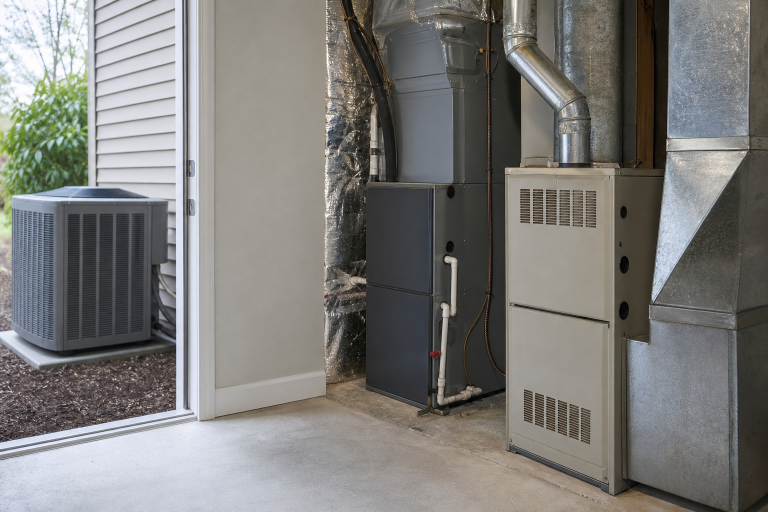
The most useful comparison starts with the AHRI matched-system certificate, the installed scope, and the load calculation, not with the sticker on the outdoor unit alone. A fair quote should show the indoor coil or air handler, the outdoor unit, and the published matched efficiency.
Look for these items in writing:
- AHRI matched-system reference or certificate
- SEER2, EER2, and HSPF2 if the quote is for a heat pump
- Equipment size in tons or BTUs
- Whether the compressor is single-stage, two-stage, or variable-speed
- Duct modifications, if any
- Filter cabinet or media filter details
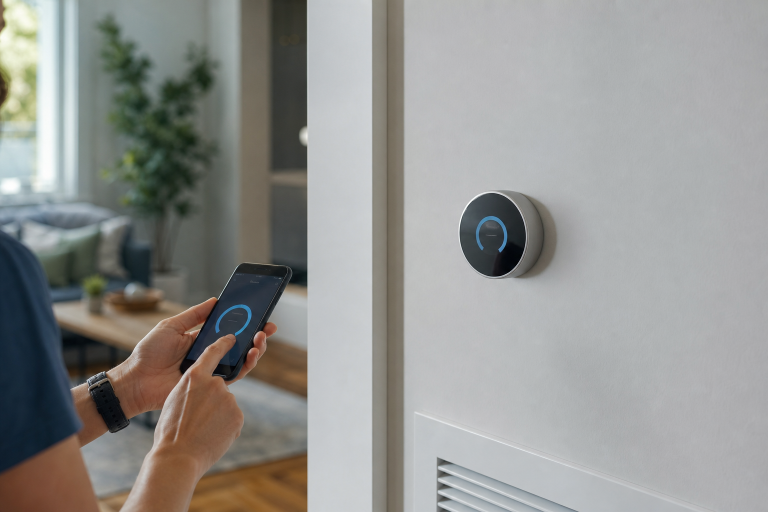
- Thermostat model and setup
- Warranty terms from the manufacturer and installer
Vague language is a common problem in HVAC quoting. If a proposal says “high-efficiency system” without matched ratings and model numbers, you do not yet know what is being sold.
For a deeper look at efficiency labels and what they mean on modern systems, Abodence has also covered SEER2 rating in detail.
How can SEER2 affect indoor air quality in a real home?
It can help indirectly when the equipment and controls support longer, steadier operation that improves filtration and moisture removal, but SEER2 by itself is not an indoor air quality rating. Better air quality comes from the full system design, especially filtration, ventilation, and humidity management.
According to the U.S. Environmental Protection Agency, indoor air quality is shaped by pollutant sources, ventilation, and the way a building is operated and maintained. HVAC equipment can support those goals, but no efficiency label guarantees them.
This is the point many sales pitches blur. A premium system may run more smoothly and support better humidity control, yet it will not fix dirty ducts, poor filter fit, or inadequate ventilation on its own.
Call for a free estimate:
What part of the system matters most for cleaner air?
Filtration and airflow management usually have the most direct effect inside a typical forced-air home. ASHRAE Standard 62.2 addresses residential ventilation, while manufacturer installation instructions define acceptable static pressure and airflow ranges needed for the filter and blower to work as intended.
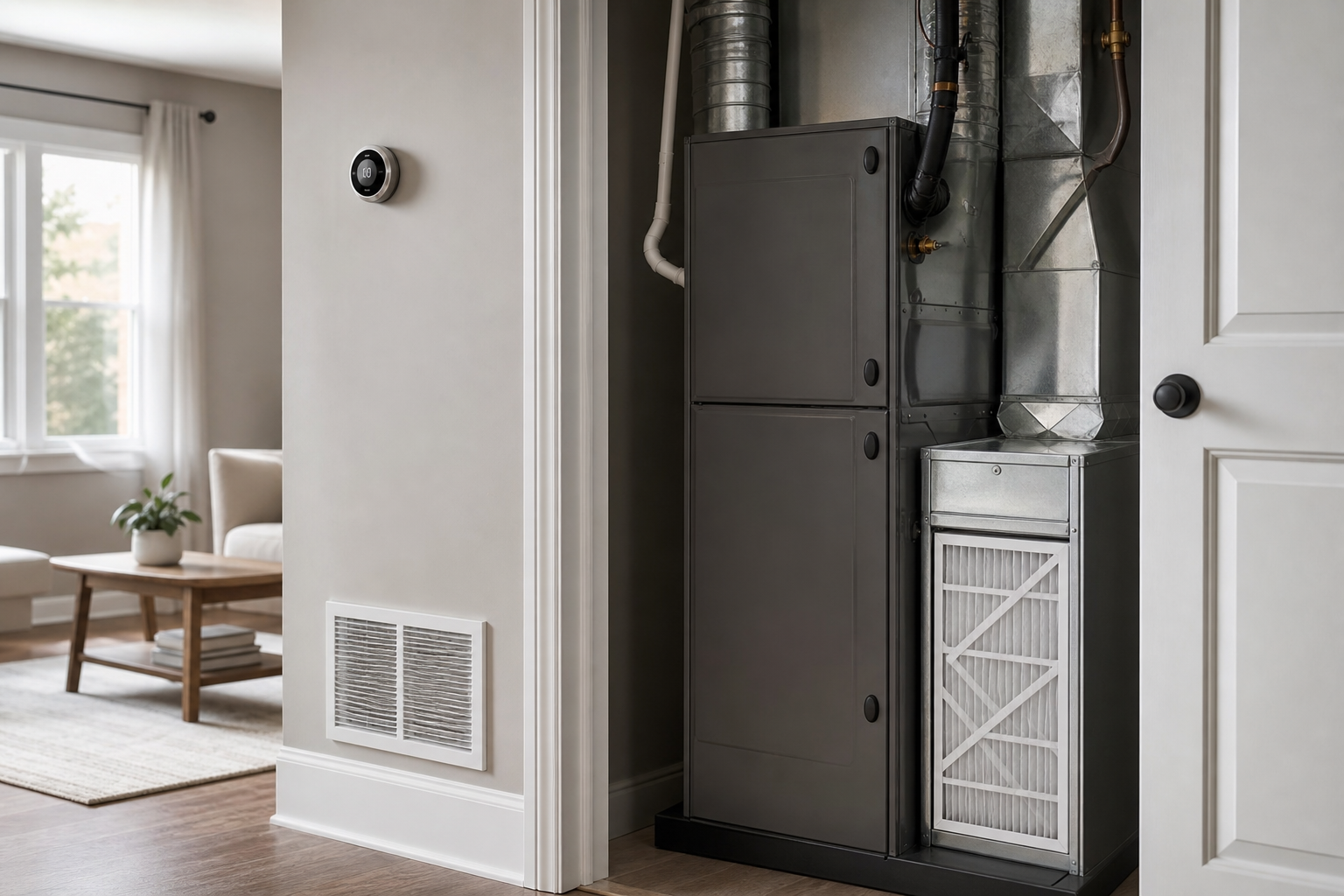
A well-fitted media filter cabinet often matters more than jumping to the highest advertised filter rating in a leaky one-inch slot. If air bypasses the filter, the filter rating on paper does not tell the whole story.
How can you significantly improve your home’s indoor air quality?
The biggest gains usually come from controlling particles, managing humidity, and bringing in outdoor air in a controlled way when the house needs it. The right mix depends on what problem you are trying to solve.
Start with filtration that the system can actually support
A deeper media filter cabinet can improve capture while keeping pressure drop within the equipment’s design range, depending on the specific filter and airflow target published by the manufacturer. Lennox, Carrier, and Trane installation data all stress the need to stay within allowable static pressure and airflow limits.
If your current setup uses a basic one-inch filter rack with gaps, sealing the rack and upgrading the cabinet may be more useful than buying a very restrictive filter. This is one of the clearest examples where the simpler fix can be the better one.
Control indoor humidity
Keeping moisture in a reasonable range helps the house feel more comfortable and supports better overall air management. The EPA guidance on moisture and mold emphasizes moisture control as a core part of preventing mold problems indoors.
In cooling season, longer run times and correct airflow can improve dehumidification. In some homes, a dedicated whole-home dehumidifier is the more direct answer, especially if the air conditioner is oversized or shoulder-season humidity stays high.
Use ventilation on purpose, not by accident
Fresh air helps when it is introduced in a controlled way that fits the home and climate. ASHRAE 62.2 is the recognized residential ventilation standard, and many newer homes need a planned ventilation strategy because they are tighter than older housing stock.
Options can include bath fan upgrades with controls, dedicated outdoor air ducts where appropriate, or balanced ventilation equipment in tighter homes. The right choice depends on house tightness, local climate, and the HVAC system’s ability to handle added moisture load.
Address source problems inside the house
Removing the source is often more effective than adding another device. EPA indoor air quality guidance places source control first for a reason. If a room has persistent dust from attic bypasses, garage air leakage, or return-side duct leaks, sealing those pathways can do more than an add-on purifier.
Air leakage can also affect comfort and system performance. If you are dealing with obvious drafts around openings, related envelope fixes may help, and Abodence has a practical guide to stopping air leaks at doors and window frames.
Which HVAC upgrades are worth it for indoor air quality, and which are often oversold?
Media filtration, humidity control, and verified duct sealing are usually easier to justify than broad claims about add-on air-cleaning gadgets. The value of any upgrade depends on whether it matches a known problem.
These upgrades are commonly worth discussing:
- Sealed media filter cabinets sized for the system
- Whole-home dehumidifiers in humid climates or oversized-system homes
- Ventilation upgrades designed around ASHRAE 62.2 principles
- Duct sealing when leakage is confirmed
- Variable-speed indoor equipment when comfort and moisture control are priorities
Some products are marketed with claims that are hard for a homeowner to verify from a quote alone. If a contractor recommends UV, ionization, or electronic air cleaning, ask for the exact product, the manufacturer performance document, the maintenance requirements, and what problem it is intended to solve. A device should be tied to a specific need, not sold as a cure-all.
What mistakes should homeowners avoid when shopping for better efficiency and cleaner air?
The most expensive mistakes usually come from buying around a symptom instead of around a diagnosis. If one room is stuffy or dusty, the answer may be balancing, return-air changes, or envelope work rather than a full system replacement.
Watch for these patterns:
- Quotes with no load calculation or no AHRI matched rating
- Claims that SEER2 alone will solve air-quality complaints
- Very high-MERV filters suggested without checking static pressure
- Oversized equipment sold as a comfort upgrade
- Rebate promises without naming the current program requirements
- Warranty language that does not explain registration or maintenance conditions
Proper sizing deserves special attention. Abodence also explains why that step matters in its guide to choosing the correct HVAC system size.
FAQ
Is SEER2 the same as SEER?
No, SEER2 uses updated test procedures and should not be compared one-for-one with older SEER values. When you review new equipment, use the published SEER2 matched-system rating shown in current product documentation or AHRI data.
Call for a free estimate:
What is a good SEER2 rating for a home?
A suitable efficiency level depends on your climate, utility rates, and how long you expect to keep the system. In many cases, the better choice is the unit that is properly sized and well installed, even if it is not the highest SEER2 option on the proposal.
Will a higher SEER2 lower my electric bill?
It often can reduce cooling energy use compared with a less efficient matched system, but the actual bill impact depends on runtime, thermostat settings, duct condition, and installation quality. A quote should never promise a specific savings amount without showing the assumptions behind it.
Can a new HVAC system fix poor indoor air quality by itself?
No, cleaner indoor air usually requires a combination of filtration, humidity control, ventilation, and source control. New equipment can support those improvements, but it is only one part of the solution.
Should you upgrade filters to the highest MERV rating available?
Not always, because the filter has to match the blower’s airflow and static-pressure limits. A contractor should verify what your equipment can handle using manufacturer specifications before recommending a more restrictive filter.
Do duct leaks affect indoor air quality?
Yes, leaks on the return side can pull in unwanted air from attics, crawlspaces, garages, or wall cavities, depending on where the ducts run. Sealing confirmed leaks can improve both system performance and the quality of the air moving through the house.
If you are comparing HVAC options and want help making sense of SEER2, sizing, filtration, or indoor air quality upgrades, getting a written assessment and quote based on your actual system is the practical next step. Please call a listed professional for a free, no-obligation discussion.
Sources: AHRI Standard 210/240, ACCA Manual J, ACCA Manual S, ASHRAE Standard 62.2, Carrier product literature, Trane product literature, Lennox installation literature