Preventing Frozen Pipes in a Nor’easter Blackout
A Nor’easter blackout can prevent home heating and cause pipes to freeze. Once the heating system cannot run, a set temperature does not protect pipes by itself. The priorities become preserving the home’s remaining heat, identifying plumbing in vulnerable spaces, and deciding when it is safer to shut off the water supply than to wait for temperatures to fall.

Call for a free estimate:
The American Red Cross advises homeowners to keep homes and garages heated, open cabinet doors that conceal plumbing, and let faucets drip during freezing weather. Those measures are useful while heat and water service are available, but an extended outage needs a more deliberate plan.
What should the thermostat be set to before a Nor’easter blackout?
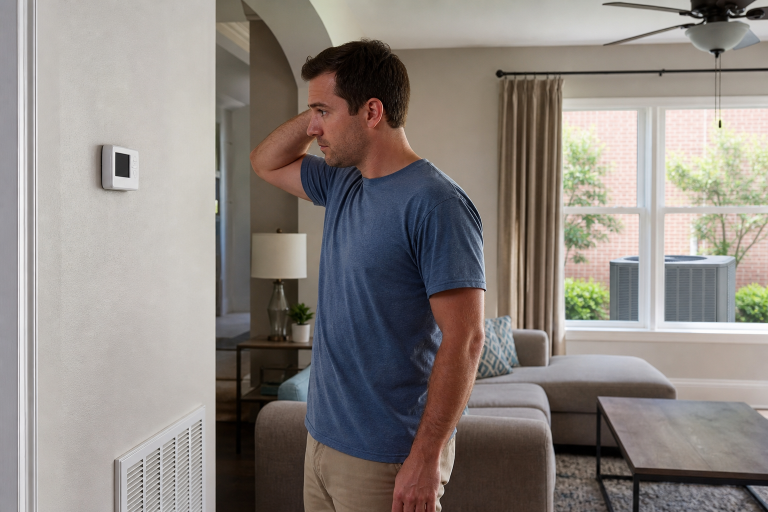
Set the thermostat no lower than 55°F while utility power is available, which matches the American Red Cross winter-weather guidance for reducing the chance of frozen plumbing.
Do this before the storm arrives, not after indoor temperatures have already dropped. A heating system needs both power and its normal fuel supply to follow the setting. A furnace, boiler, heat pump, or electric baseboard system will generally stop providing space heat during a grid outage unless the home has a correctly designed backup-power system.
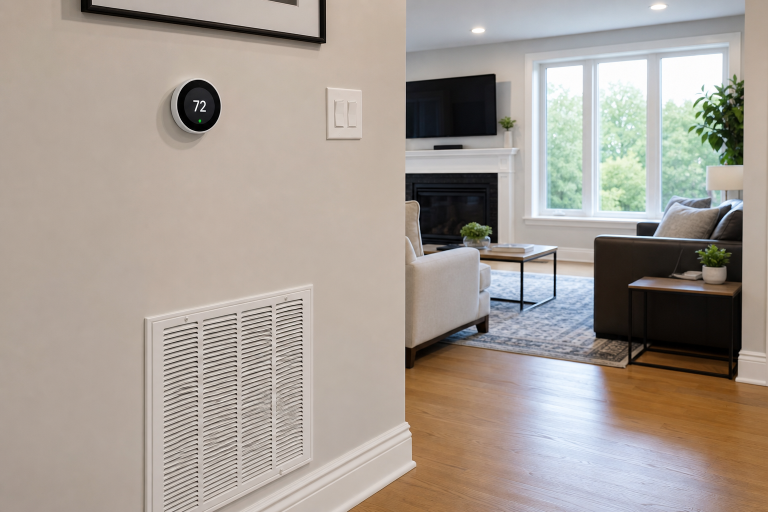
A smart thermostat does not change that limitation. It can report a temperature or alert you while its equipment, internet connection, and backup power remain available, but it cannot create heat after the heating system loses the electricity it needs. The useful preparation is confirming how your existing heating equipment behaves during an outage and reviewing the backup-power plan before winter. For related context, see this guide to smart thermostat benefits and limits.
If you have a fireplace, wood stove, or other permanently installed heat source, use it only as its manufacturer and local fire rules allow. Portable combustion appliances and cooking equipment are not substitutes for a whole home heating system indoors. The U.S. Consumer Product Safety Commission states that portable generators must be operated outdoors, at least 20 feet from the house, with exhaust directed away from doors and windows.
When does a power outage become a frozen-pipe problem?
Risk rises when an unheated part of the house approaches freezing, especially where pipes sit beside exterior walls, in crawl spaces, attics, garages, basements, and cabinets under sinks.
There is no universal number of outage hours that guarantees a pipe will freeze. Outdoor temperature, wind, insulation, pipe location, whether water is moving, and how much heat the building retains all change the timeline. A well-insulated living area can remain warmer than a garage or an enclosed vanity against an outside wall, so one thermostat reading cannot describe conditions everywhere.
Pay particular attention to areas that are normally heated only indirectly. A pipe in a kitchen cabinet may benefit from room heat once cabinet doors are opened. A pipe in a detached garage generally does not. If the outage is likely to continue through sustained subfreezing conditions, waiting for a visible problem is a poor plan.
What should you do first after heat goes out?
Start by determining whether the building can stay above freezing and whether someone can safely monitor it. Check the utility’s outage estimate, outdoor forecast, indoor temperature, and any low-temperature alerts you can still receive. Do not rely on an app alone when the home router, cellular service, or the thermostat itself may lose power.
Keep interior doors open where doing so allows warmth from an operating, code-compliant heat source to reach rooms with plumbing. Open cabinet doors under kitchen and bathroom sinks on exterior walls, provided chemicals and cleaners are secured away from children and pets. The American Red Cross includes this step in its cold-weather pipe guidance because it lets room air reach plumbing hidden behind cabinet fronts.
Keep garage and exterior doores closed and close fireplace dampers when the fireplace is not in use. Avoid repeatedly opening exterior doors to check conditions. Each opening releases accumulated indoor heat and brings cold air into the building.
- Locate the main water shutoff valve before an outage. It is commonly near where the water service enters the home, but layouts vary.
- Identify exposed supply pipes, especially those in a garage, crawl space, unfinished basement, or exterior-wall cabinet.
- Keep a flashlight, fresh batteries, and the water utility or plumber contact information accessible without internet service.
- Know whether a sump pump, well pump, or boiler depends on household electricity, since a blackout can affect more than room heat.
When should you shut off the water and drain the plumbing?
Closing the main water valve and draining accessible plumbing is the conservative choice when a home will be unheated through prolonged freezing conditions and no dependable backup heat is available.
The American Red Cross advises shutting off water and draining pipes if you expect to be away during cold weather. The same logic applies when a blackout makes sustained indoor heat uncertain. Removing water from vulnerable lines reduces the amount that can freeze and expand, while closing the supply limits continuing water flow if a weakened pipe later opens.
How a home should be drained depends on its plumbing layout, water heater, boiler, well equipment, irrigation lines, and any water-treatment system. A hydronic heating system has different risks from ordinary domestic water piping. Do not drain, alter, or restart a boiler, fuel-fired appliance, or unfamiliar plumbing equipment as a guess. A licensed plumber can advise on winterizing a specific system and on whether fixtures, water heaters, or specialty equipment require separate steps.
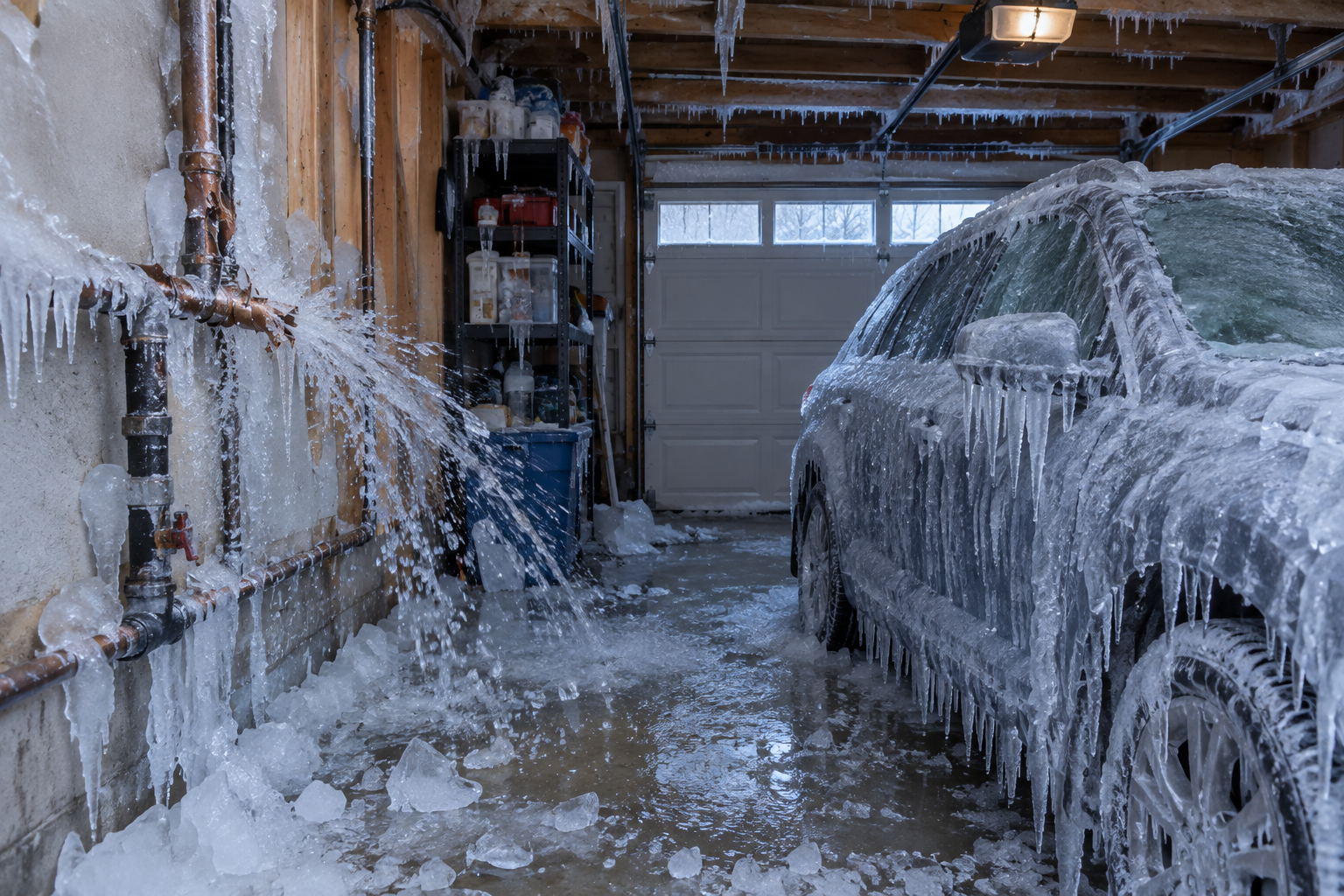
If you choose to shut off the main supply, follow the valve and fixture instructions for your home and avoid forcing a seized valve. Document the action for everyone in the household. When service returns, inspect visible pipes, connections, and ceilings before restoring water fully. A damaged line can remain hidden until pressure returns.
Can a generator keep pipes from freezing?
A permanently installed standby generator or a properly designed portable-generator connection may support selected heating equipment, but its capacity and connection method determine whether it can do so safely.
Many central heating systems need electricity for controls, ignition, pumps, blowers, or condensate components even when they burn natural gas, propane, or heating oil. The U.S. Department of Energy advises using a transfer switch installed by a qualified electrician when connecting a generator to home wiring. Connecting a generator directly to household wiring can backfeed utility lines and create serious electrical hazards.
A portable generator does not automatically make every heating system usable. Its rated output, starting capacity, fuel supply, and the electrical demand of other necessary loads all need to be evaluated for the exact equipment. A generator that is too small or improperly connected is not a safe workaround. Have a qualified electrician assess a backup-power plan before storm season if you intend to run fixed heating equipment.
Call for a free estimate:
Never run a portable generator in a garage, basement, porch, or other enclosed or partly enclosed area. CPSC guidance also warns against using it near doors, windows, or vents because exhaust can enter the home. Keep it dry and use manufacturer-approved outdoor operating procedures.
What insulation and air-sealing work is worth doing before winter?
Insulating exposed pipes and blocking cold drafts at known leak points are practical preventive measures, but neither replaces heat during a long blackout.
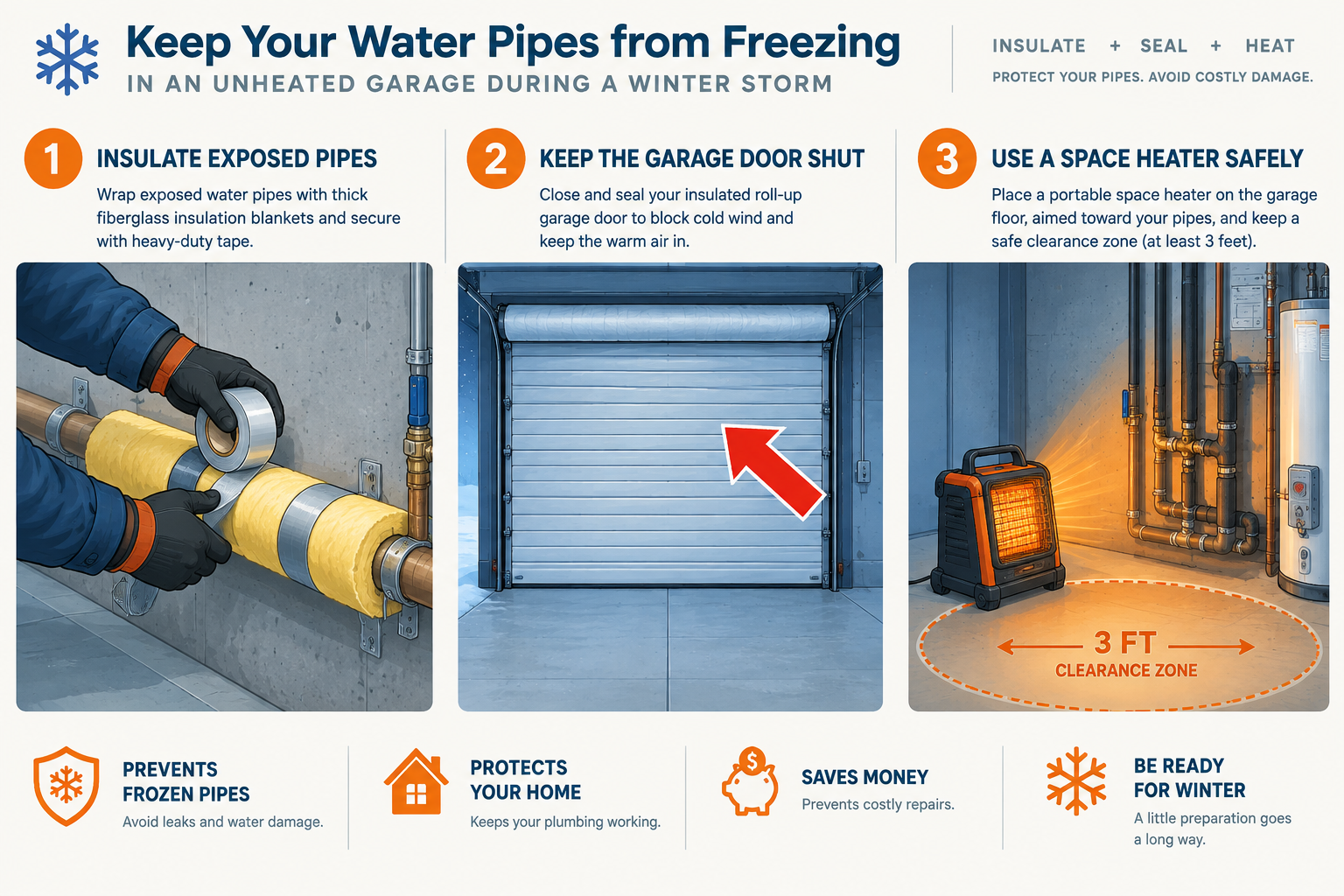
The U.S. Department of Energy recommends insulating pipes that are exposed to cold, especially those near exterior walls and in unheated spaces. Pipe insulation slows heat loss from water already in the line. It does not make a pipe freeze-proof when surrounding air remains below freezing long enough, so focus first on pipe runs in garages, crawl spaces, and other unconditioned areas.
Air sealing around windows, doors, and utility penetrations can also reduce cold-air entry into the building. If drafts are evident around windows or exterior doors, this overview of drafty window repair options explains where weatherstripping and caulk fit, and where a larger repair may be needed.
Insulate pipes only with materials appropriate for the location and pipe type. Keep insulation clear of hot appliance components and follow the insulation manufacturer’s directions. For difficult routes behind finished walls, an accessible shutoff plan and professional winterization may be more realistic than opening walls solely to add insulation.
What are the warning signs of a frozen or burst pipe?
Little or no water flow from a fixture during freezing weather, frost on exposed piping, or an unusual cold area around a pipe can indicate a developing freeze.
Do not use an open flame, torch, or other improvised high-heat method on plumbing. If a pipe appears frozen, if water is leaking, or if you see staining or bulging materials near a concealed line, shut off the water supply if it is safe to do so and contact a qualified plumber. Keep clear of wet areas near electrical outlets, panels, appliances, or cords, and seek urgent electrical help where water has reached electrical equipment.
A burst pipe may not show itself until the ice thaws and household pressure returns. After a blackout, look carefully around exposed plumbing, under sinks, near appliances, and below bathrooms before assuming the system is intact. If the home was vacant or deeply cold, consider arranging a professional inspection before returning it to normal use.
FAQ
Should faucets drip during a blackout?
A small drip can keep water moving while the home remains warm enough and water service is operating, which is why the American Red Cross includes it in freezing-weather guidance. It is not a substitute for heat during a lengthy blackout, and it does not protect a closed-off or unheated pipe run.
Will turning the thermostat to its highest setting protect pipes faster?
Only operating heating equipment can raise the indoor temperature, so a higher setpoint does nothing once power or another required part of the heating system is unavailable. Before an outage, a moderate setting of at least 55°F is the published American Red Cross baseline, rather than an extreme setting that may not solve cold pockets in garages or exterior-wall plumbing.
Can pipes freeze in an attached garage if the house is warm?
Yes, an attached garage can become much colder than the living space because it is usually not heated to the same level and the garage door can admit substantial cold air. Treat plumbing in that space as a separate risk area and consider professional winterization if it cannot be kept reliably above freezing.
Who should you call after a pipe bursts?
Call a qualified plumber after shutting off the water supply if it is safe to do so. If water has contacted electrical equipment, avoid the area and contact the appropriate emergency electrical service or utility before anyone handles affected equipment.
If your home has recurring cold spots, exposed pipes, or a heating system that cannot run during outages, ask a qualified plumber or electrician for an assessment and a written scope tailored to the home before the next Nor’easter.