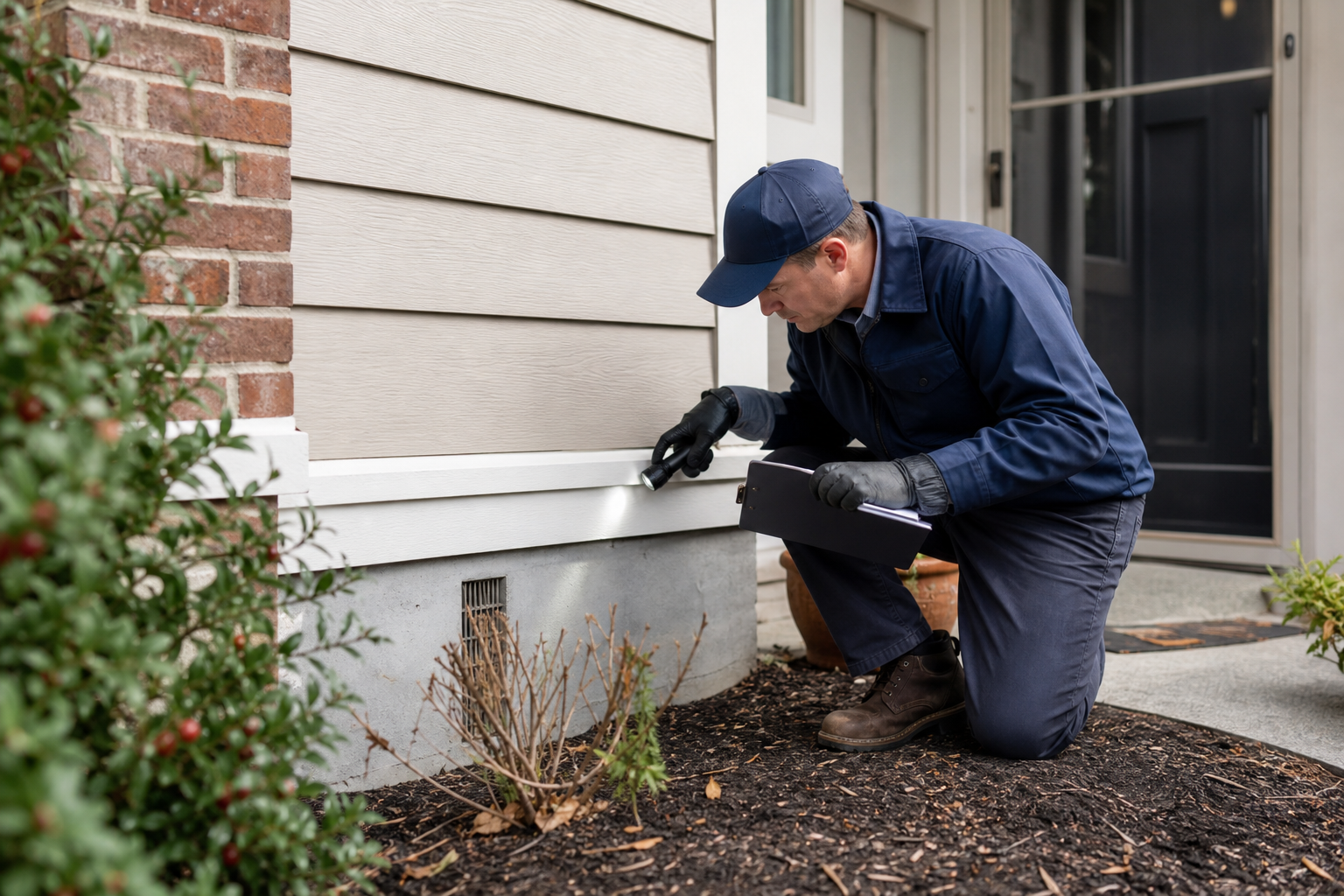
Pest Control Maintenance Frequency: The Serious Cost of Waiting Too Long
Focus Keyword: pest control maintenance frequency
A pest control maintenance schedule depends on the pest, the size of your home, and whether you are preventing a problem or trying to bring an active infestation under control. For routine service, many pest control companies structure plans around monthly, every-other-month, or quarterly visits. For active infestations, follow-up can be much more frequent at the start.
If you are trying to budget for service, published 2025 marketplace pricing from Angi lists general pest control at about $100-$300 per initial visit, with ongoing visits often around $40-$70 monthly, while HomeGuide lists quarterly pest control plans at roughly $100-$300 per visit and annual totals commonly around $400-$950, based on 2025 figures. Those are broad consumer-marketplace ranges, not a guaranteed local quote, but they are useful for understanding the cost of waiting versus maintaining a schedule.
The bigger issue is not just what one visit costs. It is what happens when a small problem turns into repeated treatments, damaged materials, or a much longer service plan.
According to the U.S. Environmental Protection Agency, integrated pest management starts with inspection, monitoring, sealing entry points, sanitation, and using pesticides only as needed. That matters for homeowners because the right treatment schedule is tied to inspection findings, not a one-size-fits-all calendar.
For related safety considerations before treatment, Abodence has also covered pest control safety and eco-friendly pest control options.
How often should your property be treated for pest maintenance?
Most homes with no active infestation are commonly placed on a quarterly or every-other-month schedule, while homes with ongoing pest pressure or a current infestation often need monthly service at first. The National Pest Management Association describes recurring service as a standard way to monitor conditions and respond before pests become established, many company service plans follow this model.
A practical schedule usually looks like this:
- Preventive maintenance: every 2-3 months for many homes with ordinary pest pressure
- Moderate recurring issues: monthly until activity drops, then every 2-3 months
- Heavy infestation: an initial treatment plus multiple follow-ups over several weeks, then a maintenance plan
You do not always need the most frequent plan forever. Once activity is controlled and entry points or moisture issues are addressed, many properties can move to a less frequent schedule.
What changes pest control frequency?
Home conditions drive the schedule more than the calendar does. The EPA’s integrated pest management guidance points to inspection, pest identification, and monitoring as the basis for treatment decisions, which is why two houses on the same street can need very different service intervals.
Home size
More square footage means more perimeter, more possible entry points, and more places for pests to hide. A small home may be faster to inspect and treat, while a large home often takes more time and product, especially if there are basements, crawl spaces, attics, detached garages, or complex landscaping.
Infestation level
Light activity is often handled with fewer return visits than a well-established infestation. Once pests have multiple nesting or harborage areas, the service plan usually becomes more intensive at the start.
Pest type
Different pests require different treatment intervals. The University of California Statewide Integrated Pest Management Program notes that pest biology and monitoring results affect timing, which is why ants, cockroaches, rodents, and stinging insects are not usually managed on the exact same schedule.
Property conditions
Moisture, food sources, clutter, dense vegetation against the house, and gaps around utility lines can all increase pest pressure. If those conditions stay in place, more frequent treatment may be needed to keep activity down.
How often should a small home be treated?
A small home, roughly under 1,500 square feet, often does well on quarterly service for prevention, monthly service for a moderate issue, and a tighter short-term follow-up plan for a heavy infestation. Smaller homes are not automatically low risk, but they are often quicker to inspect and easier to monitor after treatment.
Light infestation or preventive service
Every 3 months is a common baseline when the goal is prevention and there is no major active problem. In this scenario, the visit is usually focused on inspection, exterior treatment, and targeted interior treatment only where needed.
Moderate infestation
Monthly visits for 1-3 months are common when pests are being seen regularly but the problem is still contained to limited areas. After that, many homeowners step down to every-other-month or quarterly service if activity stops.
Heavy infestation
An initial treatment followed by one or more return visits within days or weeks is common when the issue is established. The exact interval depends on the pest and the product label, because the EPA requires pesticide use to follow label directions under federal law.
Using the 2025 Angi and HomeGuide marketplace ranges, a small home on preventive service might spend about $400-$800 per year, while a heavier problem can cost more because of extra follow-up visits and specialty treatments.
How often should a medium-size home be treated?
A medium-size home, roughly 1,500-3,000 square feet, often follows the same timing pattern as a small home, but treatment plans tend to be more expensive and inspections can take longer. This size range is where differences in layout start to matter more, especially if the property includes attached garages, larger yards, or multiple vulnerable access points.
Light infestation or preventive service
Quarterly treatment is still common for maintenance when pest pressure is ordinary and the home has been stable. Some providers may suggest every-other-month service if the property backs to woods, water, or heavy vegetation.
Moderate infestation
Monthly visits are often used at the start when activity is recurring in kitchens, bathrooms, garages, or around the foundation. Once monitoring shows control, the schedule can often be reduced.
Heavy infestation
Several early follow-ups may be necessary when pests are widespread or repeatedly reappearing. A larger footprint can make it harder to confirm that all activity zones have been treated and monitored.
Based on those same 2025 marketplace sources, a medium-size home may commonly land around $500-$950 annually for routine recurring pest control, with active infestations pushing totals higher depending on follow-up frequency and pest type.
How often should a large home be treated?
A large home, roughly over 3,000 square feet, is more likely to need a customized service interval because the structure and grounds can create more pest pressure points. The schedule may still be quarterly for prevention, but monthly service is more common when there are persistent issues, detached structures, or extensive landscaping close to the house.
Light infestation or preventive service
Every 2-3 months is often used when the goal is ongoing perimeter protection and routine inspection. Larger homes can stay on a lower-frequency plan if the property is well sealed and pest conditions are limited.
Moderate infestation
Monthly service is common until the provider can verify that activity has dropped across all affected areas. Larger homes can take longer to stabilize because pests may be active in more than one zone at the same time.
Heavy infestation
Short-interval follow-ups are often part of the initial control phase. That can include repeat visits over several weeks before the property moves onto a maintenance schedule.
For large homes, annual recurring costs can exceed the broad $950 upper end seen in some 2025 marketplace estimates when the scope includes multiple structures, specialty pests, or extensive follow-up. This is one case where a written scope matters more than the advertised starting price.
What does an active infestation usually cost if you wait?
$100-$300 for an initial general pest visit can turn into several hundred dollars more when the issue is left to spread, based on 2025 Angi and HomeGuide pricing ranges for recurring service and follow-up treatment. Waiting does not guarantee a major bill, but it often changes the job from maintenance into control.
The cost increase usually comes from four things:
- More visits in a shorter time period
- Wider treatment areas inside and outside the home
- Longer monitoring before the property can move to a maintenance schedule
- Added exclusion or repair work that was avoidable earlier
According to the Federal Trade Commission, homeowners should get detailed written estimates and understand exactly what is included before agreeing to work. That is especially important in pest control, where vague promises like “full treatment” may leave out follow-up visits, exclusion work, or coverage for detached structures.
A cheaper quote is not automatically the better one if it only covers one spray visit and no return service. On the other hand, a high-cost annual plan is not always necessary if the problem is limited and the provider can explain a shorter control schedule followed by quarterly monitoring.
What should be included in a pest treatment plan?
A useful service plan should clearly spell out timing, target pests, treatment areas, and what triggers follow-up visits. Without that detail, it is hard to compare quotes or know whether the recommended pest control maintenance frequency fits your actual problem.
Look for these items in writing:
- Target pests covered by the plan
- Initial treatment scope, interior and exterior
- Follow-up schedule and how many return visits are included
- Whether garages, crawl spaces, attics, sheds, or fences are included
- Monitoring or inspection steps between visits
- Whether exclusion work is included or billed separately
- Retreatment policy if pests return between scheduled visits
According to the [EPA’s tips for selecting a pest control company](https://www.epa.gov/safepestcontrol/tips-selecting-pest-control-service), you should ask for information about the pest, the extent of the problem, and the specific treatment approach. A company that cannot explain why it is recommending monthly versus quarterly service is asking you to buy a schedule without the inspection logic behind it.
Can you reduce treatment frequency after the problem is controlled?
Many homes can move from monthly service to every-other-month or quarterly service once activity is confirmed to be under control and the property conditions that support pests are improved. That step-down approach is consistent with integrated pest management because treatment intensity should match current conditions.
Common reasons a provider may reduce visit frequency include sealed entry points, improved sanitation, corrected moisture problems, and a period of monitoring with little or no activity. If those conditions do not change, the property may stay on a more frequent schedule.
This is where homeowners often save money without taking on unnecessary risk.
When is more frequent treatment actually worth it?
Monthly or short-interval follow-up is worth it when there is active, verified pest activity that a provider can document through inspection findings and monitoring. It also makes sense when the property has conditions that repeatedly invite pests back, such as chronic moisture or multiple access points that have not yet been sealed.
More frequent service is usually justified when:
- You are seeing ongoing activity between visits
- The infestation is spread across several areas
- The target pest requires repeat monitoring and follow-up
- The home has conditions that make reinfestation likely
If none of those apply, ask why the schedule cannot be reduced after the control phase. A solid answer should point to inspection evidence, not sales language.
FAQ
Is quarterly pest control enough for most homes?
Quarterly service is enough for many homes that do not have an active infestation and have average pest pressure. Properties with recurring activity, heavy vegetation, moisture issues, or a recent infestation may need monthly service first.
How many pest control visits does a heavy infestation usually take?
Several visits are common when the problem is established, because control often starts with an initial treatment and then moves into short-interval follow-ups. The exact number depends on the pest, the size of the property, and what inspection and monitoring show after each visit.
Does a larger house always need more frequent treatment?
A larger house does not always need more frequent treatment, but it often costs more to inspect and service. Frequency is driven more by pest pressure and property conditions than by square footage alone.
Should you choose monthly pest control or quarterly service?
Monthly service makes sense during active control, while quarterly service is often enough for maintenance after the issue is stabilized. The better choice is the one the provider can justify with inspection findings and a clear written scope.
What is a fair annual cost for routine pest control?
About $400-$950 per year is a reasonable broad benchmark for general recurring service based on 2025 HomeGuide marketplace figures, with Angi showing similar 2025 ranges for initial and monthly visits. Homes with heavier infestations, larger footprints, or specialty pests can cost more.
If you are comparing treatment schedules and want a clearer sense of what your property actually needs, getting a written inspection and scope from a qualified pest control provider is the practical next step. Please call a listed specialist for a free, no-obligation discussion.
Sources: Angi, HomeGuide, National Pest Management Association, University of California Statewide Integrated Pest Management Program