Wasp and Hornet Nest Removal: Urgent Safety Steps
A wasp or hornet nest can turn a doorway, deck, attic, or roof edge into an area you cannot safely use. The correct approach to prevent problems depends on its location, activity, and whether it blocks a route you need every day. For an active nest near people or pets, keep your distance and arrange professional removal rather than trying a spray-and-run fix.
A nest high in a soffit or tucked behind siding can require more than pest control. It may also reveal a gap around a pipe or damaged trim that needs repair after the insects are gone.
When does a wasp or hornet nest need urgent removal?
An active nest that blocks a door, walkway, vehicle entrance, or required home access needs prompt professional attention. The National Pest Management Association advises leaving stinging-insect nest treatment to a qualified pest management professional, particularly when a nest is difficult to reach. Keep children, guests, and pets away from that area while you arrange service.
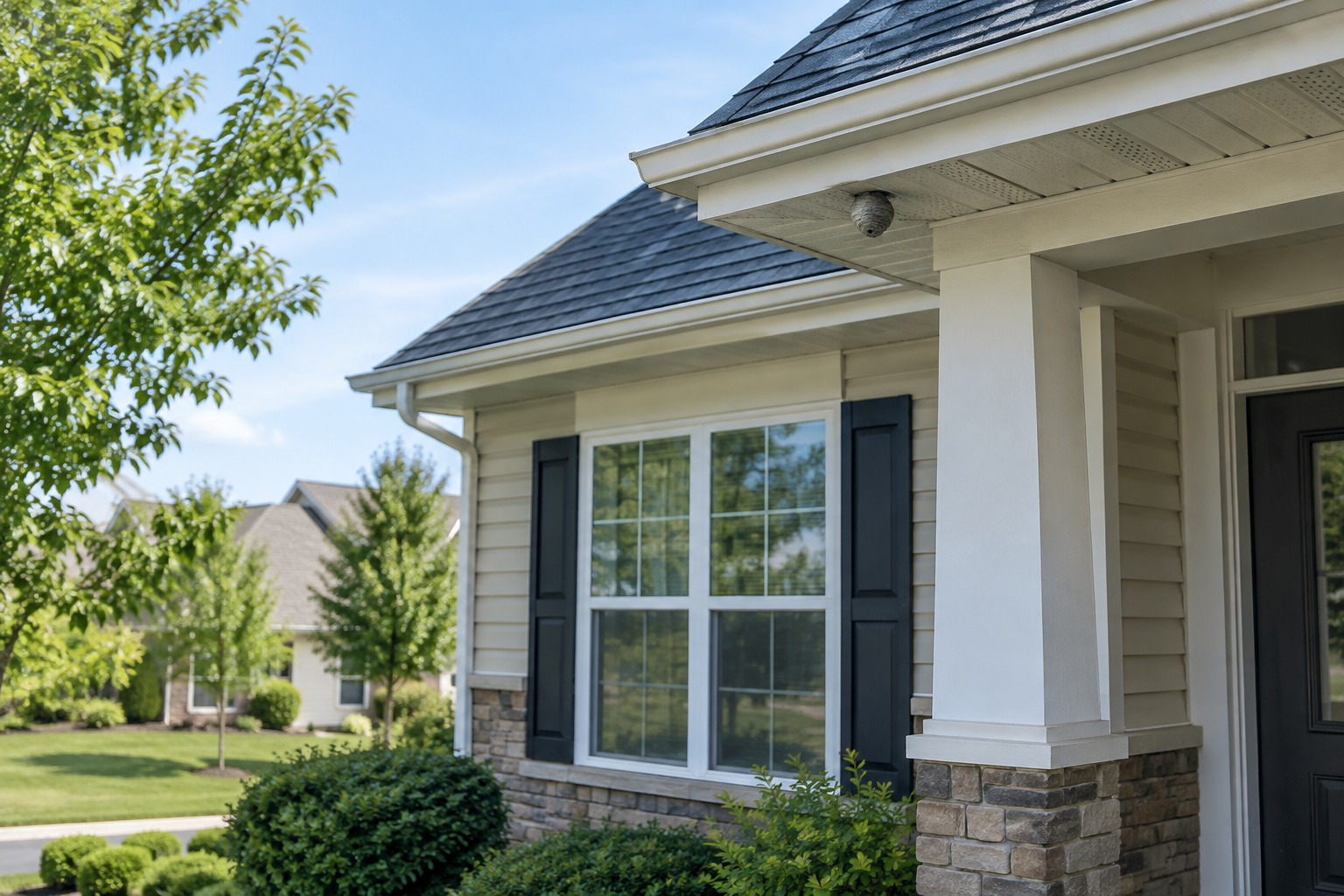
Location changes the risk more than nest size. A small paper nest under an eave near a rarely used shed may allow time to schedule a normal visit. A similar nest beside the latch side of your front door can interfere with basic use of your home. Do not bang on siding, aim a hose at the nest, or try to cover it with a bag. Those actions can disturb the colony without solving the problem.
Ground activity needs the same caution. Yellowjackets often nest in soil cavities, according to Penn State Extension’s Stinging Insects guidance. Repeated insect traffic into one hole near a lawn path is enough reason to keep people away and call a provider. You do not need to locate the nest entrance more closely.
What kind of nest are you seeing?
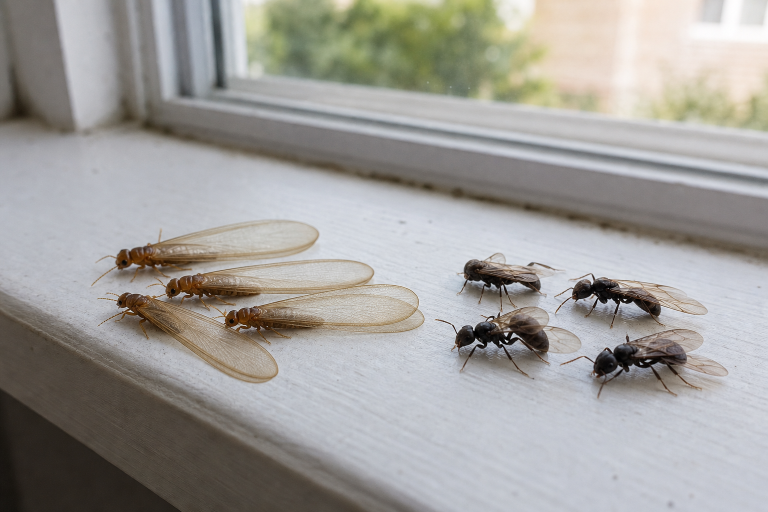
A gray, layered paper ball hanging from a branch or roofline is often an aerial social-wasp nest, while a hidden colony can occupy a wall void, attic, or ground cavity. Penn State Extension describes social wasps as builders of paper nests made from chewed wood fibers. A provider can identify the insect from a clear photo taken at a safe distance, or during an on-site inspection.
In the United States, the bald-faced hornet is technically a type of yellowjacket, not a true hornet. You do not need to settle that distinction before calling. What matters is whether insects are actively entering a structure, flying around a frequently used area, or clustering around an exposed paper nest.
Watch from indoors or from far away. Note the nest’s general location and the time of day when traffic is most noticeable. That information helps a provider plan access without asking you to approach the colony. If insects are going into a crack at a roof edge, mention that detail when you book. Do not assume a quiet nest is empty. Activity can vary with temperature and time of day.
How much does professional wasp or hornet nest removal cost?
Expect roughly $100 to $1,300 for wasp nest removal, based on Angi’s 2025 published cost guide, with access and nest location creating the widest price differences. A reachable exterior nest generally falls toward the lower end. A colony in a wall, chimney, attic, or high roofline can cost more because the crew may need specialized access, more time, and a return visit.
Ask for a written price before work starts. It should say whether the quote covers inspection, treatment, nest removal when feasible, and a follow-up visit. One low price may only cover a treatment at the visible entrance. Another quote may include closing an access point, which is a different scope.
You should not pay for a whole-home insect spray because of one visible nest. Targeted work is the simpler approach when the issue is limited to a single exterior colony. The U.S. Environmental Protection Agency’s Integrated Pest Management principles prioritize inspection and prevention before relying on broad pesticide use.
Access work can be the real cost driver. A nest behind finished drywall may require a pest provider and a separate repair contractor. Get those costs separated in writing. Otherwise, a quote can make treatment look inexpensive while leaving you with an unplanned patch, paint, or trim repair.
What should professional removal and exclusion include?
A complete scope should control the active colony, address the nest as the site allows, and identify the opening that gave insects access to the structure. The provider may not remove all concealed nest material from inside a sealed wall. The important result is ending active insect traffic and then closing the entry route after the provider confirms it is safe to do so.
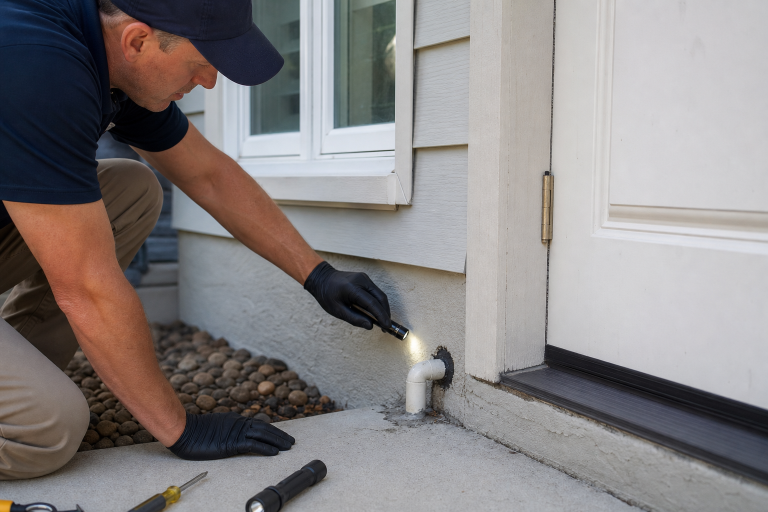
Exclusion means blocking a building gap so insects cannot use it again. This is building repair, not just pesticide treatment. A loose soffit panel, cracked fascia board, or gap where a cable enters siding can provide access. Ask who will fix it, what material they will use, and whether that work is part of the estimate.
Foam alone is often a poor exterior repair because sunlight and weather can break it down. Do not pay for exposed spray foam as the final fix at a roof edge or siding joint. A durable repair may require fastening trim or replacing damaged material first, then sealing the remaining gap.
Moisture can make those repairs more important. Rot around a soffit or fascia often starts with water entry, and it will not stay fixed if the damaged wood remains. If you see stained ceiling drywall or soft trim near the nest location, review attic moisture warning signs and ventilation fixes alongside the pest work.
Can you remove a nest yourself with store-bought products?
You should leave active wasp or hornet nest treatment to a qualified professional, especially when the nest is in a wall, attic, chimney, or elevated roofline. The National Pest Management Association’s guidance supports professional treatment for stinging insects because access and colony behavior make these jobs different from routine indoor pest control. This is not a job for a ladder and an aerosol can.
A provider can choose the treatment method after identifying the nest and its access route. Treating only the visible crack may leave insects an alternate path into living spaces, while sealing the opening too soon can create another route. Ask how the provider will confirm activity has stopped before the repair is closed.
Keep the situation calm. Do not mow directly over a suspected ground nest. Do not use a leaf blower near an eave nest. If the colony is inside an electrical fixture or another hard-to-reach building feature, tell the provider before the appointment rather than trying to inspect it yourself.
What should you ask before approving the work?
A useful written scope tells you exactly what the provider will treat, what access is needed, and which repairs remain your responsibility. Vague wording such as “pest service” does not tell you whether the estimate includes the nest location, a concealed entry point, or a return visit. Compare like-for-like scopes, not only the bottom-line price.
- Is the nest exposed, in a wall or attic, or under the ground, and what work is included at that exact location?
- Does the price include a follow-up inspection, nest removal if reachable, and exclusion repair, or are those separate charges?
Ask about the service warranty in plain language. A treatment warranty may cover renewed activity at the treated site for a stated period. It may not cover a new nest on a different part of the house, repairs to wood or siding, or insects entering through another gap.
For a nest near an upper roof edge, confirm who supplies ladder or lift access and whether the price already includes it. You should also ask if the crew needs access to the attic or an interior room. Clear answers prevent a scope change after arrival.
If you prefer a lower-pesticide approach, say so before the provider selects a method. Targeted identification, physical exclusion after activity ends, and removing food or shelter conditions align with the prevention-first approach discussed in this guide to eco-friendly pest control. Active stinging-insect nests still require a safety-focused plan.
FAQ
Should you remove an old wasp nest?
An old, inactive paper nest usually does not require urgent removal, but you can have it removed during routine exterior maintenance if it is reachable. Penn State Extension notes that social wasps build new nests each season rather than reusing the old paper structure. Do not handle a nest if you cannot clearly confirm there is no activity from a safe distance.
How long should you wait after treatment before sealing an entry gap?
Wait until the treating provider confirms that insect activity has stopped and gives the go-ahead for closure. The timing depends on the species, treatment method, and whether the nest sits in an enclosed void. Premature sealing can redirect active insects into another part of the structure.
Will a wasp nest damage your house?
Paper-nest material itself usually is not the main building concern. The bigger issue is an existing gap, loose soffit, or damaged trim that lets insects enter a wall or attic. Arrange a separate repair when the inspection finds deteriorated wood, a failed seal, or an opening around a utility line.
Can a pest company remove a nest from a wall?
Yes, many providers can treat a concealed wall colony, but physical nest removal may not be practical without opening the finished wall. Ask how active traffic will be checked, whether opening the wall is necessary, and who will complete any patching afterward.
If an active nest is affecting your daily access or appears to be inside the house, contact a qualified pest management provider for a written assessment and quote. Please call a listed provider for a free, no-obligation discussion.
Sources: National Pest Management Association, stinging insect guidance; Penn State Extension, Stinging Insects; Angi, 2025 Wasp Nest Removal Cost Guide.