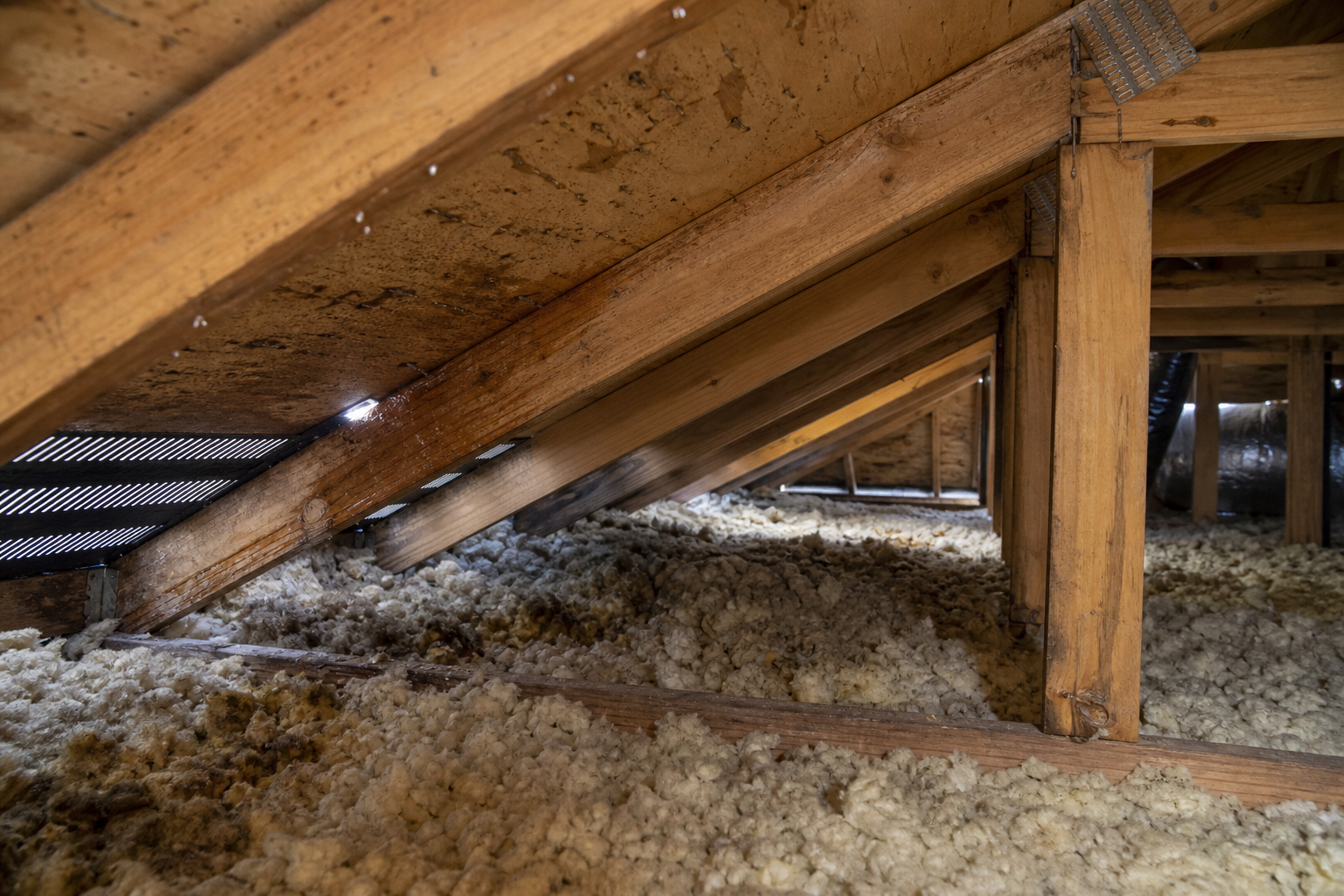
Rodent Inspection: Critical Facts for Checking Your Attic or Crawl Space
Focus Keyword: rodent inspection
Rodent inspection starts with recognizing signs you can safely spot from outside the space, then deciding whether the evidence points to a professional pest or wildlife visit instead of a DIY search. If you are checking an attic or crawl space, the goal is not to chase an animal, open walls, or handle contaminated material. The practical goal is to confirm whether activity is likely, note where it appears to be happening, and avoid missing the entry points that let it continue.
For most homeowners, that means using a flashlight, keeping your distance, and looking for a short list of signs that are widely recognized by public agencies and extension programs. According to the Centers for Disease Control and Prevention, rodents can enter homes through small openings and leave droppings, gnaw marks, and nesting material behind. The same basic signs are also covered in guidance from university extension sources and state public health agencies, which is why inspection usually begins with evidence, not with trying to see the animal itself.
If you already hear movement overhead at night, find droppings near stored boxes, or notice a stale animal odor, there is enough reason to inspect carefully. If you find a large amount of droppings, a live animal, or a dead animal in a tight space, stop there and arrange professional help.
What are clear signs of rodents in an attic or crawl space?
The most reliable clues are droppings, gnawing, nesting debris, rub marks, and noises that repeat at predictable times, especially after dark.
In attics, look along the edges rather than the center first. Rodents often travel beside framing, utility lines, and stored items because those routes offer cover. In crawl spaces, check the perimeter walls, foundation penetrations, insulation edges, and areas near HVAC lines or plumbing.
According to the U.S. Environmental Protection Agency, common signs include droppings, tracks, gnaw marks, burrows, runways, and nests. That source also advises sealing entry points and removing food and water sources as part of control, which matters because inspection is only useful if it helps you identify how rodents are getting in.
Signs that usually matter most
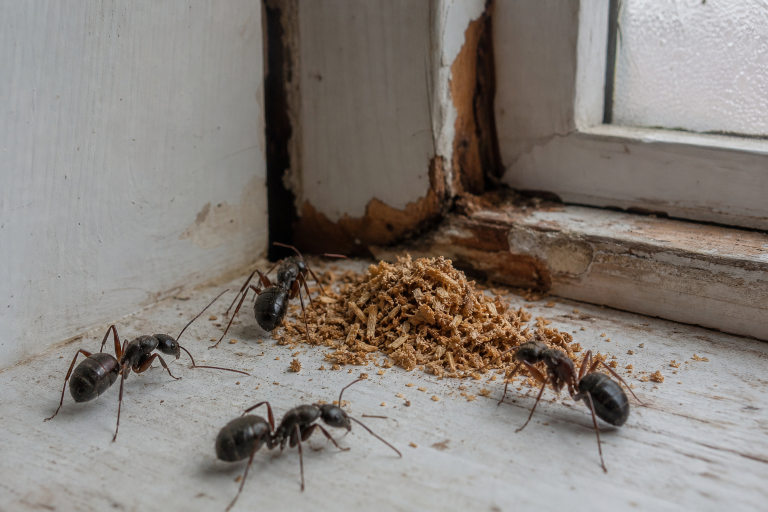
- Droppings: Small, dark pellets near beams, insulation, stored items, or wall edges.
- Gnaw marks: Fresh chewing on wood, cardboard, wiring covers, or plastic.
- Nesting material: Shredded paper, fabric, insulation, or dried plant matter gathered into a tucked-away pocket.
- Rub marks: Greasy smears where rodents repeatedly travel along a beam or wall.
- Noises: Scratching, scurrying, or light thumping, often at night or early morning.
- Odor: A persistent musky smell in a closed attic or crawl space.
How do you check an attic for rodent activity safely?
The safe approach is to inspect from stable walking surfaces, avoid disturbing insulation, and stop if the area has heavy contamination, damaged wiring, or an animal you cannot identify.
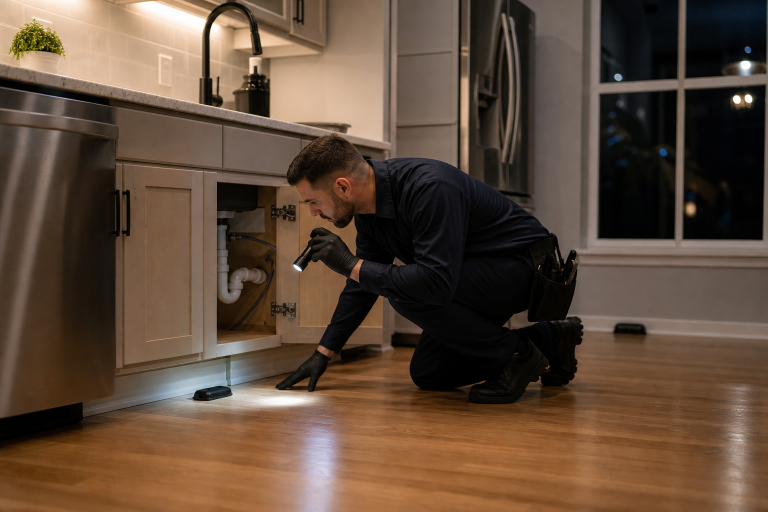
Bring a bright flashlight and your phone for photos. Open the attic access slowly and pause before entering. Listen first. Then scan the perimeter, the underside of the roof sheathing, the tops of insulation runs, and the areas around vents, chimneys, plumbing stacks, and electrical penetrations.
According to the University of Minnesota Extension, mice commonly use hidden routes along walls and openings around utility lines, and inspection should focus on those protected travel paths. In practical terms, that means you should not spend most of your time looking at the middle of the attic floor. The edges and penetrations usually tell you more.
Do not step between joists unless there is a proper floored surface. Do not move large amounts of insulation around to keep searching. If you need to push aside a small amount to confirm whether droppings or nesting are present, do it minimally and back out once you have enough evidence.
Where attic evidence tends to show up first
Roof and wall intersections are common places to start. So are the areas around gable vents, soffit lines, pipe penetrations, recessed light housings, and attic hatches. If you have stored boxes, inspect behind and beneath them rather than just on top.
Chewed cardboard and shredded insulation near a corner often point to nesting. Droppings lined up along a beam often point to a travel route. Those patterns help a pest professional decide where exclusion work should start.
If moisture is also present, attic conditions can support broader pest problems, not just rodents. Abodence covers related warning signs in attic moisture problems.
How do you check a crawl space for rodents without making the problem worse?
The best crawl space inspection is a limited visual check from the access point and along the perimeter, with no handling of droppings, nests, or damaged insulation.
Crawl spaces create two issues at once. Visibility is poor, and entry points are often low on the structure where pipes, vents, and utility lines pass through. Start at the access opening and scan the ground, piers, foundation walls, and the underside of subfloor insulation. Then follow the perimeter slowly with your light.
According to Clemson Cooperative Extension rats and mice often use structural gaps, cluttered areas, and available shelter to establish activity indoors and under homes. That is why a crawl space with torn ground cover, fallen insulation, cardboard storage, or standing water deserves a closer look than a clean, sealed one.
Look for droppings near foundation vents, around plumbing penetrations, and beside ductwork supports. Also check whether insulation has been pulled down or packed into a cavity. That can be a nesting sign, though it can also happen from moisture or fastening failure, so photos help sort out what is actually going on.
What should you avoid during a rodent inspection?
The main things to avoid are sweeping droppings, touching nests, cornering a live animal, and turning a simple inspection into cleanup without the right controls.
The CDC advises against sweeping or vacuuming rodent droppings and nesting materials because that can stir contaminated particles into the air. Inspection is observation. Cleanup is a separate job with different safety steps.
That distinction matters because many homeowners go up to “just look,” then start moving debris around once they find evidence. If you confirm likely rodent activity, the next decision is whether you are dealing with a small, isolated issue or a larger sanitation and exclusion problem.
- Do not sweep or shop-vac dry droppings.
- Do not pick up nesting material with bare hands.
- Do not crawl deeper into a cramped area to chase sounds.
- Do not spray random chemicals into vents, insulation, or wall openings.
- Do not assume every scratching noise is a mouse or rat.
If the signs point to a broader infestation, a licensed pest control company may need to coordinate exclusion, trapping, and cleanup. If the animal may be raccoon, squirrel, or bat activity, the right call may be wildlife control instead.
How can you tell whether the signs are old or active?
Fresh evidence usually looks darker, cleaner-edged, and more concentrated along active travel routes, while older evidence tends to look dull, dusty, or scattered without a clear pattern.
This is one area where certainty is limited, so it helps to avoid overreading a single clue. New gnawing often exposes lighter material beneath a surface. Fresh nesting material can look recently torn and loosely gathered. Repeated noises over several nights also support the idea that activity is current rather than historical.
What you are really looking for is a pattern. If droppings, gnawing, and odor all show up in the same part of the attic or crawl space, that is stronger evidence than one old pellet found near the access hatch.
A simple way to document this is with timestamped photos. If a professional visits later, those images can help show whether the issue appears active and where the first signs were concentrated.
Where do rodents usually get into attics and crawl spaces?
Most entry points are small gaps around rooflines, vents, utility penetrations, doors, and foundation openings rather than dramatic holes you can spot from the yard.
Per the EPA, mice can fit through openings about the size of a dime, and rats can fit through openings about the size of a half dollar. That is why a home can have rodent activity even when there is no obvious break or missing panel from the outside.
On the attic side, likely access points include roof edges, soffits, gable vents, attic fans, and gaps where lines pass upward through the home. On the crawl space side, likely access points include vent screens, plumbing penetrations, utility chases, door thresholds, and cracks or gaps where different materials meet.
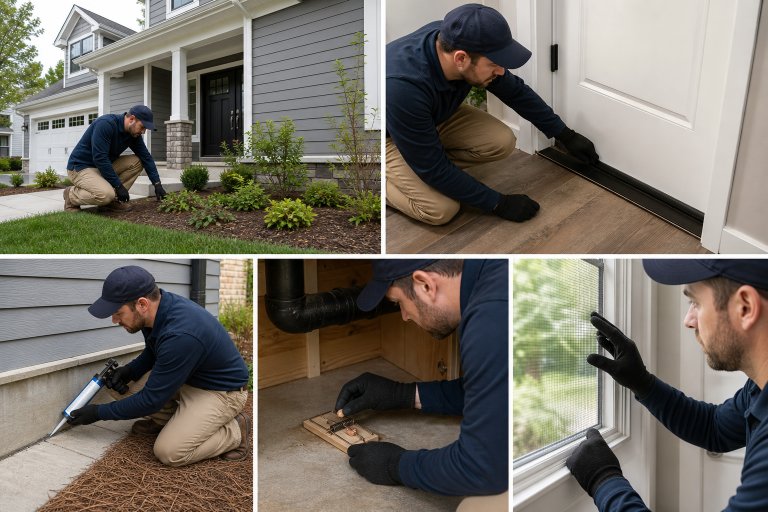
If your inspection confirms likely activity, it helps to pair the interior signs with an exterior walkaround on the same day. You are looking for daylight through gaps, bent screens, chew damage, or openings around pipes and cables.
Sealing matters, but the material and method matter too. Temporary stuffing alone often fails. If you want a broader prevention plan after inspection, Abodence also covers related strategy in eco-friendly pest control.
When should you call a professional instead of checking further yourself?
Professional help makes sense when evidence is heavy, the space is unsafe to enter, the animal may be wildlife, or you need exclusion and cleanup rather than simple confirmation.
Large piles of droppings, strong odor, damaged insulation, visible chewing on wires, or repeated noise after earlier trapping attempts all point beyond a basic homeowner inspection. The same is true if the crawl space is too tight to move through safely or the attic lacks stable footing.
Public guidance from the CDC and EPA supports a cautious line here. Observation is reasonable. Disturbing contaminated material or entering unsafe spaces is not. If you are deciding between buying more traps and paying for a full service visit, the better use of money is often a professional inspection that identifies entry points and scope before you buy products that may not solve the actual problem.
Watch for vague quotes. A useful inspection report should identify where activity was found, what type of evidence was present, what exclusion work is proposed, and whether cleanup is part of the scope or a separate service.
What should a homeowner document during a rodent inspection?
The most useful record is a short photo log that shows where signs were found, how much evidence was present, and which openings or damaged areas may be connected to it.
You do not need a formal report. A phone note and a dozen clear photos are usually enough. Record the date, whether the space was attic or crawl space, what sign you saw, and the nearest feature such as a vent, pipe, beam, hatch, or duct.
This helps in three ways. First, it keeps you from forgetting where the strongest evidence was. Second, it gives a pest company something concrete to review. Third, it helps you tell whether activity changes after exclusion or trapping work.
- Photo of droppings with a nearby fixed reference point
- Photo of gnawing or damaged material
- Photo of suspected entry gap from inside or outside
- Note on odor, noise timing, or repeated movement
- Note on any safety issue such as wiring damage or unstable footing
FAQ
Can you check for rodents without going all the way into the attic or crawl space?
Yes, a limited visual check from the access point can reveal enough evidence to justify professional help or a fuller inspection. Droppings, nesting debris, odor, and travel marks often appear near edges and penetrations rather than deep in the space.
Are a few droppings enough to assume you have rodents?
Several pellets in a protected area are enough to take the issue seriously, especially if you also hear noise or find gnawing. One isolated dropping can be old, so it is better to look for a pattern before deciding how active the problem is.
Should you clean droppings as soon as you find them?
No, the safer move is to stop after confirming likely activity and plan cleanup separately. The CDC advises against sweeping or vacuuming droppings and nesting materials because that can stir particles into the air.
Do attic noises always mean mice or rats?
No, repeating sounds overhead can also come from squirrels, birds, or other wildlife. The size of the noise, the time of day, and the type of entry point can help a professional narrow that down.
Is a rodent inspection mainly about finding the animal?
No, the more useful result is finding evidence and likely entry points. Control usually works better when the route in is identified, because trapping alone does not solve a structural access problem.
If you have signs of activity but the scope is unclear, getting a professional inspection and a written exclusion plan is the practical next step. For a free, no-obligation discussion please call a listed specialist.
Sources: University of Minnesota Extension, Clemson Cooperative Extension