Pest Control Cost: Smart 2026 Guide to Infestation Identification and Pricing
Pest control cost in 2026 typically ranges from about $150 to $450 for a general one-time residential treatment, while recurring service often runs about $40 to $80 per month, according to Angi 2025 cost data and HomeAdvisor 2025 pricing summaries. This is an estimate, not a quote.
If you are trying to budget for service, the biggest pricing factor is usually infestation identification, because ants, rodents, cockroaches, termites, bed bugs, mosquitoes, and stinging insects are not priced the same way and are not treated the same way. Accurate identification affects the visit length, treatment category, number of follow-ups, and whether exclusion work or monitoring is needed.
This guide explains what homeowners can realistically expect to pay, what changes the price, and how to identify the kind of infestation that usually leads to higher or lower costs. For broader seasonal risk context, see mosquito and tick season risks. You can also browse the full pest control category for related topics.
How much does pest control cost in 2026?
Pest control cost in 2026 usually falls between $150 and $450 for a standard one-time visit, but specialized infestations can run from roughly $300 to several thousand dollars depending on the pest, according to Angi 2025 and HomeAdvisor 2025 cost guides. This is an estimate, not a quote.
That broad range exists because pest control is not one service. A light ant issue in a kitchen is very different from a rodent problem in an attic, and both are very different from bed bugs or termites. Industry cost guides from Angi and HomeAdvisor consistently show that routine general pest service is far less expensive than structural wood-destroying insect treatment or whole-home bed bug work.
Common 2025 to 2026 homeowner budgeting ranges seen across major cost guides include:
- General pest treatment: about $150 to $450 per visit
- Quarterly pest plans: about $100 to $300 per visit, or about $400 to $1,200 annually
- Monthly recurring service: about $40 to $80 per month
- Rodent control: often about $150 to $500 for basic treatment, more if exclusion or cleanup is involved
- Bed bug treatment: often about $300 to $1,500 or more, depending on room count and treatment type
- Termite treatment: often several hundred to several thousand dollars, depending on method and structure size
Those are planning numbers only. Local labor rates, home size, infestation severity, and follow-up schedules can move the final price significantly.
Why does infestation identification change pest control cost so much?
Infestation identification changes pest control cost because the pest species determines the treatment category, labor time, monitoring needs, and whether repeat visits are standard practice.
For example, according to the U.S. Environmental Protection Agency, integrated pest management starts with identifying the pest correctly before choosing a control method. That matters for cost because a company may price a service very differently if the issue is nuisance ants versus carpenter ants, or house mice versus rats, or occasional invaders versus an established indoor breeding infestation.
Low to moderate cost identification scenarios
Problems that are often less expensive include seasonal ants, spiders, silverfish, or occasional perimeter invaders, especially when the infestation is caught early and the treatment area is limited. These issues are commonly handled within a routine general pest service model.
Moderate to high cost identification scenarios
Rodents, cockroaches, fleas, and stinging insects often cost more because they may require repeat visits, monitoring devices, nest location work, or recommendations for sanitation and exclusion.
Highest cost identification scenarios
Termites and bed bugs are often among the most expensive categories because they can require specialized inspection, room-by-room treatment planning, and multiple service stages. According to the National Pest Management Association, termites cause billions of dollars in property damage each year in the United States, which is why treatment and inspection standards tend to be more involved than for routine pests.
What are the most common signs that help identify an infestation?
The most useful infestation identification signs are droppings, shed skins, damage patterns, nesting material, live sightings, and where in the home the activity appears.
Homeowners do not need to diagnose the exact species on their own, but recognizing the pattern can help you ask better questions and get a more accurate estimate.
Ants
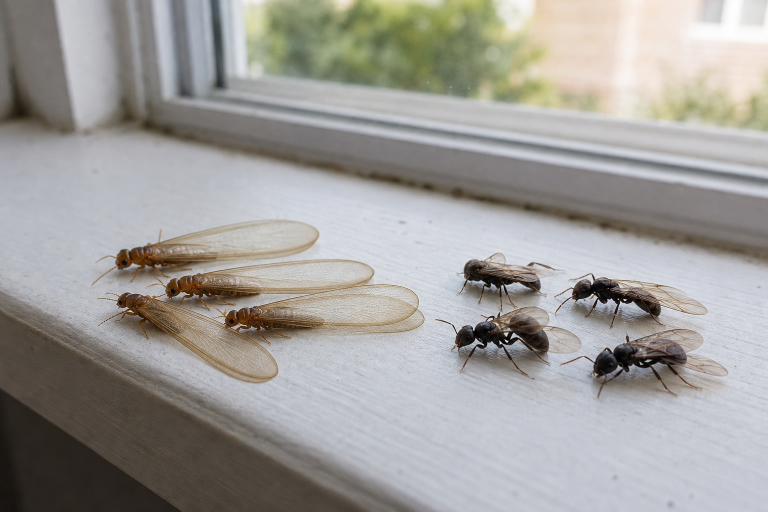
Ant infestations often show up as visible trails, especially near kitchens, sinks, pet food, or entry points. A licensed professional may want to know whether the ants are consistently indoors, whether they are winged, and whether there is any wood-related activity. Carpenter ants hollow out wood to nest, while termites consume wood, and the distinction matters for both treatment and pricing.
Rodents
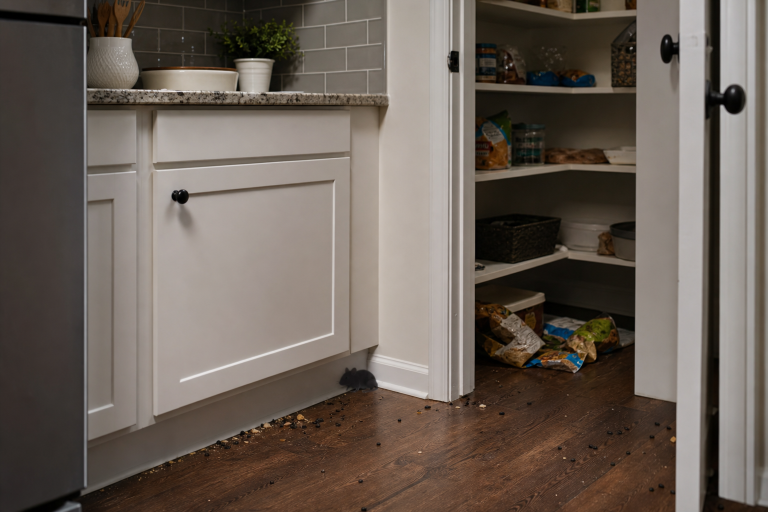
Rodent infestations often involve droppings, gnaw marks, scratching sounds in walls or ceilings, grease marks along edges, or shredded nesting material. According to the Centers for Disease Control and Prevention, rodents can contaminate food and surfaces, so cleanup and exclusion recommendations may be part of the service scope.
Cockroaches
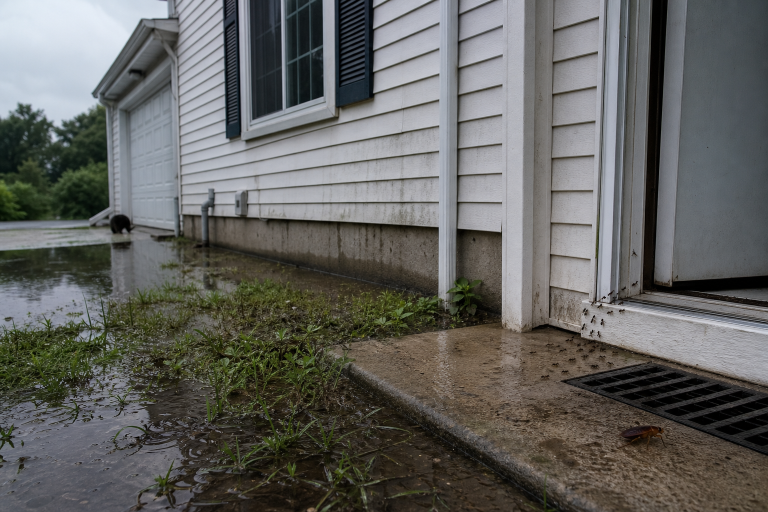
Cockroach activity often includes droppings that resemble pepper or coffee grounds, musty odor, egg cases, and sightings around kitchens, bathrooms, utility rooms, or warm appliance areas. Heavy infestations generally require more follow-up than light activity.
Termites
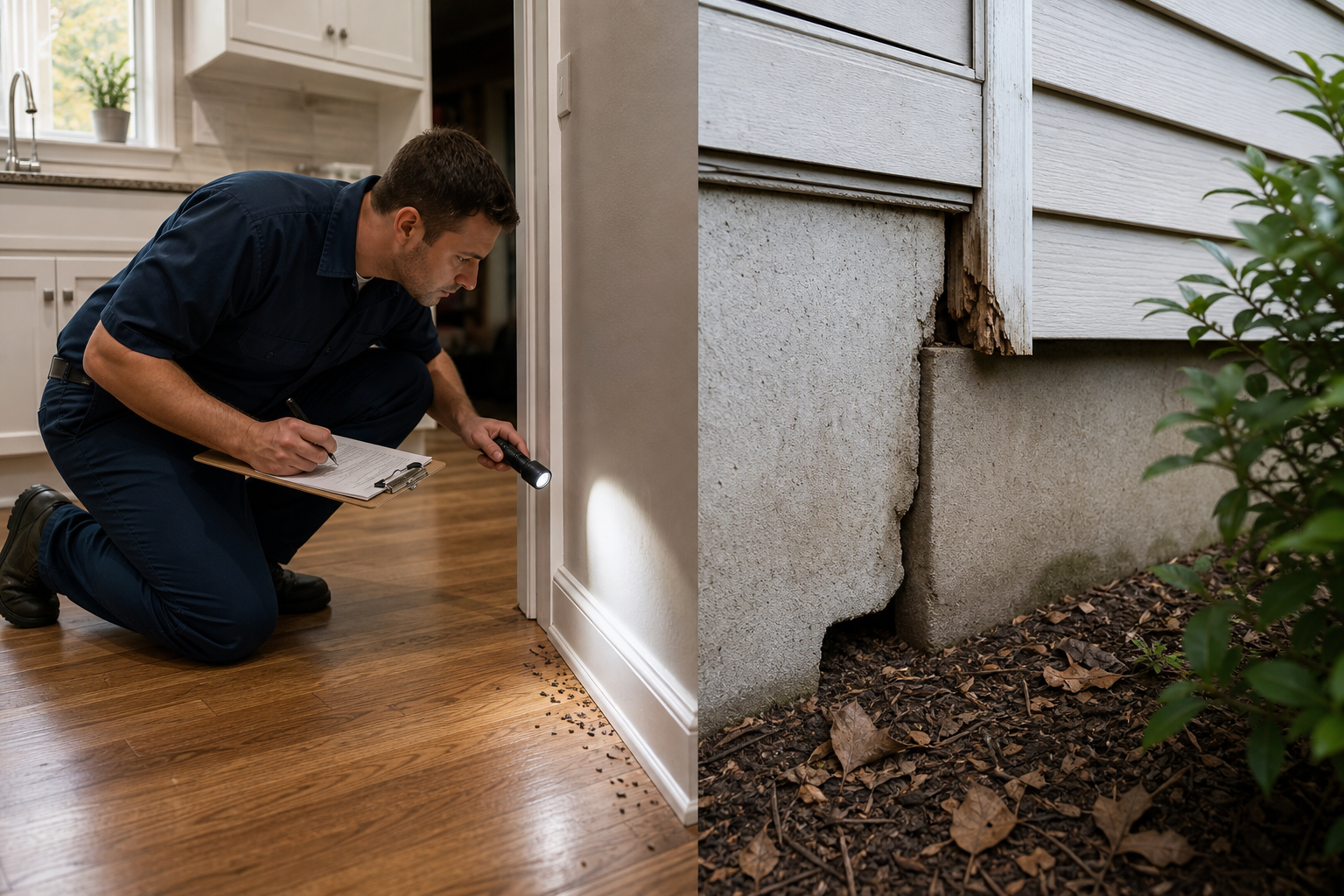
Termite signs can include mud tubes, discarded wings, blistered-looking wood, or hollow-sounding wood. According to the EPA, proper termite identification is essential because treatment methods are specific and should be handled by trained professionals.
Bed bugs
Bed bug signs often include small rust-colored stains on bedding, shed skins, eggs, and bites that prompt suspicion, although bite patterns alone are not a reliable identification method. Because this category can spread quickly through rooms and soft furnishings, pricing often depends on the number of affected spaces.
What factors raise or lower pest control pricing?
The main factors that raise or lower pest control pricing are pest type, infestation severity, home size, visit frequency, and whether exclusion or specialized inspection is included.
Here is how those variables usually affect the bill:
- Pest type: General pests usually cost less than rodents, termites, or bed bugs.
- Severity: A few ants at one entry point cost less to address than widespread indoor nesting or repeated rodent activity.
- Square footage: Larger homes often require more inspection time and more treatment area.
- Access difficulty: Crawl spaces, attics, detached structures, and multi-level treatment areas can increase labor time.
- Follow-up visits: Some infestations are priced as a program, not a single visit.
- Exclusion work: Sealing entry points, screening vents, or repairing access gaps may be billed separately from treatment.
- Regional labor rates: Metro markets often price higher than smaller local markets.
It is also common for companies to separate inspection fees from treatment fees for termites or bed bugs, especially when a detailed written plan is needed.
How can homeowners tell whether they need routine service or specialized treatment?
Homeowners usually need routine service for occasional ants, spiders, or perimeter pests, while repeated sightings, structural damage signs, or pests that reproduce indoors often point to specialized treatment.
A practical way to think about it is frequency plus consequence. If the issue is occasional and limited, routine service may be enough. If the issue is persistent, spreading, or linked to wood damage, nesting, or contamination, the service scope often becomes more specialized and more expensive.
Situations that commonly justify a more detailed inspection include:
- Repeated rodent sightings after prior treatment
- Evidence of wood damage or swarmers
- Cockroach activity in multiple rooms
- Bed bug signs in bedrooms or upholstered furniture
- Stinging insect activity in wall voids, eaves, or attic spaces
What should you ask when getting a pest control estimate?
You should ask what pest was identified, what service is included, how many visits are expected, and whether the estimate includes monitoring, exclusion, or follow-up.
Good estimate questions include:
- What pest are you identifying, and what signs support that identification?
- Is this a one-time service or a treatment program?
- How many follow-up visits are typically included?
- Are inspection, treatment, and exclusion priced separately?
- What prep, if any, is required from the homeowner?
- Are attics, crawl spaces, garages, and exterior areas included?
- What conditions could change the final price after inspection?
For households with children or pets, the EPA advises consumers to ask questions and review product label directions with the applicator rather than assuming a standard timeline or procedure applies to every treatment. That is especially important when the infestation involves indoor living areas.
What can homeowners do safely before the appointment?
Homeowners can safely reduce pest pressure before the appointment by improving sanitation, removing clutter, sealing food, and noting where activity is happening, but they should leave treatment specifics to a licensed professional.
Safe, practical steps include:
- Store pantry items and pet food in sealed containers
- Fix obvious moisture sources such as leaks under sinks
- Reduce cardboard and clutter in storage areas
- Trim back vegetation touching the home exterior
- Document where pests were seen and at what time of day
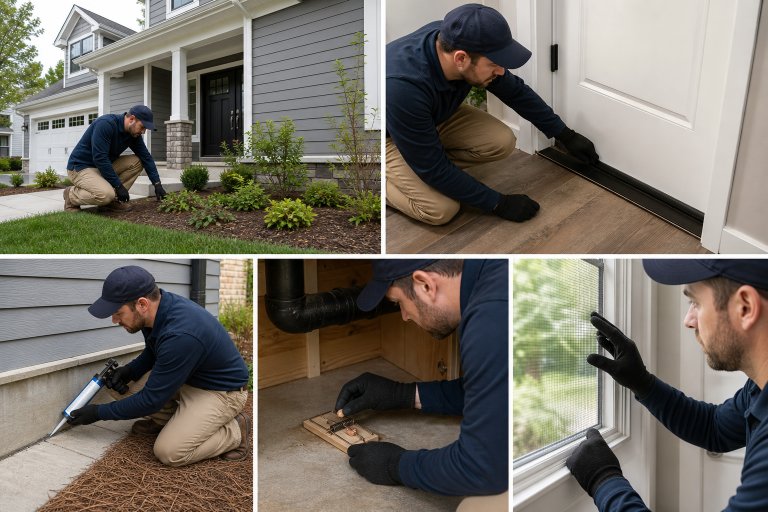
- Seal simple non-structural gaps around doors if appropriate
These steps can support infestation identification and may improve treatment effectiveness, but they do not replace a professional assessment when the issue is established or recurring.
Is pest control worth the cost when the infestation seems minor?
Pest control is often worth the cost when a minor infestation is recurring, because early identification and targeted treatment can be less expensive than waiting for a larger problem to develop.
This is especially true for pests that reproduce indoors or hide in wall voids, attics, crawl spaces, and soft furnishings. A small visible issue can be only part of the total activity. The EPA and CDC both emphasize identification and prevention as core parts of effective pest management, which is one reason professional inspections can provide value even before a problem looks severe.
The key is matching the service to the actual pest. Paying for routine treatment when the problem is really rodents or termites can delay the right solution. Paying for specialized service when the issue is only occasional perimeter insects can be more than you need. That is why infestation identification is the pricing pivot.
FAQ
How much does a pest inspection cost?
A pest inspection can be free with some companies or separately billed, while specialized inspections for termites or bed bugs may carry a fee, depending on the provider and market. Ask whether the inspection charge is credited toward treatment if you move forward.
What pest is usually the most expensive to treat?
Termites and bed bugs are often among the most expensive pests to treat because they usually require specialized inspection, more labor, and multiple treatment stages. Final pricing depends on home size and how widespread the infestation is.
Does recurring pest service cost less than one-time service?
Recurring pest service often lowers the per-visit cost compared with repeated one-time calls, but the total annual spend may be higher because you are paying for ongoing prevention and monitoring. It makes the most sense when the property has repeat seasonal or perimeter pest pressure.
Can I get an accurate quote over the phone?
A phone estimate can give you a budget range, but an accurate quote usually requires inspection because infestation identification, access conditions, and severity affect the final price. This is an estimate, not a quote.
What information should I give a pest control company?
You should give the company the pest signs you have seen, where and when you noticed them, how long the issue has been happening, and whether there have been prior treatments. Photos of droppings, damage, trails, or nesting material can also help with initial screening.
If you want help narrowing down the likely infestation and getting a more exact price for your home, a licensed pest control professional can assess the signs and provide a written estimate based on the actual conditions on site.
Sources: Angi, HomeAdvisor, National Pest Management Association