Will a hurricane wash away my pest barrier?
A hurricane can disrupt a pest barrier, but it does not automatically erase every treatment around your home. The answer depends on what was applied, where it was placed, how the property drained, and whether wind, runoff, flooding, or erosion physically moved the treated material or bait stations.
Think of “pest barrier” as a broad term rather than one product. A sprayed exterior insecticide on siding has different exposure than a liquid termiticide placed in soil, and both differ from underground termite bait stations. After a storm, the useful question is whether the treatment area stayed in place, remains effective and is accessible for inspection.
Can hurricane rain wash away an exterior pest treatment?
Heavy rain can reduce or redistribute some exterior treatments, especially where runoff crosses the foundation, but it does not reliably strip every pesticide application from every surface. The U.S. Environmental Protection Agency explains that a pesticide label provides the legally enforceable directions for using that product, including application locations, timing, and precautions. EPA pesticide-label guidance is the starting point because the label, rather than a general rule about rain, controls whether and how a treatment should be applied or renewed.
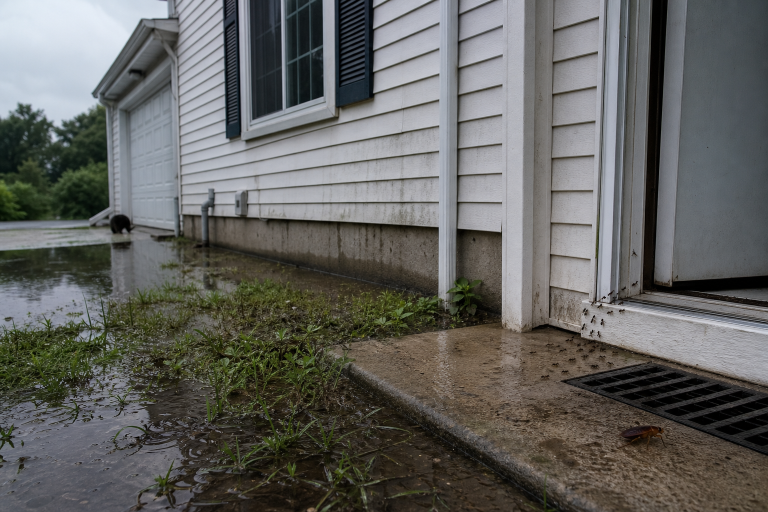
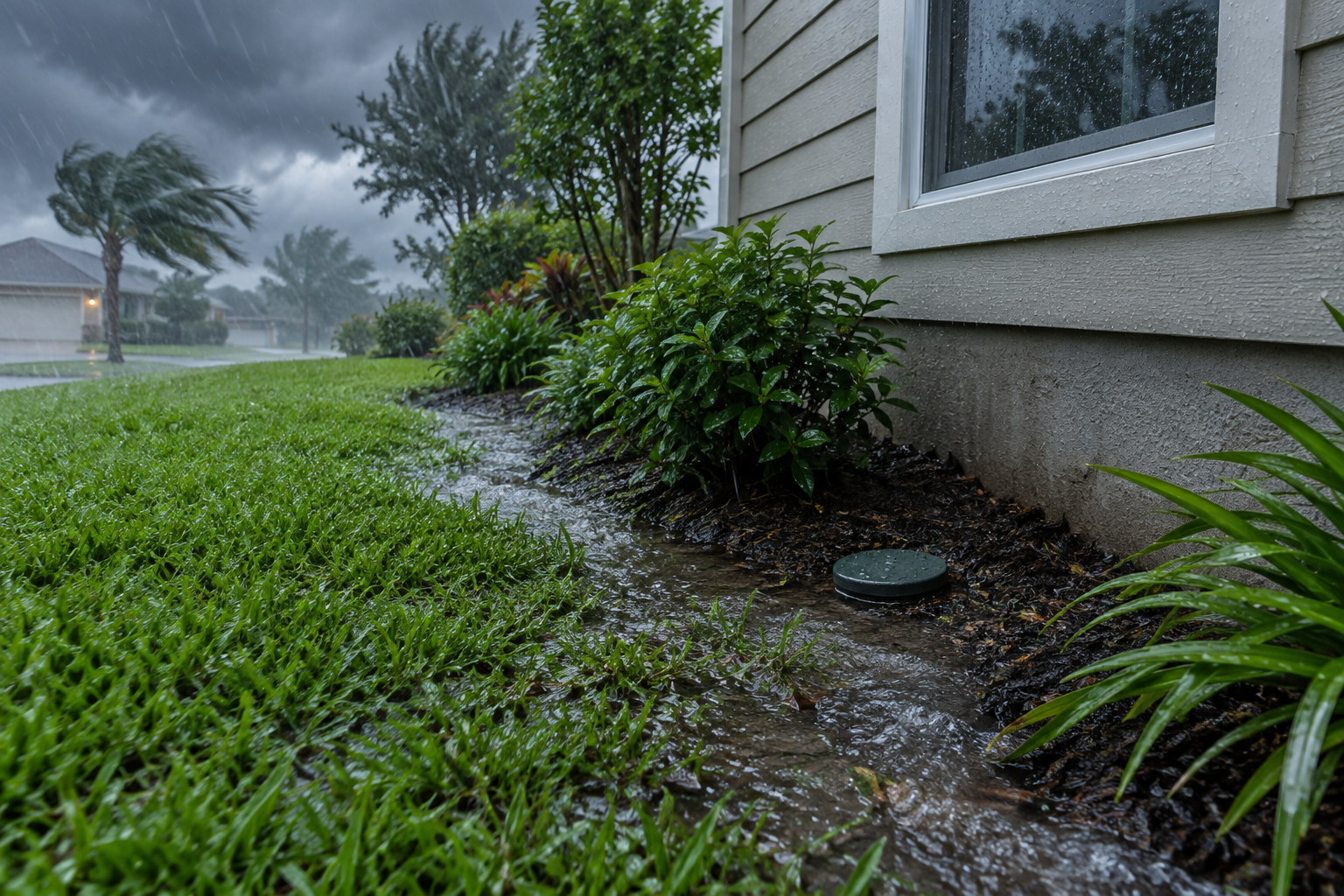
Rain reaching an exterior wall is not the same as water scouring the ground beside it. Product placed on protected vertical surfaces may receive less direct runoff than a treatment line in loose mulch, bare soil, or a low spot where roof runoff concentrates. A hurricane adds wind-driven rain, overflowing gutters, standing water, and moving debris, so the property conditions matter as much as the rainfall total.
Water flow is the concern to focus on. If a downspout discharged beside the foundation, mulch washed into a bed, or soil moved away from the house, the original treatment zone may have been disturbed. A treatment company can determine whether the label permits a targeted follow-up application. Adding product yourself, or asking for a blanket respray without identifying the affected area, can create unnecessary exposure and may conflict with label directions.
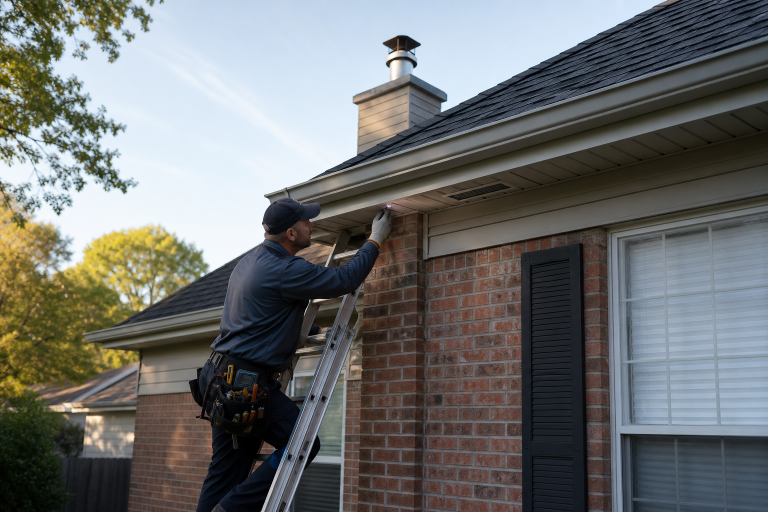
For general exterior pests such as ants, roaches, and spiders, a storm can also change the pressure around the house even when the prior treatment remains partly intact. Saturated ground, fallen vegetation, gaps around utility lines, and debris against siding can create new routes or harborage near the structure. Removing storm debris and correcting obvious drainage problems may be more useful than paying for a whole-property treatment that does not address the route pests are using.
Does flooding damage a liquid termite barrier?
Flooding and soil erosion deserve a professional inspection because a soil-applied termite treatment works in a defined treatment zone, and moving soil can interrupt that zone. BASF’s published Termidor SC product label directs applicators not to treat water-saturated or frozen soil and not to apply the product in a way that allows runoff. Those restrictions show why post-storm conditions are not a suitable setting for guesswork or immediate reapplication.
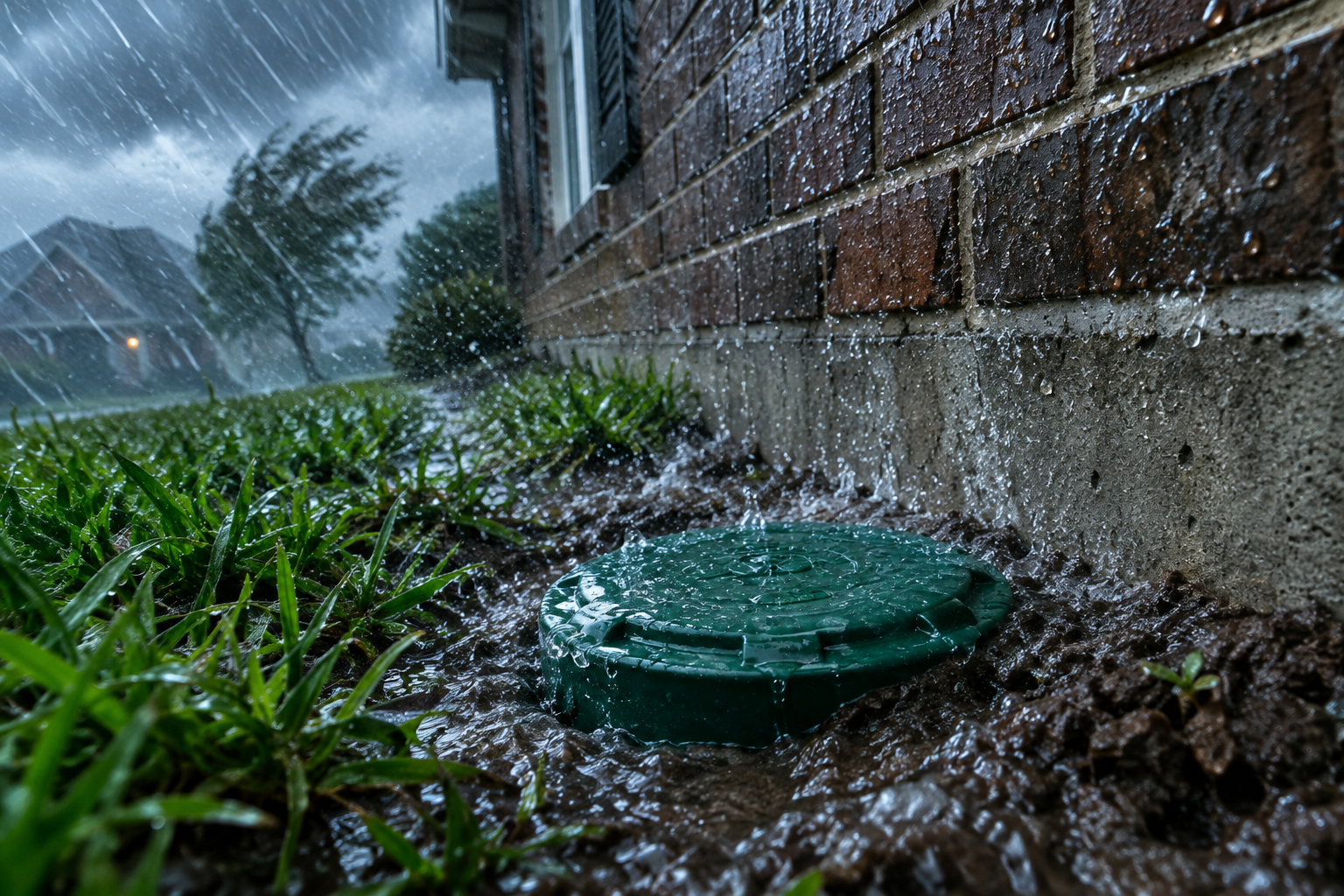
A liquid termite barrier is typically placed in soil next to structural elements or around the perimeter according to the product label and the treatment plan. It is not a painted waterproof ring around the house. Rain that soaks stable, well-drained soil does not necessarily mean the treated zone has failed. By contrast, visible erosion, washouts, excavated areas, major landscaping changes, and floodwater moving through the perimeter are concrete reasons to have the original provider review the coverage.
Keep the paperwork from the original treatment. It should identify the product, the treated areas, the service date, and the warranty or retreatment terms. That record lets the provider compare the present site with the original scope instead of treating the home as an unknown property. Vague promises that a treatment is “stormproof” are not a substitute for written coverage details and a documented inspection.
If floodwater entered a crawlspace, rose above exterior treatment areas, or left sediment against the foundation, ask the pest professional whether the termite plan needs a post-flood inspection. Do not dig alongside the foundation to look for treated soil. Disturbing the soil can complicate the inspection and, near a structure, can create drainage or foundation concerns unrelated to pest control.
Will hurricane weather wash away termite bait stations?
Properly installed bait stations are more likely to be displaced by erosion, debris, or physical damage than simply dissolved by rain. Look for an exposed cap, a tilted bait station, a missing station location, fresh washout, or standing water that has reshaped the landscape. Make a note of what you see and report it to the service provider. Avoid opening stations, moving them, or pressing soil over a cap. The provider needs to verify placement, station condition, and the monitoring schedule under the product label.
A station that remains visible and level is not proof that every part of the termite protection program is unchanged. It is only one piece of the system. The relevant review includes whether the station grid remains where it was mapped, whether access is possible, and whether storm cleanup or repairs will disturb the perimeter later.
What should you check after the storm has passed?
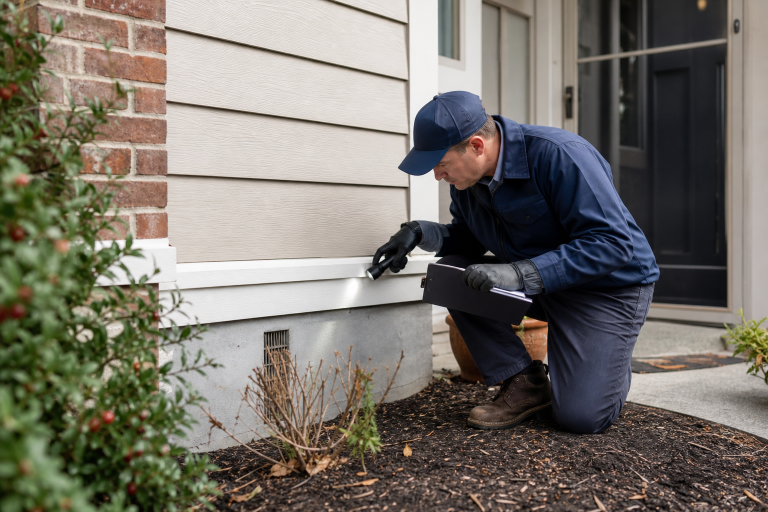
Start with visible changes to the perimeter, drainage, and treated areas, then arrange a targeted review if the storm altered them. You do not need to identify a pesticide product or judge its remaining potency. Photos and a clear description of the site changes give a licensed pest professional better information than a broad request to “spray again.”
- Photograph washed-out soil, displaced mulch, damaged edging, fallen limbs, and debris touching the house.
- Note where roof runoff, overflowing gutters, or standing water reached the foundation.
- Check whether any visible bait-station caps are exposed, missing, cracked, or buried under debris.
- Record cleanup, grading, trenching, siding repair, or foundation work planned after the storm, because those projects can disturb treatment areas.
- Locate your service agreement, treatment diagram, recent inspection report, and product information before calling the provider.
Do not treat an outdoor pesticide as harmless because it has been rained on. The EPA directs users to follow the product label, including directions related to runoff and application conditions. If a container was damaged by floodwater or is no longer readable, keep people and pets away from it and contact the local solid-waste or household hazardous-waste program for disposal guidance rather than attempting to use it.
When is a new treatment actually warranted?
A replacement or supplemental treatment is warranted only when the provider finds that storm damage or later work has interrupted the original protection plan. Consider a documented condition, such as a washed-out perimeter area, moved bait stations, an inaccessible station line, or soil removed for repair work, rather than the fact that a hurricane brought rain.
Ask for the finding in writing. A clear service report should identify the affected location, explain why it needs attention, name the proposed product or bait-system action, and state whether the work is covered by an existing agreement. This narrows the job to the disturbed area when that is all the evidence supports. A full retreatment may be appropriate in some cases, but it should have a stated reason rather than being presented as the automatic answer after every storm.
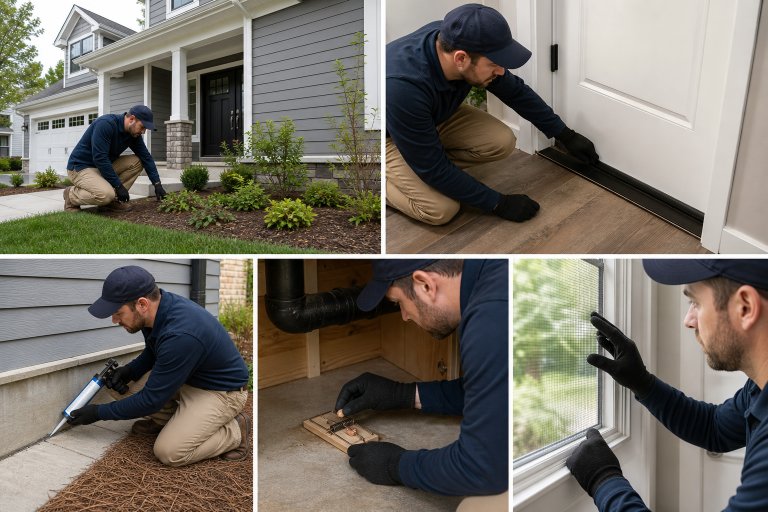
Storm damage can expose other conditions that influence pest entry. Wet wood, siding damage, open utility penetrations, and drainage problems may need a building repair before more pesticide is useful. For a wider look at choosing lower-impact approaches where they fit the pest and the site, read whether eco-friendly pest control works as well as conventional treatment.
How can you protect the treatment area before the next hurricane?
Stable drainage and clear access give a pest-control plan a better chance of remaining effective after severe weather. Keep gutters and downspouts maintained so roof water does not repeatedly discharge at the foundation.
Before landscaping, fence work, a patio project, or excavation near the foundation, share the existing termite plan with the contractor and pest provider. Soil movement can affect a liquid treatment zone, and equipment can damage or cover bait stations. Coordinating the work beforehand is usually simpler than trying to reconstruct station locations or treatment boundaries afterward.
Use the original company’s scheduled inspections rather than treating a hurricane as a reason to apply more pesticide on a fixed calendar. Households with children or pets should also review the product-specific precautions and access limits with the provider. Pest-control safety considerations for parents and pet owners can help frame those questions before any follow-up service.
FAQ
Should I schedule pest control immediately after a hurricane?
A prompt inspection is sensible when you can see washouts, flooding, damaged bait stations, or major landscape disturbance. If the perimeter remained stable and there is no evidence of disruption, contact the company that holds the service agreement and ask whether its normal inspection schedule is sufficient.
How long should I wait to have an exterior treatment reapplied?
Wait until the ground and affected surfaces can be evaluated under the product label and the provider’s treatment plan. Water-saturated soil and active runoff are poor conditions for application, and the correct timing depends on drainage, the product label, and the specific area that was disturbed.
Can I move a termite bait station that is sticking out of the ground?
No, leave the station where it is and contact the service provider. Moving it can interfere with the mapped station layout and prevents the provider from assessing whether erosion, rather than ordinary settling, changed the installation.
Does a hurricane void a termite warranty?
It depends on the written agreement and the type of storm damage. Review the warranty or service plan for inspection requirements, exclusions, retreatment terms, and any notice requirement after flooding or construction, then ask the issuing company to explain how the documented site condition affects coverage.
If storm runoff, flooding, or landscape damage changed your home’s perimeter, ask the provider for a written post-storm pest-barrier assessment and a scope limited to what the inspection actually finds. For additional questions or help with your property, please call a listed specialist for a free, no-obligation discussion.
Sources: BASF, Termidor SC product label; Corteva Agriscience, Sentricon Always Active System product label.