Water Damage: Critical Actions for the First 24 Hours
A wet ceiling stain, water under a baseboard, or a bathroom wall that suddenly feels soft can mean water is still moving where you cannot see it. The first day is about controlling the source, keeping clear of electrical risks, recording the loss, and getting the right drying help. You do not need to tear open walls on your own to take useful action.
What should you do first after finding water damage?
Stop more water from entering if you can do so safely, then keep people away from any area near outlets, cords, or electrical equipment. A supply-line leak under a sink may stop at the local shutoff valve. If water is coming through a ceiling, from an unknown pipe, or near a breaker panel, call a licensed plumber or electrician rather than trying to trace it yourself.
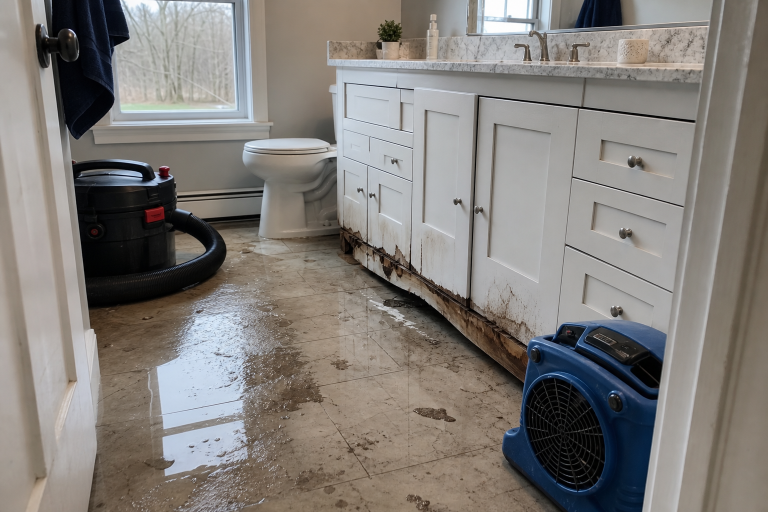
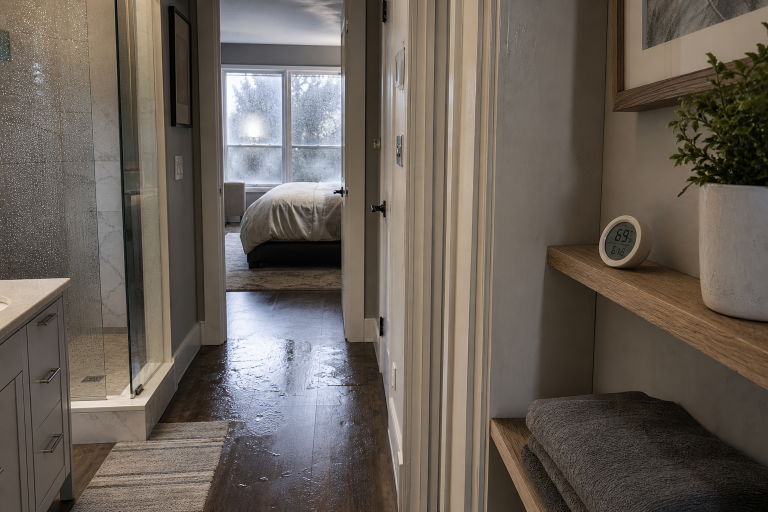
Water can travel farther than the visible puddle. It may follow a framing member, pool beneath flooring, or collect inside a wall cavity. A brown ring on drywall is one clue. A bulging ceiling or a wet carpet edge several feet from the apparent source is another.
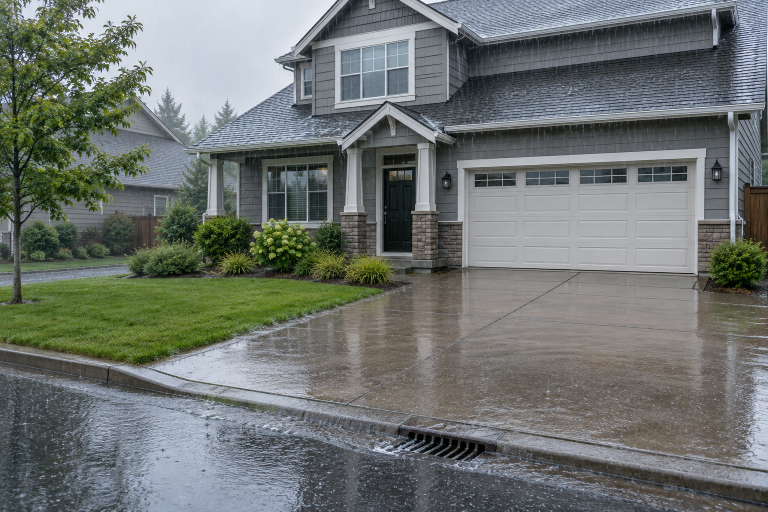
If the water came from a backed-up drain, toilet overflow, or outdoor flooding, treat it as contaminated. Keep children and pets out of that space, avoid handling soaked belongings, and call a qualified water-damage company promptly. FEMA advises avoiding floodwater and having damaged electrical systems checked before use after a flood event, according to its What to Do After a Flood guidance.
- Shut off the fixture valve or the main water supply only when you can reach it without entering a wet electrical area.
- Take wide photos of each room, then close photos of wet flooring, walls, contents, and the suspected source.
Do not run a household vacuum over standing water. Do not touch switches, plug in fans, or reset breakers in a wet area. Call an electrician immediately if water reached outlets, a panel, or wired equipment.
How much can water-damage work cost?
Angi’s 2025 Water Damage Restoration Cost Guide puts typical restoration costs at $1,361 to $6,191, with the final total changing sharply with the water source, affected materials, and drying time. That range covers restoration work, not every possible plumbing repair or a full remodel after a major loss.
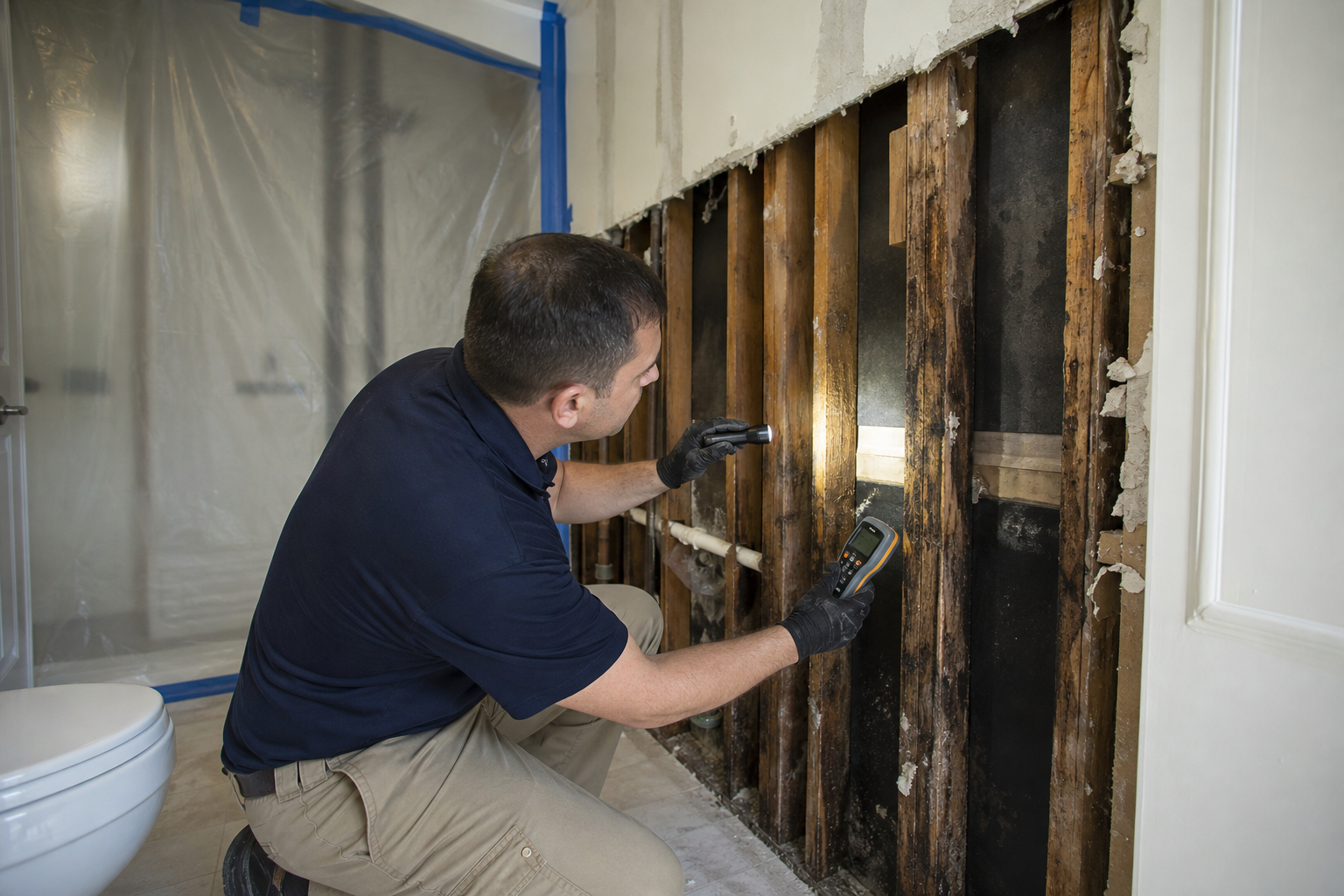
A small clean-water leak caught quickly may need source repair, moisture checks, and limited drying. Water trapped behind a tiled shower wall or beneath glued flooring can require removal of finish materials so the structure can dry. An active leak behind a wall can also leave little visible damage at first, which is why moisture readings and a clear written scope matter.
Do not pay for a full-room demolition merely because one wall is wet. If a qualified provider can document that the moisture is limited and the material can dry, targeted removal and drying may be enough. On the other hand, a quote that offers only a few fans without identifying the water source, measuring moisture, or stating what will be monitored is too vague to judge.
Ask whether the estimate separates emergency extraction, drying equipment, material removal, reconstruction, and the repair that stops the leak. Those are different jobs. Separating them makes it easier to compare bids and prevents a drying invoice from quietly becoming an open-ended renovation.
Why does the first 24 hours matter?
Fast drying limits how long building materials remain wet, and the U.S. Environmental Protection Agency says water-damaged areas should be dried within 24 to 48 hours when possible in its A Brief Guide to Mold, Moisture and Your Home. Drywall, carpet padding, insulation, and particleboard cabinetry can hold water out of sight.
Visible water is only part of the problem. Drywall may wick moisture upward from a wet floor. Carpet padding can stay saturated after the carpet surface feels merely damp. Wood trim can hide wet framing behind it, while a vinyl floor may hold water underneath.
That time window is a reason to arrange assessment and drying, not a reason to panic-buy equipment or approve every proposed removal. The provider should explain what is wet, how they found it, and what readings will show that the area has dried. The Institute of Inspection, Cleaning and Restoration Certification publishes the ANSI/IICRC S500 Standard for Professional Water Damage Restoration, a widely used framework for assessing, drying, and documenting water losses.
Keep a simple written timeline. Note when you found the water, when the source was stopped, which rooms were affected, and when a provider arrived. Save photos, receipts, and emails in the same folder. This record helps you track the work and gives your insurer usable information if you decide to file a claim.
What can you safely save while waiting for help?
You can move dry items away from the wet area and protect belongings that are not contaminated, provided the floor is stable and no electrical risk is present. Lift a chair, a lamp, or a storage bin away from the affected floor. Place aluminum foil or plastic blocks under furniture legs only if you can do it without walking through standing water.
Take photographs before discarding possessions. Keep damaged parts, such as a failed supply hose, if they are safe to retain and an insurer may need to inspect them. Do not use a hair dryer, portable heater, or open flame to force-dry a wall or floor.
Porous materials need an honest assessment. EPA guidance distinguishes between hard surfaces that may be cleaned and dried and materials that may need removal when they cannot be dried adequately. Wet insulation and swollen particleboard are often poor candidates for a cosmetic patch because they can lose their shape and keep moisture inside the assembly.
When should you call a plumber, restoration company, or insurer?
Call a plumber when the water source is active or uncertain, call a restoration provider when materials are wet, and contact your insurer when the loss may exceed your deductible or involve significant finishes or belongings. You may need more than one of those calls because stopping the leak and drying the building are often separate services.
An insurance policy can have specific reporting duties and coverage limits. Tell the insurer the facts you know, including the source, discovery time, affected rooms, and steps taken to prevent further damage. Ask how it wants photos, estimates, and damaged materials handled before you authorize large reconstruction work.
Some leaks call for a smaller response. A shower door seal that drips onto tile may only need the seal repaired and the area dried, while a leak behind the shower wall deserves investigation before new caulk hides the evidence. For related warning signs, see this guide to leaking showers and tubs.
Call a restoration company promptly if water has soaked drywall, carpet padding, cabinetry, or more than a small isolated area. Call immediately for sewage, floodwater, a sagging ceiling, or any water near electrical equipment. Do not wait for a surface stain to grow before making that call.
What should you ask a water-damage professional?
A useful quote identifies the source, the wet materials, the drying plan, and the conditions for removing equipment. Ask for answers in writing before approving demolition or reconstruction. A provider who can explain these basics gives you a meaningful way to compare the work.
- What moisture measurements did you take, which materials are wet, and what readings will show they are dry?
- Which items must be removed, which can remain, and does the estimate separate drying from rebuild work?
Also ask who will repair the failed pipe or fixture and whether that repair is included. Restoration firms may coordinate plumbing, but the written scope should make responsibilities clear. If a contractor recommends opening a wall, ask where and why. A small inspection opening may be sensible. Broad demolition without documented moisture findings deserves a second quote.
Water that stays behind finishes can later show up as staining, peeling paint, rot, or a musty odor. Hidden mold and rot behind walls need professional evaluation when signs persist after the original water event.
FAQ
Can you stay in a house with water damage?
You may be able to stay in unaffected, dry areas if there is no electrical danger, sewage, structural concern, or unsafe ceiling condition. Leave the affected area alone and get prompt professional direction when water reached wiring, a ceiling is sagging, or the source was contaminated.
Should you file an insurance claim for a small water leak?
It depends on your deductible, the likely repair cost, and what your policy covers. Document the damage first, then ask your insurer how it wants the loss reported before you authorize expensive work. A small visible leak with limited drying may cost less than your deductible, while hidden damage behind walls can change that calculation.
How do you know whether water is behind a wall?
Soft drywall, peeling paint, a swollen baseboard, or staining that spreads after the source is shut off can point to hidden moisture. A restoration provider can use moisture meters and other inspection tools to determine whether the wall needs drying or selective opening.
Will fans dry a wet wall?
Fans may help dry open, clean-water areas, but they cannot confirm that moisture trapped behind finishes has reached an acceptable level. You need the source stopped and moisture measurements before relying on air movement alone.
If you have water damage now, request a written assessment that identifies the source, wet materials, drying plan, and separate repair costs before approving extensive work. Please call a listed provider for a free, no-obligation discussion.
Sources: Angi, Water Damage Restoration Cost Guide (2025); Institute of Inspection, Cleaning and Restoration Certification, ANSI/IICRC S500 Standard for Professional Water Damage Restoration.