Signs your older security system needs upgrading
An older home security system may still make noise when a door opens, yet no longer provide dependable communication, usable evidence, or secure account access. A few reasons to upgrade are unreliable sensors or control hardware, gaps in entry-point coverage, weak camera evidence, and technology that cannot be maintained safely.
Age alone is not the only factor. A wired alarm panel with reliable sensors and a supported communicator may need only a targeted update, while a newer-looking system tied to a retired network may need prompt replacement. Start by identifying what the system actually does today, how it communicates, and whether its provider still supports every essential part you deem important.
Is the system still able to communicate with the monitoring service?
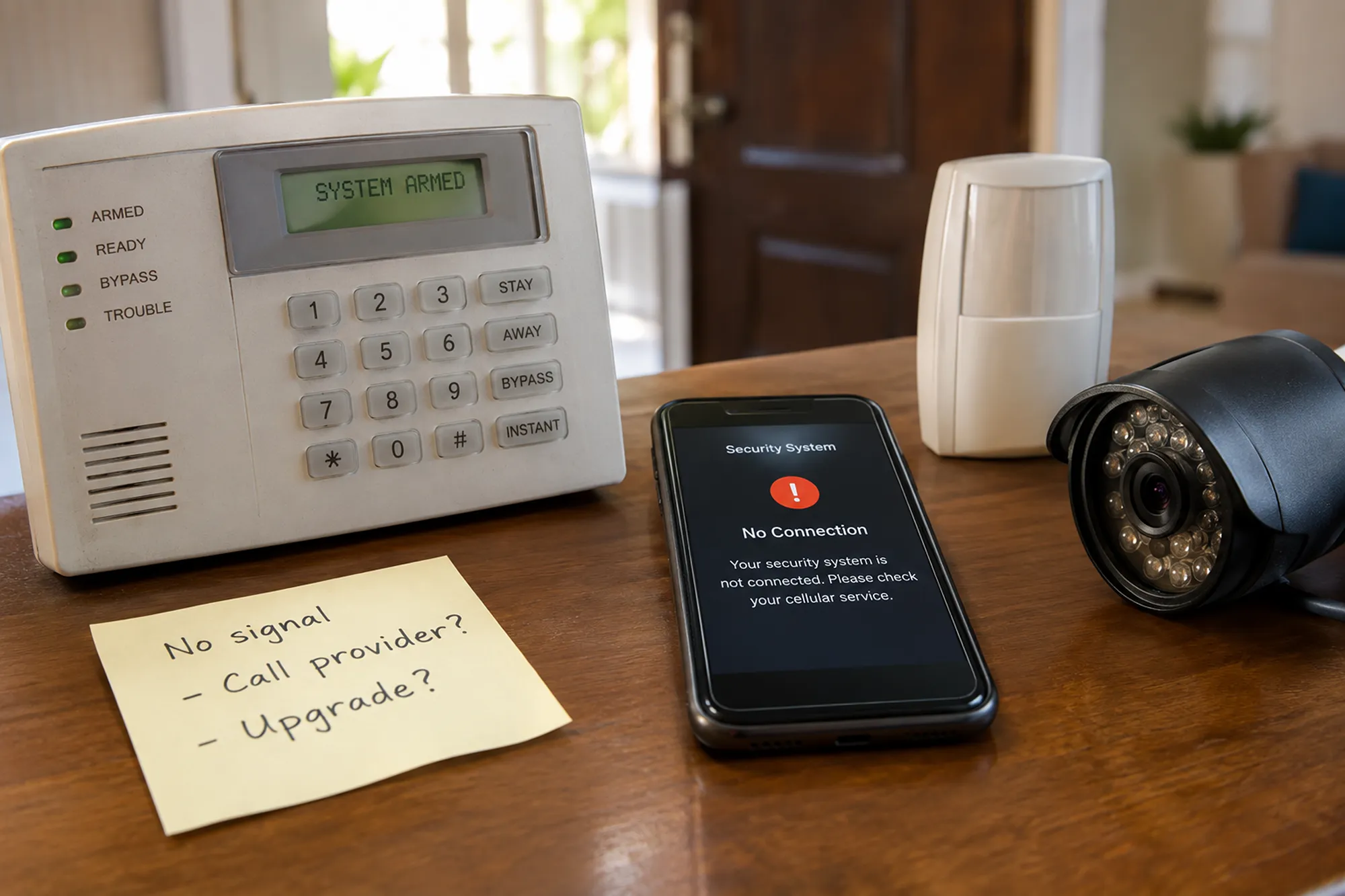
Older systems that depend on retired 3G service needs a new communications path, even if the keypad and sensors still appear to work normally. The Federal Communications Commission’s guide to the 3G phase-out explains that alarms, medical devices, and other connected equipment using 3G can lose service when carriers discontinue those networks. A local siren may still sound, but an alarm that cannot transmit cannot send a signal to a monitoring center through that retired connection.
Ask the monitoring company for the exact communicator model and the network it uses. “Cellular” is not a sufficient answer, because the relevant question is whether that particular module remains supported by its carrier and alarm platform. If the panel is otherwise sound and compatible with a current communicator, replacing the communicator may be the lower-cost, narrower solution. If the panel cannot accept a supported module, replacement becomes the practical option.
A working landline can also be a reason to review the setup rather than an automatic reason to replace it. Confirm with the provider that the line is supervised, that signals are reaching the central station, and that the service arrangement still meets the household’s needs. Do not accept a vague assurance that the system is “probably fine.” Request the results of a communication test and a written description of what was tested.
Are false alarms, trouble beeps, or missed openings becoming routine?
Repeated trouble indications or intermittent sensor response justify service before an alarm becomes something the household stops taking seriously. UL Solutions’ Standard UL 985, Household Fire Warning System Units, addresses household warning-system equipment, including requirements intended to help equipment perform as designed. A system with ongoing faults needs diagnosis by a qualified alarm service provider, not a decision based solely on whether the keypad can be silenced.
Write down the zone or device involved, the time, and what was happening when the fault appeared. A pattern limited to one door, one motion detector, or one keypad points toward a smaller service scope than a panel-wide failure. By contrast, recurring low-battery, communication, tamper, or power faults across several components can indicate an aging system or an issue with its power and communications infrastructure.
Battery replacement can be the simple fix when a provider identifies one low-battery sensor and the rest of the system tests correctly. It is not a valid answer when the same device repeatedly drops offline, the panel loses time or settings after an outage, or the monitoring service cannot confirm successful test signals.
Before approving a replacement, ask the provider to distinguish a device fault from a monitoring or communication fault. A useful written scope names the affected components, explains whether existing wiring and sensors will be retained, and states what testing will occur after service. Unclear quotes that describe only a “system upgrade” make it difficult to compare proposals and can leave room for scope creep.
Does the system leave important entry points or areas unprotected?
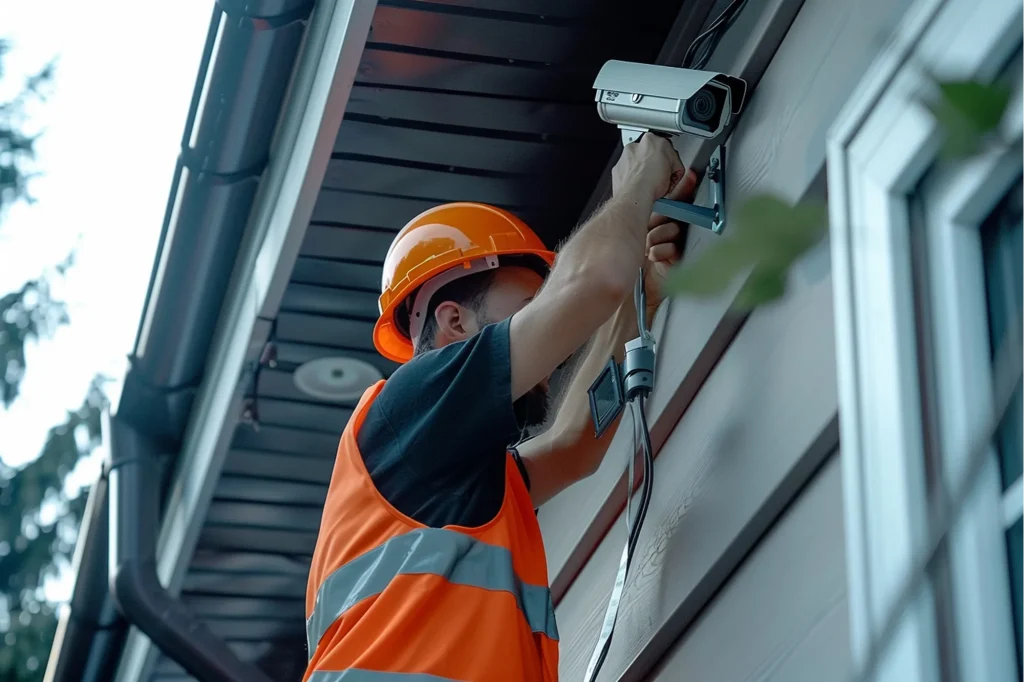
Coverage needs an update when the existing layout no longer reflects how the home is used or which accessible openings need detection. Additions, a finished basement, replacement doors, changed window layouts, a detached garage, or a newly used side entrance can all leave an old sensor plan mismatched to the house. A provider should inventory existing devices and map what each one covers before proposing equipment.
For a burglary alarm, the practical goal is to know whether the system detects the entry methods that matter at that property, rather than simply to add sensors wherever space is available. Confirm which exterior doors have contacts, whether accessible windows are covered by contacts or glass-break detection, and how interior detection is intended to work when the system is armed. Motion detectors and door or window contacts perform different jobs, so one does not automatically replace the other.
- Ask which doors, windows, rooms, and outbuildings the existing equipment covers.
- Ask which components will remain, which will be replaced, and why.
- Ask whether pets, ceiling fans, open windows, or routinely used interior spaces affect the proposed detection design.
- Ask the provider to demonstrate the armed modes and show which sensors are active in each one.
Testing after an addition or a change in household routine is more useful than buying a larger package by default. A system can be upgraded selectively by adding devices to genuine gaps, provided the panel, communicator, and monitoring arrangement are all still supported.
Is the video evidence too poor or too difficult to retrieve?
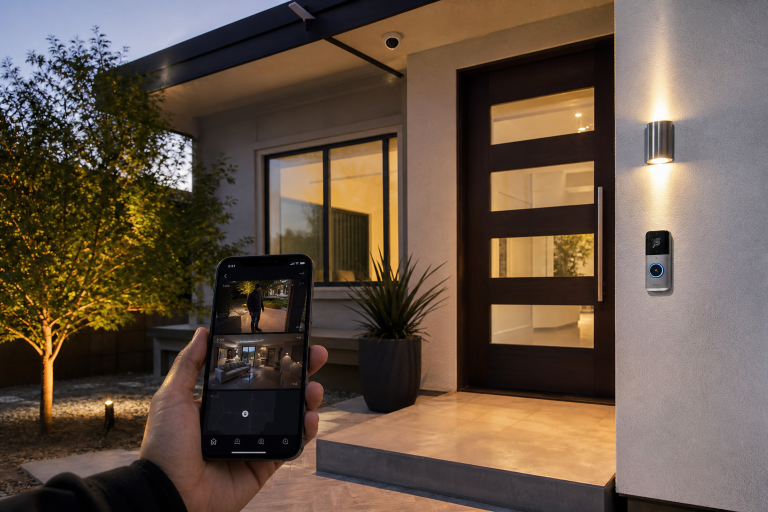
Replacement is worth considering when a camera cannot produce a recognizable, properly framed view under the conditions in which it is expected to work, or when recordings cannot be retrieved when needed. Camera resolution alone does not settle that question. Placement, lighting, viewing angle, storage settings, network reliability, and the distance to the subject all affect what a recording captures.
Review recorded clips from day and night at each important location rather than judging a camera by its live preview. Look for blind areas at entry paths, glare from porch lights, scenes that are too wide to be useful, and recording settings that leave no clips available after a short period. If the camera image is acceptable but retention is too short, a storage-plan change may solve the actual problem without replacing hardware.
For a broader look at equipment, labor, and planning questions, see Abodence’s security camera installation cost guide. The right scope depends on the number of views that need coverage and whether existing power, wiring, and network capacity can support the chosen design.
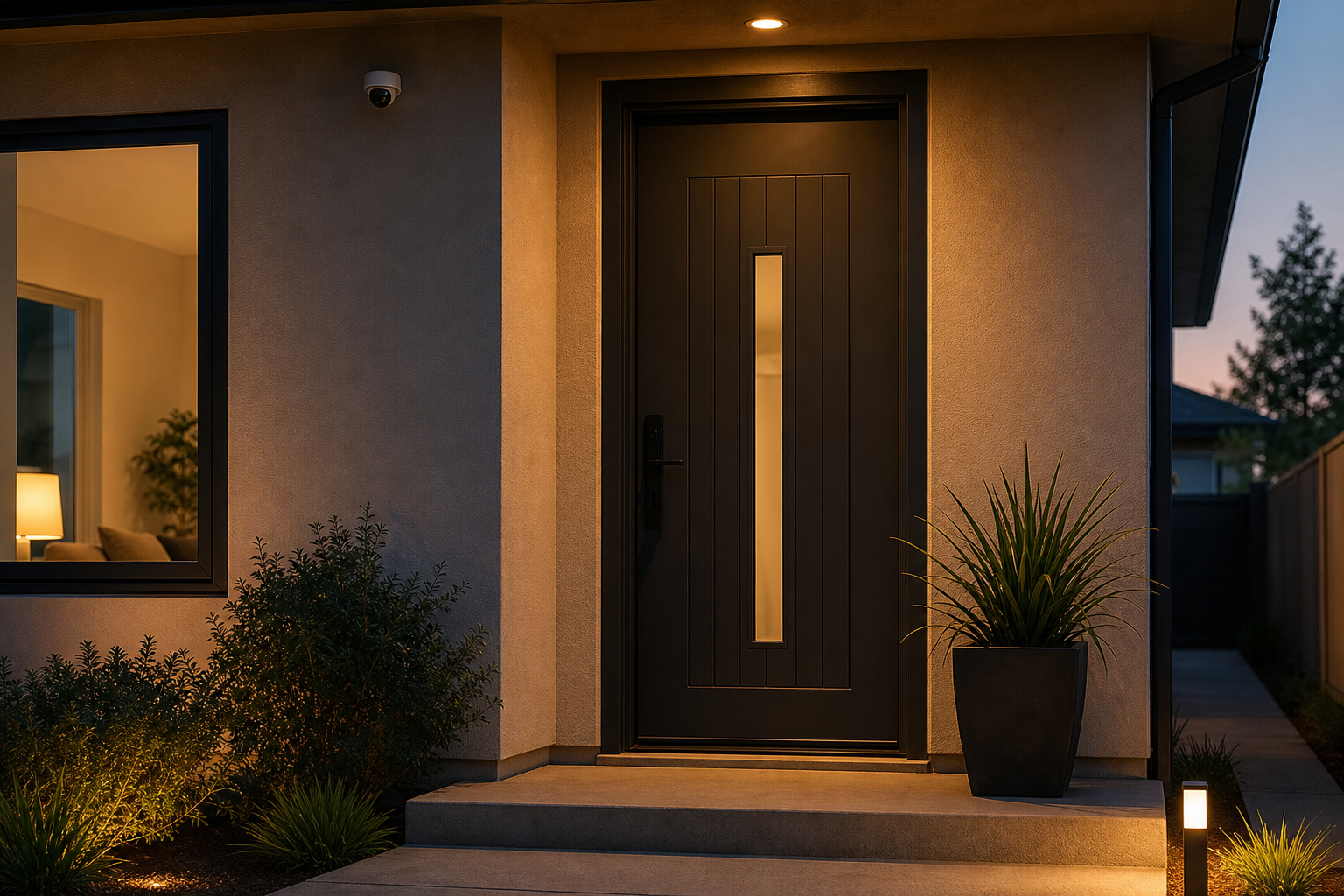
Can the system be secured and maintained?
Connected cameras, doorbells, locks, and alarm apps need supported software, unique account credentials, and a process for removing former users. The Cybersecurity and Infrastructure Security Agency’s guidance on connected devices recommends changing default passwords, using strong unique passwords, enabling multi-factor authentication when available, and applying updates. Those steps reduce the risk created when a device remains on a home network with its factory settings or old software.
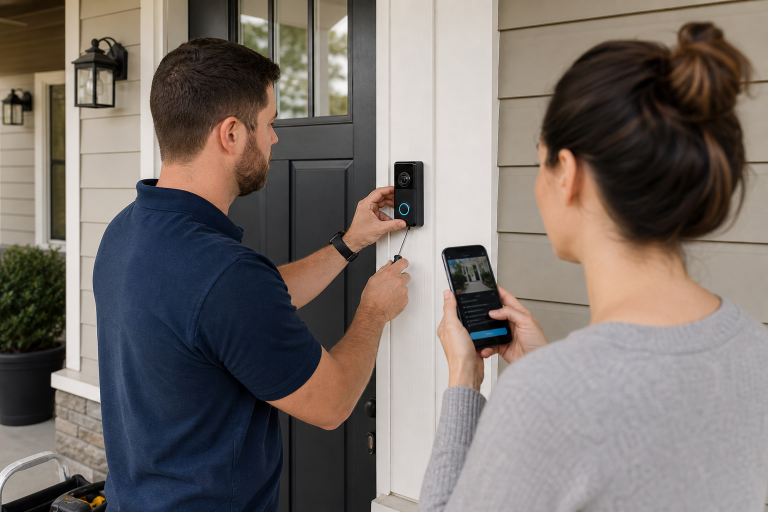
First, find out whether the manufacturer still provides firmware and app support for the exact model. If it does, update the equipment and review account access before replacing it. If support has ended, the app no longer works with current mobile operating systems, or updates are unavailable for a device exposed to the internet, replacement is the more logical path.
Account ownership is as important as the hardware. The primary account should belong to the homeowner, with a current email address and recovery method under the homeowner’s control. Remove prior residents, former tenants, installers, and any household members who no longer need access. Change passwords after a move or a relationship change. More detail on account and device exposure is available in Abodence’s guide to data security risks in home security cameras.
Does the control panel still meet current electrical and alarm-equipment requirements?
Damage, exposed conductors, overheating, repeated power faults, or a panel that has been altered without clear documentation calls for a qualified alarm or electrical professional to assess it. Local requirements and permit practices can differ, particularly when new low-voltage wiring, power supplies, or exterior equipment are added.
Do not open a powered alarm cabinet to trace wiring or attempt a repair when there are electrical warning signs. A provider can determine whether the issue is a backup battery, transformer, panel power supply, wiring, or a separate electrical condition, and can explain what work falls within the proposed scope.
A fire-alarm component deserves particular care. Household smoke alarms and any monitored fire-warning equipment should be evaluated according to their manufacturer instructions and applicable local requirements. Avoid combining a burglary-alarm upgrade quote with unexamined changes to fire-warning equipment, because those are separate life-safety functions with different equipment and code considerations.
What should a fair upgrade proposal include?
A usable proposal identifies the equipment, the communications method, the labor scope, and the continuing service terms before any work begins. The document should make it possible to see whether the recommendation is a panel replacement, a communicator update, added detection, camera changes, or several separate projects bundled together.
- Exact model names or unambiguous equipment descriptions, including the panel, communicator, cameras, sensors, and power equipment.
- A statement of which existing devices and wiring will be reused, removed, or left in place.
- Monitoring, cloud-storage, cellular, and app-service charges, including contract length and any early-termination terms.
- Who owns the equipment and who controls the administrator account after installation.
- Warranty terms for equipment and labor, plus the process for service calls and firmware updates.
- Testing and handoff: communication testing, device testing, user codes, app access, and written operating instructions.
Be cautious when a quote does not separate equipment from recurring service, does not identify the technology being installed, or promises a “free” upgrade without spelling out the agreement that pays for it. A lower initial price can be appropriate, but only when the ongoing obligations are visible and comparable.
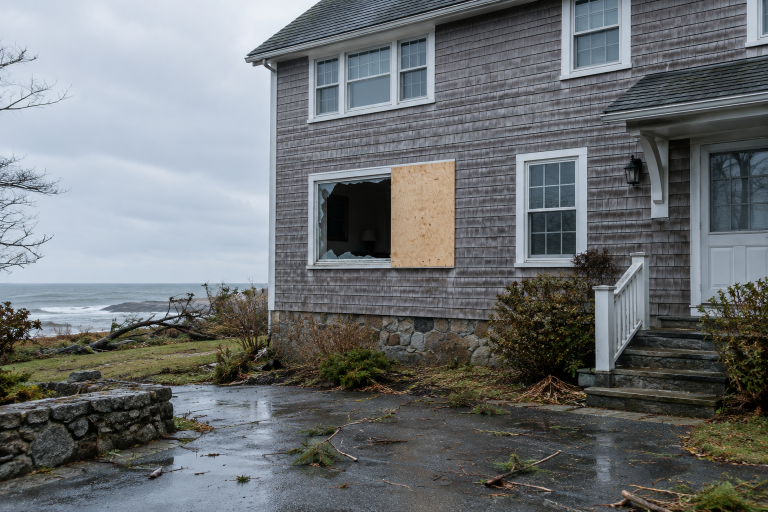
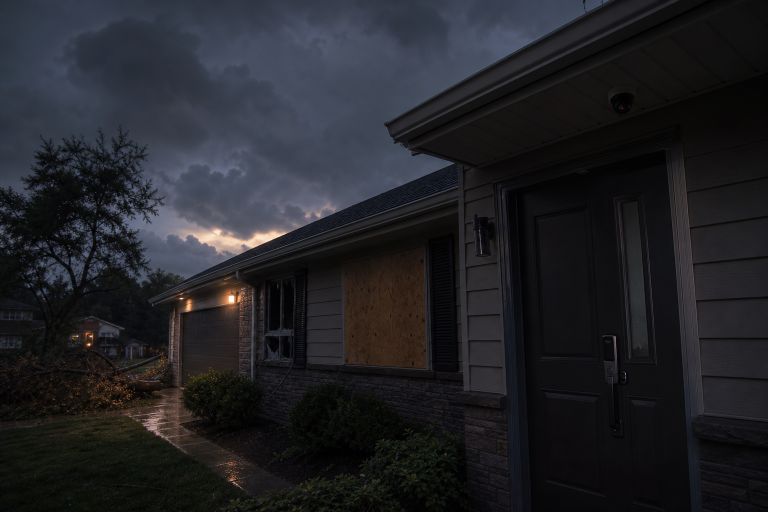
If a system was involved in an attempted entry or break-in, preserve relevant footage and ask the provider to address any damaged or unreliable component as part of the assessment. Abodence’s home security after a break-in guide covers immediate, practical priorities.
FAQ
How long should a home security system last?
There is no single replacement age because sensors, panels, communicators, cameras, and software support can age on different schedules. Replace or update the component that no longer communicates reliably, remains supported, or meets the home’s coverage needs, after a provider tests the existing system.
Can an old wired alarm system be upgraded?
Often, existing hardwired door and window contacts can be retained if they test correctly and the selected panel supports the installation. A provider should inspect the wiring, identify compatible equipment, and give a written answer about what will be reused before recommending a full replacement.
Do security cameras replace an alarm system?
No, cameras and intrusion detection serve different functions. Cameras record or show activity within their field of view, while an alarm system uses devices such as contacts and motion detectors to detect an armed condition and can transmit a monitoring signal when configured to do so.
Should a security system have cellular backup?
A supported cellular communicator can provide an alternative signal path when a home’s primary internet connection is unavailable, but the right arrangement depends on the monitoring provider and the equipment. Confirm the communicator’s network support, monthly charges, and the provider’s testing procedure in writing.
For a specific older system, request a written assessment that separates any simple repair or communicator update from a full replacement, then compare the scope and ongoing service terms before deciding. Please call a list professional for a free, no-obligation discussion.