Understanding an Emergency Lock Change & Re-Key
A compromised house key or damaged lock creates a clear priority: control access to the property as soon as practical. That may mean an emergency lock change, re-keying working locks, or, if someone may still be inside or nearby, leaving the area and calling 911 before arranging locksmith service.
The right response depends on whether the existing hardware still works, whether its key control is known, and whether the door or frame was damaged. There is no need to replace sound lock hardware solely because its keys are missing. Re-keying can usually end access for old keys at a lower material cost, while a damaged lock, an unreliable latch, or a door that no longer closes securely calls for a broader repair or replacement assessment.
What should happen first when a home lock is compromised?
Personal safety comes before access control when there is an active break-in, a suspected intruder, threats from another person, or signs that someone may still be in the home. Leave if it is safe to do so, avoid entering to inspect the damage, and call 911. A locksmith can restore hardware after law enforcement has addressed the immediate situation.
For a lost key, an unknown former keyholder, or a lock that has failed without an active threat, document the issue and arrange service promptly. Keep the door secured while waiting, but do not force a deadbolt, pry at a strike plate, or attempt to dismantle a lock. Those actions can damage the door edge, frame, or hardware and can turn a cylinder-only job into a door repair.
When is re-keying enough, and when does the lock need replacement?
Re-keying is usually the economical choice when a compatible lock operates properly and the concern is only who has a key. A locksmith changes the cylinder pins or replaces the cylinder so the old key no longer operates it, then supplies keys for the new combination. The exterior trim, deadbolt body, latch, and strike can remain in place if they are in good working order.
That makes re-keying well suited to lost or unreturned keys, a recent move, a change in household members, or uncertainty about how many copies circulate. It may also allow several compatible locks to operate with one new key, although compatibility depends on the lock system already installed. Ask the provider to confirm which doors can be keyed alike before approving the work.
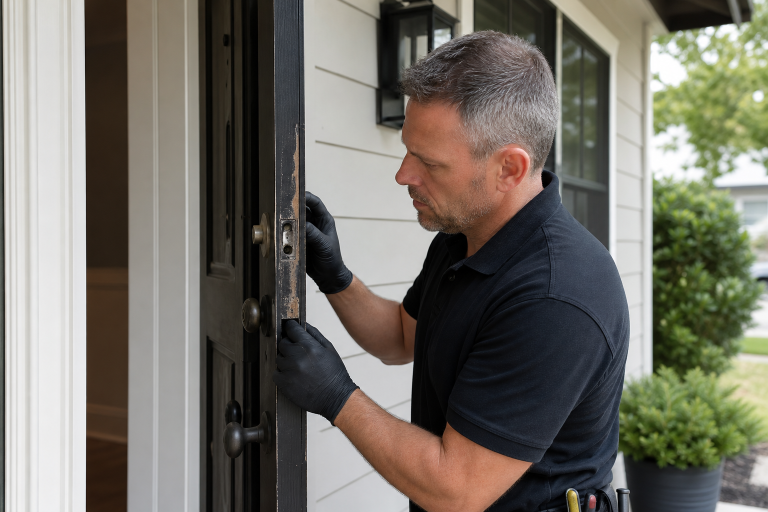
Replacement is generally appropriate when the lock cylinder is damaged, a key broke inside and the lock cannot be restored reliably, the latch or deadbolt binds, the bolt does not extend fully into the frame, or forced entry has damaged the hardware. A lock that turns but does not reliably secure the door needs evaluation beyond a key change. Damage to the door jamb, strike area, hinges, glass, or sliding-door track may also require repair by the appropriate professional.
What should a locksmith inspect before recommending either option?
The provider should test how the latch and deadbolt operate with the door open and closed, examine visible damage, identify the existing keyway or cylinder type, and explain whether the lock can be re-keyed. A clear recommendation identifies each door, the proposed work, and any separate repair to the frame or strike area.
The Associated Locksmiths of America, commonly known as ALOA, describes locksmith work as including installation, servicing, and repair of locking devices. That scope is relevant because a secure result depends on the door, lock, latch, and strike working together, not merely on cutting a new key.
Which situations call for emergency lock service?
Service should be arranged promptly whenever an untrustworthy person with a key can identify and access the property. The urgency comes from the access risk, not from a blanket rule that every lock problem requires replacement.
- Stolen or missing keys: Re-key exterior locks if the keys could be connected to the address or if their whereabouts are unknown. A lost key that cannot be linked to the house presents a different level of exposure, but re-keying remains a reasonable choice when key control matters.
- A move into a previously occupied home: Re-key or replace exterior locks unless every existing keyholder is known and the key history is documented. Previous owners, contractors, cleaners, relatives, neighbors, and real estate contacts may have received copies.
- Former tenants, roommates, employees, or partners: Change access after their authorized access ends, especially if keys were not returned or copies could have been made.
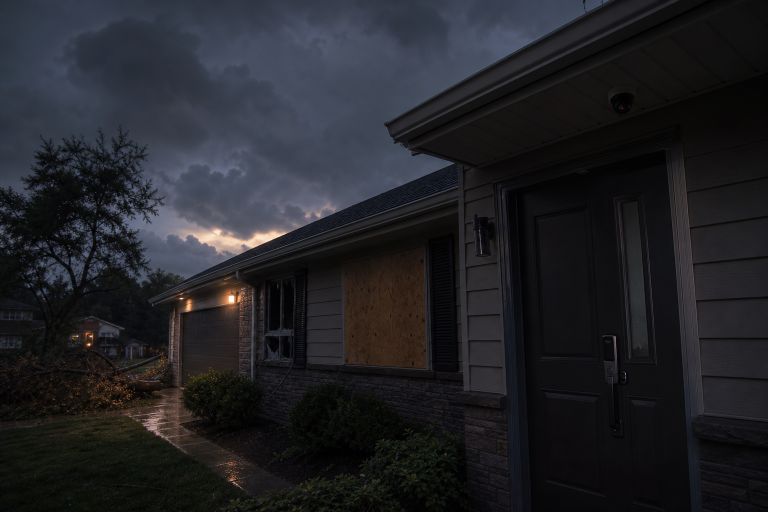
- A break-in or attempted forced entry: Have damaged locks, frames, and doors assessed after the immediate police response. Preserve photos and records if an insurer or law enforcement agency may need them.
- A failed lock: A deadbolt that will not lock, unlock, or align correctly can leave the home unsecured even when no key has been lost.
For a forced-entry response that also addresses cameras, records, and other home-security steps, see home security after a break-in. Lock work is one part of restoring control of the property.
How can a homeowner avoid an emergency locksmith scam?
A legitimate provider should be willing to identify the business, explain the expected charges before work begins, and provide an itemized receipt when the work is complete. Emergency conditions can make a firm final price impossible before the lock is inspected, but they do not justify a vague quote with no stated service-call charge, labor basis, or approval point.
The Federal Trade Commission’s consumer alert on locksmith scams warns that low advertised prices may grow after arrival and advises consumers to ask for an estimate that includes all fees. The FTC also advises checking identification and getting a written estimate before authorizing work. Those steps are especially useful when a search result presents a generic business name, a call center, or a price that seems disconnected from the condition of the door.
What should be confirmed before work starts?
Ask for the full business name, a callback number, the technician’s name, and the estimated arrival window. Check the business listing independently, rather than relying only on a sponsored search result or a single review page. Where the state or local jurisdiction licenses locksmiths, confirm the license through the relevant government licensing database; requirements vary, so a license claim should match the place where the work occurs.
- Request the service-call fee, labor charge, parts estimate, after-hours charge, and any trip or mileage fee.
- Ask whether the quote covers re-keying, cylinder replacement, complete lock replacement, or a diagnostic visit only.
- Confirm that no work beyond the approved scope will proceed without authorization.
- Ask for identification on arrival and retain the written estimate and final itemized receipt.
- Be cautious if a provider immediately insists that every lock must be drilled or replaced without inspecting the door and explaining why.
Pressure to approve unlisted work, refusal to identify the business, cash-only demands without a receipt, and a sharp price change before any explanation are reasons to pause. If the person has already arrived and the situation feels unsafe, do not argue at the doorway. Move to a safe location and contact local law enforcement if needed.
What can be secured while the locksmith is on the way?
Use only simple, non-destructive measures that do not place anyone in conflict with a possible intruder. If the home appears to have been entered, preserve the area, avoid handling damaged locks or windows, and wait for law enforcement instructions before changing conditions at the scene.
- Stay with a trusted neighbor, family member, or other safe location if the compromised entrance cannot be secured.
- Close and lock accessible windows, sliding doors, garage doors, and secondary exterior doors from inside if it is safe to do so.
- Move spare keys from obvious exterior hiding places, but do not search an area where a person may be present.
- Turn on exterior lighting and use the home alarm only if it can be activated without returning to an unsafe area.
- Keep children and pets away from damaged glass, splintered wood, loose hardware, or a door that will not latch.
Windows and sliding doors deserve attention because an upgraded front-door lock does not address a weak secondary entry. The related guide to strengthening doors and windows against break-ins explains the broader entry-point review to consider once the immediate lock issue is resolved.
What should be included in the final service record?
A complete receipt should identify the property service date, locks serviced, parts used, labor and fees, new key quantity, and any work that was recommended but declined. Keep it with move-in records, insurance documentation, or property-management files. It establishes what was changed and makes later maintenance or warranty questions easier to address.
Before the technician leaves, operate each serviced lock from the appropriate side while the door is open and again while it is closed, if safe. Confirm which keys work each door and whether any locks remain on a different key. This is a functional check, not a request to perform repairs yourself.
For a compromised lock, request a written quote from an identifiable local locksmith or qualified door-security professional, and approve only the work that the condition of the hardware actually requires.
FAQ
Can a locksmith re-key a lock after keys are stolen?
Yes, re-keying is often appropriate when the lock itself works properly and the goal is to make missing keys unusable. The provider should first confirm that the cylinder is compatible with re-keying and that the latch, deadbolt, door, and frame are not damaged.
Should locks be changed after buying a house?
Changing key control after a purchase is prudent because previous key copies may exist outside the seller’s knowledge. Re-keying sound exterior locks can accomplish that goal, while replacement is better reserved for damaged, unsuitable, or malfunctioning hardware.
Does a break-in always require every lock to be replaced?
No, each opening should be assessed for its actual condition. A working, undamaged lock may be re-keyed, but damage to a cylinder, latch, deadbolt, strike, frame, door, window, or sliding-door hardware may require targeted repair or replacement.
What should an emergency locksmith quote include?
A usable estimate identifies the service-call charge, labor, parts, after-hours fees, and the specific work proposed. It should also make clear whether the stated amount covers re-keying, a new cylinder, a complete lock, or only an inspection.
Can a locksmith make all exterior doors use one key?
Sometimes, provided the existing locks use compatible cylinders or keyways. A locksmith can determine compatibility during inspection and explain which locks can be keyed alike without replacing hardware.
Sources: Associated Locksmiths of America (ALOA); Federal Trade Commission, “Locked Out? Avoid a Locksmith Scam.”