Why Winter Storms Drive Rodents Into Your Home
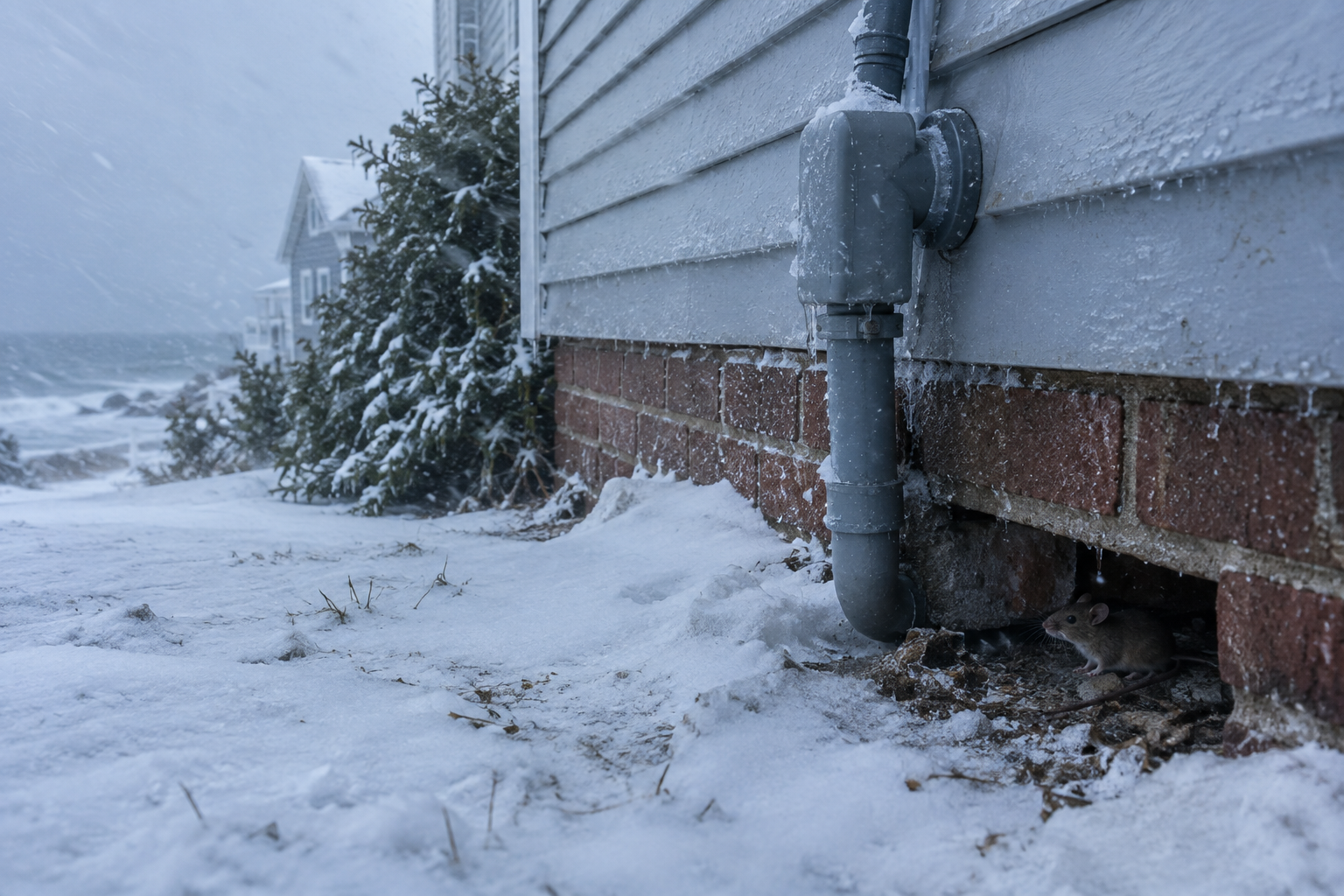
Freezing rain, deep snow, and strong coastal winds do not create a rodent problem from nothing. They make the shelter already available inside a house far more attractive. A small opening at a foundation, pipe, vent, or roofline can become an easy route to a dry, protected space when outdoor cover is buried or soaked.
The practical strategy is to find and close entry points, remove easy food and nesting materials, and address signs of an established indoor problem before sealing every route. Winter weather often reveals building gaps that also waste heated air, so rodent exclusion can overlap with work to stop air leaks at doors and frames.
Why do mice and rats move indoors during winter storms?
Rodents look for protected access to shelter, food, and water, and a storm makes exposed outdoor conditions less usable. The U.S. Environmental Protection Agency guidance on controlling rodents around structures identifies exclusion, sanitation, and population control as the connected parts of rodent management. In a house, the appeal is usually not warmth alone. Wall voids, crawlspaces, attics, garages, and stored items offer cover from wind and wet weather before an animal ever reaches a living room.
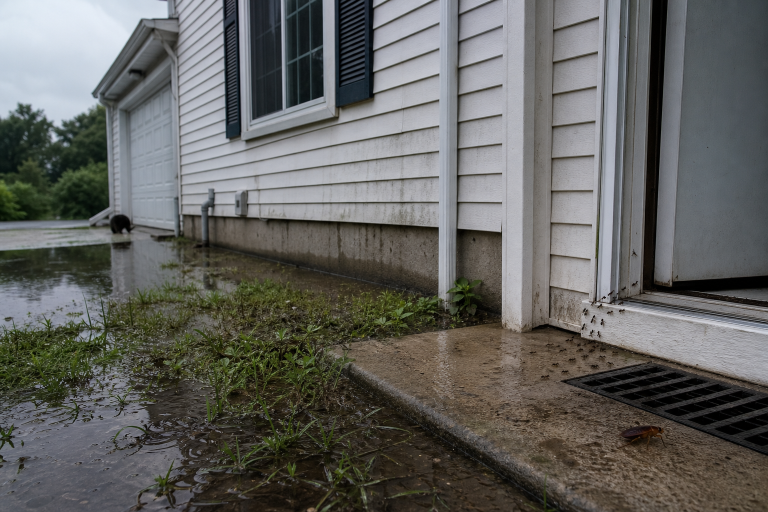
Nor’easter conditions can intensify the pressure. Wind-driven precipitation saturates nesting material and reduces the value of leaf piles, brush, and clutter near the foundation. Snow also changes how animals move across a yard. A gap along a utility line, a loose door sweep, or an unprotected vent may be easier to use for a rodent than remaining in exposed cover.
How small can an entry point be?
A gap about the width of a pencil can be enough for a mouse, while rats need larger openings. The Centers for Disease Control and Prevention rodent-control guidance advises sealing holes and gaps, including around pipes, and specifically identifies small openings that rodents can use to enter buildings.
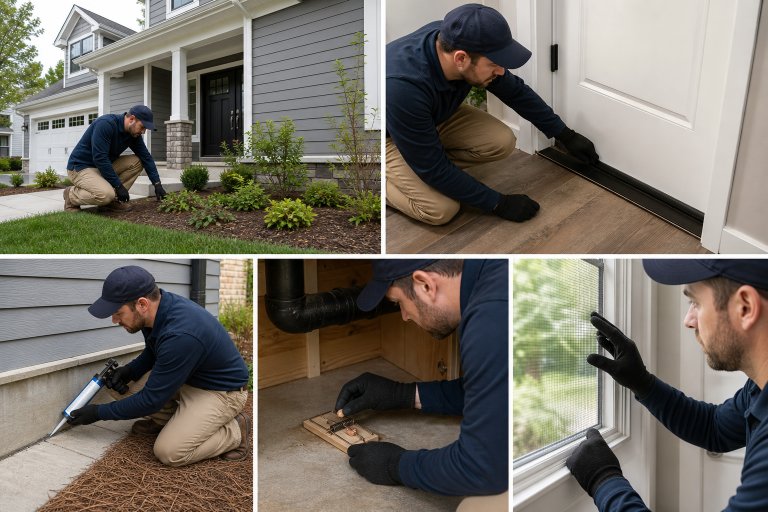
Start at ground level and work around the entire exterior. Look where different materials meet, because the transition between brick and siding, concrete and framing, or an addition and the original structure can leave irregular voids. Pay close attention to places that are hard to see from normal standing height.
- Utility pipes, conduit, cable lines, and refrigerant lines entering exterior walls
- Foundation cracks, crawlspace access doors, basement windows, and garage corners
- Door bottoms, garage-door edges, and weatherstripping that no longer touches evenly
- Dryer, bathroom, and kitchen exhaust terminations with damaged or missing covers
- Soffits, roof intersections, attic vents, and gaps behind loose fascia or trim
Do not block an appliance exhaust, a combustion-air opening, or a required drainage path with foam, caulk, or mesh. Those components have separate safety and code functions. If it is unclear what a penetration serves, identify it before closing the space.
Why attics and crawlspaces deserve a separate look
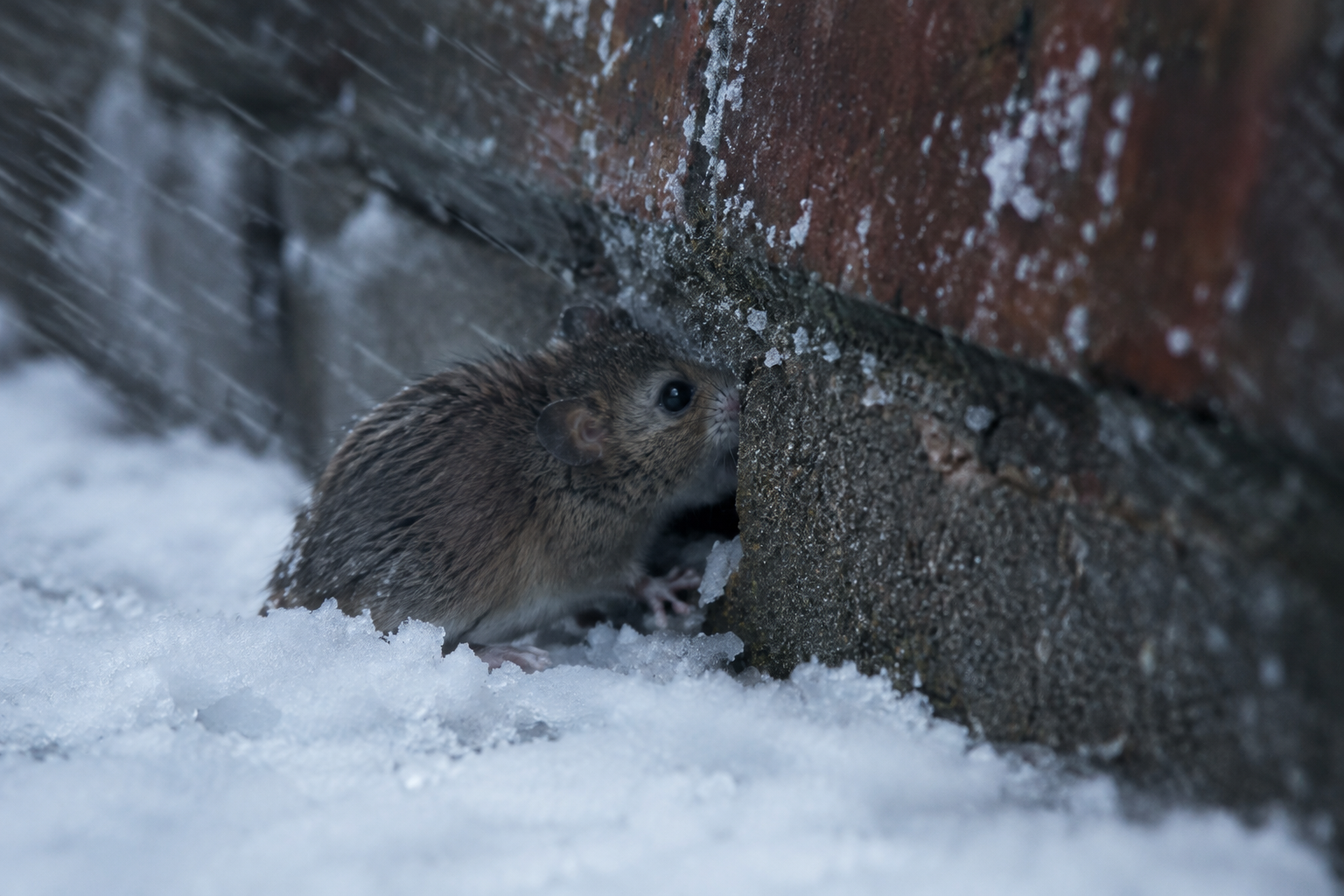
Quiet, seldom-used spaces give rodents cover and can conceal the route they used to get indoors. Check from a safe, accessible location for disturbed insulation, shredded paper or fabric, droppings, rub marks along edges, and daylight around vents or framing. Moisture can complicate this inspection because wet insulation, roof leaks, and poor ventilation damage building materials in ways that may resemble or accompany pest activity. A separate review of attic moisture warning signs and ventilation fixes can help distinguish the building issues that need attention.
What makes a home worth entering after a storm?
Accessible food, water, cover, and an open route turn temporary shelter-seeking into a repeat visit. EPA guidance recommends keeping food in rodent-proof containers, keeping garbage in containers with tight lids, and reducing harborage, meaning places where rodents can hide or nest. These are basic conditions, but they matter most when they are close to the likely entry point.
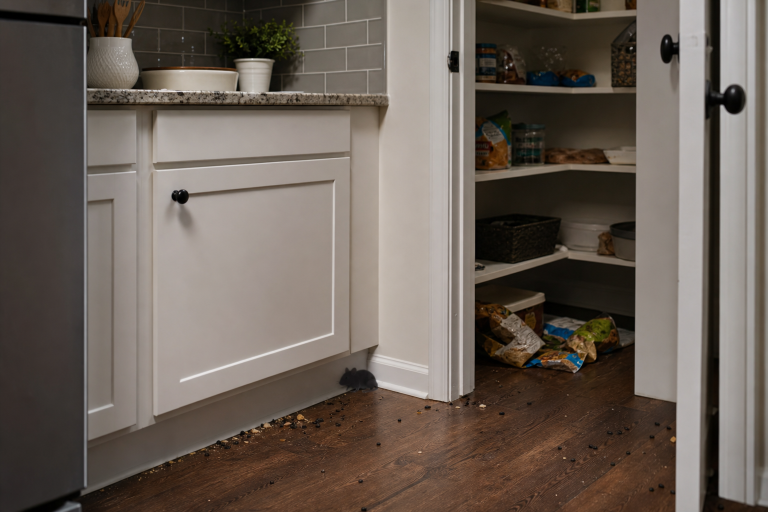
Pet food left in a garage overnight, bird seed stored in a thin bag, and overflowing recycling can sustain activity once an animal enters. So can cluttered storage areas that provide undisturbed cover. Move stored boxes and materials off the floor where practical, and keep the perimeter of a basement, garage, or shed visible enough to inspect.
Outdoor conditions count as well. Keep firewood, dense vegetation, stacked materials, and stored equipment away from the house when site conditions allow. This does not replace sealing the structure. It reduces covered approaches that can lead directly to an exterior gap.
What should you do first when you find signs of rodents?
Identify the likely travel route and whether activity appears current before closing every opening. Fresh-looking droppings, gnawing, noises in enclosed spaces, or repeated sightings call for a closer inspection of the nearby exterior and the room or void connected to it. A single old sign does not establish an active infestation, but it is still a reason to inspect vulnerable edges.
Use a deliberate sequence. First, protect food and remove clutter or accessible nesting material. Next, inspect and repair exterior routes that can be closed without interfering with vents, drainage, wiring, or equipment. Then monitor the area for continued signs. This avoids the common mistake of treating one visible hole while leaving the more accessible route nearby untouched.
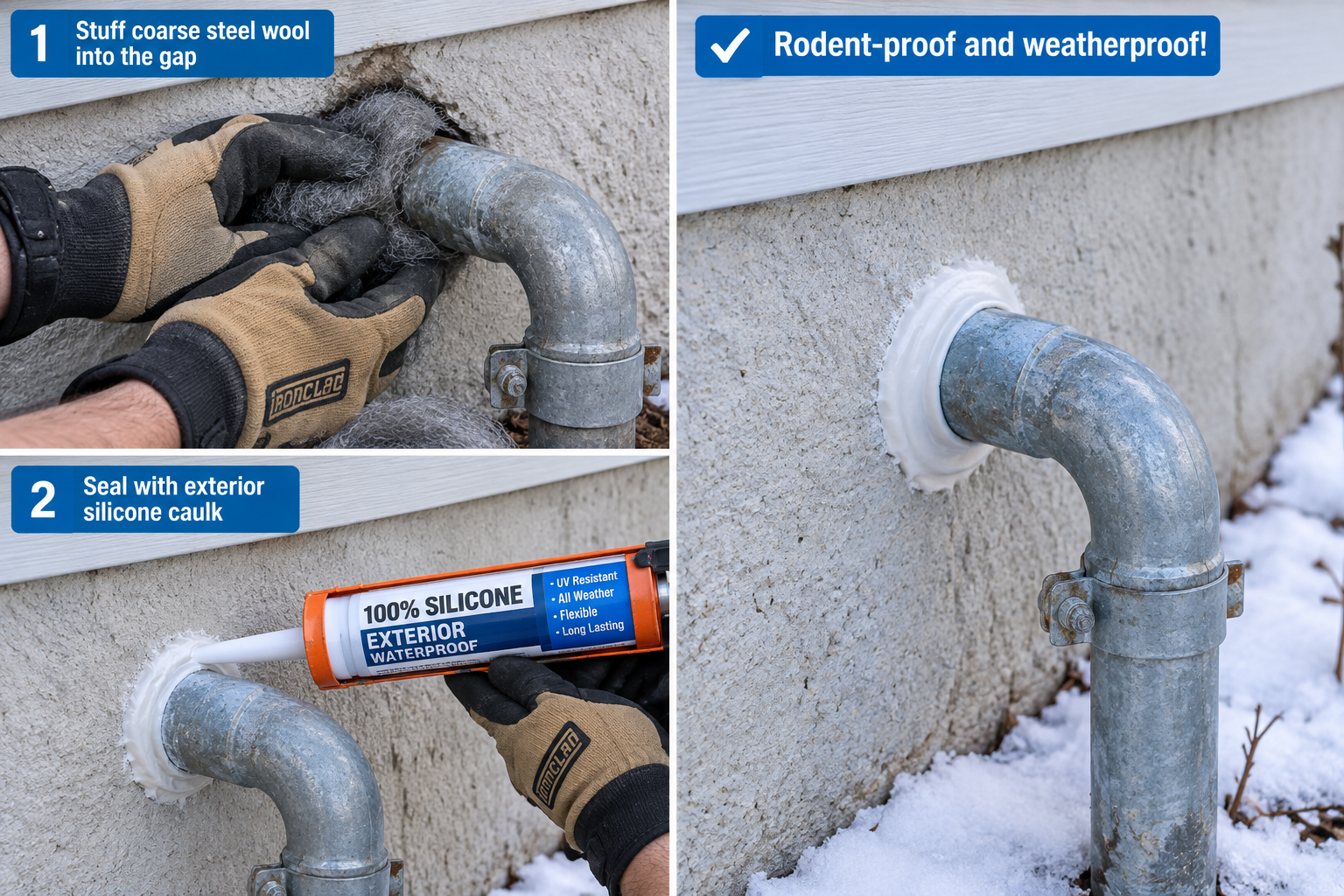
For small gaps around a pipe or cable, CDC guidance describes using steel wool together with caulk. Use a durable exterior-rated sealant appropriate to the wall material, and use a backing material or metal patch when the opening is too large for sealant alone. Expanding foam by itself is a poor long-term barrier where chewing or weather exposure is likely.
Door sweeps and weatherstripping are often a simpler fix than major repairs when the issue is a daylight gap below an exterior or garage side door. Replace damaged screens on vents and repair loose trim rather than merely sealing over rotted material. A thorough repair should leave the building weather-resistant as well as less accessible to pests.
When is professional rodent control the sensible choice?
Professional assessment is sensible when signs continue after entry points are addressed, when activity is in inaccessible walls or ceiling cavities, or when the suspected route involves a roofline, crawlspace, or building defect that needs repair. A qualified pest-management provider can identify likely species, locate travel paths, and propose a plan that separates exclusion work from population-control measures.
Ask for the scope in writing. It should identify the areas inspected, entry points to be sealed, materials proposed, any trapping or baiting method, follow-up visits, and what is excluded from the price. Vague promises to “rodent-proof” a house can leave unclear whether exterior repairs, attic work, or return visits are actually included.
Use products only as their labels direct, especially where children, pets, or wildlife may encounter them. If a provider proposes rodenticides, ask why that method is needed, where products would be placed, and how access will be controlled. EPA’s integrated approach gives priority to preventing entry and reducing food and shelter, rather than treating pesticide use as the only answer.
For a recurring or hard-to-reach problem, request an assessment from a licensed local pest-management provider and obtain a written scope before authorizing the work. Please call a listed professional for a free, no-obligation discussion.
FAQ
Can mice enter a house during a single winter storm?
Yes, an existing opening can be used quickly when outdoor shelter becomes wet, snow-covered, or exposed to wind. The storm is usually the trigger for movement, while the gap, food access, and indoor cover determine whether the animal stays.
Will caulk alone keep rodents out?
Caulk works for narrow, stable gaps, particularly when paired with a suitable backing material around small penetrations. Larger holes, damaged trim, loose vent covers, and gaps under doors need a repair matched to the material and opening, not a bead of sealant alone.
Should you seal holes if rodents may already be inside?
Close clearly unused exterior gaps promptly, but investigate active signs and likely travel routes before completing broad exclusion work. When activity is established in walls, attics, or crawlspaces, a pest-management provider can help sequence control and exclusion so the problem is not simply shifted elsewhere in the building.