Nor’easters & Rain Drive Rodents Indoors. How to Prevent!
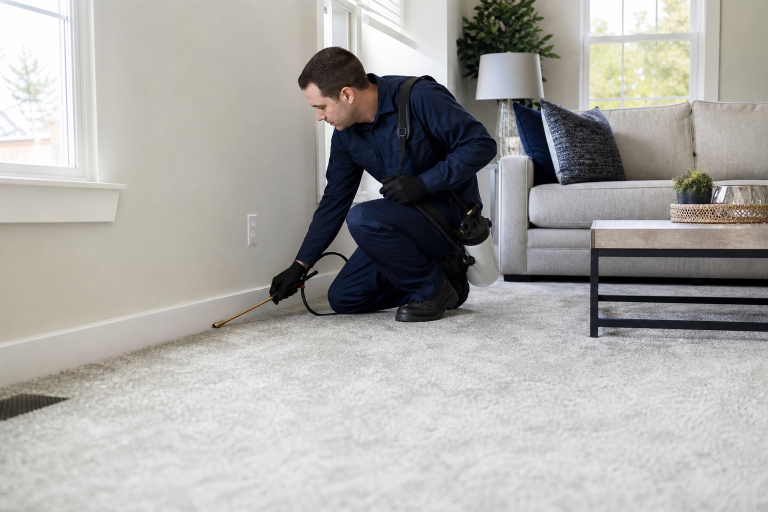
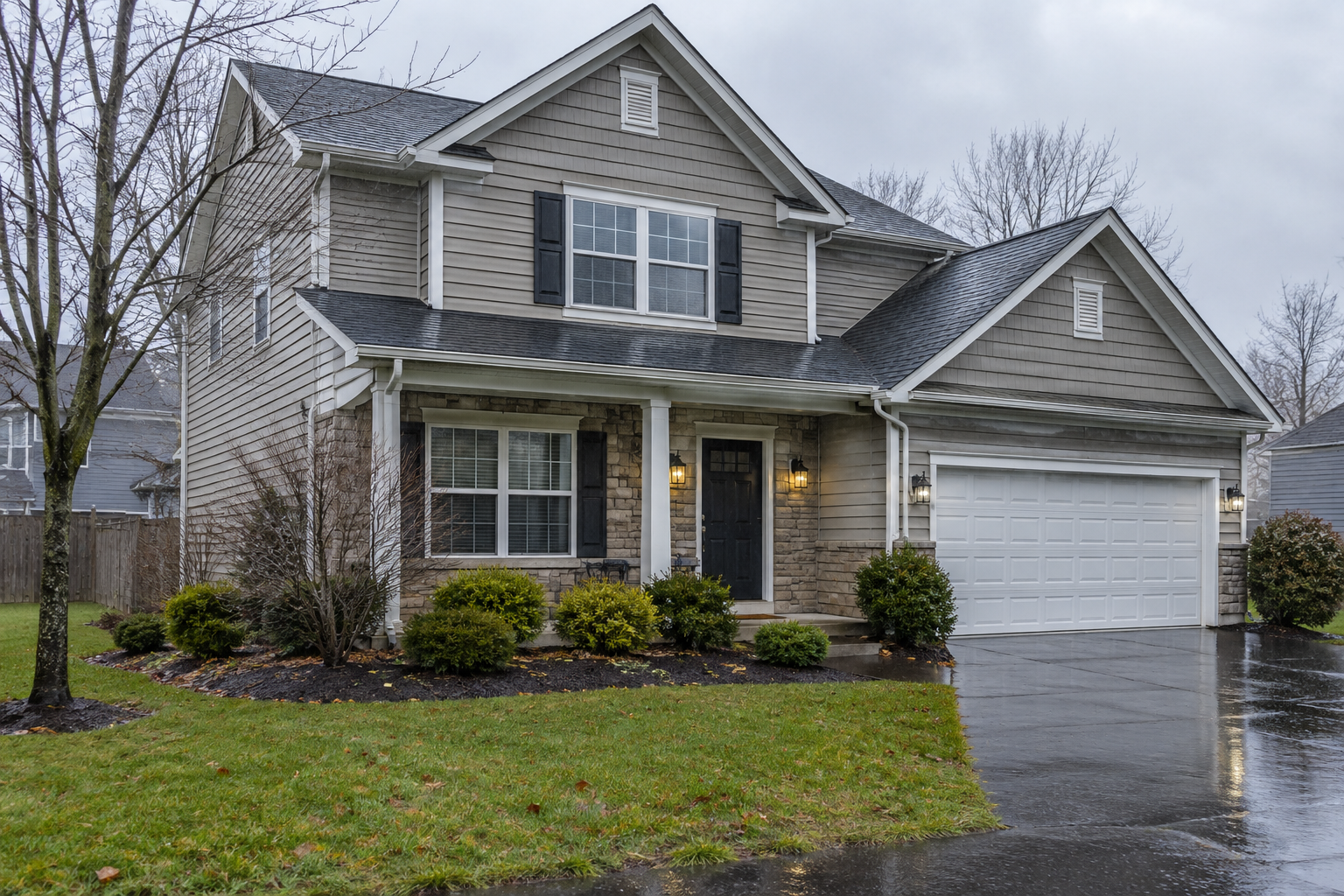
Nor’easters bring wind-driven rain, saturated ground, and water around foundations, conditions that can send mice and rats looking for dry shelter. A house offers protected voids, warmer interior spaces, and food sources, so a strategic approach is to block access before a storm and inspect the exterior once conditions are safe.
The U.S. Environmental Protection Agency advises an integrated approach: remove food, water, and shelter while closing routes that pests use to enter. That approach is more useful than relying on a single product after activity has started, because a trap or bait does not close the opening that allowed an animal indoors.
Why do rodents show up after a nor’easter or heavy rain?
Wet ground and wind exposure can make a home’s protected gaps, crawlspaces, garages, and wall cavities more attractive than outdoor cover. The EPA explains that rodents enter buildings in search of food, water, and shelter, and storm conditions can make those resources and dry cover harder to find outdoors.
Rain and flooding can cause the migration. Rodents can be driven into residential weak points that were already present, such as an open utility penetration, a damaged vent screen, a door that no longer meets its threshold, or vegetation and stored material that provide cover along the foundation.
A strong storm can cause wind damage that will shift loose siding, dislodge a screen, or drive water through a gap around a window or service line. Once the immediate weather passes, inspect these areas from the outside rather than assuming the issue is only indoors. If rain is also entering around windows or doors, this guide to sealing windows before heavy seasonal rain explains the separate moisture-control work that may be needed.
Where should you look for rodent entry points first?
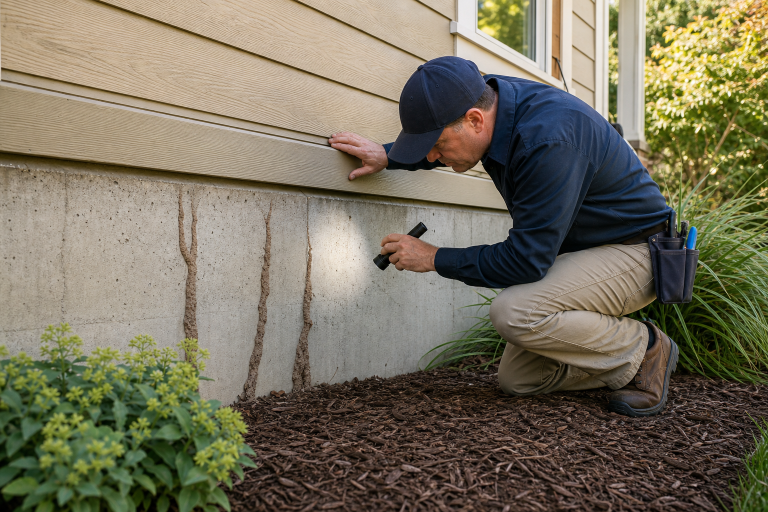
Start low and work around the entire exterior, because foundation-level openings and transitions between materials often provide the most direct path into enclosed spaces. The National Pest Management Association’s rodent-prevention guidance tells homeowners to inspect exterior cracks and holes, including openings around pipes and utility lines.
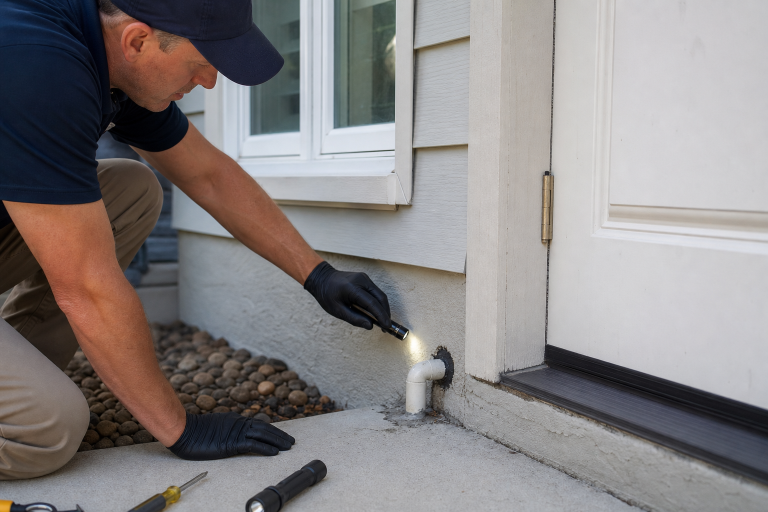
Use a flashlight and look at the structure, checking where brick meets siding, where decks attach to the house, beneath exterior steps, around air-conditioning lines, at the rim area above a foundation, and at the corners of garage doors. Also inspect crawlspace and attic vents, provided you can do so safely.
Pay attention to a gap’s condition, not just its size. A torn screen, missing louver, loose cover, or failed caulk joint can provide access even when the surrounding wall appears sound. Water stains or soft trim beside the same opening point to a separate repair issue that should be addressed before simply covering it.
Doors, garages, and utility lines deserve a close check
A closed exterior door should seal through its weatherstripping and threshold. Daylight visible below or beside a door signals an opening that needs adjustment, a new sweep, or replacement weatherstripping. Garage door corners, where the bottom seal meets the side tracks, are another common place to inspect after wind and rain.
Pipe, cable, and conduit penetrations need durable sealing materials suited to the wall surface and the opening. Caulk alone is often the wrong repair for a larger void because it can shrink, pull away, or be damaged. For a substantial opening, a pest-control professional or qualified repair technician can identify the route and specify a durable repair instead of applying a cosmetic patch.
What should you do before the next storm?
Remove ready access to food, water, and cover while making exterior openings less usable. The EPA’s home pest-control guidance recommends storing food in sealed containers, managing garbage, repairing leaks, and reducing pest harborage around the home.
- Store pantry food, pet food, birdseed, and animal feed in containers with secure lids rather than in bags or open bins.
- Keep garbage containers closed, and do not allow fallen fruit, spilled seed, or pet-food residue to remain near exterior doors.
- Repair drips at outdoor spigots, condensate drains, and plumbing connections that keep a localized area wet.
- Move firewood, cardboard, stacked pots, and stored materials away from the foundation so the wall and ground line remain visible for inspection.
- Trim plant growth that presses against siding or obscures vents, utility entries, and foundation cracks.
Keep storm cleanup simple and focused. Remove loose debris from around the foundation, confirm downspouts discharge away from the house, and note any area where water repeatedly pools against the structure. Persistent drainage problems require a drainage or exterior-envelope solution, not repeated pest treatment.
How should you seal gaps without creating a moisture or ventilation problem?
Use materials appropriate to the opening, and do not block a feature that the building needs for drainage or ventilation. A repair should exclude pests while preserving the function of the home, which is why blindly filling every visible hole with foam is a poor approach.
The National Pest Management Association recommends sealing exterior gaps and using screens over vents and openings. For small, stable gaps around service entries, exterior-rated sealant may be suitable when the manufacturer’s instructions match the materials involved. Larger or irregular openings may need metal flashing, hardware cloth, a fitted cover, or replacement of the damaged component.
Foundation and crawlspace vents are a common source of confusion. Covering a damaged screen with a solid panel may restrict intended airflow or trap moisture. Replace the damaged screen or cover with a rodent-resistant product designed for that opening, and keep drainage paths clear. When an opening is near wiring, gas piping, a flue, or HVAC equipment, leave the repair to a qualified professional.
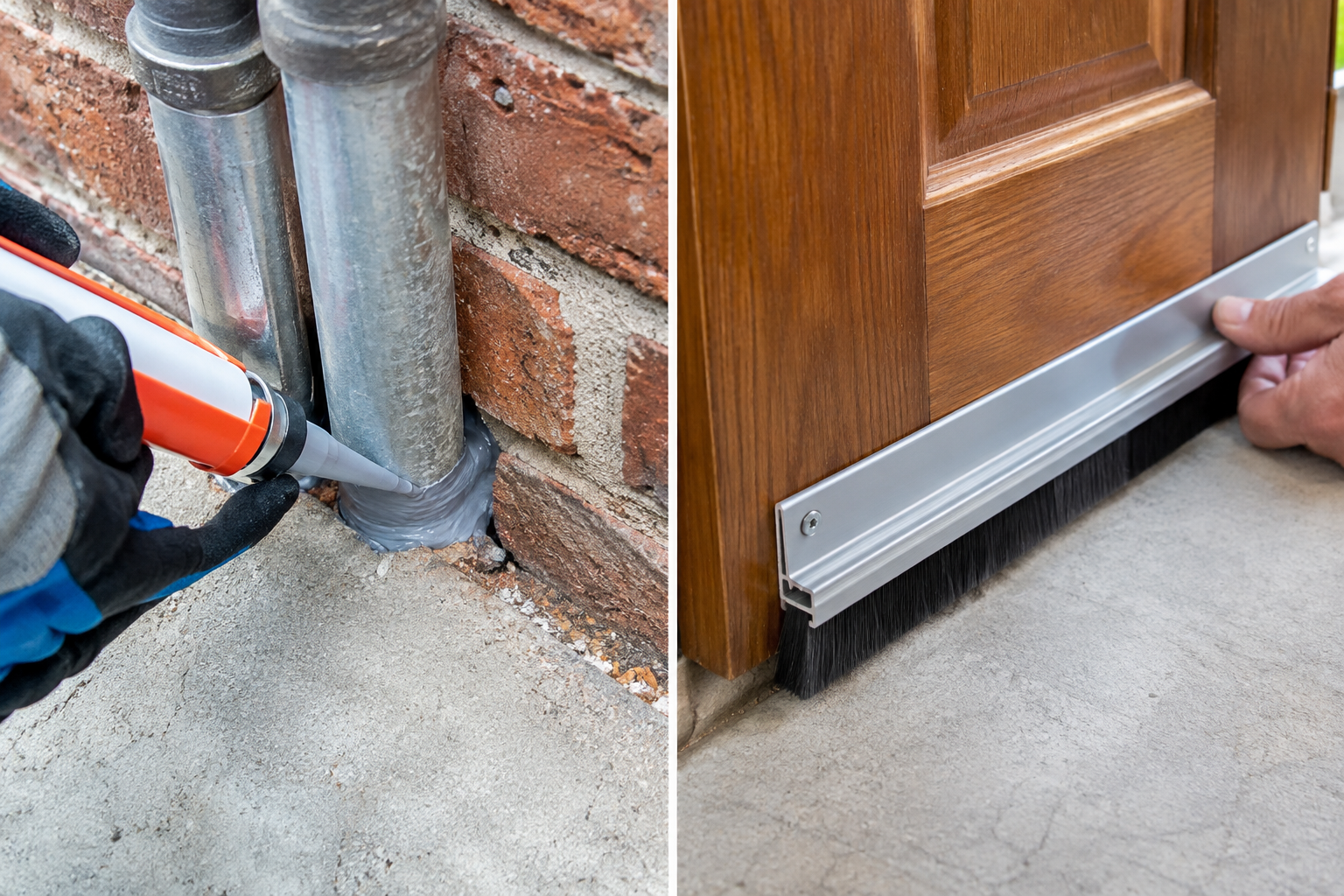
Door sweeps are inexpensive compared with larger repairs, but only when the door and threshold are otherwise sound. If the door is warped, the threshold is loose, or the frame has rot, replacing a sweep may hide the symptom for a short time without closing the actual route. The same principle applies to drafty windows, where targeted repair can be enough in some cases, while wider frame damage calls for a different scope. See these options for drafty window and door-frame repairs for the distinction.
What signs suggest rodents may already be inside?
Fresh droppings, gnaw marks, shredded nesting material, and repeated sounds in walls or ceilings warrant a focused inspection rather than a wait-and-see approach. The National Pest Management Association identifies droppings, gnaw damage, tracks, and nesting materials among the common signs of rodent activity.
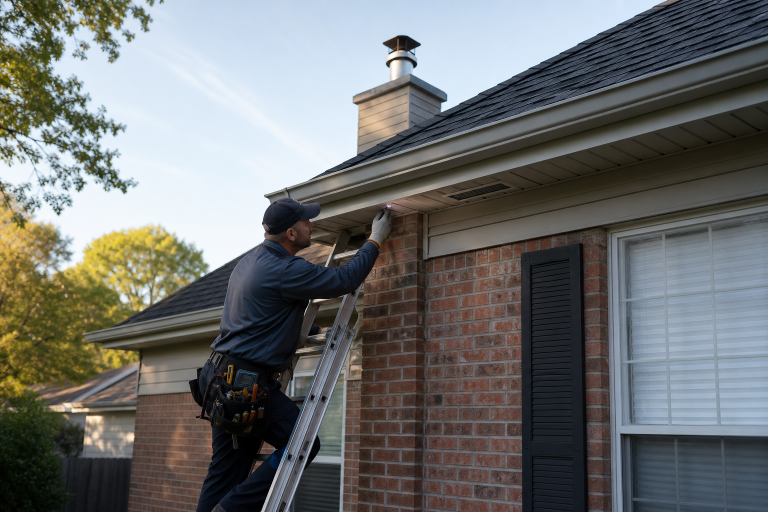
Look for patterns that identify a route. Activity concentrated under a kitchen sink can point to plumbing penetrations. Signs in a garage may trace to a door seal or wall opening. Evidence in an attic can indicate an exterior route at the eaves, roofline, or a vent, although a professional inspection is the safer choice where ladders or roof access would be required.
Do not seal an opening if you have reason to believe animals are actively using it and you have no plan for removal. Trapping an animal inside a wall or enclosed void can create a new problem. A licensed pest-management professional can determine the likely travel route, remove the animals under an appropriate plan, and recommend exclusion work after activity has stopped.
When is professional pest control the practical next step?
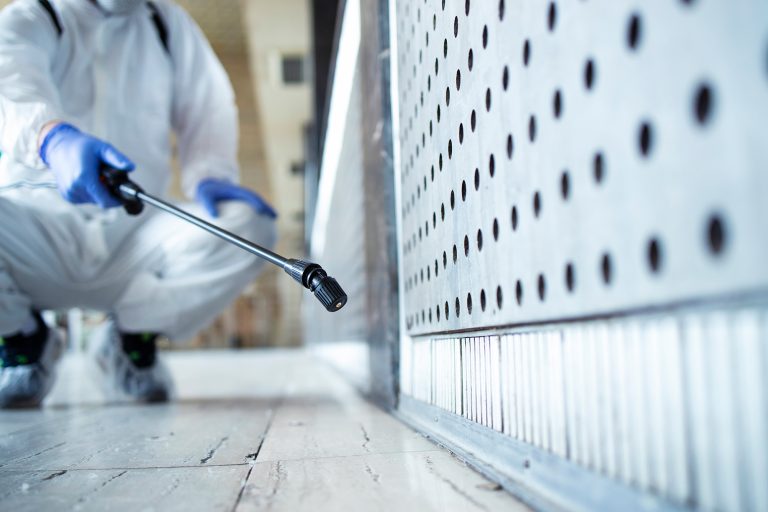
Professional help is warranted when activity persists, the entry route is inaccessible, or the repair involves a crawlspace, attic, roofline, wiring, plumbing, or structural damage. A thorough visit should identify evidence, likely access points, the removal method, and the exclusion repairs separately.
Ask for the scope in writing. It should say whether inspection, trapping or other control measures, sealing work, follow-up visits, and cleanup are included. Vague quotes that promise to “rodent-proof” a house without listing openings and materials make it difficult to compare proposals or confirm what was completed.
For households that prefer to limit routine chemical use, integrated pest management puts exclusion and sanitation first, then uses targeted control when needed. Abodence’s review of eco-friendly pest-control approaches covers the practical limits of product-only solutions.
If you are finding recurring activity after storms or cannot locate the entry point, request an assessment and a written exclusion scope from a qualified local pest-management provider. Please call a listed specialist for a free, no-obligation discussion.
FAQ
Can heavy rain drive mice and rats into a house?
Yes, prolonged wet weather can make dry, protected building spaces more appealing when rodents are seeking shelter. The EPA identifies food, water, and shelter as the main resources that draw rodents into structures, so closing gaps and reducing those resources gives them fewer reasons and fewer routes to enter.
Can rodents enter through a foundation vent?
Yes, a missing, torn, or poorly fitted vent screen can create an accessible opening. Inspect the vent cover and its attachment to the wall, then use a replacement screen or cover that maintains the opening’s intended function rather than blocking it solid.
Should you use expanding foam to keep rodents out?
Foam may fill a small gap, but it is not a universal exclusion repair and may be unsuitable around vents, drainage paths, or utility equipment. Match the repair material to the opening, and have a professional assess larger gaps or openings near electrical, plumbing, gas, or HVAC components.
How soon should you inspect after a nor’easter?
Inspect once wind, standing water, and other outdoor hazards have passed. Begin with the foundation, doors, vents, siding edges, and utility entries, then record any damage that needs a durable repair or professional assessment.