Pest Treatment Timelines: 5 Clear Facts About How Long Elimination Takes
Focus Keyword: pest treatment timeline
A pest treatment timeline is a practical concern most homeowners ask about during a consultation. Why? Because, the answer affects where you sleep, what you move, and how quickly you need follow-up service. The short version is that some pests can be brought under control in days, while others take weeks or months to eliminate fully. The timeline depends on the pest, the treatment method, whether eggs or hidden colonies are involved, and whether the plan includes follow-up visits.
For example, the U.S. Environmental Protection Agency advises homeowners to ask what pests will be controlled, what products will be used, and whether the company expects multiple treatments. That matters because a realistic schedule is part of choosing a competent provider, not a minor detail after the job is sold.
This guide focuses on the pests homeowners ask about most often: ants, termites, rodents, roaches, and a few other common household pests. It explains what a normal timeline looks like and what can slow the process down.
How long does a pest treatment usually take?
Most household pest problems fall into a range of a few days to a few months, depending on whether the target is individual pests, nesting sites, or a large hidden population. A simple ant trail may drop off quickly after treatment, while a termite colony can require ongoing monitoring even after the main treatment is complete.
Published guidance from the National Pest Management Association explains that treatment programs are pest-specific and often require inspection, treatment, and follow-up rather than a single universal fix. Product labels approved by the EPA also control how and where a pesticide may be used, which affects timing and re-treatment intervals.
In plain terms, visible activity often decreases before the infestation is actually gone. If a company promises same-day elimination for every pest, that is a reason to ask harder questions about the scope of work and the follow-up plan.
How long does ant treatment usually take?
Many ant problems improve within several days, but full control often takes one to three weeks when the treatment is designed to reach the colony. Ants are often managed with baits rather than only contact sprays, because the goal is to get the active ingredient carried back to the nest.
According to BASF product guidance for ant bait use, foraging ants may continue to appear while the bait is working through the colony. Importantly, seeing some activity right after treatment does not automatically mean the plan failed.
What speeds ant control up?
Better results usually come when the treatment matches the ant species and the bait is left undisturbed. Wiping away trails too aggressively, using repellent sprays near bait placements, or treating the wrong ant species can slow the process.
Moisture issues and outdoor nesting can also extend the timeline. If ants are entering from mulch beds, wall voids, or tree branches, indoor treatment alone may not finish the job.
How long does termite treatment take to work?
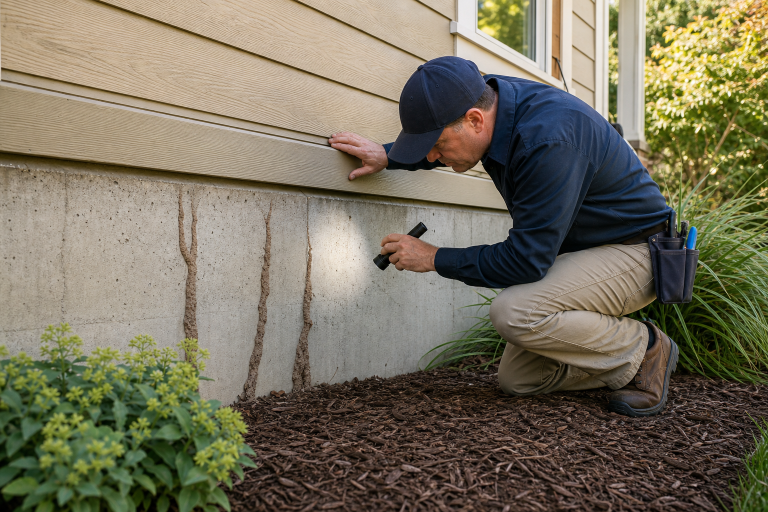
Most termite treatment plans start protecting the structure quickly, but complete colony elimination or confirmation of control can take weeks to several months. The timeline changes a lot by method: liquid soil treatments, bait systems, and localized wood treatments do different jobs.
Per the University of Kentucky Entomology termite guidance, termite baits generally take longer than liquid treatments because termites must find the bait and feed on it over time. The same guidance explains that liquid termiticides are commonly used to create a treated zone in the soil around the structure.
Why do termite timelines vary so much?
Subterranean termites live out of sight and may enter through multiple points, so the treatment has to address the colony behavior and the structure layout. Slab foundations, additions, wells, drainage details, and inaccessible areas can all change the plan. Some methods are meant to stop entry at the structure. Others are meant to reduce or eliminate the colony over time.
If you want a deeper look at lower-toxicity approaches and where they fit, Abodence also covers eco-friendly pest control and whether it works as well as chemicals.
How long does rodent treatment take?
Many rodent problems take one to six weeks to bring under control, and longer if exclusion work is delayed or the infestation is heavy. Mice and rats are different from crawling insects because killing or trapping the animals without closing entry points often leads to repeat activity.
The Centers for Disease Control and Prevention states that the key steps are sealing up, trapping, and cleaning up. That sequence is useful for homeowners because it shows why a rodent timeline is tied to repair work as much as to pest control products.
What usually makes rodent elimination take longer?
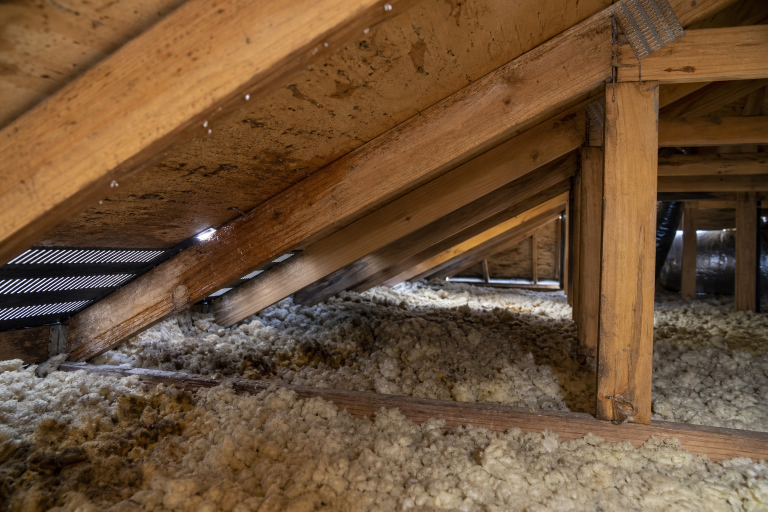
Open gaps around pipes, garage doors, rooflines, crawl spaces, and utility penetrations are the biggest reason. If a service visit sets traps but the access points stay open, new rodents can replace the ones removed.
Food storage and clutter matter too, especially in garages, attics, and utility rooms where nesting material is easy to find. In larger homes, detached garages, and older houses with many hidden voids, a realistic schedule often includes several checks and trap resets.
How long does roach treatment usually take?
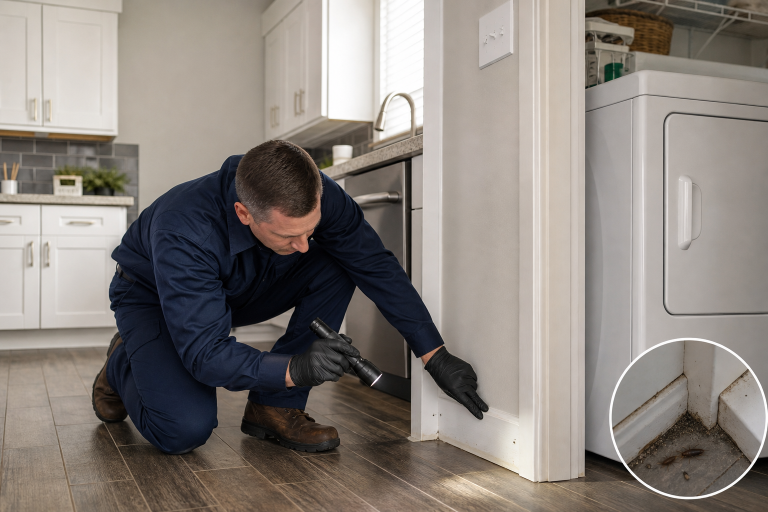
Most roach infestations need several weeks, and larger German cockroach problems often need multiple visits over a month or more. Roaches are difficult because they hide well, reproduce quickly, and often require a combination of bait, insect growth regulator, dust, and sanitation improvements.
According to product guidance from Advion and Gentrol, which are widely used in professional roach programs, baits and growth regulators are designed to work over time rather than as an instant knockdown-only approach. That is one reason a professional may tell you to expect gradual improvement instead of overnight elimination.
Which roach situations take the longest?
German cockroaches in kitchens, shared walls, and multi-unit buildings are usually the most stubborn. Heavy grease buildup, leaks, and crowded storage areas give them food, water, and shelter all at once.
By contrast, an occasional large roach entering from outdoors may be a perimeter issue rather than an indoor infestation. In that case, the simpler and cheaper fix may be exterior treatment and entry-point reduction, not an intensive interior program.
How long do other common pest treatments take?
Other household pests usually fall into a middle range, with some improving in days and others requiring repeated service over weeks. The key is whether the pest has hidden breeding sites, seasonal pressure, or a life cycle that outlasts the first treatment.
Spiders
Visible spider activity may drop within days after treatment, but lasting improvement often depends on reducing the insects they feed on. Exterior web removal and perimeter service are often part of the plan.
Fleas
Flea jobs commonly take several weeks because pupae can keep emerging after the first service. Product guidance from Zoecon for insect growth regulators explains why follow-up timing matters when immature stages are still developing in carpets, cracks, or pet resting areas.
Mosquitoes
Outdoor mosquito reduction can happen quickly, often within a day or two after treatment, but ongoing control usually requires repeated service during the season. Rain, standing water, and vegetation density can shorten how long a treatment performs.
What makes a pest treatment timeline shorter or longer?
The biggest variables are pest biology, infestation size, hidden access, and whether the treatment plan includes enough follow-up. Two homes with the same pest can have very different timelines if one has easy access to nesting sites and the other has wall voids, crawl spaces, or shared building walls.
- Pest species: Carpenter ants, German roaches, and subterranean termites behave differently and respond to different methods.
- Life cycle: Eggs, pupae, and hidden colony members can survive the first round and emerge later.
- Structure conditions: Moisture, food sources, clutter, and unsealed gaps extend treatment time.
- Treatment method: Baits, liquid barriers, trapping, exclusion, and growth regulators all work on different schedules.
- Follow-up visits: Rechecks are often where a good plan is confirmed, adjusted, or completed.
How can you tell whether treatment is working or failing?
A normal early sign is reduced activity over time, not necessarily zero sightings on day one. Some pests become more visible briefly after treatment, especially when baits, flushing agents, or hidden harborage disruption are involved.
What you want from the provider is a measurable expectation. That can mean fewer live roaches in monitored areas, no fresh rodent droppings after exclusion and trapping, or no new termite evidence at follow-up inspection points.
- No change at all after the provider’s stated window for that method
- New activity in the same hotspots with no adjustment to the treatment plan
- No follow-up inspection when the original scope clearly required one
- Unclear instructions about cleaning, access, pets, or bait disturbance
- Repeated upsells without explaining what failed in the original scope
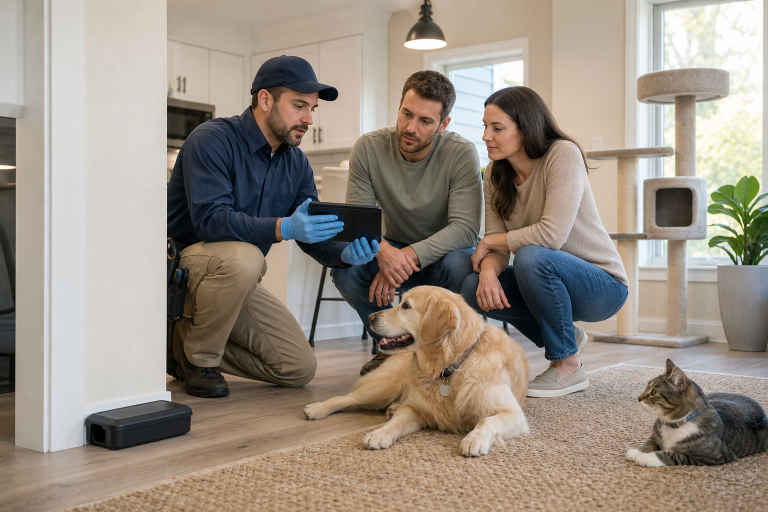
If safety around children and animals is part of your decision, Abodence also explains pest control safety for parents and pet owners before treatment.
What should you ask before agreeing to a treatment plan?
The most useful questions are the ones that turn a vague service call into a defined scope with a real schedule. The EPA recommends asking what the treatment is intended to do, how long it should take, and what follow-up may be needed.
- What pest are you specifically treating for?
- What method are you using, and why is it the right one for this pest?
- When should activity start to decline?
- How many visits are included in the quoted price?
- What conditions in the home could slow the results?
- What signs would tell us the plan is not working?
- Will any exclusion, moisture correction, or sanitation work be needed from another contractor?
FAQ
Can pest treatment work after just one visit?
Yes, some minor pest issues can be controlled in one visit, but colony pests, rodents, and heavier infestations often need follow-up service to confirm elimination.
How long after treatment should you still expect to see bugs?
Several days to a few weeks can be normal, depending on the pest and method, especially when baits or growth regulators are part of the plan.
How long does it take to get rid of termites completely?
Weeks to months is a realistic range for termite control, because some systems protect the structure quickly while colony elimination and monitoring take longer.
Why are roaches still showing up after treatment?
Gradual reduction is common with roach programs, because hidden populations, egg cases, and re-infestation from nearby units can extend the timeline.
Do rodents go away faster than insects?
One to six weeks is common for rodent control, but the schedule depends heavily on sealing entry points as well as trapping.
If you are comparing quotes and want help understanding whether the proposed pest treatment timeline is realistic for your situation, Abodence can help you sort through the options and request a clearer scope. Please call a listed specialist for a free, no-obligation discussion.
Sources: National Pest Management Association, BASF, Advion, Gentrol, Zoecon