Should I turn off my HVAC system before a hurricane hits?
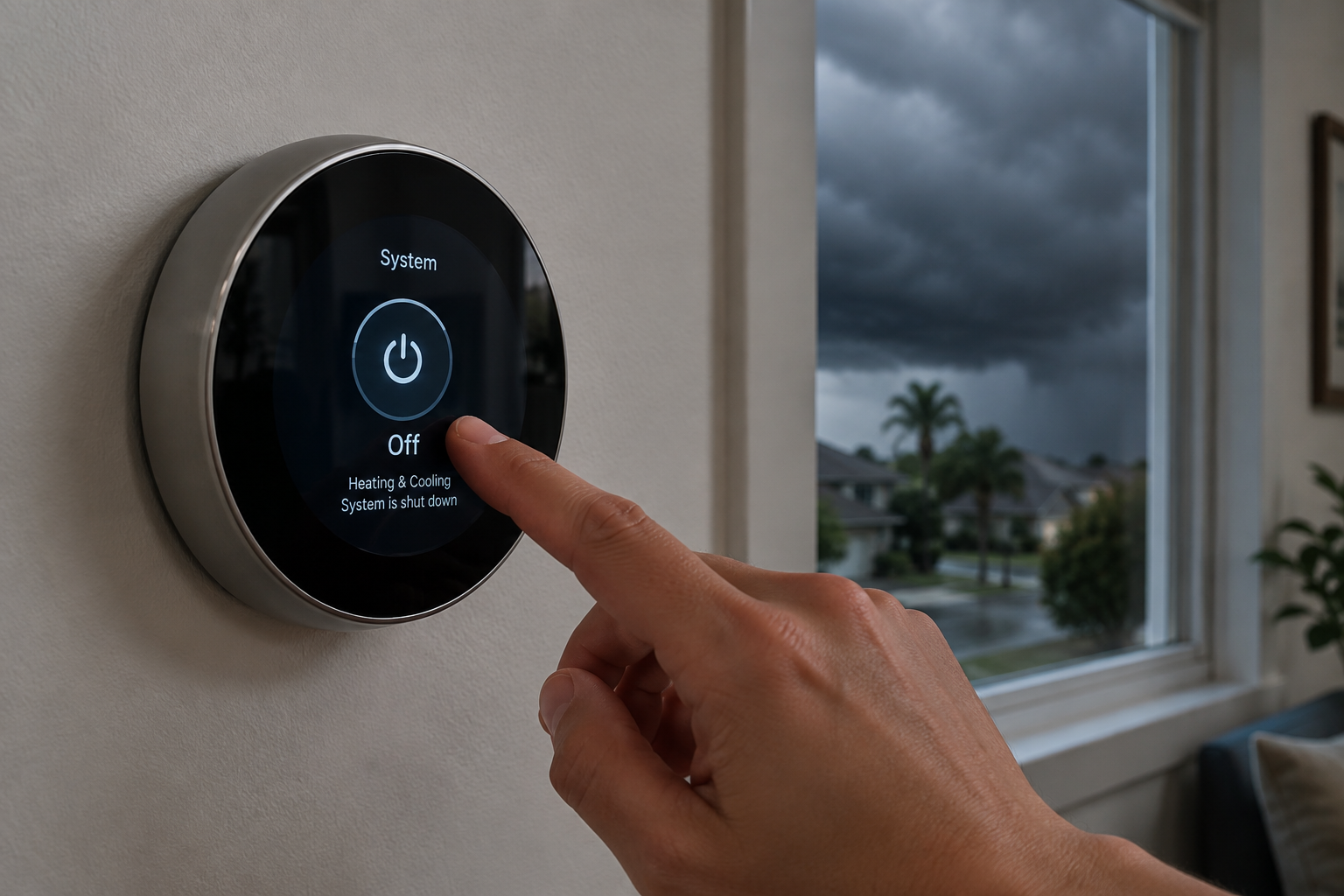
Yes, turn your air conditioner off at the thermostat before hurricane conditions arrive. If a prolonged outage, storm surge, or flooding is possible, turn off power to the outdoor HVAC equipment at its dedicated breaker or disconnect only if you can reach it safely and identify it with certainty. Do not shut down your home’s main electrical service solely for the air conditioner.

Call for a free estimate:
This distinction matters. A thermostat stops the system from calling for cooling, while the dedicated circuit breaker or outdoor disconnect removes normal electrical power from the equipment. Both steps can prevent an automatic restart during unstable utility service, but neither makes flooded or physically damaged equipment safe to use.
What should you do with your air conditioner before hurricane conditions arrive?
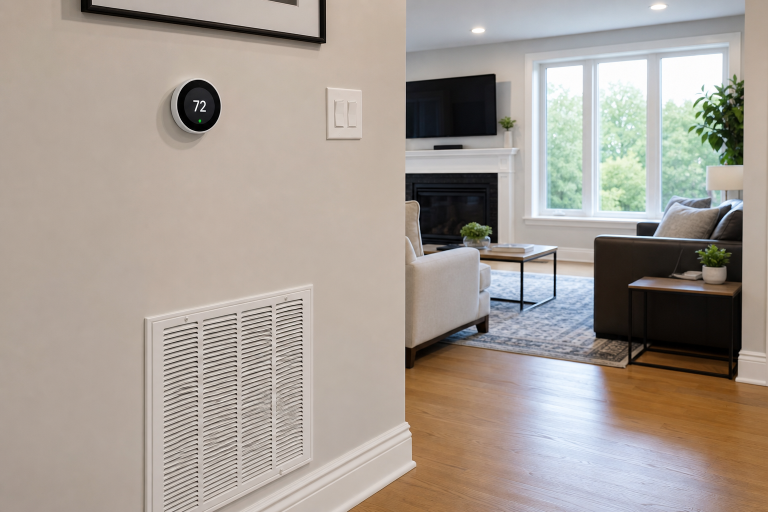
Switch the thermostat from cooling to off before high winds, flooding, or an outage begins. Trane’s homeowner guidance, How to Prepare Your HVAC Unit for a Hurricane, advises turning the system off before the storm and disconnecting its power at the breaker to reduce the chance of damage when electricity is interrupted or restored.
Do this while the area is dry, daylight remains, and there is no immediate threat. Waiting until wind-driven rain has started can put you near wet electrical equipment when attention should be on evacuation instructions, shelter, and other household safety preparations.
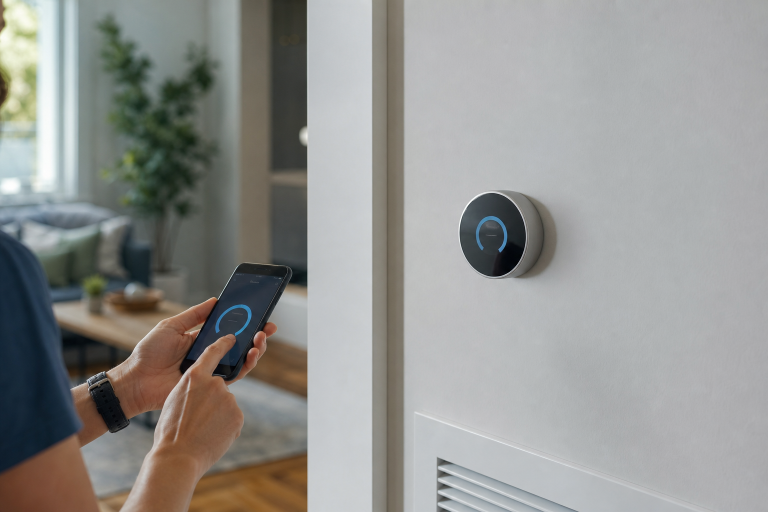
If you use a smart thermostat, choose the actual system-off setting rather than simply raising the cooling temperature. A high setpoint may still allow the system to run if indoor temperatures climb enough before the storm.
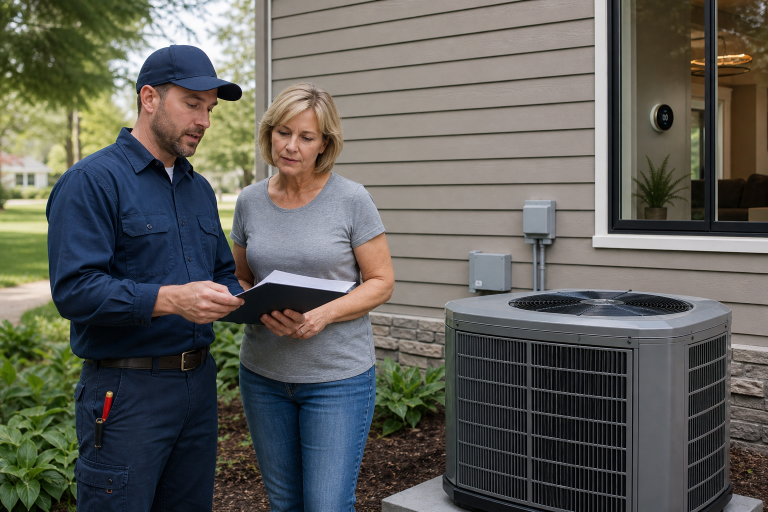
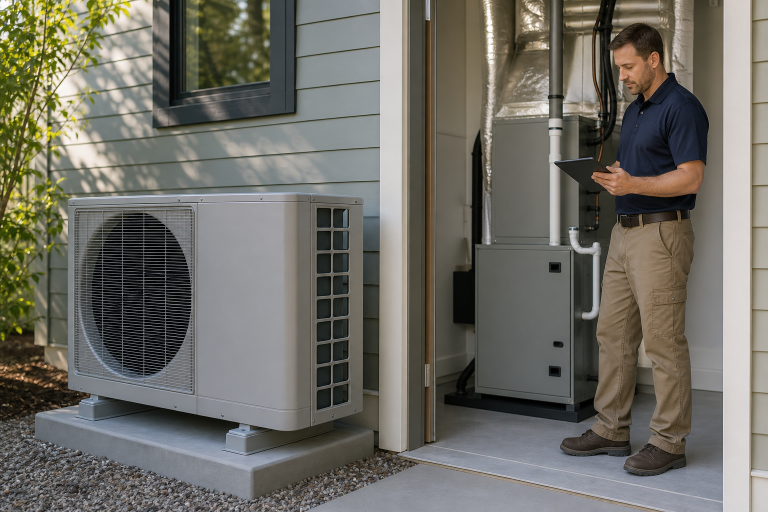
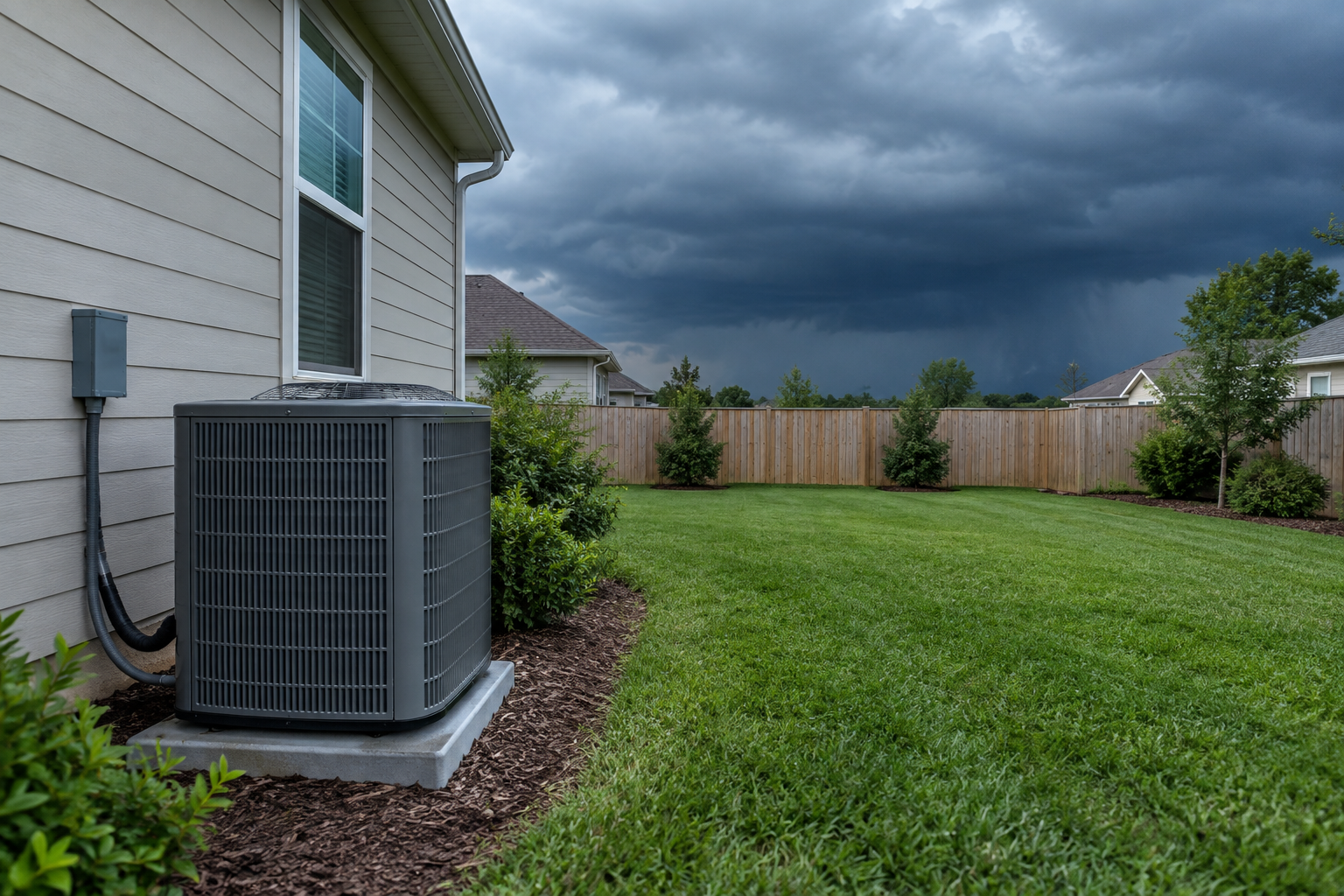
For a central air conditioner or heat pump, the relevant equipment is usually the outdoor condenser or heat-pump unit and its dedicated circuit. A furnace or indoor air handler may be on a separate circuit. Leave equipment you cannot identify alone rather than guessing at switches in the panel.
Should you also turn off the HVAC breaker?
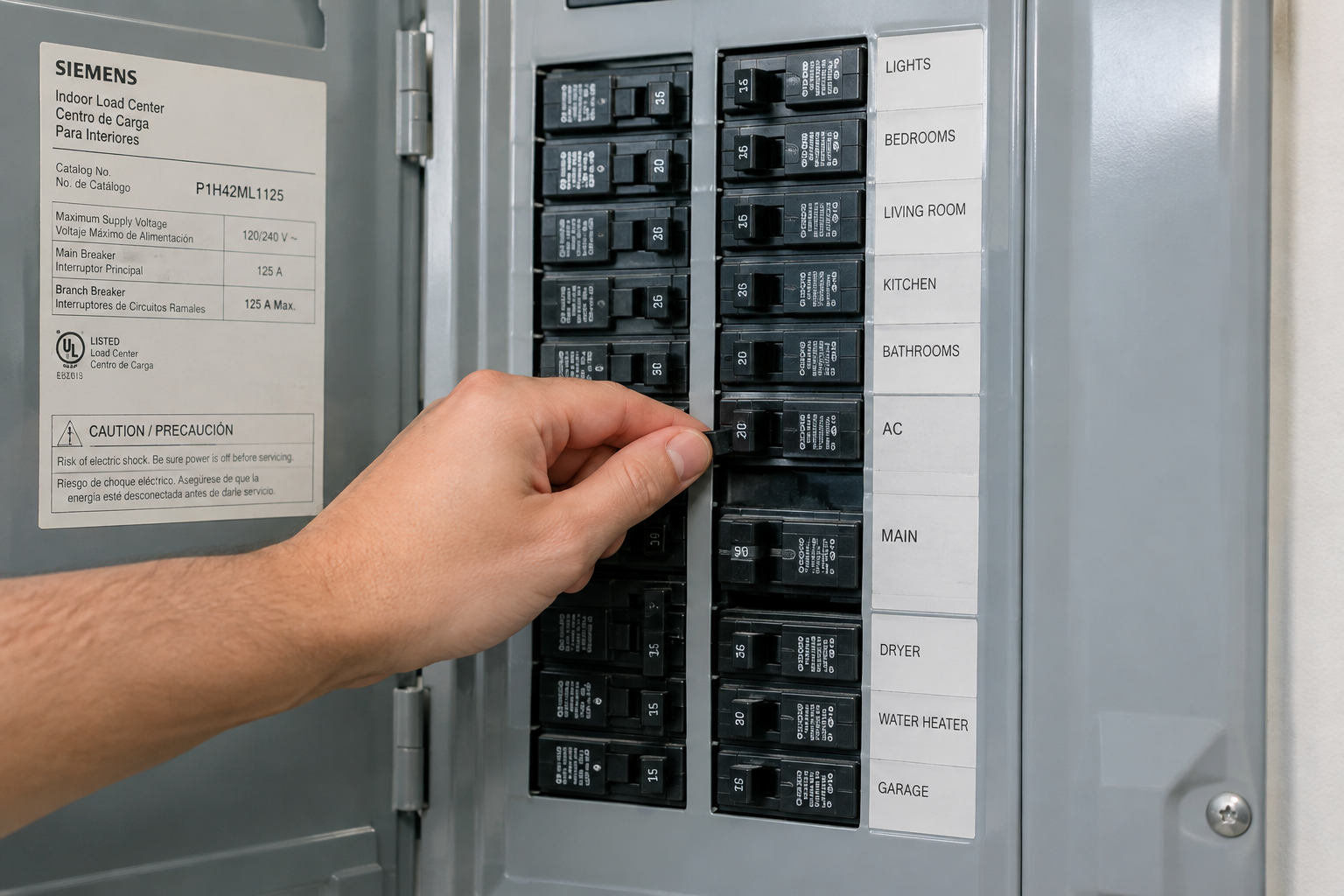
Turning off the dedicated HVAC breaker is sensible when you expect an outage, utility fluctuations, or water exposure, provided the panel and surrounding floor are completely dry and safely accessible. It isolates the air conditioner or heat pump from the electrical supply after the thermostat has been switched off.
Use the breaker specifically assigned to the outdoor unit, or the local service disconnect typically found beside it. Labels vary, but may refer to AC, condenser, heat pump, or HVAC. Do not pull fuses, remove panel covers, or work around wiring.
A breaker is an overcurrent device, not a complete answer to voltage surges. Eaton’s Surge Protective Device Application Guide distinguishes the job of overcurrent protection from the job of a surge protective device. Shutting off a dedicated circuit can prevent the unit from trying to run through an outage or immediate restoration, but it does not replace properly selected surge protection or mitigate storm-related electrical damage.
Keep the system off through the storm and while utility service is visibly unstable. Do not repeatedly reset a tripped breaker. A breaker that trips after power returns may signal a fault in the equipment, wiring, or a water-affected component, which calls for qualified electrical or HVAC assessment rather than repeated resets.
When should you leave the main electrical breaker alone?
Many people leave the whole-house main breaker in its normal position unless local officials, your utility, or an emergency plan specifically directs you to shut off all power. The HVAC circuit can be isolated without turning off lighting, refrigeration, communications equipment, or other circuits that may be needed before an outage.
The Federal Emergency Management Agency advises residents to turn off utilities only if instructed to do so and to learn how to shut them off before an emergency occurs. Its hurricane preparedness guidance also directs households to follow instructions from local authorities. Local flood risk, evacuation orders, and utility conditions can make the broader decision different from the narrow question of protecting an air conditioner.
Never operate a breaker panel, outdoor disconnect, or HVAC control when you are standing in water or when the equipment has been wet. Do not open an electrical panel to inspect its interior. The Consumer Product Safety Commission advises people in flooded homes to avoid electrical equipment that has been exposed to water and to have a qualified electrician assess affected systems.
Should you cover the outdoor condenser before a hurricane?
Do not use a loose tarp, plywood sheet, or improvised cover as a last-minute way to protect the outdoor unit. High winds can turn unsecured materials into debris, trap moisture against the cabinet, or block drainage and airflow after the storm.
Carrier’s Preparing Your Air Conditioner for a Hurricane advises securing loose items around the outdoor unit and avoiding an airtight covering. The useful preparation is to remove furniture, planters, toys, branches, and other objects that could strike the cabinet or block the coil. If the unit has a manufacturer-approved cover designed for the model, follow that model’s instructions rather than adapting a generic cover.
Do not place heavy objects on top of the unit. The fan guard and cabinet are not designed as a platform for sandbags, roof materials, or storm supplies. If the condenser is in a flood-prone location, a pre-storm visit from a licensed HVAC contractor can clarify whether its mounting, elevation, disconnect location, and drainage need longer-term changes.
What should you inspect before turning HVAC equipment back on?
Wait until the storm has passed, the area is dry, and normal utility service has returned before considering a restart. Check from a safe distance for standing water, a shifted pad, loose or crushed refrigerant lines, bent cabinet panels, fallen branches, or other visible impact damage. Keep the system off if any of those conditions are present.
Floodwater changes the decision completely. The Consumer Product Safety Commission’s flooded-home electrical safety guidance says electrical equipment exposed to water should be evaluated by a qualified electrician before it is energized. An HVAC contractor may also need to assess the outdoor unit, indoor equipment, controls, and ductwork, depending on what water reached. Drying the outside of a unit does not establish that internal electrical parts are safe.
For a broader checklist focused on equipment after water exposure, see AC flood safety checks before restarting HVAC.
What belongs in a hurricane HVAC plan?
A short written plan prevents rushed decisions when warnings begin. Identify the thermostat setting, the dedicated HVAC breaker or disconnect, and the conditions that mean no one should touch either one, especially around standing water or active flooding.
Call for a free estimate:
- Photograph the outdoor unit, refrigerant lines, electrical disconnect, and surrounding area before the season, so post-storm changes are easier to spot.
- Clear loose outdoor objects from around the unit before watches and warnings make outdoor work unsafe.
- Keep the model and serial numbers, warranty documents, and HVAC contractor contact information with other home records.
- Review whether your home has a surge protective device at the electrical service and ask a licensed electrician about options appropriate to the panel.
- After an outage, use a flashlight rather than a generator-powered extension cord to inspect the unit at night. Do not connect portable generators to home wiring without equipment designed and installed for that purpose.
Routine maintenance still matters before hurricane season, but it does not make a system floodproof or impact-proof. A clear outdoor coil, secure equipment pad, and working condensate drainage address ordinary operating conditions. Storm damage, water exposure, and compromised electrical components require a separate post-storm decision.
If an older unit already has starting trouble, blower issues, or recurring breaker trips before a storm, document the symptoms and schedule service when conditions permit. The right next step may be a targeted repair rather than replacement, as outlined in this guide to deciding whether to repair or replace HVAC equipment.
FAQ
Can I just turn the thermostat off before a hurricane?
Yes, switching the thermostat to off is the first practical step because it stops the system from calling for cooling. Turn off the dedicated HVAC circuit as well when an outage or water risk is expected and the breaker or disconnect is dry, accessible, and clearly identified.
Should I turn off the AC breaker before a power outage?
Yes, shutting off the dedicated air-conditioner or heat-pump breaker before a known storm outage can keep the equipment from attempting to restart as power returns. Do not touch the panel if there is any water nearby, and do not use the main breaker unless official guidance or your household emergency plan calls for it.
How long should I wait to turn my air conditioner back on after a hurricane?
Wait until utility power is stable and you have confirmed from a safe distance that the unit and its surroundings are dry and visibly undamaged. If floodwater touched any electrical or HVAC component, wait for qualified inspection instead of restarting.
Will turning off the breaker protect my HVAC system from lightning?
It can isolate the equipment from the normal power supply, but it is not a guarantee against damage. A qualified electrician can explain whether a listed surge protective device at the service equipment suits your electrical system.
If you are unsure whether your HVAC equipment was exposed to water, impact damage, or an electrical fault after a hurricane, contact a qualified HVAC or electrical professional for an assessment and a written repair scope. Please call a listed specialist for a free, no-obligation discussion.