Should I get a pre-hurricane roof inspection?
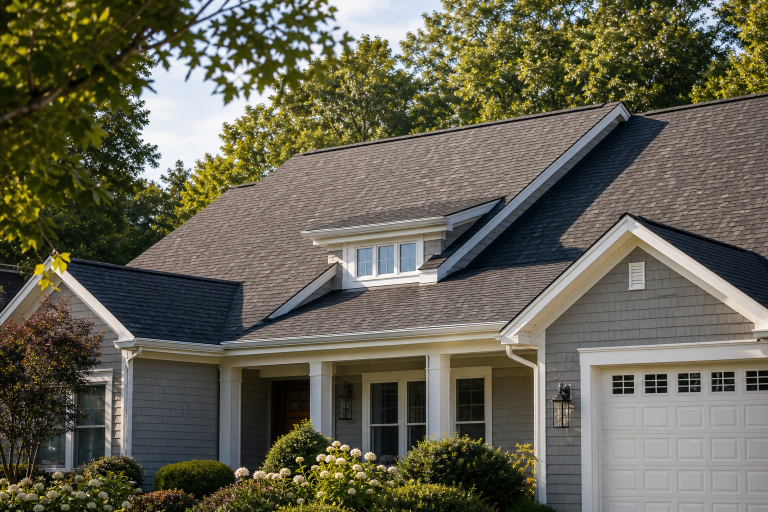
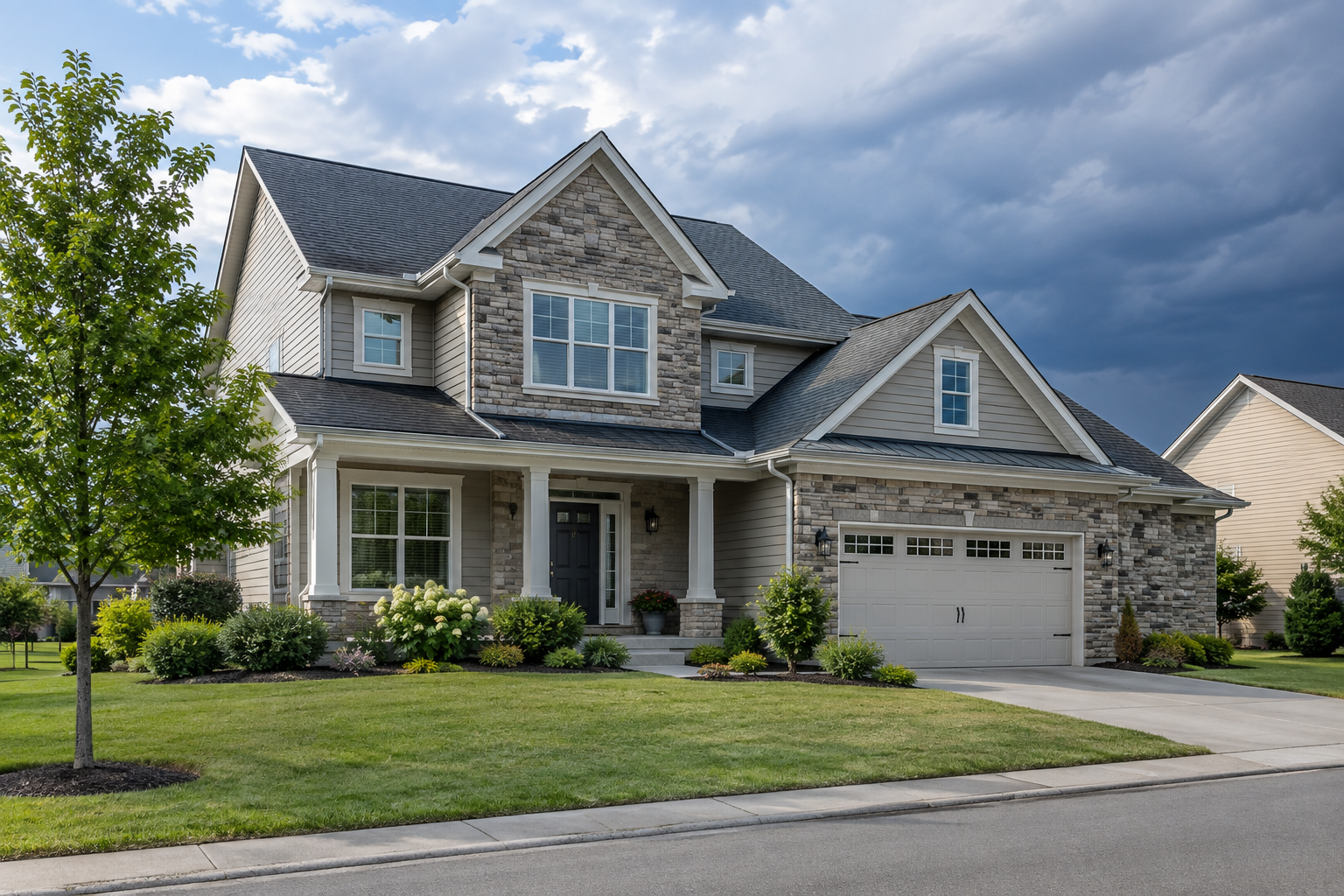
A pre-hurricane roof inspection is usually worthwhile when a hurricane may affect your area, especially if the roof is older, has had repairs, or already shows visible wear. Its value is practical: a qualified roofing professional can identify defects that may worsen in wind and wind-driven rain, explain which repairs are realistic before conditions deteriorate, and create a record of the roof’s condition before a claim-related dispute arises.

Call for a free estimate:
It cannot make an aging roof hurricane-proof, and it cannot guarantee that a roof will survive a particular storm. Wind damage depends on storm intensity, wind direction, debris, building design, installation details, and the condition of components that an inspection may not be able to see without opening the roof system.
What can an inspection identify before a hurricane?
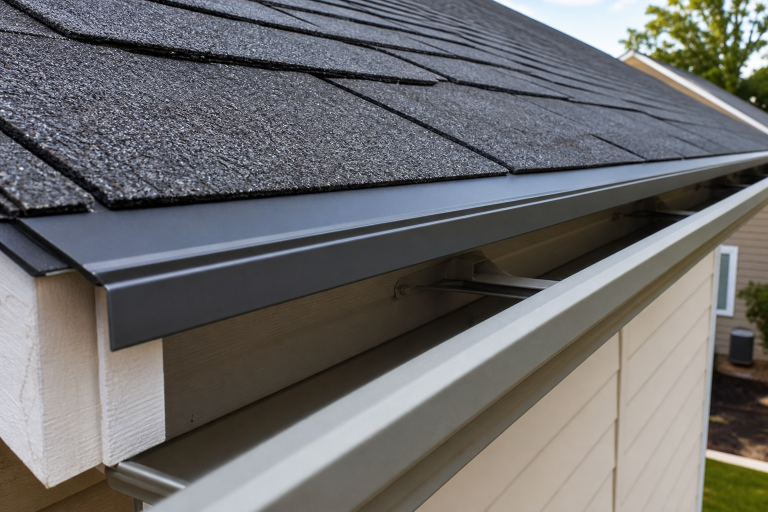
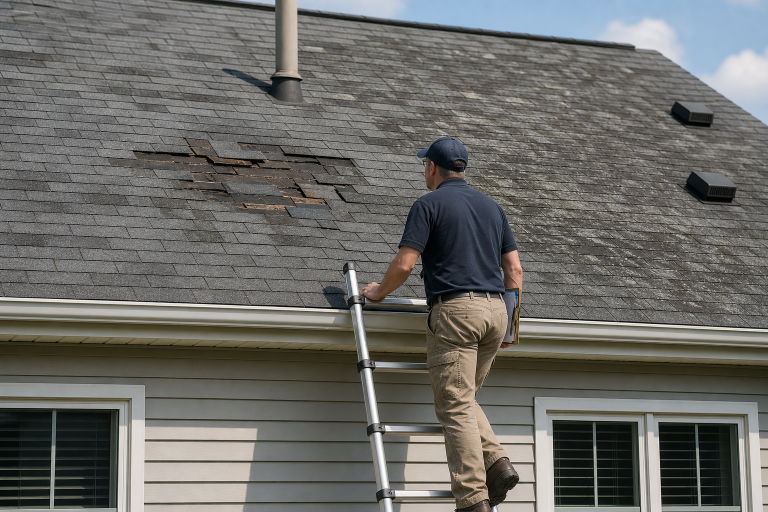
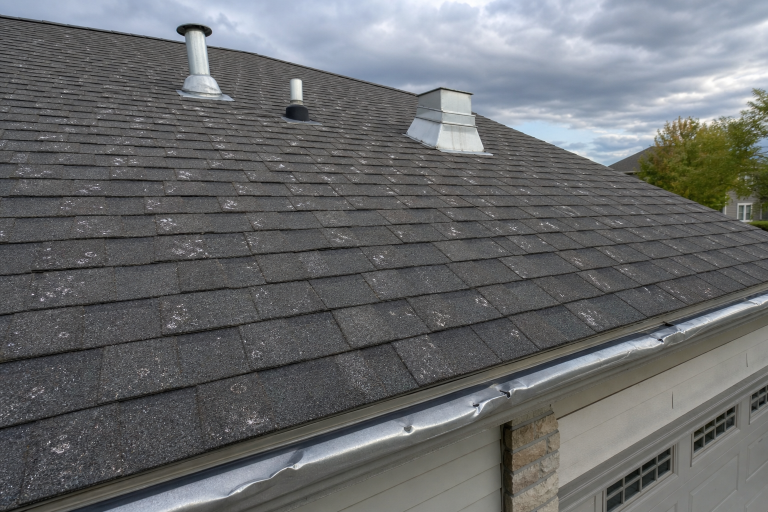
A focused evaluation can locate exposed edges, displaced shingles, damaged flashing, deteriorated sealant, blocked drainage paths, and signs that water has already entered the roof assembly. Those conditions matter because wind often begins lifting roofing at edges, ridges, penetrations, and places where materials are already loose.
The Federal Emergency Management Agency’s FEMA P-804, Wind Retrofit Guide for Residential Buildings describes the roof covering, roof deck, roof-to-wall connection, and roof shape as separate parts of a home’s wind-resistance system. A visual roof inspection mainly evaluates the covering and exposed details. It may also reveal clues that justify a closer look at the attic or a discussion of structural retrofit work, but it does not confirm hidden connections by itself.
A few missing fasteners at accessible flashing, for example, may be a limited repair. Widespread brittleness, repeated patching, broad granule loss, or visible deck movement can point to a larger decision. The inspector should explain the observed condition, the likely consequence in severe weather, and the proposed scope rather than simply labeling the roof “good” or “bad.”
Water stains on an interior ceiling deserve attention, but they do not identify the entry point on their own. A roof professional may need to inspect valleys, plumbing penetrations, chimney details, wall transitions, and attic-side evidence before attributing a stain to a particular roof defect.
Will fixing loose shingles and flashing prevent catastrophic failure?
Repairing confirmed loose or damaged components can remove known starting points for wind and rain intrusion, but it cannot promise a storm-loss outcome. Hurricane winds can damage a roof through forces that extend beyond a shingle or flashing repair, including uplift at the roof edge, failure of roof-deck attachment, or failure at the roof-to-wall connection.
An inspection is most valuable when it leads to a specific, timely correction, such as securing a loose flashing detail or replacing shingles that have already lost their seal. It is less valuable when it is marketed as a blanket assurance that a basic repair will protect every layer of the building during a major hurricane.
A reputable inspection should produce a proportionate recommendation. If the roof is generally sound and one damaged boot or flashing section is the issue, a targeted repair may be the sensible choice. If the roof has reached the end of its serviceable condition, spending heavily on scattered short-term repairs may not be a sound substitute for planned replacement after the threat has passed.
When is a pre-hurricane roof inspection most useful?
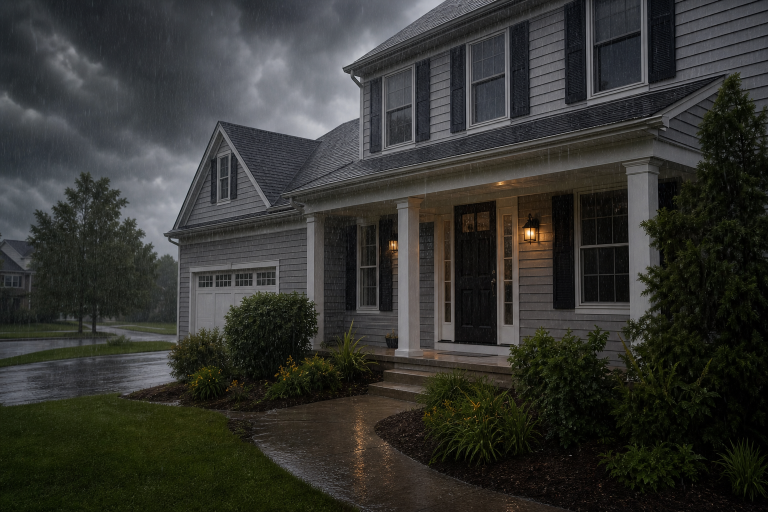
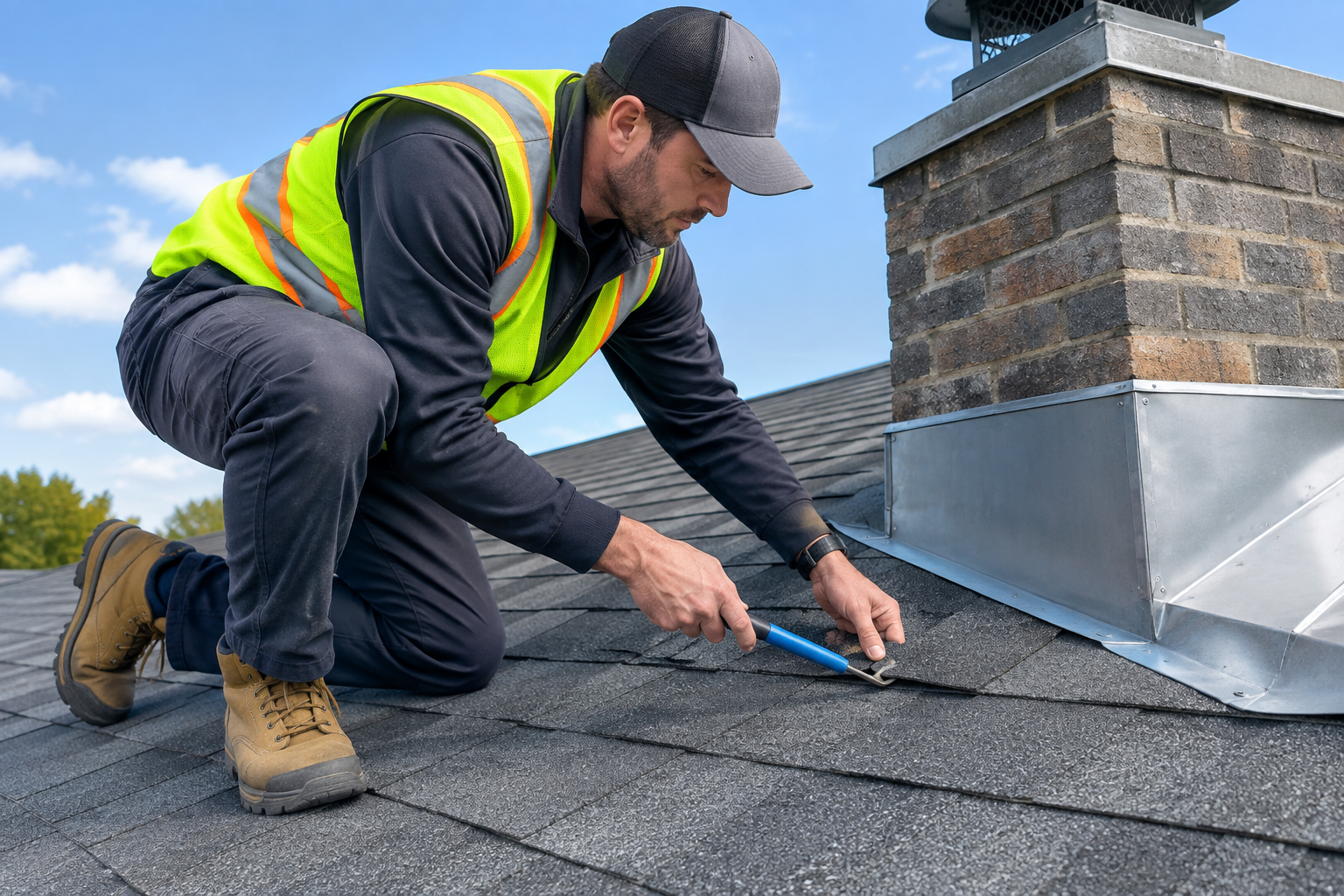
When there is enough time to inspect, obtain materials, and complete a safe repair before tropical-storm conditions arrive. The National Hurricane Center advises people in hurricane-prone areas to prepare before a storm is forecast, because watches and warnings are not a practical time to begin broad home-improvement work.
Schedule earlier in the season if your roof has a history of leaks, if a tree limb recently struck it, if you notice a lifted shingle, or if a previous contractor identified unresolved concerns. A post-storm inspection from last year does not necessarily describe the roof today. Sun exposure, thermal movement, debris, small repairs, and ordinary wear can change exposed details over time.
Homes with additions, skylights, chimneys, solar equipment, low-slope transitions, or multiple roof planes also warrant careful attention. Each transition introduces more flashing and more places where water management depends on correct overlap, fastening, and sealant condition. Complexity alone does not mean failure is likely, but it makes a quick ground-level judgment less reliable.
Once conditions become windy, roof access becomes unsafe. A contractor who declines to climb during unsafe weather is making the correct call. At that point, follow local emergency guidance, stay off the roof, document visible conditions from a safe location when possible, and use only temporary protective measures that can be performed safely and lawfully.
What should a pre-hurricane roof inspection include?
Ask the contractor to state which roof areas were viewed, whether the attic was accessible, what could not be evaluated, and whether recommendations are immediate repairs, monitoring items, or longer-term replacement planning.
- Roof covering condition, including missing, cracked, lifted, slipped, or poorly repaired shingles or tiles.
- Flashing at chimneys, walls, skylights, valleys, vents, and other penetrations.
- Ridge caps, hips, rake edges, eaves, gutters, and drip-edge areas where wind exposure can be high.
- Visible signs of ponding, debris buildup, damaged sealant, corroded metal, or drainage problems on low-slope sections.
- Accessible attic evidence, such as water staining, daylight at penetrations, or visible deck deterioration.
- Photographs tied to the written findings, plus a repair proposal that identifies materials and affected areas.
A visual inspection has boundaries. A contractor may not be able to see concealed rot, verify every fastener, determine deck thickness, or inspect roof-to-wall connectors without invasive work. Those limitations should appear in the report, particularly when someone is making claims about “certifying” the roof for a hurricane.
Ask whether the recommendation is repair, maintenance, replacement planning, or a wind-mitigation assessment. Those are different services with different scopes. A replacement warning sign may justify a broader conversation, and this guide to spot repair versus full roof replacement can help frame that decision.
How should you choose a contractor and compare the findings?
Use a properly licensed and insured roofing contractor where licensing applies, and verify the credentials through the relevant state or local licensing authority. License rules, permit requirements, and accepted repair methods vary by location, so a national checklist cannot replace local requirements.
Ask for an itemized written proposal if repairs are recommended. It should identify the repair locations, material type, replacement flashing or accessory details, expected work sequence, disposal, permit responsibility where applicable, and warranty terms. A one-line estimate can leave room for a dispute about whether damaged deck material, matching shingles, underlayment, or flashing were included.
Pressure tactics are a reason to pause. An inspection finding may be legitimate, but a contractor should be able to show the condition in photos, explain why the proposed scope addresses it, and give you time to compare written options when no immediate life-safety hazard exists.
Call for a free estimate:
Pay close attention to warranty language. A workmanship warranty covers the contractor’s installation work under its stated terms, while a manufacturer warranty can have separate limits, exclusions, registration steps, and transfer rules. Before authorizing a repair or replacement, review the details described in this roof warranty terms guide.
Should you make repairs before the storm or wait until after?
Complete limited, clearly defined repairs before the storm when a qualified contractor can safely perform them and materials are available. Securing an identified loose component before high winds is generally more sensible than knowingly leaving it exposed and hoping a later emergency repair will be possible.
Consider delaying elective replacement when the roof has no active defect that a contractor identifies as requiring immediate correction, the forecast window is too short for careful work, or safe completion is uncertain. Rushed work creates its own problems, particularly if existing materials must be opened and cannot be properly dried, sealed, or secured before incliment weather arrives.
For a roof near the end of its life, the sensible sequence may be a narrow repair now, storm documentation afterward, and a planned replacement when conditions stabilize. The correct choice depends on the inspected defect, not on the age of the roof alone.
How can you prepare after the inspection without creating new damage?
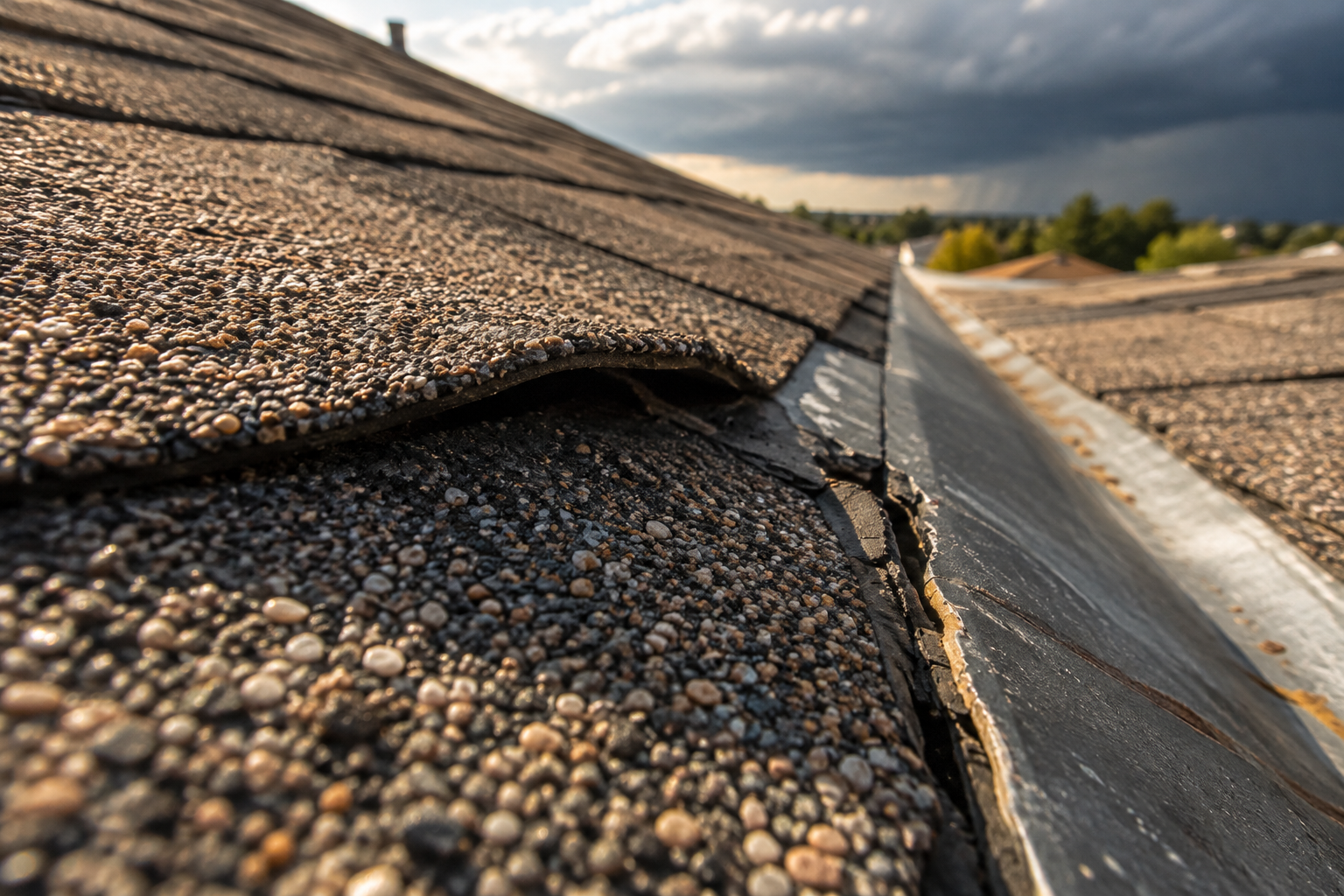
Use the findings to address the contractor’s stated repair priorities, clear loose yard items according to local hurricane guidance, and keep copies of the inspection report, photographs, repair invoice, and warranty documents. Photographs taken before a storm can help establish pre-storm condition, although they do not determine insurance coverage.
Avoid walking on the roof, applying unapproved coatings, driving nails through shingles, or covering the roof with improvised materials unless a qualified professional directs the work. Surface changes can damage the roof or complicate later assessment. FEMA P-804 also makes clear that durable wind-resistance improvements involve compatible solutions across the roof system, not random additions made in the days before landfall.
Check your insurer’s policy documents before a storm if you have questions about deductibles, reporting deadlines, temporary repairs, or documentation. Coverage and claim decisions depend on the specific policy and the facts of the loss, so an inspection report is useful documentation rather than a guarantee of payment.
FAQ
Can a roof inspection tell whether my roof will survive a hurricane?
No, a visual assessment can identify observed vulnerabilities and recommend repairs, but it cannot predict performance in a specific hurricane. Storm intensity, wind direction, debris impacts, hidden construction details, and conditions that develop during the event remain outside the inspector’s control.
How far ahead of hurricane season should I schedule a roof inspection?
Several weeks or months before the usual local storm season is the practical window because it leaves time to compare proposals, obtain materials, and complete repairs without a forecast deadline. The National Hurricane Center’s preparation guidance supports acting before a storm is approaching rather than beginning major work during watches or warnings.
Is a roof inspection worth it if the roof is only a few years old?
Yes, recent storm exposure, fallen branches, visible lifting, installation concerns, or a leak can justify an evaluation even on a newer roof. If none of those conditions exists and the roof has documented recent work in good condition, a full pre-storm inspection may be less urgent than maintaining records and checking accessible areas from the ground.
Can an inspector repair problems during the same visit?
Sometimes, a contractor may be able to complete a small repair during the visit if the scope is clear, conditions are safe, and the correct materials are available. Larger work should be documented in a written proposal so you can see exactly what will be repaired and what remains outside the scope.
If you have visible roof damage, a leak history, or an upcoming hurricane season to plan for, request a written roof assessment and repair quote from a qualified local roofing contractor. Please call a listed specialist for a free, no-obligation discussion.