Ice Dam Prevention: A Clear Homeowner Guide for Winter Roof Protection
Ice dam prevention starts inside the house, not on top of the roof. The most reliable way to reduce ice dams is to limit heat escaping into the attic, keep attic ventilation balanced, and manage snow and drainage so meltwater can leave the roof instead of backing up under shingles.

Call for a free estimate:
An ice dam forms when roof snow melts over a warmer section of roof, then refreezes at the colder eaves. According to the U.S. Department of Energy Building America Solution Center, the core prevention strategy is to seal attic air leaks, add insulation, and provide ventilation that helps keep the roof deck cold.
Many homeowners are sold quick seasonal add-ons when the real problem is a warm attic, blocked ventilation path, or poor drainage detail at the roof edge. This guide focuses on what building science sources, roofing guidance, and code-related references actually support, so you can decide whether your next step is maintenance, insulation work, ventilation correction, or a roofing contractor visit.
Why do ice dams form on some homes and not others?
Uneven roof temperature is the usual reason one home gets ice dams while a nearby home does not. The DOE Building America guidance explains that warm air leaking from the living space into the attic can heat the roof deck enough to melt snow, while the colder overhang near the eaves refreezes that water into a ridge of ice.
Attic bypasses are a common cause. Openings around recessed lights, plumbing penetrations, wiring holes, attic hatches, and top plates can let indoor heat rise into the attic. When enough heat collects under the roof sheathing, snow above that section starts melting even if outdoor air remains below freezing.
Roof geometry also matters. Valleys, dormers, skylights, and long shaded slopes can hold snow differently and create local cold and warm zones. Gutter conditions matter too. If drainage at the edge is restricted by debris or frozen buildup, water has fewer paths off the roof.
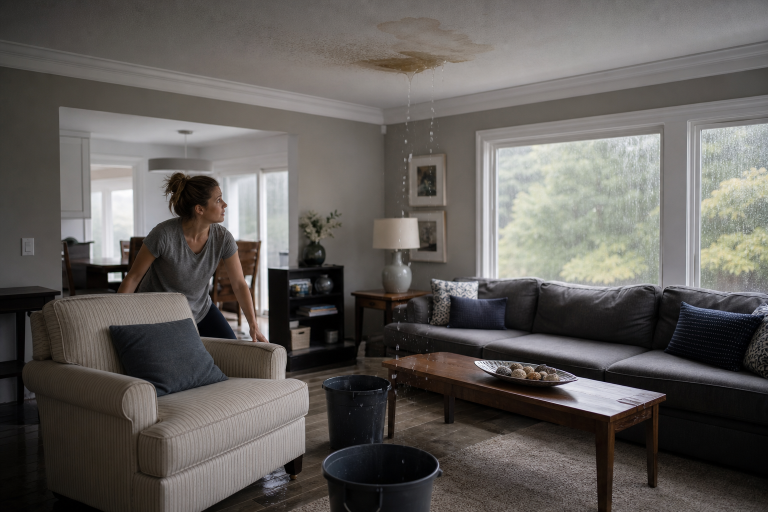
According to the International Association of Certified Home Inspectors, ice dams can lead to water intrusion when backed-up meltwater works beneath roof coverings. That is why prevention focuses on temperature control and drainage rather than on simply breaking ice after it appears.
What is the most effective way to prevent ice dams?
Air sealing the attic floor and improving insulation are the most effective long-term measures for most homes. The DOE Building America guidance identifies air leakage control as a primary step because moving warm air carries far more heat into the attic than simple heat flow through drywall alone.
Start with the ceiling plane, which is the boundary between the heated house and the unconditioned attic. If that boundary leaks, extra attic insulation helps, but it may not solve the root problem by itself. Sealing penetrations first usually gives better results than piling on insulation over active air leaks.
After air sealing, insulation depth and coverage matter. U.S. Department of Energy guidance says insulation should be installed to the proper level for your climate and without major gaps, compression, or voids. Missed areas around eaves, kneewalls, and attic access openings can leave warm spots that keep the melt-refreeze cycle going.
Ventilation comes next, but only after the attic floor is tightened up. The 2021 International Residential Code, Section R806, sets out attic ventilation requirements and exceptions. In practice, balanced intake at soffits and exhaust near the ridge helps outdoor air move through the attic space, which supports a colder, more even roof surface.
How do insulation and ventilation work together?
One controls heat flow and the other helps remove excess attic heat and moisture, so both have to be right for the roof to stay consistently cold. Insulation slows heat moving upward from the house, while ventilation helps keep outdoor conditions reflected in the attic rather than indoor conditions.
Problems happen when one part is improved without the other. For example, adding insulation that blocks soffit vents can reduce the airflow path from eaves to ridge. Air Vent attic ventilation guidance describes the need for a clear air channel from intake vents to exhaust vents, often maintained with baffles at the eaves.
What insulation details are often missed?
Thin coverage at the perimeter is one of the most common weak spots. Eave areas can be tight, awkward, and easy to under-insulate, especially where roof slope drops low over exterior walls.
Attic hatches and pull-down stairs are another frequent gap. If the access opening is uninsulated or poorly gasketed, it can leak a surprising amount of heat into the attic. Plumbing chases and open wall cavities can do the same thing.
What ventilation details are often missed?
Blocked soffit vents are a routine problem on homes that have had insulation added without vent chutes. Ridge vents can also underperform if there is little or no intake at the eaves.
Some roofs do not have a simple vented-attic design. Cathedral ceilings, finished attics, and complex rooflines may need a different assembly approach, which is a good point to bring in an insulation contractor or roofer who can explain the intended vent path clearly in writing.
Should you remove snow from the roof?
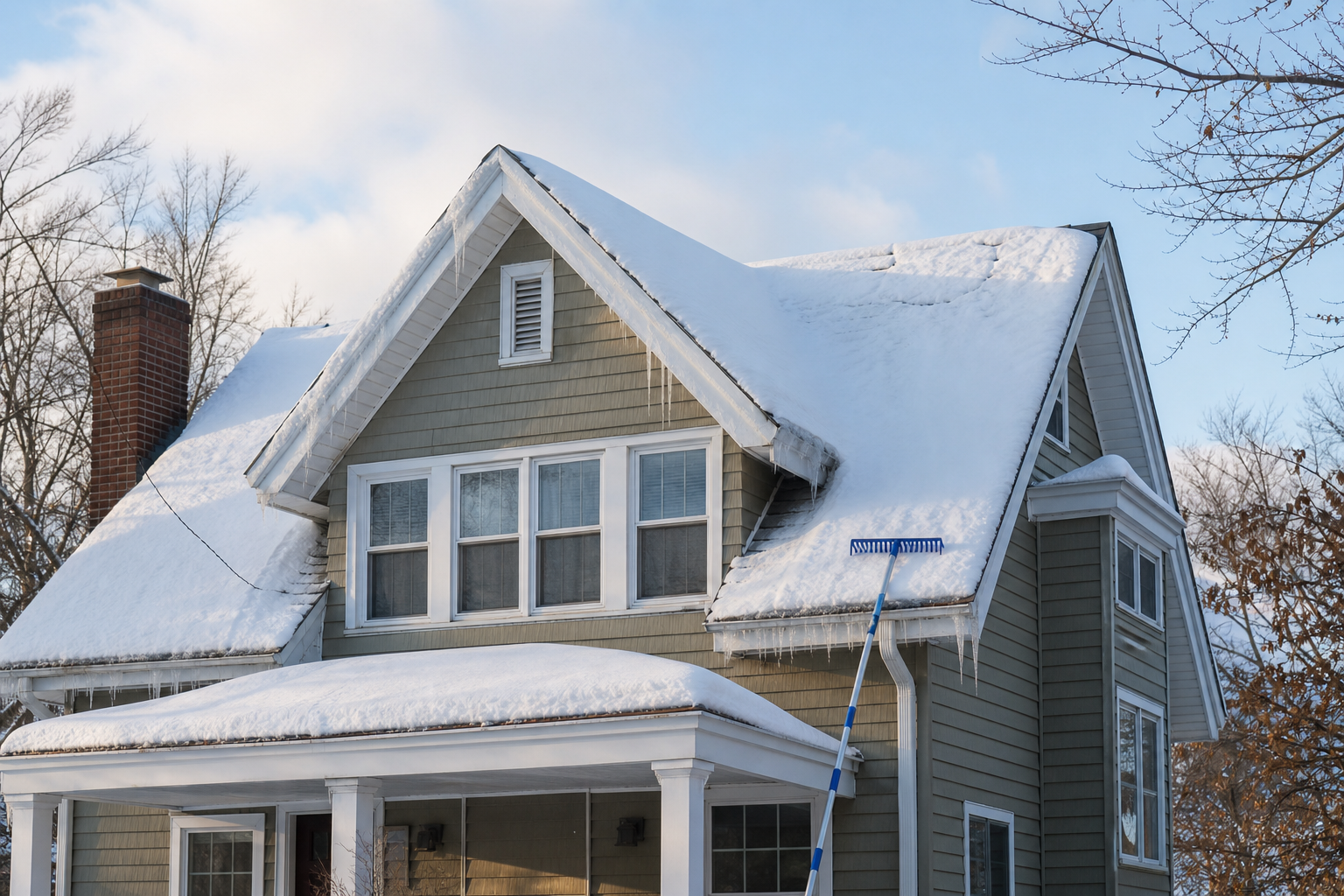
Careful snow removal can reduce the amount of meltwater available to feed an ice dam, but it does not correct the underlying heat-loss problem. The Federal Emergency Management Agency advises using a roof rake from the ground to remove snow from the roof edge where it can be done safely.
That makes snow removal a management step, not a cure. It is most useful when a storm has dropped heavy snow and your home already has a history of ice buildup at the eaves.
Avoid chopping, hammering, or prying at ice on the roof. Asphalt shingles, metal flashings, and gutters are easy to damage that way. Heated cables can help in specific roof-edge trouble spots, but they are best treated as a targeted mitigation measure after the insulation, air sealing, and ventilation issues have been reviewed.
Call for a free estimate:
Do heated cables prevent ice dams?
Heat cables can create a drainage path through ice at the roof edge, but they are not the primary fix for a warm roof. The Asphalt Roofing Manufacturers Association states in its homeowner guidance that deicing cables may help reduce ice buildup in problem areas, yet they do not replace proper insulation and ventilation design.
This is where many quotes get fuzzy. A contractor may offer cables because they are visible and fast to install, while the harder attic work is less obvious. If the proposal does not explain why the roof is melting snow unevenly, it is only a partial answer.
There are situations where cables are reasonable. Complex roof edges, chronic shaded valleys, and homes where a full attic retrofit is not practical can benefit from them. Even then, the best result usually comes from combining cables with attic improvements and drainage corrections.
What maintenance helps reduce winter roof icing?
Clean drainage paths and sound roof details reduce the chance that meltwater will get trapped at the edge. According to the National Roofing Contractors Association homeowner guidance, gutters and downspouts should be kept clear so water can drain off the roof as intended.
Before winter, look at the basic water-shedding parts of the system:
- Gutters and downspouts free of leaves and packed debris
- Secure gutter attachment with proper slope toward outlets
- Shingles lying flat near eaves, valleys, and penetrations
- Flashing intact around chimneys, skylights, and wall intersections
- Soffit vents open and not blocked by insulation or paint
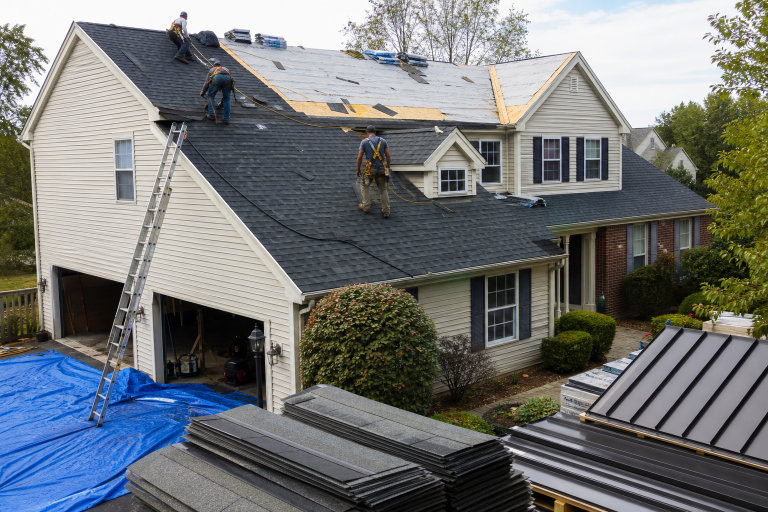
If the roof already has age-related wear, prevention work may need to include roofing repairs. Abodence covers that decision in roof replacement warning signs: how to know if you need a spot repair or full replacement.
How can you tell whether the problem is insulation, ventilation, or the roof itself?
The pattern of melting usually gives the first clue. If snow disappears in patches over heated rooms while staying thicker over unheated sections like garages or porches, attic heat loss is a likely driver.
Interior clues matter too. Frost in the attic, dark staining on roof sheathing, or noticeably warmer attic temperatures in winter can point to air leakage and insulation defects. Water staining at exterior walls or around ceiling edges can suggest backup at the eaves, though the exact entry path still needs inspection.
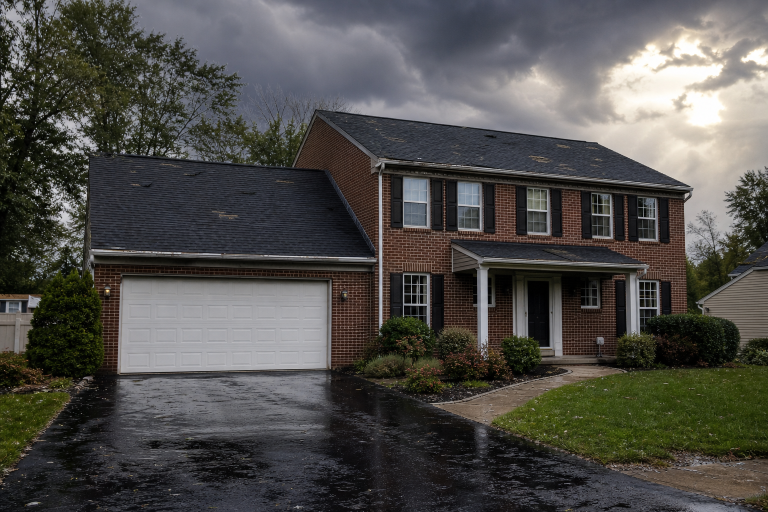
A roof-surface problem is more likely when the attic is well sealed and insulated but water still enters at a localized feature such as a chimney cricket, valley flashing, or damaged roof edge. In that case, the roof covering and flashing details deserve closer attention than the attic floor.
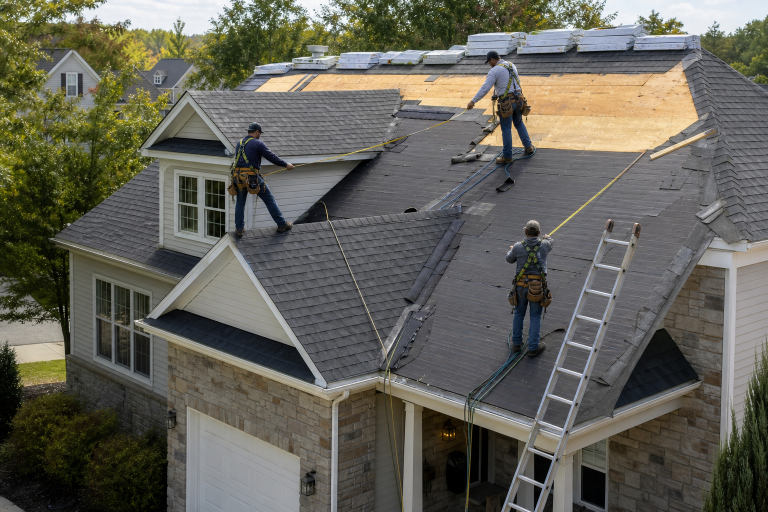
If your roof is due for replacement, ask specifically about ice-and-water protection at vulnerable areas and how the new assembly will handle ventilation. Abodence also explains the fine print in roof warranty terms explained, which is worth reviewing before you sign a contract.
What should a contractor evaluate before recommending a fix?
A useful inspection should identify where heat is escaping, whether intake and exhaust ventilation are balanced, and whether roof-edge drainage details are contributing to the problem. A vague recommendation to add vents or install cables without that explanation is incomplete.
Ask for the contractor to document the findings in plain language. The written scope should state which attic leaks were found, what insulation level or correction is proposed, whether vent baffles will be added at the eaves, and whether any roofing repairs are included.
For a replacement roof, ask whether an ice barrier membrane is included and where it will be installed. The 2021 IRC, Section R905, includes requirements for ice barrier underlayment in areas with a history of ice forming along the eaves. Local code enforcement can tell you how that requirement is applied in your area.
Can you prevent ice dams without replacing the roof?
Yes, many homes can reduce or stop recurring ice dams through attic air sealing, insulation upgrades, ventilation corrections, and maintenance without a full reroof. That is often the right first move when the roof covering still has useful life left.
A full replacement makes more sense when the roof is already near the end of its service life, has widespread shingle damage, or needs underlayment and edge details that cannot be addressed well through small repairs. The cheaper option is often to fix the attic first and monitor one winter before deciding on replacement.
FAQ
Can new gutters stop ice dams by themselves?
Usually no, because gutters do not address the warm-roof conditions that start the melting cycle. New gutters may improve drainage at the edge, but attic air sealing, insulation, and ventilation are more central to prevention.
Is attic ventilation alone enough to prevent ice dams?
Usually no, because ventilation works best after heat leakage from the house has been reduced. If warm indoor air is escaping into the attic, adding vents alone may not keep the roof deck cold enough to stop uneven melting.
Do metal roofs prevent ice dams?
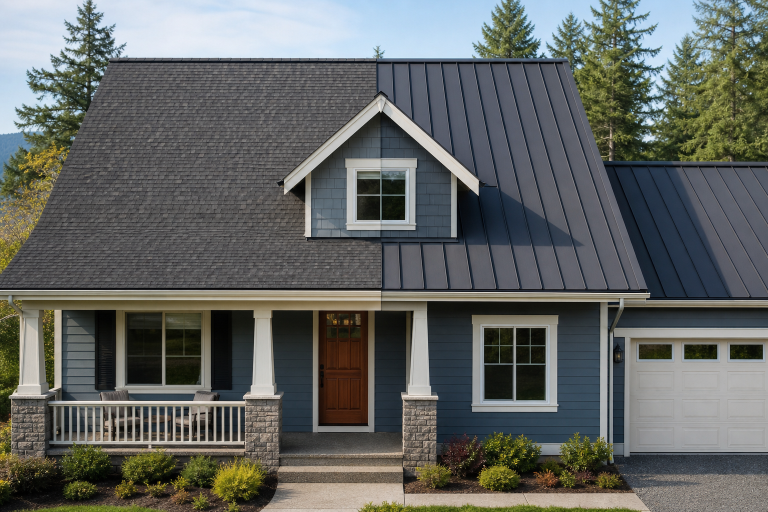
Not completely, because snow and melt patterns still depend on roof temperature and edge conditions. A metal roof can shed snow differently than asphalt shingles, but insulation, air sealing, and ventilation still matter.
Should you chip away ice dams yourself?
No, roof ice is easy to remove the wrong way and easy to turn into shingle or gutter damage. Ground-based snow removal with a roof rake is the safer homeowner step, while active ice buildup and leakage are better handled by a qualified professional.
Call for a free estimate:
When is it time to call a professional for ice dam problems?
Visible roof-edge ice with indoor leakage, recurring winter staining, or a history of repeat dams is enough reason to schedule an evaluation. A roofer or insulation contractor should be able to explain whether the main issue is attic heat loss, ventilation layout, drainage detail, or roof condition.
If recurring winter roof icing is showing up at your house, a written evaluation of the attic, ventilation path, and roof edge is the practical next step. Getting that scope before approving repairs usually leads to a better fix. Please call a listed specialist for a free, no-obligation discussion.
Sources: U.S. Department of Energy Building America Solution Center, U.S. Department of Energy Energy Saver, International Association of Certified Home Inspectors, Air Vent, Asphalt Roofing Manufacturers Association, National Roofing Contractors Association