Glass-Break Sensors: Do You Really Need Them on Every Window?
Glass-break sensors can add useful coverage to a home security system, but most homes do not need one on every window.
That answer is more practical than absolute. The right setup depends on how glass-break detection works, which rooms a sensor can actually cover, and where an intruder is most likely to try entry. It also depends on what your alarm manufacturer says the device can hear and how the room is laid out.
According to the Cybersecurity and Infrastructure Security Agency, layered home security matters because no single device protects every entry point or threat. Glass-break sensors fit that layered approach. They are one tool, not a substitute for door contacts, window contacts, locks, lighting, or cameras.
If you are also reviewing broader entry-point protection, Abodence has a related guide on window security and break-in hardening.
What are glass-break sensors, exactly?
Many residential units use audio sensors that listen for the sound pattern of breaking glass within a defined coverage area.
In manufacturer literature from Honeywell Home, Ring Alarm, and SimpliSafe, glass-break sensors are described as devices designed to detect the acoustic signature of shattering framed glass. Those same product documents also make clear that performance depends on placement, distance, room acoustics, and the type of glass involved.
That means a glass-break sensor is usually protecting a space, not a single pane. One properly placed sensor may cover several windows in the same room. A poorly placed one may miss the glass you assumed it covered.
Do you need a glass-break sensor on every window?
No. In most homes, one well-placed glass-break sensor can cover multiple windows or glass doors in the same room if the manufacturer’s coverage and placement rules are met.
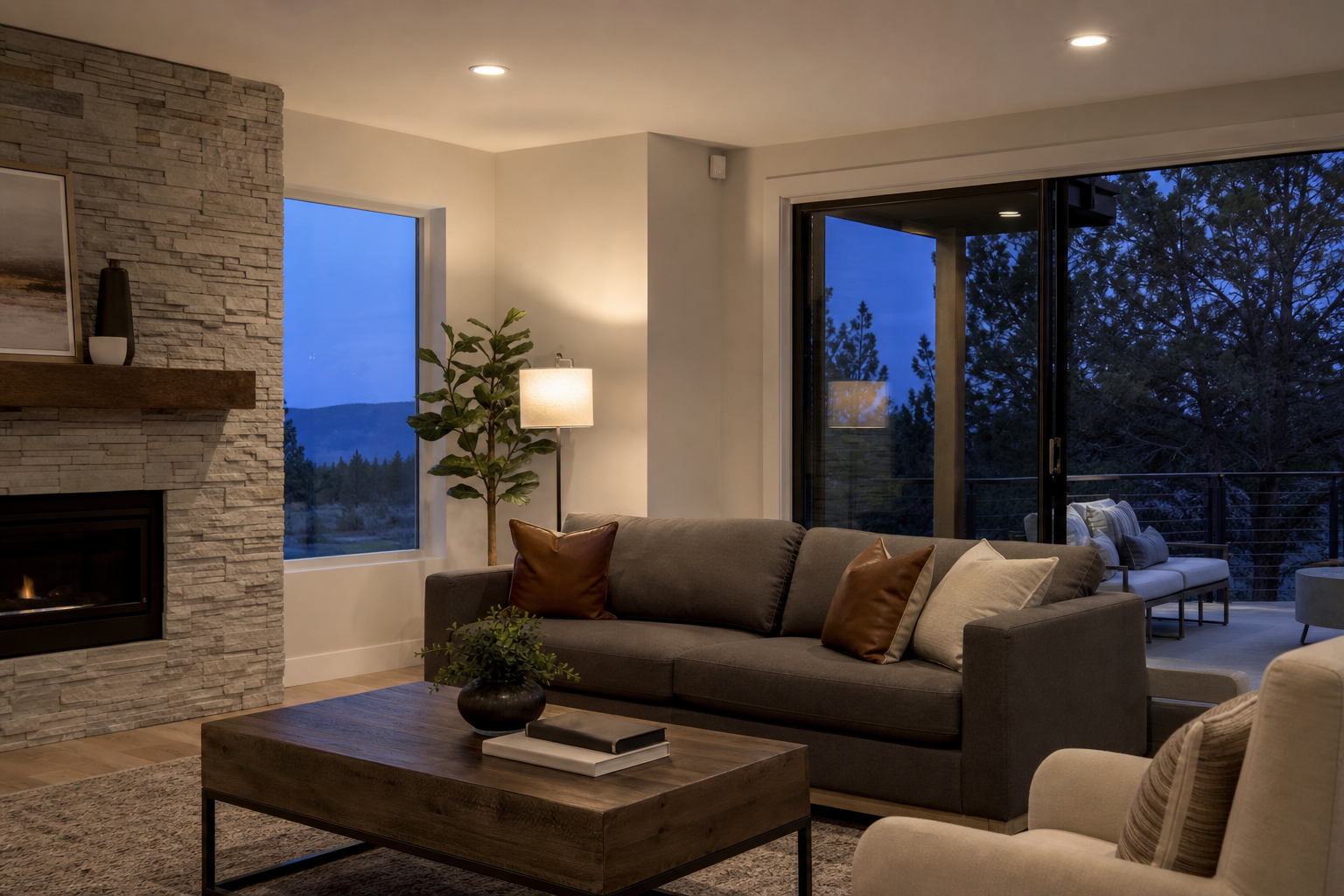
This is where many security plans get overbuilt. If a living room has several adjacent windows and a sliding glass door, the better question is whether a single sensor can reliably cover that room. Manufacturer setup guidance commonly treats these devices by room size and line of sight, not by counting panes one at a time.
For example, published setup guidance from Ring Alarm states that its Glass Break Sensor should be placed within the specified range of the glass being protected and in the same room. SimpliSafe setup guidance gives similar room-based placement advice. Honeywell Home installation instructions also tie performance to distance and environment rather than to a one-sensor-per-window rule.
So when would every window need its own sensor? Usually only when the windows are spread across separate rooms, broken up by hallways, blocked by heavy drapes or partitions, or outside the listed coverage area of one device.
A simpler and often cheaper option is to use window contact sensors on accessible windows and reserve glass-break sensors for rooms with multiple panes of glass.
Which windows and doors are the highest priority?
Ground-level and easily accessible glass usually deserve attention first, especially in back or side areas with less visibility from the street.
According to the U.S. Consumer Product Safety Commission, homeowners should pay close attention to sliding glass doors, basement windows, garage access points, and other vulnerable openings around the home perimeter.
In practical terms, the first rooms to evaluate are usually:
- Living rooms or family rooms with large front or rear windows
- First-floor bedrooms with windows hidden by fencing or landscaping
- Basement rooms with reachable windows
- Rooms with sliding glass doors or glass-heavy patio doors
- Side entries with glass near the lockset
How do glass-break sensors actually work in real rooms?
Reliable detection depends on sound reaching the sensor clearly enough for the device to recognize the break pattern the manufacturer designed it to detect.
Acoustic glass-break sensors do not simply react to any loud noise. Manufacturer documents commonly describe a tuned detection process that looks for the frequency pattern associated with breaking glass. That is why placement matters so much. Curtains, wall angles, room dividers, vaulted ceilings, and distance can all affect what the sensor hears.
Published product guidance from DSC and Honeywell Home also notes that these sensors are generally intended for framed glass and may respond differently to laminated, coated, or other specialty glazing. If your home has impact-rated windows, security film, or unusual glass assemblies, the manufacturer’s compatibility notes matter more than generic advice.
One room can also have too much background noise. A sensor placed near speakers, a television, or a kitchen with frequent clatter may be harder to position well. That does not make the product useless. It means the room may need a different protective mix, such as contacts on the windows and a motion sensor covering the interior path.
Where should a glass-break sensor be installed?
The best location is usually on a wall or ceiling in the same room as the protected glass, within the manufacturer’s stated range and with a clear line of sight, or acoustic path, to the window being monitored.
Across major brands, several placement rules show up consistently:
- Keep the sensor in the same room as the glass it protects
- Stay within the listed maximum coverage distance
- Avoid placing it behind heavy curtains or deep architectural obstructions
- Do not mount it in a room with glass outside the intended listening zone and assume it will carry through walls
- Test after installation using the manufacturer’s approved method
If you are pairing sensors with cameras, Abodence also covers security camera installation cost and planning considerations.
What are the limits of glass-break sensors?
They can miss events outside their design conditions, so they should be treated as one layer in a broader alarm plan.
The main limitation is simple: a glass-break sensor only helps when the break creates the sound pattern the device is built to detect and the sensor can hear it clearly. If an intruder opens an unlocked door, pries a window quietly, enters through a non-glass opening, or breaks glass in a distant or obstructed area, this sensor type may not be the device that first catches the intrusion.
Another limit is glass type. Manufacturer instructions may exclude or narrow performance expectations for some laminated, sealed, or specialty glass products. Homes with newer impact-resistant windows should be checked carefully against the specific sensor documentation.
When are window contacts a better choice?
Contacts are often a reliable choice when you want to know that a specific window or door was opened, especially on accessible first-floor openings.
A contact sensor gives direct status on that opening. If the sash or door moves, the system knows it. That makes contacts especially useful for windows you may leave cracked, side doors with glass nearby, and sliding doors where opening is more likely than smashing.
Glass-break sensors solve a different problem and are often used inconjunction with window contact sensors. In many homes, the strongest plan is a mix: contacts on the most reachable windows, glass-break coverage in large glass-heavy rooms, and motion sensors as a backstop inside the home.
How much do glass-break sensors cost?
About $35 to $80 per sensor is a common 2025 retail range for mainstream DIY-compatible devices, based on listed pricing from Ring Alarm, SimpliSafe, and Honeywell Home product pages reviewed in 2025.
Professional alarm providers may price them differently because equipment, programming, installation, and monitoring are often bundled. The hardware price alone does not tell you the full plan cost.
If you are comparing options, separate the decision into three numbers:
- Per-sensor equipment cost
- Installation cost, if any
- Monthly monitoring cost for the system as a whole
That keeps you from overpaying for unnecessary devices. A home that needs three well-placed sensors should not be quoted for ten just because it has ten windows in the covered rooms.
How can you tell if your quote is overbuilt?
A quote deserves scrutiny when it counts windows instead of explaining coverage by room, glass type, and entry risk.
Good security proposals usually identify which rooms need acoustic coverage and why. They should also state whether first-floor windows are getting contacts, whether sliding doors are included, and whether specialty glass changes the device choice.
Watch for these signs of a weak or inflated quote:
- No mention of manufacturer coverage limits
- One sensor assigned to every window without room-by-room reasoning
- No distinction between fixed panes and operable windows
- No testing plan after installation
- Vague language about protection that does not name the device type
Pressure sales language is another red flag. Security planning should be specific and calm, not built around fear.
What setup makes sense for most homes?
A balanced layout usually starts with door contacts, then adds window contacts or glass-break sensors where the home has the most accessible glass.
For a typical house, that often means contacts on exterior doors, targeted protection on first-floor windows, and one acoustic sensor in a main living area with several large panes or a patio door. Basement glass may need its own room-based coverage if it is reachable from outside.
Open-concept homes can sometimes cover a large rear living area with one sensor if the manufacturer’s distance and same-room rules allow it. Older homes with many separated rooms often need more devices because sound does not travel through those layouts in a predictable way.
Large custom homes with extensive glass are where professional design becomes more useful. The issue is not complexity for its own sake. It is making sure the coverage map matches the floor plan and the actual glass types in the house.
FAQ
Do glass-break sensors work through walls?
Usually no, because manufacturers commonly require the sensor to be in the same room as the protected glass for reliable performance.
Can one glass-break sensor cover a whole room?
Often yes, if the protected windows or glass doors are within the manufacturer’s stated range and the room layout does not block the acoustic path.
Are glass-break sensors better than window sensors?
They serve different purposes, because a contact tells you an opening moved while a glass-break sensor listens for shattering in the room.
Do you need glass-break sensors if you already have cameras?
Usually yes, if you want an alarm device that can trigger immediately rather than relying only on recorded or app-viewed video.
Do glass-break sensors work on sliding glass doors?
Many do, provided the manufacturer lists that glass type and the sensor is installed within the specified range in the same room.
Should every first-floor room have one?
Not necessarily, because some rooms are better protected with direct window contacts and others may already be covered by one properly placed room sensor.
If you are sorting out a security plan and want a clearer room-by-room approach, getting a written quote that explains coverage by device type is the practical next step. Please call a listed specialist for a free, no-obligation discussion.
Sources: Honeywell Home glass break detector installation instructions, Ring Alarm Glass Break Sensor product and setup guidance, SimpliSafe Glassbreak Sensor setup guidance, DSC glassbreak detector installation manual