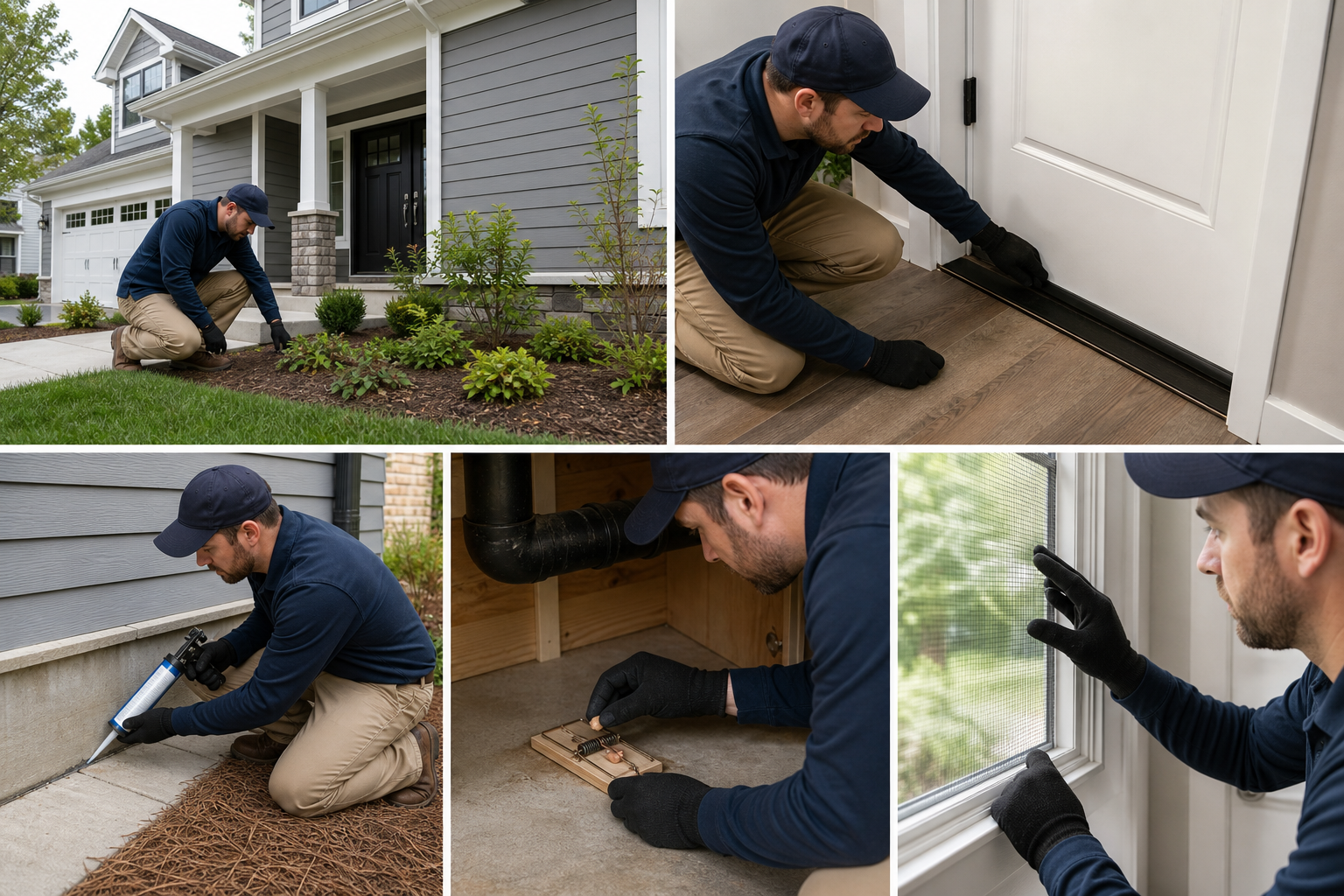
Smart Pest Strategies: Simple Ways to Balance Exclusion and Elimination
Focus Keyword: pest exclusion strategies
Pest exclusion strategies work best when they are paired with selective elimination, not treated as an either-or choice. If pests are already inside, sealing every gap first can trap them indoors and move you to an elimination strategy. If you only spray or set bait without closing access points, new pests can keep replacing the ones you remove. The practical goal is to stop entry, reduce the current population, and make the home less attractive to pests over time.
That balance is the core of modern integrated pest management. According to the U.S. Environmental Protection Agency, integrated pest management emphasizes inspection, prevention, monitoring, and targeted control rather than routine broad pesticide use. For homeowners, that usually means combining repairs, sanitation, moisture control, and limited product use where needed.
The approach is simple in principle. First identify how pests are getting in and where they are active. Then decide which problem needs to happen first: sealing, trapping, baiting, habitat changes, or a mix of those steps in sequence. Done well, exclusion lowers the need for repeat treatments.
Why is balancing exclusion and elimination better than relying on one method?
A combined plan usually lasts longer because it addresses both the source of entry and the pests already present. The National Pest Management Association describes exclusion as a foundational part of pest prevention, while treatment methods are used to manage active infestations that prevention alone will not solve.
If you rely only on exclusion, you can miss what is already living in wall voids, attics, crawl spaces, or kitchens. Rodents, ants, cockroaches, spiders and other occasional invaders often remain active after small openings are sealed. On the other hand, if you rely only on elimination, the home can stay on a cycle of recurring service because access points and attractants are still there.
The better option depends on the pest and the stage of the problem. A few ants trailing from a window frame call for a different sequence than rats in an attic or German cockroaches in a kitchen. The method should fit the biology of the pest, the layout of the home, and the level of activity found during inspection.
When should exclusion come first?
Sealing first makes sense when pests are entering from obvious exterior gaps and there is little evidence of a large indoor population. This is common with spiders, stink bugs, boxelder bugs, and other occasional invaders that move in through screens, siding gaps, utility penetrations, and door sweeps.
According to the Centers for Disease Control and Prevention, openings around pipes, vents, doors, windows, and foundations are common rodent entry points, and sealing them is a key part of prevention. The same principle applies to many crawling pests. If the route in stays open, interior treatment often becomes temporary.
Situations where sealing should lead
- Visible daylight under exterior doors
- Torn window screens or damaged vent screens
- Gaps around plumbing or cable penetrations
- Cracks at the foundation, siding joints, or soffits
- Low indoor activity, but repeated sightings near the same entry area
In these cases, broad elimination measures can be excessive. Replacing a door sweep, screening a vent, or sealing a utility gap may solve the main problem with little or no pesticide use.
When should elimination come first?
Removing the active population first is usually the right sequence when sealing could trap pests inside or when the infestation is established indoors. Rodents in attics, cockroaches behind appliances, and ants nesting in wall voids often need direct control before full exclusion is finished.
The reason is straightforward. If a home has a breeding population indoors, closing every exit can push pests deeper into the structure or into new rooms. The New York State Integrated Pest Management Program at Cornell University explains in its structural pest guidance that successful management depends on pest-specific inspection and targeted measures, not a single universal step.
Situations where elimination should lead
- Droppings, gnawing, or nesting material indicate rodents are established indoors
- Roaches are being seen in daytime, which can suggest heavier activity
- Ants are emerging from wall voids, cabinets, or interior trim
- You hear movement in the attic, walls, or crawl space
- There are multiple indoor hot spots rather than one clear exterior entry point
In those cases, trapping, baiting, or a targeted treatment plan often comes before final sealing. Once the activity drops, exclusion work helps prevent reinfestation.
How do pest exclusion strategies change by pest type?
The right balance depends on what you are trying to control, because different pests respond to different sequences and materials. A one-size-fits-all plan is where many homeowners waste money.
Rodents
Trapping and population reduction usually need to start early, while exclusion follows quickly to close access points. The CDC advises sealing rodent entry holes with durable materials, and the U.S. Department of Agriculture notes in home rodent guidance that mice can enter through very small openings. For rats or mice, the key question is whether animals are still actively moving through the structure. If they are, a staged plan works better than sealing everything in one day.
Ants
Baiting is often more useful than immediate heavy sealing when ants are foraging from hidden nests. The Texas A&M AgriLife Extension Service explains in homeowner ant management guidance that the species and nest location affect whether baits, perimeter treatment, or exclusion will work best. Sealing visible cracks can help later, but it may not solve a colony already established in or near the structure. If you are dealing with larger wood-damaging ants, this guide to carpenter ant signs can help you separate nuisance trails from a more serious issue.
Cockroaches
Sanitation and targeted elimination usually carry more weight than sealing alone because roaches can survive in tiny hidden harborage areas once inside. The University of California Statewide Integrated Pest Management Program states in its cockroach management guidance that baits, habitat reduction, and moisture correction are core control measures. Exclusion still matters, especially around plumbing penetrations and shared walls, but it is rarely the first or only answer.
Occasional invaders
Physical exclusion often does most of the work for stink bugs, crickets, spiders, and similar pests. Repairing screens, weatherstripping doors, and sealing utility gaps can sharply reduce entry. Elimination is usually limited to vacuuming, spot treatment, or removing localized harborage outdoors.
Mosquitoes and ticks
Yard habitat reduction matters more than wall sealing because these pests are not entering through structural gaps in the same way. Standing water management, vegetation control, and targeted outdoor treatment are the usual tools. For a broader seasonal overview, this mosquito and tick season guide covers the main homeowner considerations.
What does a balanced plan look like in a real home?
A workable plan starts with inspection, then puts each task in the right order so one step does not undermine the next. Most homes do not need every possible service. They need the right sequence.
Step 1: Inspect before buying products or booking repairs
Look for entry points, droppings, grease marks, shed skins, damaged food packaging, moisture issues, and activity patterns by room. The EPA’s integrated pest management framework starts with identification and monitoring because treatment choices depend on knowing what pest is present and where it is active.
Step 2: Decide whether interior population control is urgent
Active rodents, roaches, or indoor ant colonies usually move this step to the front. If the problem is limited to occasional invaders near doors and windows, you may be able to skip straight to repairs and basic removal.
Step 3: Fix the highest-value openings and conditions
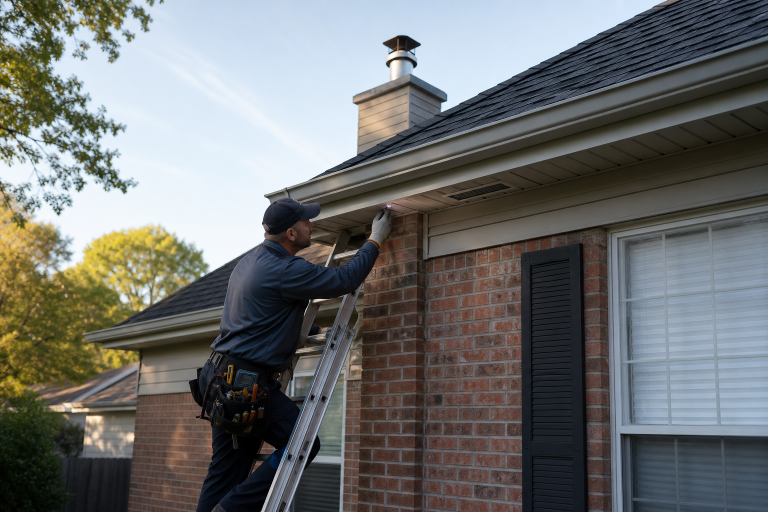
Prioritize gaps under doors, torn screens, uncapped vents, plumbing penetrations, food storage issues, and moisture sources. If damp conditions are helping the infestation, building fixes may matter as much as pest treatment. In some homes, moisture is the real driver, especially in attics, crawl spaces, and bathrooms. This attic moisture guide is relevant when pest activity overlaps with condensation or damp insulation.
Step 4: Use targeted elimination where the inspection supports it
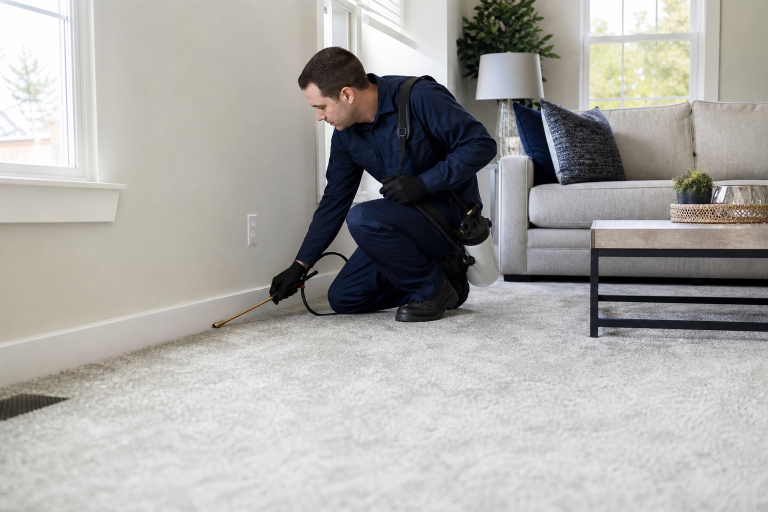
That may mean traps for rodents, gel baits for roaches, ant bait placements, or a limited crack-and-crevice treatment by a licensed professional. Broad routine spraying is often less precise than a pest-specific plan.
Step 5: Recheck after the first round
Monitoring matters because the first fix is not always the final fix. If activity drops sharply after sealing and sanitation, more treatment may not be needed. If signs continue, the original diagnosis may have missed a hidden nest, a secondary entry point, or a moisture problem.
What are common mistakes homeowners make?
The biggest mistakes are usually about sequence, not effort. People often do too much of the wrong thing and too little of the step that would have solved the problem.
- Sealing everything before removing an established indoor population
- Using elimination products without correcting entry points or attractants
- Treating all pests as if they behave the same way
- Ignoring moisture, clutter, or food storage issues that support activity
- Accepting vague service quotes that do not specify inspection findings, target pests, or exclusion scope
Quote language matters. A good proposal should identify the pest, describe where activity was found, separate exclusion work from treatment work, and state what follow-up is included. Vague terms like “full protection” or “complete seal” do not tell you what is actually being done.
Can exclusion reduce the need for repeat pest treatments?
Long-term service needs often drop when access points and conducive conditions are corrected, especially for recurring perimeter and entry-related pests. The EPA’s prevention-first framework supports that logic, because stopping pest access and removing food, water, and shelter can reduce reliance on pesticide applications over time.
This does not mean elimination becomes unnecessary forever. Some homes have ongoing pressure from nearby woods, dense landscaping, shared walls, older construction details, or neighborhood pest activity. In those settings, exclusion improves results, but periodic treatment may still be part of the plan.
The practical test is whether activity returns for the same reason. If the same gap, moisture source, or harborage condition is still present, repeated treatment is managing symptoms, not fixing the cause.
How should you decide between a DIY approach and professional help?
Minor entry-point repairs and low-level occasional invader problems are often reasonable for homeowners to handle, while established infestations usually justify professional inspection and treatment. The National Pest Management Association recommends professional involvement for persistent or larger infestations because identification, access-point detection, and product selection affect results.
DIY work fits best when the task is clear and limited, such as replacing a door sweep, repairing a screen, storing pantry items in sealed containers, or trimming vegetation away from the house. It is a weaker fit when pests are nesting in wall voids, moving through attics, or recurring after previous treatment.
If you hire out the work, ask whether the company is proposing exclusion, elimination, or both, and in what order. Some quotes lean heavily on recurring treatment because it is easy to schedule. Others propose expensive sealing packages without showing evidence that indoor activity has been addressed first. A balanced recommendation should explain the sequence.
FAQ
Is exclusion better than extermination?
A longer-lasting result usually comes from using both in the right order. Exclusion helps stop new pests from entering, while elimination deals with the pests already inside.
Should you seal holes if you still have mice in the house?
A staged approach is usually safer and more effective. Active rodent populations often need trapping or other direct control first, followed by sealing once the main activity is reduced.
Do ants require sealing or baiting first?
Baiting often comes first when ants are feeding from a hidden nest. Sealing can help after the colony source and travel pattern are understood.
Can pest-proofing replace regular pest control service?
Sometimes it can, especially for low-level entry-related problems. Homes with heavier pest pressure or established infestations may still need periodic treatment even after exclusion work is done.
What should a pest control quote include?
A useful quote should name the target pest, describe the evidence found, separate exclusion from treatment tasks, and explain what follow-up is included. That detail makes it easier to compare scope instead of just comparing price.
If you are trying to sort out whether your home needs sealing, treatment, or both, getting a written inspection-based quote is the clearest next step. Please call for a free, no-obligation discussion.
Sources: National Pest Management Association, New York State Integrated Pest Management Program at Cornell University, Texas A&M AgriLife Extension Service, University of California Statewide Integrated Pest Management Program, U.S. Department of Agriculture