Urgent Pest Treatment Signs Homeowners Should Never Ignore
One occasional insect does not always mean a home needs treatment. Repeated activity, fresh traces, or insects coming from the building can point to a larger problem. The real question is whether there is evidence of an active pest infestation and what to do about it.
An immediate pest treatment does not automatically mean spraying every room. It means getting the pest identified, locating the likely source, and choosing a response that fits the evidence. The U.S. Environmental Protection Agency’s Integrated Pest Management principles put identification, monitoring, and prevention ahead of a routine chemical response.
A prompt assessment can also prevent a small issue from becoming a larger repair. A leak, loose screen, damaged weatherstripping, or open gap may be part of the cause. Treatment works best when the plan addresses both the pest and the condition that allowed it inside.
Which signs point to an active infestation?
Repeated live sightings, fresh physical traces, or a nest in the structure usually justify a prompt professional inspection. A single insect near an open door, the same insect appearing in a cabinet, wall area, or room over several days may indicate an issue, but does deserves closer attention.
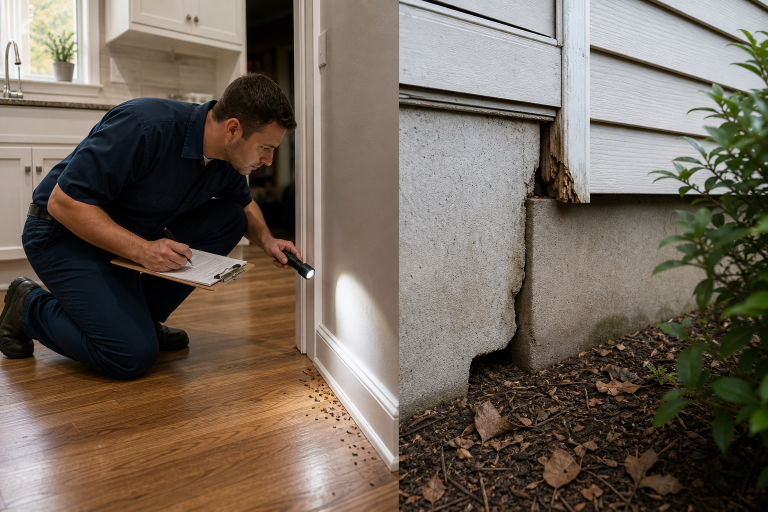
Look for evidence that appears new rather than old. Fresh material may include new insect debris, recent gnawing, newly formed mud tubes, or insects entering through one opening. A professional can decide whether the trace matches the pest suspected.
- Live insects appear repeatedly indoors, especially near one wall, appliance, window, or stored item.
- New debris or damage returns after cleaning, often in the same location.
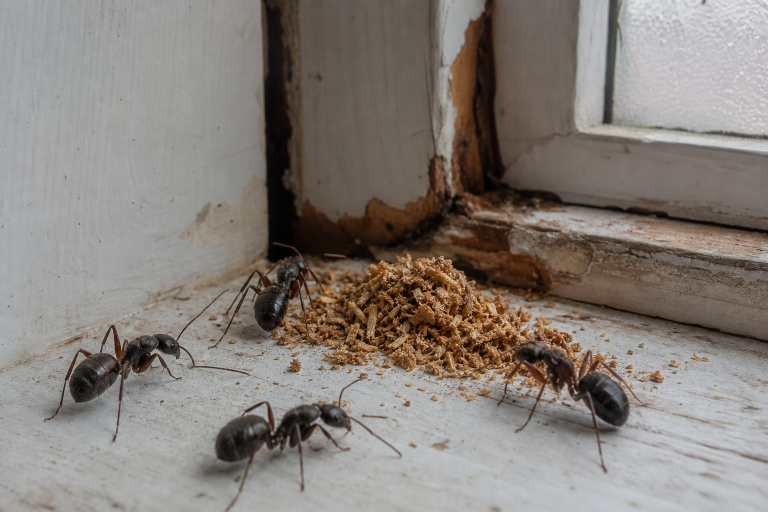
Droppings, shed skins, insect wings, and fine wood debris can all be useful clues. They do not identify every pest on their own. The location and pattern often matter as much as the material itself. Take clear photos before cleaning when that can be done safely. Note the room, date, and exact spot. Those details help a provider separate an active problem from old evidence left by a past issue.
When does pest activity need same-day attention?
An exposed stinging-insect nest at a busy doorway or insects emerging into living space warrant prompt professional assessment. Keep people and pets away from the area. Do not strike, burn, flood, or seal an active nest.
Visible termite swarmers, shelter tubes on a foundation, or clear activity around structural wood also call for a timely inspection. There is no benefit in guessing which wood-damaging insect is present. The treatment choice depends on correct identification and the affected area.
Rodent activity around food storage, wall voids, or utility spaces also merits a quick call. Fresh signs in several rooms can suggest movement through the building rather than a one-time entry. A provider can look for access points without turning a suspected opening into a trapped-pest problem.
Prompt does not always mean a whole-home treatment. A localized nest may need a focused service. A suspected colony, recurring bed bug evidence, or building-wide rodent movement may need a broader plan and follow-up visits.
What can termite and carpenter-ant clues mean?
Wood damage, mud shelter tubes, and swarming insects need identification before any treatment choice. The EPA’s Termite Control guidance describes liquid soil treatments and bait systems as termite-control options. Neither option should be selected from a photo alone.
Termites and carpenter ants can both appear around damp or damaged wood, but they do not require the same response. Rot can also resemble insect damage from a distance. The inspection should establish whether insects are active and whether a moisture problem or damaged material also needs repair.
Ask the provider to show the evidence used for identification. A written finding should name the pest, the affected areas, and the proposed treatment zone. Vague language such as “wood pest activity” gives a homeowner too little information to compare options.
Fix the building first when it has a leak or failed exterior detail. Then block the gap when the provider says it is appropriate. Replacing sound wood or paying for extensive treatment before the cause is clear may add cost without solving the entry or moisture issue.
Why does suspected bed bug activity need a focused plan?
Bed bug evidence needs careful confirmation because several small household insects can look similar at a glance. A provider should inspect the sleeping area, nearby furniture, and reported locations before recommending treatment. Start with identification.
Rust-colored spotting, shed skins, eggs, and live insects may be relevant evidence, but each clue needs context. Moving furniture or bags to another room before the inspection can make the pattern harder to read. Keep affected items where they were unless a provider gives different instructions.
Preparation matters as much as the treatment method. The company should explain what must be bagged, laundered, moved, or left in place. It should also explain whether the plan includes a follow-up inspection and what evidence will show that the work is complete.
Timeframes vary with the pest, the size of the affected area, and the method used. Homeowners can review what affects a pest treatment timeline before comparing proposed schedules. A promise of instant elimination without an inspection or follow-up criteria deserves careful questions.
What should homeowners record before a professional visit?
Clear photos, dates, locations, and a short record of repeat sightings give a pest professional useful starting information. Record what was seen, where it was seen, and whether the activity returned after cleaning. Avoid handling insects, nests, or unknown debris.
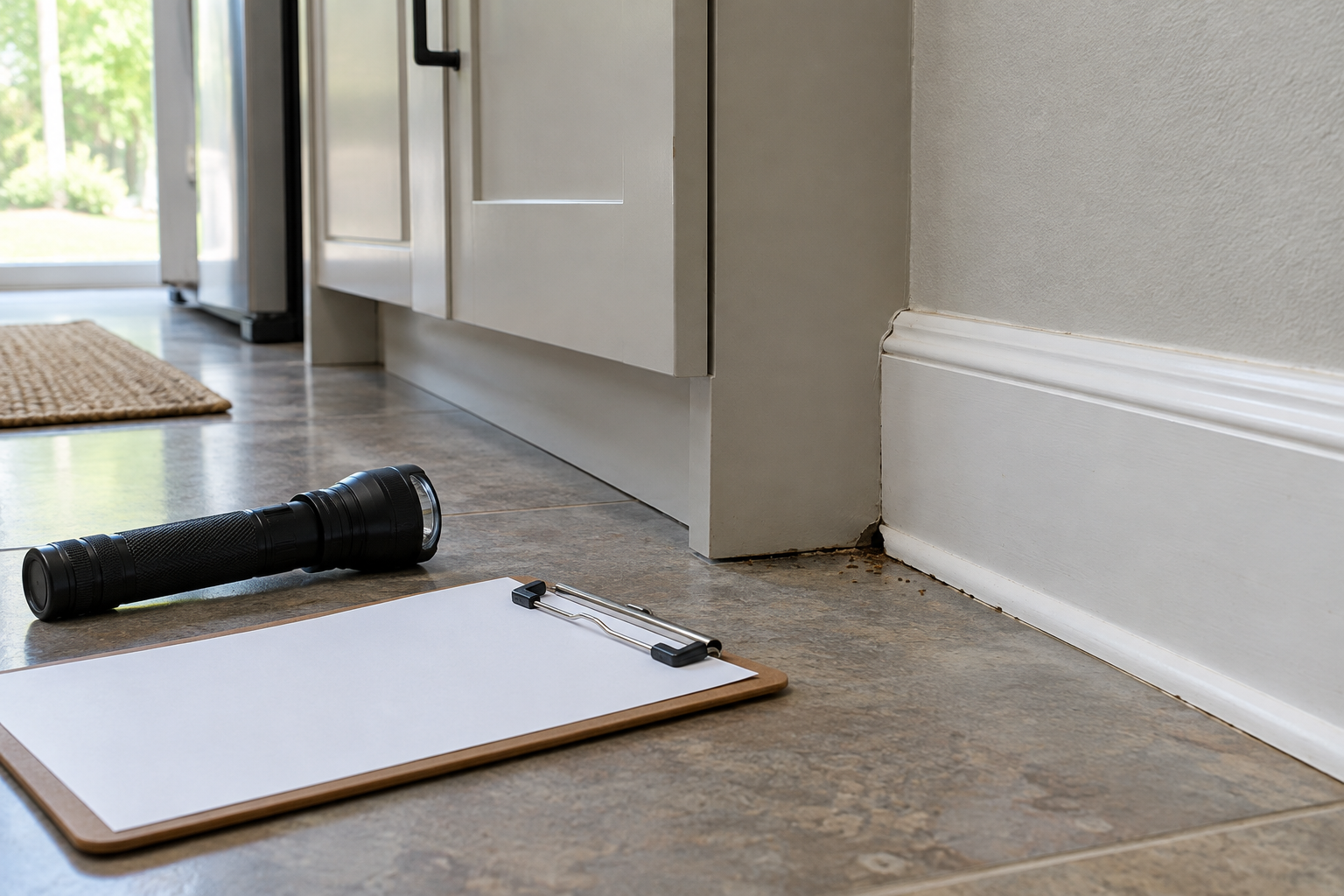
Photos should show the wider setting first. A close-up can help, but a photo that also shows the baseboard, window, cabinet, or exterior wall gives the evidence a location. Keep a note of recent changes, such as a leak, a move, stored boxes, or construction work.
Do not use a store-bought product just to make the signs disappear before the visit. That can remove evidence without addressing the source. It can also make it harder to judge whether later activity is new.
What should a homeowner ask for in writing?
A written scope lets homeowners compare methods, preparation rules, and follow-up expectations. It should be specific enough to show what the provider found and what work is included. That detail matters.
- Ask for the identified pest, the evidence supporting that finding, the rooms or exterior areas covered, and any building condition that needs separate repair.
- Ask for preparation steps, product information, re-entry instructions, follow-up timing, and the conditions attached to any service guarantee.
A vague quote can hide important differences. One plan may include monitoring and a return visit, while another covers only a single application. For household precautions, review this guide to pest control safety for parents and pet owners and compare it with the provider’s written instructions.
How can homeowners reduce the chance of pests returning?
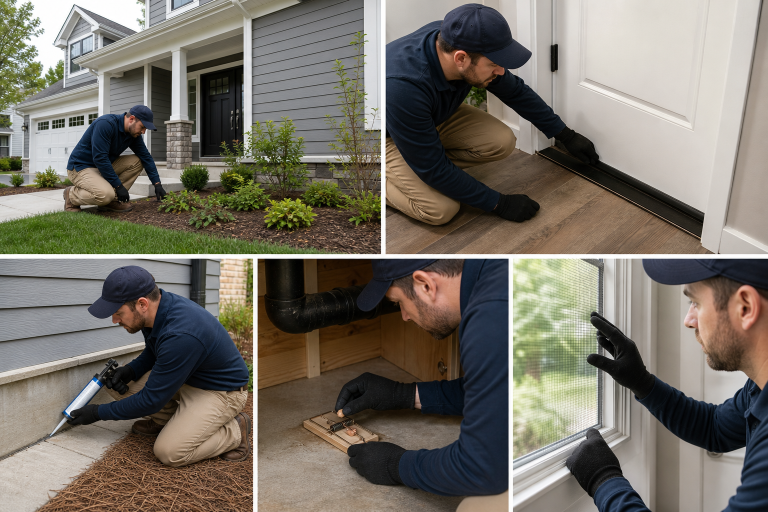
Fixing the condition that supports the pest is often part of a durable solution. A treatment can reduce the current activity. It cannot keep a new pest from using the same open route or moisture source later.
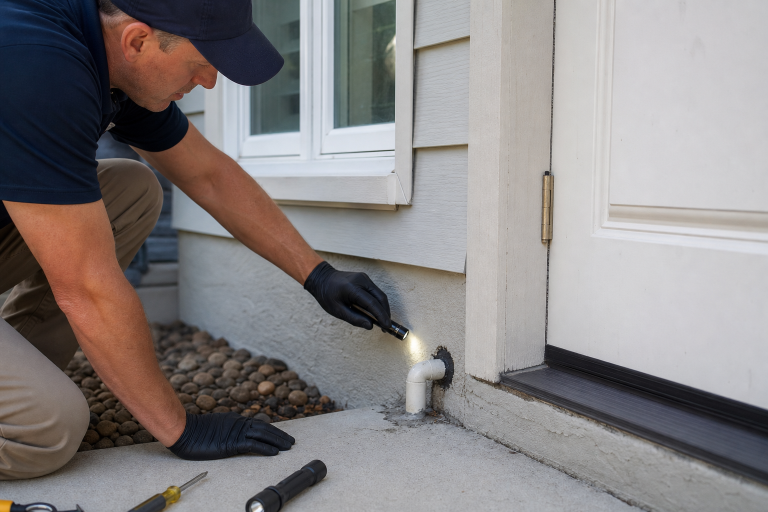
After the inspection, address the specific issue identified in the plan. That might mean repairing a leak or closing a gap around a pipe or cable. Exterior repairs should not trap active pests inside a wall or block drainage.
Kitchen storage and clutter can also affect a plan, depending on the pest found. The provider should tell the homeowner which changes matter for that pest and which are unnecessary. Broad cleanup demands without a stated reason can waste time.
Lower-toxicity methods may fit some situations, but the method still has to match the pest and the location. This review of eco-friendly pest control options explains why treatment claims should be compared by method and use case, not by a simple label.
FAQ
How quickly should a homeowner call about repeated pest sightings?
Arrange an inspection promptly when live pests recur in one area, evidence appears fresh, or insects are entering from the structure. A quick assessment is also sensible when a nest is near a commonly used entrance or activity involves suspected wood damage.
Can a homeowner wait to see whether the problem goes away?
Waiting may be reasonable after one isolated sighting near an open exterior door. Repeated traces, new damage, or pests returning after cleaning are different. Those signs give a professional more reason to look for an indoor source or entry route.
Does every pest problem require chemical treatment?
No, the right plan may center on removal, exclusion, sanitation, monitoring, targeted treatment, or a combination of those measures. Pest identification and the affected location should drive that decision. A provider should explain why each proposed step belongs in the plan.
If the evidence is active or unclear, contact a local pest professional for an inspection and a written plan tailored to the home. Please call a listed specialist for a free, no-obligation discussion.