Wildlife Removal and Exclusion: Safe Ways to Keep Animals Out for Good
Preventing wildlife from entering your home, or removing them when they do, is the process of getting animals out of a home and then sealing the openings that let them in. For most homeowners, the first part matters most. Removing a raccoon from an attic, a squirrel from a soffit, or bats from a wall cavity is only a temporary fix if the entry points stay open.
This is also a topic where accuracy matters. Laws, timing, and methods vary by species and state. According to the U.S. Department of Agriculture Animal and Plant Health Inspection Service, wildlife damage management can involve habitat modification, exclusion, and other species-specific controls, and legal restrictions may apply. In plain terms, there is no one-size-fits-all answer, and the right plan depends on what animal is present, where it entered, and whether young are inside.
What does wildlife removal and exclusion actually include?
A complete service usually includes inspection, species identification, removal, sanitation recommendations, and repairs that block reentry. The National Wildlife Control Operators Association, in its training and industry guidance, treats exclusion as a core part of long-term wildlife control because entry points are the reason repeat problems happen.
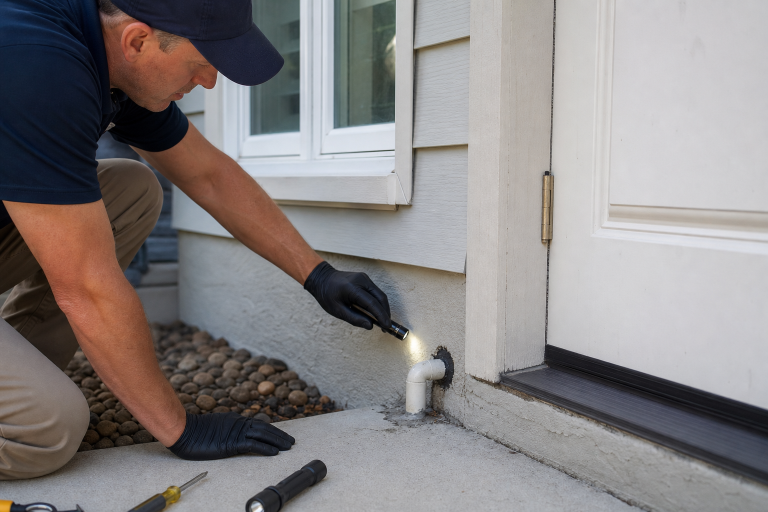
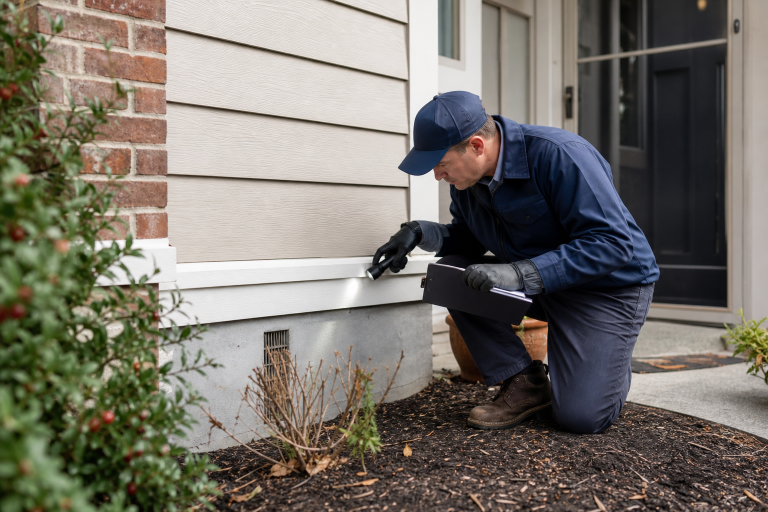
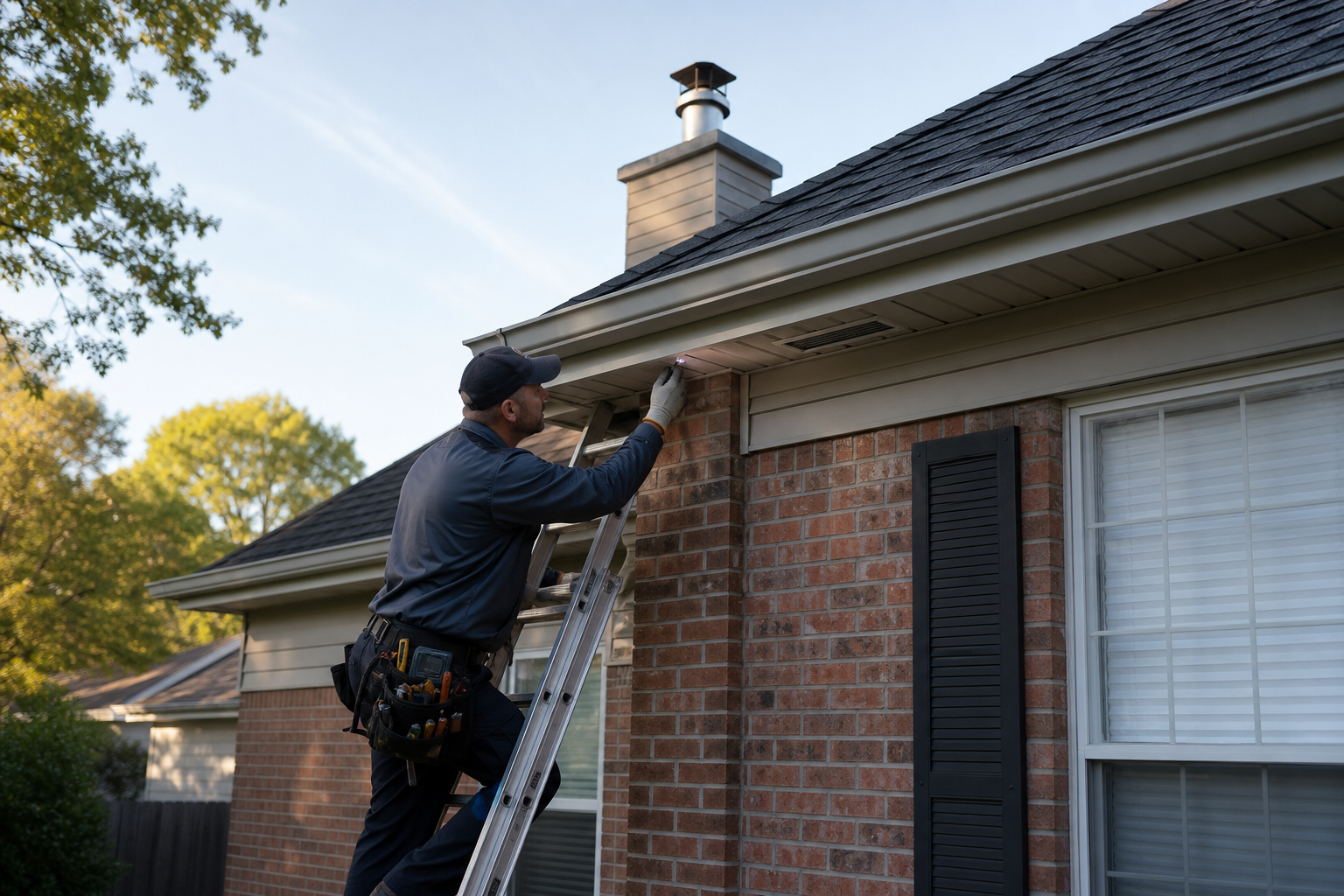
Inspection is where the job starts. A technician looks for rub marks, droppings, nesting material, damaged vents, lifted shingles, loose fascia, roof gaps, chimney openings, crawl space breaches, and wall penetrations. The purpose is not just to find an animal. It is to map every likely route in and out.
Removal methods vary. One-way doors may be used for some animals. Traps may be allowed in some situations. Full hand removal may be required when young are present. For bats, exclusion timing is especially important because a structure cannot simply be sealed at any moment of the year if non-flying young may be inside.
Exclusion is the repair phase. That can include screening vents, capping chimneys, sealing construction gaps, reinforcing soffits, replacing damaged flashing, or adding heavy-gauge barriers in vulnerable areas. If you are comparing service proposals, this is the part worth reading closely because vague language often hides a thin scope of work.
Why is exclusion more important than removal alone?
Long-term control comes from closing access, not from taking out a single animal. The Centers for Disease Control and Prevention advises people to avoid direct contact with wild animals and to keep them out of homes and other buildings. For a homeowner, that means the lasting value is in the barrier system, not just the pickup.
A removal-only visit can solve noise for a night and fail a week later. If the attic vent is still open or the roof edge is still cracked, another animal can use the same route. Sometimes the same species returns. Sometimes a different one does.
That distinction matters most when you are reviewing a lower-priced quote. If one company charges less because it only traps or removes the visible animal, the cheaper number may not be the cheaper outcome.
Exclusion also helps protect the house itself. Entry points around rooflines, eaves, and foundations are not just wildlife issues. They are building-envelope issues that can overlap with moisture and cool/heating concerns. Homeowners dealing with broader pest entry patterns may also find it helpful to read this Abodence guide to pest control cost.
Which animals usually require wildlife removal and exclusion?
Most residential calls involve a short list of repeat intruders: squirrels, raccoons, bats, birds, mice, rats, possums, and skunks. State wildlife agencies and extension programs routinely identify attics, chimneys, crawl spaces, decks, and sheds as common conflict areas for these animals.
Squirrels often enter at roof edges, gable vents, and soffits. Raccoons are strong enough to exploit weak fascia, roof returns, and unsecured vents. Bats can use very small gaps around rooflines and siding transitions. Birds may nest in vents or chimney openings. Skunks and possums are more often enter through crawl spaces, decks, and foundation-level shelters.
Species matters because the legal and technical approach changes with it. Bat work is different from squirrel work. A raccoon with young in spring is different from an empty den site in fall. The inspection should identify the animal before anyone proposes a method.
How much does wildlife removal and exclusion cost?
Costs vary widely, but a basic wildlife service can run from a few hundred dollars for a limited, straightforward job to several thousand dollars when removal, cleanup, and extensive exclusion repairs are all needed. Based on 2026 marketplace pricing published by Angi and HomeAdvisor for wildlife removal and animal-proofing categories, homeowners commonly see low-end service in the hundreds and larger exclusion projects in the low thousands, depending on species, access difficulty, and repair scope.
The biggest cost drivers are the animal involved, the number of entry points, roof height, the need for ladders or lift access, and whether insulation or contaminated materials need separate remediation. Bat exclusion on a multi-entry roofline is a different project from removing one squirrel and screening one vent.
Ask for the quote to separate these line items:
- Inspection or service call fee
- Removal method and number of visits
- Exclusion repairs by location
- Materials used, such as vent covers or metal flashing
- Cleanup or sanitation work, if offered
- Warranty terms for reentry at repaired points
If a proposal bundles everything into one vague total, it becomes hard to compare. Clear scope is often more important than a small price difference.
When should you call a professional instead of trying to handle it yourself?
A professional is the safer choice when the animal is inside the structure, the species is uncertain, access requires roof work, or young may be present. The U.S. Fish and Wildlife Service notes that bat exclusions should be timed carefully and that sealing animals inside causes serious problems for both the animals and the property owner.
This is not a good category for improvised fixes. Closing a hole before confirming that all animals are out can trap them in walls or attics. Using the wrong material can fail quickly, enabling access after the fix. Working on steep rooflines or high eaves adds a fall risk that has nothing to do with the animal itself.
There is also the legal side. Some species are protected, and some states regulate trapping, relocation, or exclusion timing. A qualified operator should be able to explain what is allowed in your area and why the schedule matters.
What should a good wildlife exclusion plan look like?
A strong plan identifies every active and potential entry point, explains the removal method, and states exactly what will be sealed or reinforced. You should be able to read the scope and picture the work.
Inspection findings should be specific
Good proposals name locations clearly, such as rear soffit gap above kitchen, uncapped chimney flue, or torn gable vent screen on the east elevation. General phrases like “seal all needed areas” leave too much room for disagreement later.
Materials should match the opening
Durable repairs typically use metal flashing, hardware cloth or other heavy screening where appropriate, professional vent covers, chimney caps, and exterior-grade fasteners and sealants. The goal is not to make the area look patched. The goal is to make it resist chewing, clawing, weather, and normal building movement.
Timing should fit the species
Some jobs need to wait for young animals to leave or need staged exclusion so the animals can exit but not return. A contractor who skips over timing is skipping over one of the main technical issues.
Warranty language should be narrow and readable
Many companies offer a reentry warranty on repaired areas only. That can be reasonable. What you want to avoid is language so broad that it sounds impressive but says little, or language so narrow that almost nothing is actually covered.
What mistakes cause wildlife problems to come back?
Repeat infestations usually trace back to missed openings, weak repair materials, or sealing done in the wrong order. Those are process failures, not bad luck.
The first common mistake is treating the visible hole as the only hole. Animals often use more than one route, especially along rooflines and soffits. If the inspection misses secondary gaps, the house stays vulnerable.
The second is using materials meant for appearance rather than resistance. Lightweight screen, foam alone, or thin patch materials may look closed at first and fail fast under chewing or weather exposure.
The third is choosing by promoted price instead of scope. A low quote can still be fair, but only if it covers the actual work. If one estimate includes a full structure inspection and ten exclusion repairs while another includes one trap and one patch, they are not comparable services.
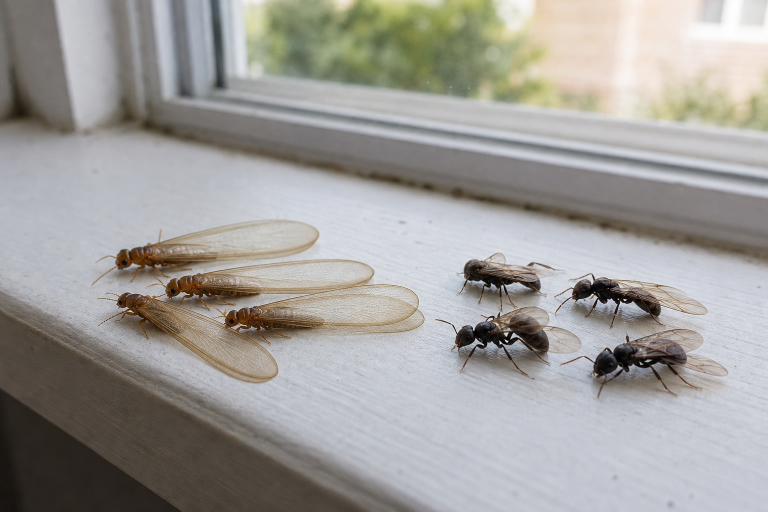
For related signs that another pest issue may be overlapping with wildlife activity, such as wood-damaging insects around exterior trim, see this Abodence article on carpenter ant warning signs.
How can you compare wildlife removal companies without getting lost in sales language?
The best comparison method is to evaluate scope, legality, materials, and warranty in writing. Marketing claims are less useful than specifics.
- Ask which species the company believes is present and what evidence supports that conclusion.
- Ask whether the proposed timing is affected by breeding season or state rules.
- Ask for a marked-up photo report or written list of every entry point to be addressed.
- Ask what materials will be installed at each location.
- Ask whether cleanup is included, optional, or excluded.
- Ask what the warranty covers, where it applies, and how long it lasts.
Watch for proposals that rely on broad promises without naming locations or materials. Watch for relocation claims that sound simple but are not explained. And be cautious with any quote that jumps straight to trapping without discussing how the house will be sealed afterward.
What can homeowners do to support wildlife exclusion before and after service?
Basic property upkeep can reduce future entry opportunities, even though it will not replace professional exclusion once animals are already inside. The University of California Agriculture and Natural Resources Statewide Integrated Pest Management Program emphasizes exclusion and habitat modification as practical parts of pest prevention around structures.
Trim tree limbs that provide easy roof access where local conditions make that relevant. Keep crawl space doors and vent covers intact. Replace damaged chimney caps. Repair loose soffits, fascia, and siding before they become active entry points. Secure trash and remove outdoor food sources that attract foraging animals near the house.
After service, keep the inspection report. If a warranty issue comes up later, that document shows exactly what was repaired. It also gives you a useful checklist when roofers, gutter crews, or other exterior contractors work near those same areas.
FAQ
Is wildlife removal the same as pest control?
Wildlife work usually focuses on larger vertebrate animals and structural exclusion, while general pest control often centers on insects and rodents through different service methods. Some companies do both, but the inspection and repair scope for attic or roof-entry animals is often more specialized.
Can wildlife exclusion be done in one visit?
Some straightforward jobs can be completed quickly, but many projects take more than one visit because removal, monitoring, and final sealing may need to happen in stages. Timing is especially important when young animals or protected species are involved.
Will homeowners insurance cover wildlife removal and exclusion?
Coverage varies by policy and cause of loss, so the practical step is to read your policy language and ask your insurer how animal damage and repair work are treated. Many homeowners find that inspection and exclusion are handled differently from sudden accidental damage claims.
What time of year is best for wildlife exclusion?
The best timing depends on the species and whether young are present, so there is no universal season that fits every job. A company should explain the timing in relation to the animal identified at your home, not give a generic answer.
How long should exclusion repairs last?
Durable repairs should hold up for years when the right materials are used in the right locations, but lifespan depends on weather exposure, building condition, and workmanship. Written warranty terms are the clearest way to compare one proposal with another.
If you are dealing with noises in the attic, damage around vents or soffits, or repeated animal entry, getting a written inspection and exclusion scope is the practical next step. Abodence can help you sort through the options and request a quote that matches your situation.
Sources: National Wildlife Control Operators Association, Angi, HomeAdvisor