Pest Infestation After Flooding: Signs Every Homeowner Should Know
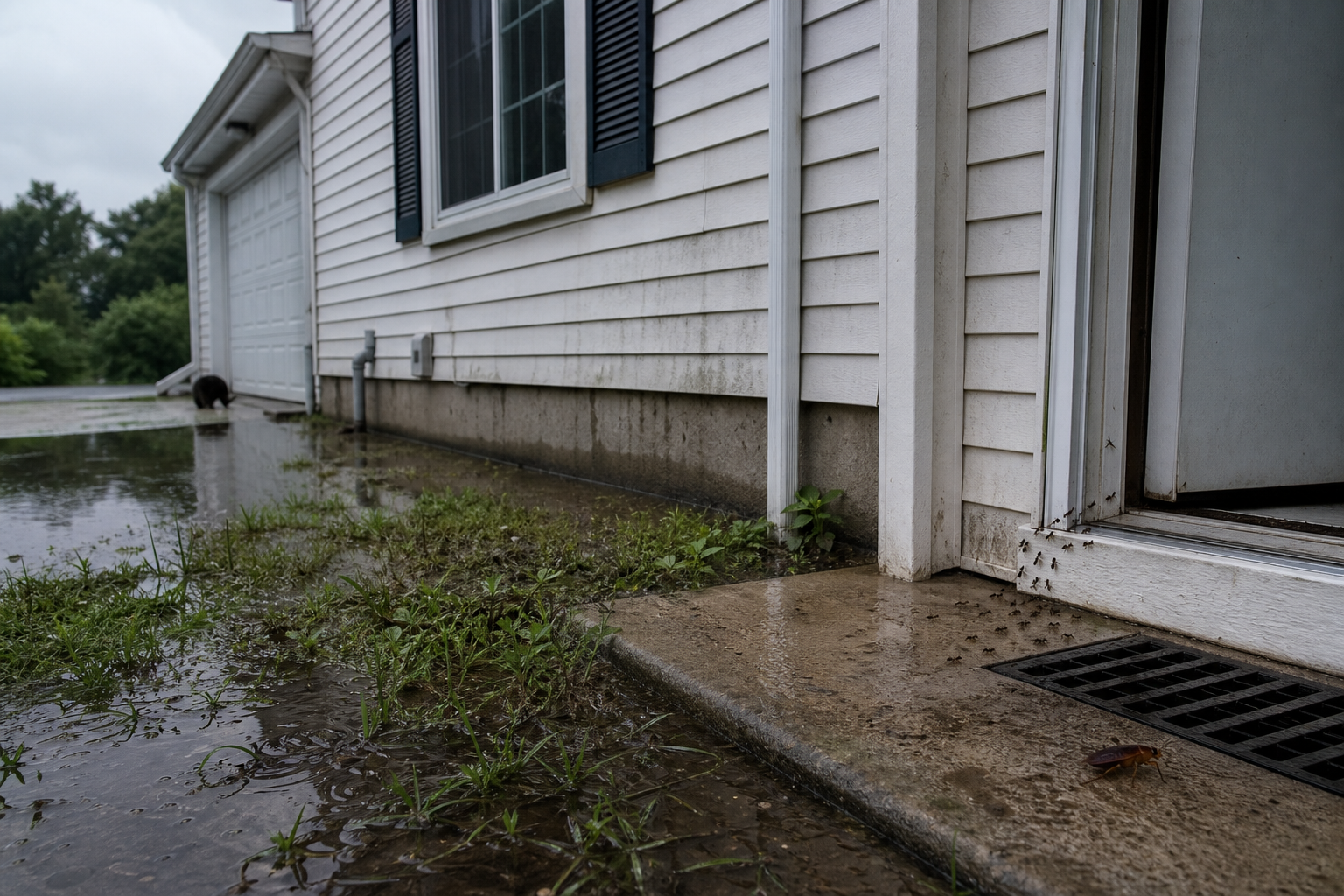
Infestation identification matters more after heavy rain and flooding because saturated soil forces many insects to leave nesting areas and move toward drier shelter indoors. Storm-driven flooding and pooled water around foundations and features can force new openings making it easier for ants, roaches, mosquitoes, and rodents to enter a home.

Call for a free estimate:
For homeowners, the key issue is not just seeing more bugs after a storm. It is understanding which signs point to a short-term nuisance, which signs suggest an established indoor problem, and which next steps are worth paying for.
Why do flooding and heavy storms drive pests indoors?
Wet ground removes the shelter many pests rely on, so they move upward, inward, or both. Ant colonies in soil, roaches in damp exterior voids, and rodents using burrows or low cover can all be displaced when rain saturates the ground or standing water lingers near the house.
According to the Penn State Extension Integrated Pest Management Program, moisture strongly affects where pests live and how they move. The National Pest Management Association explains in its public homeowner guidance that heavy rain can disturb nesting sites and push pests toward structures that offer food, water, and protection.
Mosquitoes are different from ants and rodents in one important way. They are not being pushed inside by floodwater as much as they are being created by it, because pooled water left behind after storms becomes breeding habitat.
How can you tell whether ants after flooding are a temporary nuisance or an infestation?
A brief line of scouts near a door may fade once conditions dry out, but repeated indoor trails, activity in multiple rooms, or ants returning after cleanup point to a more established problem. Ant infestation identification starts with pattern, location, and frequency rather than with a guess about species.
What signs usually point to a real indoor ant problem?
Recurring trails to kitchens, bathrooms, laundry areas, window frames, or wall gaps are stronger evidence than a one-time sighting. Penn State Extension guidance on household ants emphasizes that ants follow food, moisture, and shelter, and that locating where activity concentrates is key to eradication.
- Visible trails that reappear within a day or two
- Clusters around sinks, dishwashers, pet bowls, or leaking plumbing
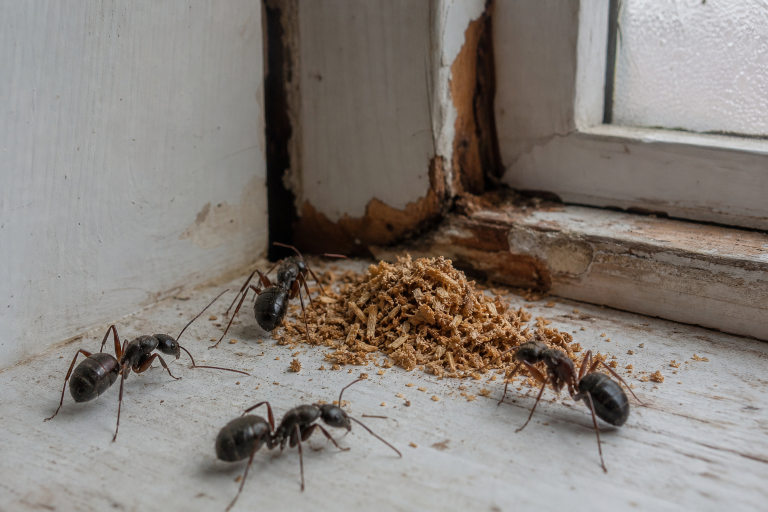
- Ants emerging from baseboards, window trim, outlets, or cracks
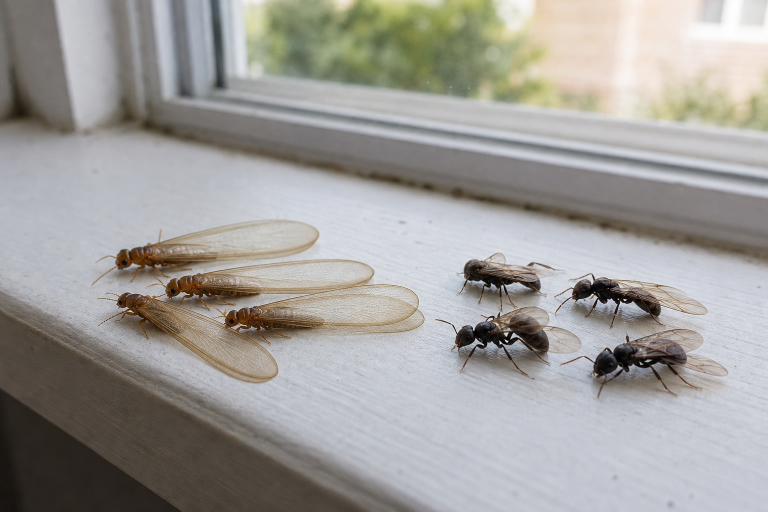
- Winged ants indoors, especially in repeated numbers
- Fine debris or frass-like material near wood trim in some species
If ants show up only near one exterior door right after a storm, the issue may be short-lived. If they spread to food storage areas or appear upstairs away from entry doors, the problem is more likely inside the structure.
Why does moisture matter so much for ant activity?
Damp wood, wet wall voids, and plumbing leaks create stable conditions that some ants use for nesting or foraging. That is one reason post-storm pest issues often overlap with moisture problems, especially around roof leaks, siding gaps, and wet window trim. If you suspect hidden dampness, attic moisture problems and related indoor humidity issues are worth checking alongside pest activity.
What other pests commonly move indoors after flooding?
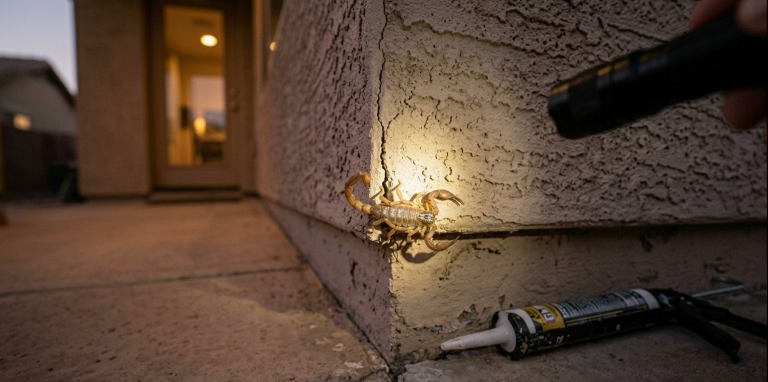
Spiders, roaches, and rodents often increase after prolonged rain because water disrupts harborage outdoors and exposes new entry routes around the house. The exact mix varies by property condition, nearby vegetation, drainage, and how long water remains on site.
How do roaches behave after heavy rain?
American cockroaches and other large roaches often surge from sewers, drains, mulch beds, and exterior voids when rain is intense. The New York State Integrated Pest Management Program commonly notes that moisture and sanitation conditions shape cockroach survival and movement, especially in basements, utility rooms, and around drains.
Seeing one large roach after a storm does not automatically mean a kitchen infestation. Repeated sightings, especially in the same indoor areas, deserve closer inspection.
What rodent signs matter most after flooding?
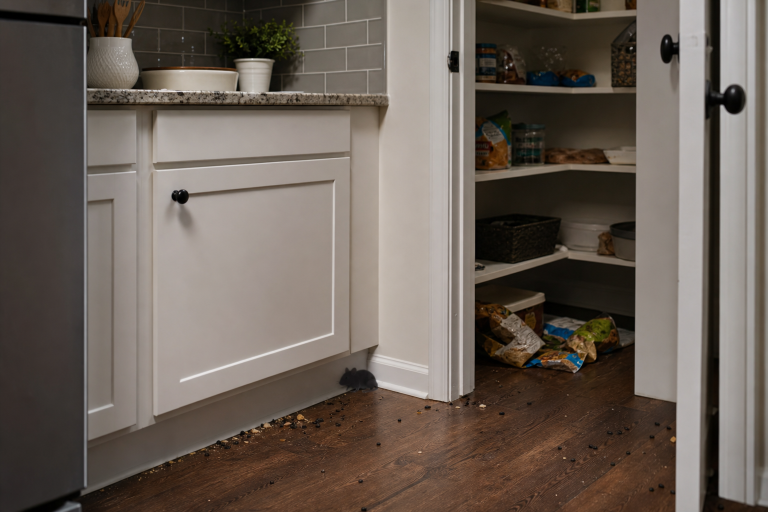
Fresh droppings, gnawing, greasy rub marks, and scratching in walls or ceilings are more meaningful than a single outdoor sighting. The Centers for Disease Control and Prevention advises sealing holes and reducing food and shelter sources as core rodent prevention measures.
Flooding can destroy burrows and low nesting areas, which is why mice and rats may show up in garages, basements, crawl spaces, and utility penetrations soon after severe weather.
Why do mosquitoes get worse so quickly after storms?
Standing water left in gutters, buckets, toys, tarps, planters, and low spots can produce mosquitoes within days. The EPA and Pennsylvania Department of Health both advise removing or draining water promptly because even small containers can become breeding sites. For broader seasonal context, Abodence also covers mosquito and tick season risks.
Where should homeowners look first after a storm event?
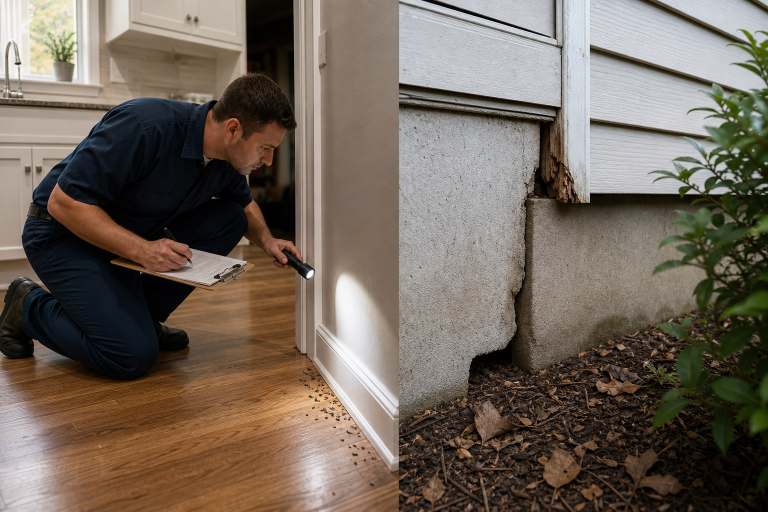
The most useful first check is around wet entry zones, foundation edges, and any place where water sat for more than a day. In hot summer conditions, repeated thunderstorms, humid air, and shaded landscaping can keep those areas attractive to pests even after obvious puddles disappear.
- Basement walls, sill plates, and utility penetrations
- Garage door edges and side entry doors
- Window wells and low window trim
- Under sinks, behind appliances, and around floor drains
- Gutters, downspout discharge areas, and splash zones
- Mulch beds, stacked firewood, and dense ground cover near the house
Which immediate steps are worth doing first?
Homes with clogged gutters or roof drainage problems can see pest pressure rise because runoff is being concentrated right where pests can exploit it. If storm damage or drainage failures are part of the picture, Abodence’s roofing materials compared may help when you are evaluating longer-term exterior repairs, but the immediate issue is moving water away from the foundation.
Start with water management. The EPA recommends emptying standing water from containers, and CDC rodent guidance supports sealing openings and reducing access to food and shelter. Penn State Extension household pest guidance also consistently emphasizes sanitation and exclusion.
Call for a free estimate:
- Remove standing water from containers, tarps, toys, and clogged areas outside.
- Dry wet indoor areas quickly, including basement corners, under sinks, and around appliances.
- Store food in sealed containers and clean crumbs, spills, and pet-feeding areas.
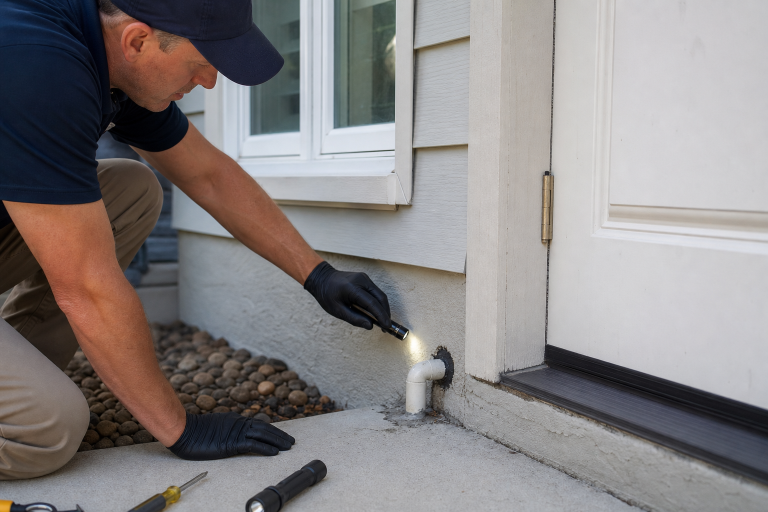
- Seal obvious gaps at door sweeps, pipe penetrations, and damaged screens.
- Trim vegetation and move mulch or stored items away from direct contact with the house.
When is professional pest control the better option?
Multiple pest types, recurring indoor activity, or signs of hidden moisture usually justify a professional inspection. Post-flood pest issues often involve more than one condition at once, such as entry gaps, wet materials, and outdoor breeding sources.
The National Pest Management Association advises integrated pest management, which combines inspection, exclusion, habitat correction, and targeted treatment. That approach is especially useful after storms because spraying alone does not fix standing water, soaked wood, or foundation gaps.
What should a solid inspection include?
A useful inspection identifies where pests are entering, what is sustaining them, and whether the issue is indoors, outdoors, or both. Vague recommendations such as “full-house treatment” without explaining moisture sources, entry points, or species are a sign to ask more questions.
- The pest or likely pest involved
- The main moisture or water-management issue
- Entry points that need sealing or repair
- Whether treatment is interior, exterior, or both
- What follow-up is included and on what schedule
For homeowners comparing service plans and pricing, pest control cost can help frame what to ask before approving work.
How can you reduce the chance of another post-flood infestation?
Longer-lasting prevention comes from drainage, exclusion, and moisture control rather than from repeated reactive treatments. Homes that stay dry around the perimeter and have fewer entry gaps are simply harder for pests to use after storms.
The Federal Emergency Management Agency notes that drainage and water management around the structure are part of reducing flood-related damage. In practical terms, that means keeping gutters clear, extending downspouts where needed, correcting grading that directs water toward the house, and addressing leaks that keep materials damp.
Which fixes usually have the best payoff?
Exterior water control and basic sealing usually matter more than stronger chemicals. A better door sweep, repaired screen, corrected downspout discharge, or a plumbing leak fix can do more than another round of broad spray if the underlying condition is still there.
For a more detailed look at exclusion work, Abodence covers pest entry point sealing and what to check around the home envelope.
What mistakes do homeowners commonly make after storm-driven pest activity?
Waiting on moisture repairs, relying on indoor sprays alone, and overlooking small exterior gaps are the common mistakes. Those choices can reduce visible activity for a short time while leaving the main cause untouched.
Another common problem is treating every ant sighting as the same issue. Ant infestation identification is more useful when you track where ants appear, whether trails return, and whether moisture is involved. That record helps distinguish a brief weather-related surge from a nest that has moved into the structure.
It also helps to avoid overbuying. If mosquitoes are breeding in yard clutter and clogged gutters, the first dollars should go to water removal and cleanup, not premium indoor treatment for a problem that is mainly outside.
FAQ
Can flooding cause ants to suddenly appear in a clean house?
Yes, heavy rain can push ants out of saturated soil and into dry indoor spaces even when housekeeping is not the main issue. Cleanliness still matters for limiting food sources, but moisture and entry points are often the real drivers right after storms.
How long after a storm do mosquitoes become a problem?
Problems can start within days if standing water remains around the property. EPA and Pennsylvania public health guidance both stress dumping or draining water quickly because breeding can happen fast in summer conditions.
Do I need pest control if I only saw ants once after flooding?
One sighting does not always mean a lasting infestation, especially near a door or window soon after a storm. Repeated trails, activity in several rooms, or ants returning after cleanup are better reasons to schedule an inspection.
Will sealing cracks really help with rodents and insects?
Sealing openings is one of the core prevention steps supported by CDC rodent guidance and extension-based pest management advice. It works best when paired with drainage fixes, moisture control, and cleanup of food and clutter sources.
What is the most important first step after storm-related pest activity?
Removing standing water and drying wet areas usually has the biggest immediate payoff. That cuts mosquito breeding habitat outside and makes indoor spaces less attractive to ants, roaches, and rodents.
If post-storm pest activity is continuing around your home, getting a clear inspection and a written plan for moisture, entry points, and treatment is the practical next step. Please call a listed service provider for a free, no-obligation discussion.
Sources: Pennsylvania Department of Health, Penn State Extension Integrated Pest Management Program, National Pest Management Association, Federal Emergency Management Agency