Pest Control Warranty: What Happens if Bugs or Rodents Come Back
Pest control warranty terms decide what happens next if insects or rodents show up again after treatment. In most cases, a return visit is possible, but the details depend on the service agreement, the pest involved, the time window, and whether the company required sanitation, storage, or exclusion work that was not completed.
According to the U.S. Environmental Protection Agency, effective pest management usually combines inspection, monitoring, sanitation, habitat modification, and targeted treatment rather than relying on chemicals alone. In plain terms, a comeback problem often points to an unresolved entry point, food source, moisture issue, or nesting area, not simply a failed spray.
What does a pest control warranty usually cover?
Many service agreements cover follow-up service within a stated period if the named pest returns under the same conditions addressed in the original visit. The National Pest Management Association describes pest control as an ongoing process built around inspection, identification, treatment, and prevention, which is why many companies structure warranties around re-service rather than a blanket promise that no pest will ever appear again.
For homeowners, that usually means the agreement covers one or more of these items:
- A scheduled reinspection after the initial treatment
- An additional treatment for the same pest within the warranty period
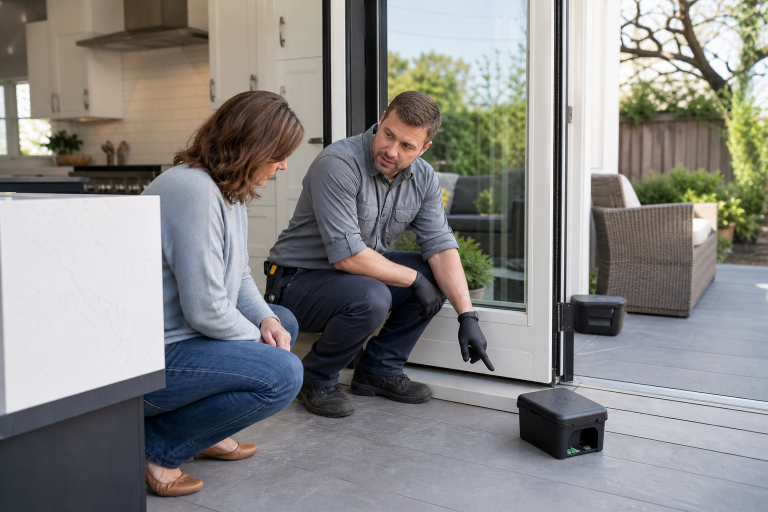
- Trap resetting or bait station checks for rodents
- Service limited to the original treatment area
- Coverage only for pests specifically listed on the contract
Some warranties are tied to one-time treatments. Others apply only while a recurring service plan stays active. A termite warranty is often written differently from a general pest plan, and rodent work is often written differently from insect work because exclusion, meaning sealing entry points, can be a separate line item.
If the contract says “retreatment as needed,” read the rest of the page carefully. That phrase sounds broad, but it often has limits on timing, pest species, and site conditions.
What happens if bugs come back after treatment?
A second visit is commonly the next step if the same covered insect activity returns during the warranty period. The company will usually confirm whether you are seeing lingering activity from the first treatment, a new infestation, or a different pest entirely.
That distinction matters because some pests are expected to remain visible for a short period after treatment. Product labels approved by the EPA can require specific use patterns and may describe delayed effects rather than instant elimination. The EPA pesticide label guidance treats the label as the legal direction for how a product can be used, so any reputable follow-up service should match label limits and application intervals.
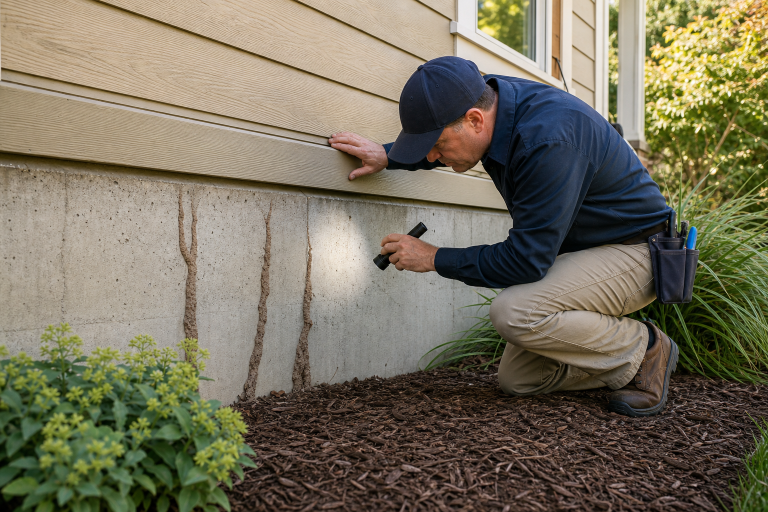
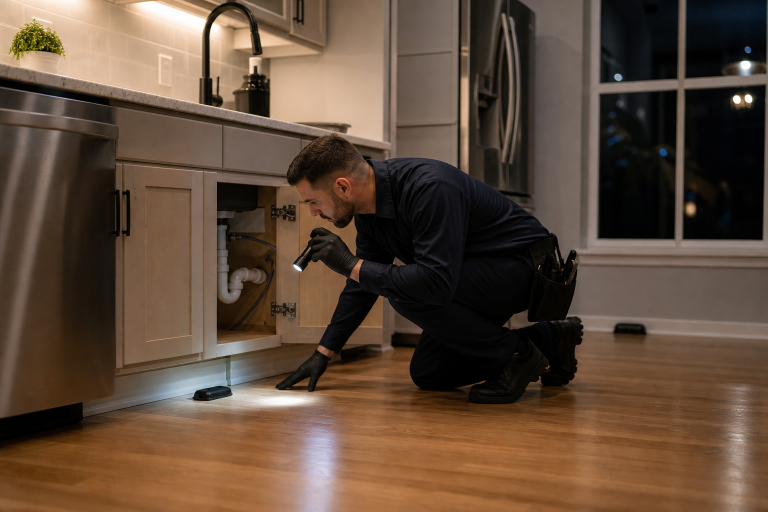
In practice, a return visit for bugs often includes another inspection first. The technician may look for conditions that support the pest, such as stored cardboard, food debris, standing water, or cracks around plumbing and utility lines. If those conditions were noted in the original report and not corrected, the company may still offer service, but the warranty may not require free retreatment.
When is a comeback still considered normal?
Short-term activity can continue for a limited time after some treatments because pests may still move through treated areas before they die. Product manufacturers such as BASF and Syngenta publish label instructions and technical bulletins that explain residual performance and timing, and those documents do not promise instant results for every insect in every condition.
When does it suggest the original scope was not enough?
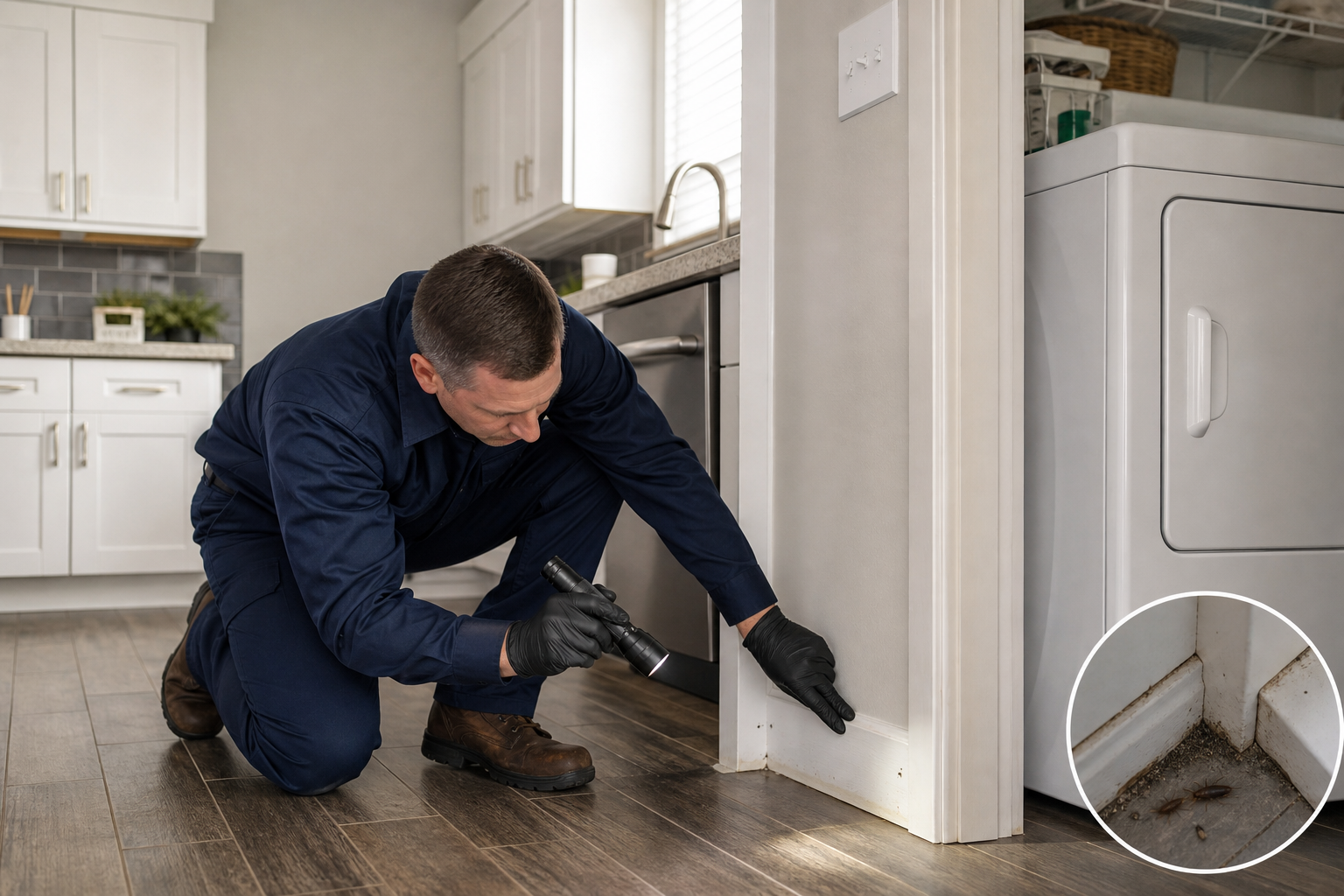
Repeated activity weeks later can indicate that the source was never fully addressed, especially if the pests are breeding indoors or entering from an untreated area. For example, treating visible ants without locating the trail source, or treating kitchen roaches without addressing hidden harborage and moisture, can leave the underlying problem in place.
If your paperwork mentions sanitation corrections, moisture control, or sealing gaps, compare those notes to what was actually completed before assuming the warranty was breached.
What happens if rodents come back?
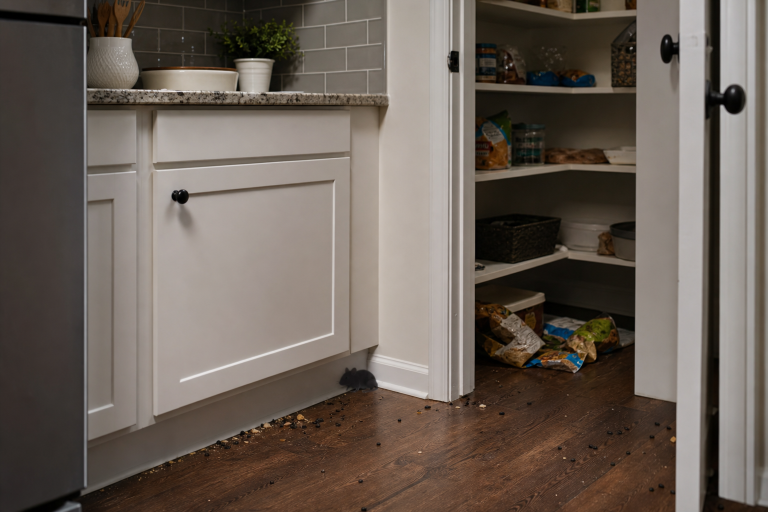
Rodent service usually triggers another inspection, because a recurring mouse or rat problem often means there is still an opening, nesting area, or food source available. The Centers for Disease Control and Prevention guidance on rodent control emphasizes sealing entry points, removing food access, and trapping as core control measures, which aligns with how many professional rodent warranties are written.
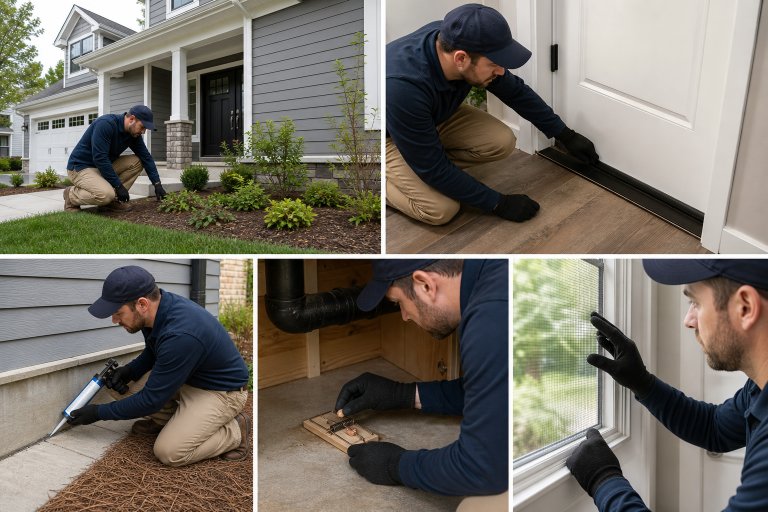
Unlike many insect treatments, rodent control often depends heavily on exclusion work. If a company set traps but your contract did not include sealing gaps around pipes, garage doors, vents, or foundation penetrations, the return of rodents may lead to a new proposal rather than a free repeat visit.
Look closely at whether your agreement covers:
- Trap checks only
- Bait station maintenance only
- Interior trapping plus exterior monitoring
- Exclusion repairs
- Cleanup of droppings or nesting material
- Attic or crawlspace restoration
Why do pests come back even after professional treatment?
Most repeat infestations trace back to conditions that let the pest survive or re-enter, not to a simple question of whether chemicals were applied. The EPA’s integrated pest management guidance and university extension pest management publications consistently point to food, water, shelter, and access as the drivers that keep infestations going.
Common reasons include these:
- Entry points were never sealed
- The pest was misidentified at the start
- Only one area was treated, while the source was elsewhere
- Sanitation or clutter issues continued
- Moisture problems supported the pest population
- Neighboring units or attached structures reintroduced the pest
- The contract covered one pest, but a different pest appeared later
This is also where pressure sales can creep in. Some companies jump too quickly from “the bugs came back” to “you need a whole new package.” Sometimes that is true. Sometimes a simple follow-up under the existing agreement is the right answer. The contract language should decide that, not a vague verbal promise.
How can you tell whether the warranty is still valid?
Your service agreement, inspection notes, and invoice usually answer that question better than the company’s marketing page. Start with the written terms and look for the exact pests named, the service dates, the covered areas, and the conditions that void coverage.
Most valid agreements spell out four things clearly:
Which pests are included?
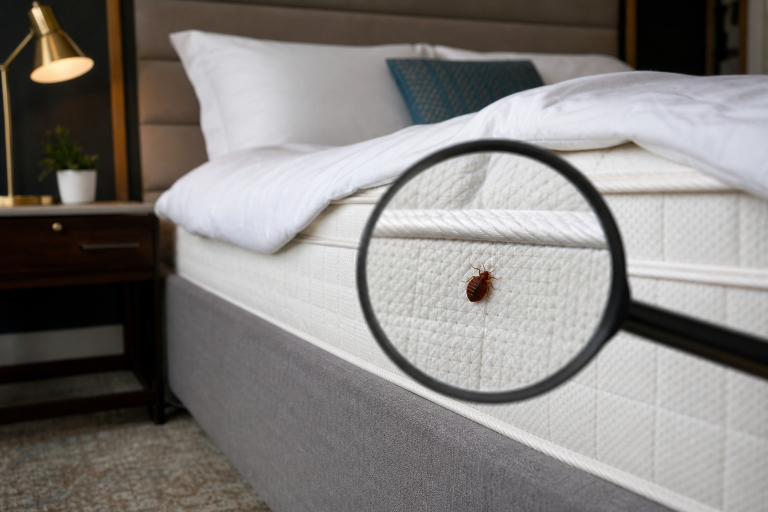
Coverage is often limited to listed pests such as ants, roaches, spiders, mice, or rats. Wildlife, termites, bed bugs, mosquitoes, or wood-destroying organisms may be excluded or handled under separate contracts.
How long does coverage last?
A one-time treatment may include a short callback period, while a quarterly plan may offer continuing re-service between scheduled visits. If the period expired, the company may still help, but it may not be free.
What homeowner conditions apply?
Many contracts require reasonable housekeeping, moisture correction, and access to treatment areas. Rodent warranties often require that exclusion recommendations be accepted if entry points were documented.
What exactly is the remedy?
The usual remedy is additional service, not a refund. Some agreements promise retreatment. Others promise inspection and treatment only if live activity is confirmed.
What should you do first if you notice pest activity again?
Documenting the activity and contacting the company promptly is the practical first step. Save photos, note where you saw the pests, and compare the date to your service agreement’s callback window.
Keep the report simple and specific. State what pest you think you saw, how many, which room or exterior area was involved, and when it happened. If traps are part of the plan, mention whether they were triggered or untouched.
Avoid cleaning away every trace before the inspection if doing so would remove the evidence the technician needs to confirm the issue. At the same time, do not handle pesticides on your own in a way that could conflict with the original treatment. If children or pets are part of the household, this is also a good time to review safety guidance such as Abodence’s pest control safety guide for parents and pet owners.
For entry-related problems, it also helps to understand where pests get in. Abodence’s guide to pest entry point sealing explains the kinds of gaps and penetrations that often keep reinfestations going.
When should you expect a free re-service, and when might you pay again?
Free follow-up is most common when the same covered pest returns within the written warranty period and the homeowner has met the contract conditions. New charges are more common when the callback window has expired, a different pest is involved, or recommended exclusion and correction work was declined.
There is no universal national price for retreatment because pest scope varies widely, but service marketplaces such as Angi and HomeAdvisor have published 2025 ranges showing general pest visits often priced separately from larger rodent exclusion work. Those figures are useful only as rough market context. Your own contract controls whether the return visit is included.
Refunds are less common than additional service. Many agreements are written around “service to control” rather than “money back if any pest is seen again.” If a company sold a recurring plan, the remedy is usually another visit under that plan.
What contract language matters before you sign?
The strongest agreements define the pest, the property areas, the time window, and the exact response if activity returns. Vague promises such as “guaranteed results” are less useful than a plain sentence that says when a callback is free and what it includes.
Before signing, look for these terms in writing:
- The exact pests covered
- The start and end date of coverage
- Whether callbacks are unlimited or capped
- Whether rodents require separate exclusion work
- Whether attics, crawlspaces, garages, or sheds are included
- What preparation or sanitation is required from you
- Whether the remedy is retreatment, monitoring, repair, or refund
- What voids the warranty
- Whether the agreement renews automatically
If a company cannot explain those points clearly, the problem is not the wording alone. It is the lack of a defined scope.
Can a comeback problem mean you need a different pest strategy?
Yes, recurring activity can mean the original approach was too narrow for the actual source of the infestation. A broader plan may be justified when inspection shows structural entry points, moisture conditions, or hidden nesting that a basic treatment was never designed to solve.
That does not mean the bigger package is always the right answer. If the issue is a missed follow-up under an active agreement, a callback may be all that is needed. If the issue is open utility penetrations, garage door gaps, or crawlspace access, paying for exclusion may be more effective than paying for repeated sprays.
For homeowners trying to compare treatment styles, including lower-toxicity options, Abodence also covers how eco-friendly pest control compares with conventional chemical approaches.
FAQ
Do pest control companies have to come back for free if pests return?
Free follow-up usually depends on the written agreement, the pest listed, and the time window still being active. If the contract promises re-service for that pest and you met the stated conditions, a callback is commonly included.
How long after treatment is it normal to still see bugs?
Some post-treatment activity can continue for a short period because certain products work over time rather than instantly. The product label and the company’s treatment notes should guide the expected timeline for the pest that was treated.
If mice come back, does that mean the treatment failed?
Recurring rodent activity often points to an unsealed entry point or incomplete exclusion, not just a failed trapping effort. A return inspection should identify whether the original scope included sealing work or only monitoring and removal.
Can a pest control warranty be voided?
Many agreements can be voided by conditions listed in the contract, such as missed payments, denied access, or failure to complete required corrections like sanitation or exclusion work. The exact trigger should be stated in writing.
Should you switch companies if the pests return once?
A single callback does not automatically mean the company handled the job poorly, especially if the contract anticipated follow-up service. It makes more sense to compare the written scope, the inspection quality, and the clarity of the response before deciding whether to change providers.
If pests or rodents have come back and the contract language is unclear, getting a second opinion on the scope and the next step can help you decide whether you need a callback, exclusion work, or a different treatment plan. Please call a listed specialist for a free, no-obligation discussion.
Sources: National Pest Management Association, BASF product labels and technical bulletins, Syngenta product labels and technical bulletins, Angi, HomeAdvisor