Roof Replacement Timeline: Expectations, Strategy and Resources
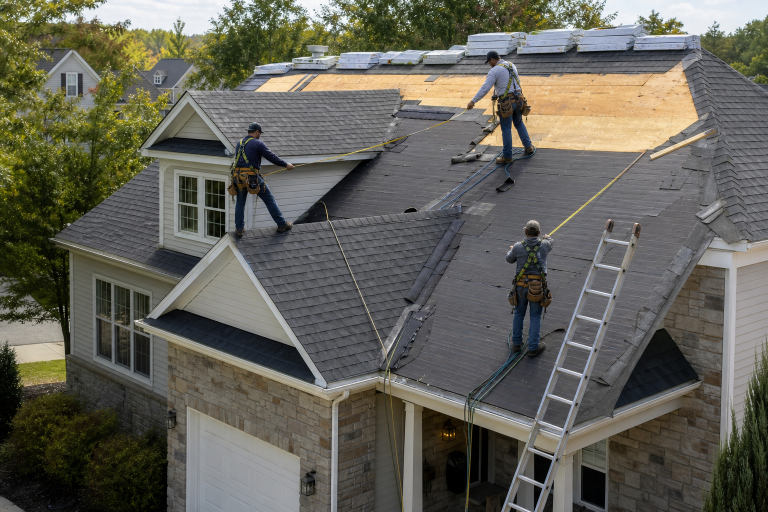
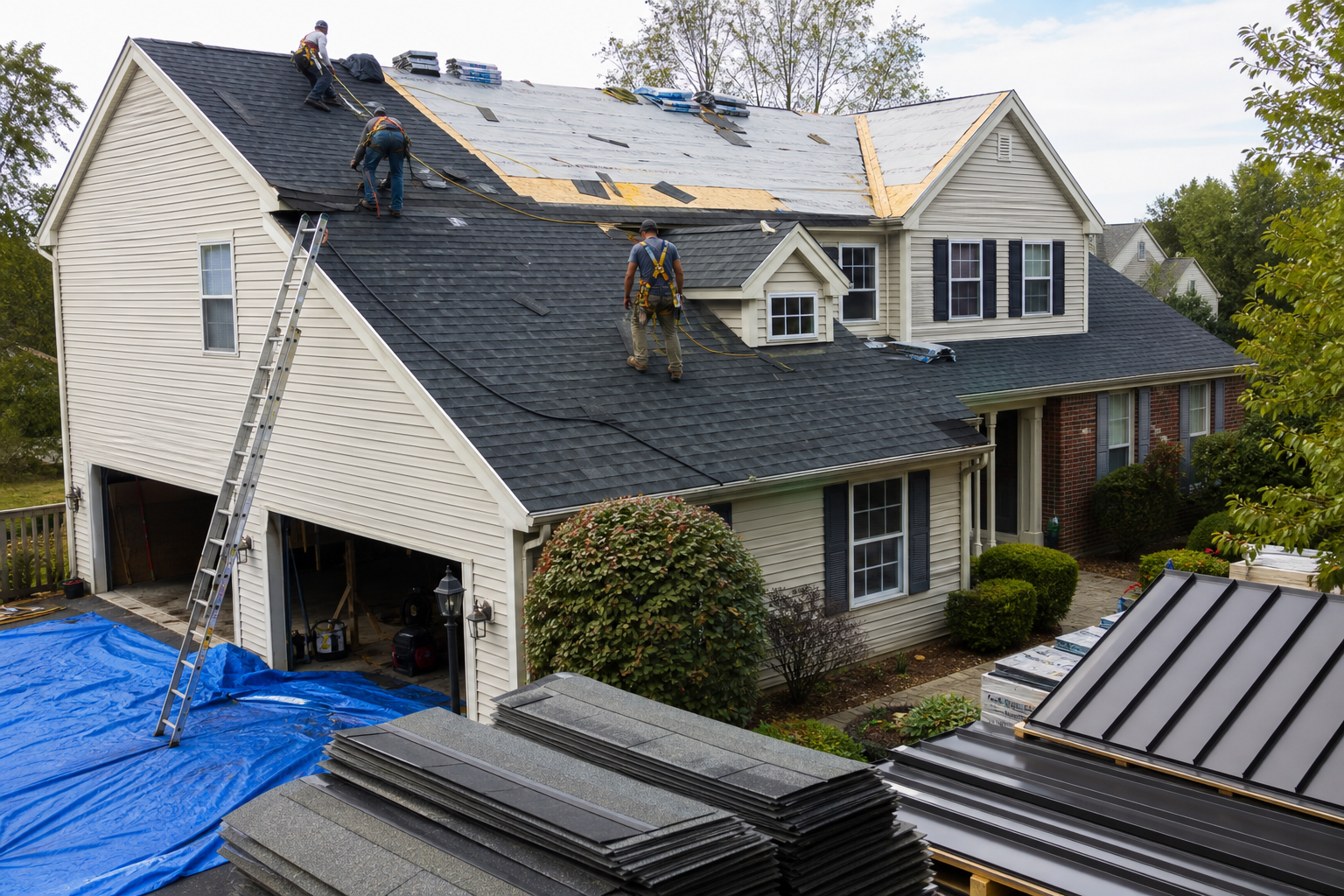
A roof replacement schedule has many nuances, and one practical concern: how many days will your house actually be under construction. For most homes, an efficient crew can tear off and install a new asphalt shingle roof in one to a few days, while more complex materials such as metal, tile, slate, or low-slope membrane systems often take longer because layout, flashing, fastening, and weather sensitivity are less forgiving.

Call for a free estimate:
The exact schedule depends on roof size, pitch, access, decking condition, material type, local permit and inspection timing, and whether the job includes only the roof covering or also sheathing repairs, skylights, chimneys, gutters, and ventilation changes. According to the Occupational Safety and Health Administration, roofing is fall-hazard work, which is one reason production speed is never the only factor on a properly run job.
If you are comparing bids, the shortest promised timeline is not automatically the best one. A faster schedule can be fine when the roof is straightforward and the crew is properly sized. But, it can also be a warning sign when the quote is vague about tear-off, deck repairs, flashing replacement, cleanup, or weather delays.
How long does a crew usually need for a new roof?
Most standard residential reroof projects are measured in days, not weeks. The National Roofing Contractors Association, in its homeowner guidance, describes residential replacement timing as a function of size, complexity, accessibility, weather, and material choice rather than a fixed universal number, which matches how contractors schedule real jobs.
For a simple single-family home with asphalt shingles, one to three days is common when there is one layer to remove and no major deck damage. Architectural complexity pushes that out. Valleys, dormers, steep sections, multiple penetrations, and difficult driveway access all slow loading, tear-off, staging, and detail work.
Metal roofing often takes longer than shingles on the same footprint because panel layout and trim details are more exacting. Clay or concrete tile roofs can stretch further because the material is heavier, handling is slower, and underlayment and flashing details matter more. Natural slate usually takes the longest among common residential roof types because it is labor-intensive and highly detail-driven.
Low-slope roofs on porches, additions, or contemporary homes are their own category. Systems such as modified bitumen, TPO, or EPDM can move quickly on a clean, open surface, but drains, parapets, seams, and edge details can add time.
How does roof type change the replacement timeline?
Material choice is one of the biggest drivers of labor time because each system installs differently. Manufacturer application instructions and trade guidance treat these roofs as distinct assemblies, not interchangeable coverings.
Asphalt shingles
One to three days is a realistic range for many detached homes. GAF and Owens Corning installation documents both show why these roofs move relatively fast: shingles are modular, common flashing details are standardized, and crews are widely familiar with the system. Extra time is usually tied to steep pitch, cut-up rooflines, or deck replacement after tear-off.
Standing seam or exposed-fastener metal
Two to five days is common for many homes, and longer is possible on complex roofs. The Metal Roofing Alliance explains that metal systems require precise trim, panel placement, and flashing details, especially around valleys, chimneys, and penetrations. Custom-fabricated panels can also affect start dates before labor even begins.
Wood shakes or shingles
Several days to about a week is common on homes where wood roofing is still permitted and specified. Cedar Shake & Shingle Bureau guidance treats spacing, fastening, underlayment, and exposure as system details that take more care than a basic shingle layout.
Clay or concrete tile
About one week or more is common, depending on size and access. The Tile Roofing Industry Alliance publishes installation guidance that reflects slower handling, heavier material movement, and more deliberate alignment and flashing work than an asphalt reroof.
Natural slate
A week to multiple weeks is possible on larger or more detailed homes. The Slate Roofing Contractors Association and slate manufacturer literature both reflect a specialty installation process with slower production and a smaller pool of qualified installers.
Low-slope membranes
A few days is common for smaller residential sections, while larger or more detailed assemblies can take longer. Carlisle SynTec and Elevate product literature show that membrane roofs depend heavily on substrate condition, seam work, edge securement, and flashing details at penetrations and walls.
What parts of the job add time after the old roof comes off?
Deck repairs, flashing replacement, and ventilation corrections are the items most likely to extend the schedule after tear-off. Those are not surprise upsells when they are tied to visible conditions uncovered during removal.
The International Residential Code, at IRC Chapter 9 roof assemblies, requires roof coverings to be applied according to the code and manufacturer instructions, and damaged substrates are not a proper base for new roofing. If the crew finds soft or rotted sheathing, that section has to be replaced before underlayment and roofing go on.
Flashing work is another major variable. Step flashing at sidewalls, chimney flashing, drip edge, pipe boots, skylight details, and valley metal all take time, and they should be described clearly in the quote. A bid that says only “new roof” leaves too much room for disagreement later.
Ventilation upgrades can also change the timeline. If the project adds intake vents, ridge vent, or other code-compliant changes, the roofers may need carpentry work in addition to roofing work. If you want a clearer explanation of how attic conditions and airflow affect the roof system, this related guide on attic moisture problems and ventilation fixes is worth reviewing before you sign a contract.
How much do size and roof complexity affect the schedule?
Square footage matters, but roof shape often matters more. A large rectangular roof with good access can move faster than a smaller roof packed with dormers, valleys, skylights, and steep transitions.
Roofers often estimate area in squares, with one square equal to 100 square feet of roof area. The more cut-up the roof is, the more time goes into measuring, cutting, staging, and waste handling. Steeper roofs also require slower movement and more safety setup.
Call for a free estimate:
Access is easy to overlook until job day. Limited driveway space, detached garages blocking material loading, landscaping that restricts debris placement, and neighborhood rules about dumpsters can all slow production without changing the roof material at all.
How often do weather and inspections delay a roof replacement?
Weather delays are common enough that any realistic schedule should include them. Manufacturer instructions for asphalt, metal, tile, and membrane systems all place limits on installation conditions, especially where underlayment exposure, sealant performance, or membrane welding are involved.
Rain is the obvious concern, but wind and temperature can matter too. Shingles may not seal as intended in some conditions until they receive enough sun exposure. Membrane systems can have temperature-related installation limits depending on the product. Tile and slate work can also slow when surfaces are slick or unsafe.
Permits and inspections vary by jurisdiction. According to the National Association of Home Builders permit guidance, permit timing and local administrative steps differ widely, which is why one contractor may be able to start sooner than another even with the same crew availability.
What timeline should you expect for common residential roof scenarios?
A practical way to set expectations is to match the material and roof shape to a broad labor window, then allow for weather and hidden repairs.
- Basic asphalt shingle on a colonial: about 1-2 days
- Larger or more complex asphalt shingle home: about 2-4 days
- Standing seam metal on an average home: about 2-5 days
- Exposed-fastener metal on a simple structure: about 1-3 days
- Wood shake roof: about 3-7 days
- Concrete or clay tile roof: about 5-10 days
- Natural slate roof: about 1-3 weeks or longer
- Small low-slope residential section: about 1-3 days
These are planning ranges, not promises. The same roof can land outside them if tear-off reveals multiple decking sections that need replacement or if the home has difficult site access.
What should a contractor include when they promise a roofing timeline?
A useful schedule should identify what is included, what can extend the job, and who decides when extra work is necessary. Without that detail, “two days” does not mean much.
Look for these items in writing:
- tear-off scope and number of existing layers included
- whether decking replacement is included, excluded, or billed by unit after discovery
- specific underlayment, flashing, ice barrier, and ventilation components
- daily cleanup and final debris removal
- who obtains permits and schedules inspections
- how weather delays are handled
- whether material delivery or fabrication lead time affects the start date
- warranty documents for both workmanship and manufacturer coverage
Warranty language matters here because some delays and scope changes happen when the installer is trying to meet manufacturer requirements, not pad the invoice. Abodence has a related explainer on roof warranty terms if you want to see how coverage language and installation requirements connect.
FAQ
Can a roof really be replaced in one day?
Yes, many straightforward asphalt shingle roofs can be completed in one day when the house is modest in size, the roofline is simple, weather cooperates, and no major deck repairs are uncovered.
Does a metal roof always take longer than shingles?
Usually, metal roofing takes longer because panel layout, trim, and flashing are more exacting, but a simple metal roof can still move quickly if access is good and the design is uncomplicated.
Will roof decking replacement add a lot of time?
Sometimes it adds only a few hours, while widespread sheathing damage can add a day or more depending on how much of the substrate needs to be removed and replaced.
How long can a house stay protected if weather interrupts the job?
Temporary dry-in measures can protect the home between work periods, and responsible contractors plan for that possibility whenever the forecast is uncertain.
Do tile and slate roofs take much longer than asphalt roofs?
Yes, those materials usually require more labor time because they are heavier, slower to handle, and more detail-sensitive at flashings, edges, and transitions.
If you are comparing roofing bids and the timelines do not line up, getting a second written opinion on scope, flashing, decking, and warranty terms is a practical next step before you commit. Please call a listed specialist for a free, no-obligation discussion.
Sources: National Roofing Contractors Association, GAF Residential Roofing Shingle Application Instructions, Owens Corning Roofing Installation Instructions, Metal Roofing Alliance, Cedar Shake & Shingle Bureau, Tile Roofing Industry Alliance, Slate Roofing Contractors Association, Carlisle SynTec Systems, Elevate Roofing Systems, Asphalt Roofing Manufacturers Association