Protecting Windows from Nor-easter Winter Storm Debris
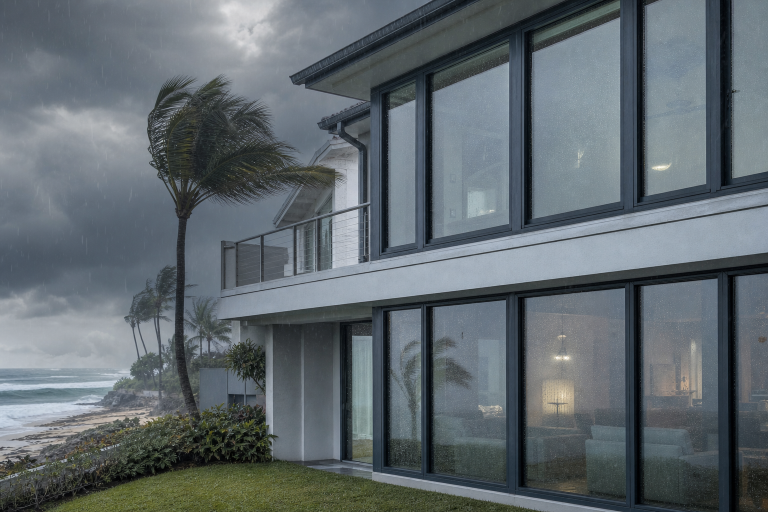
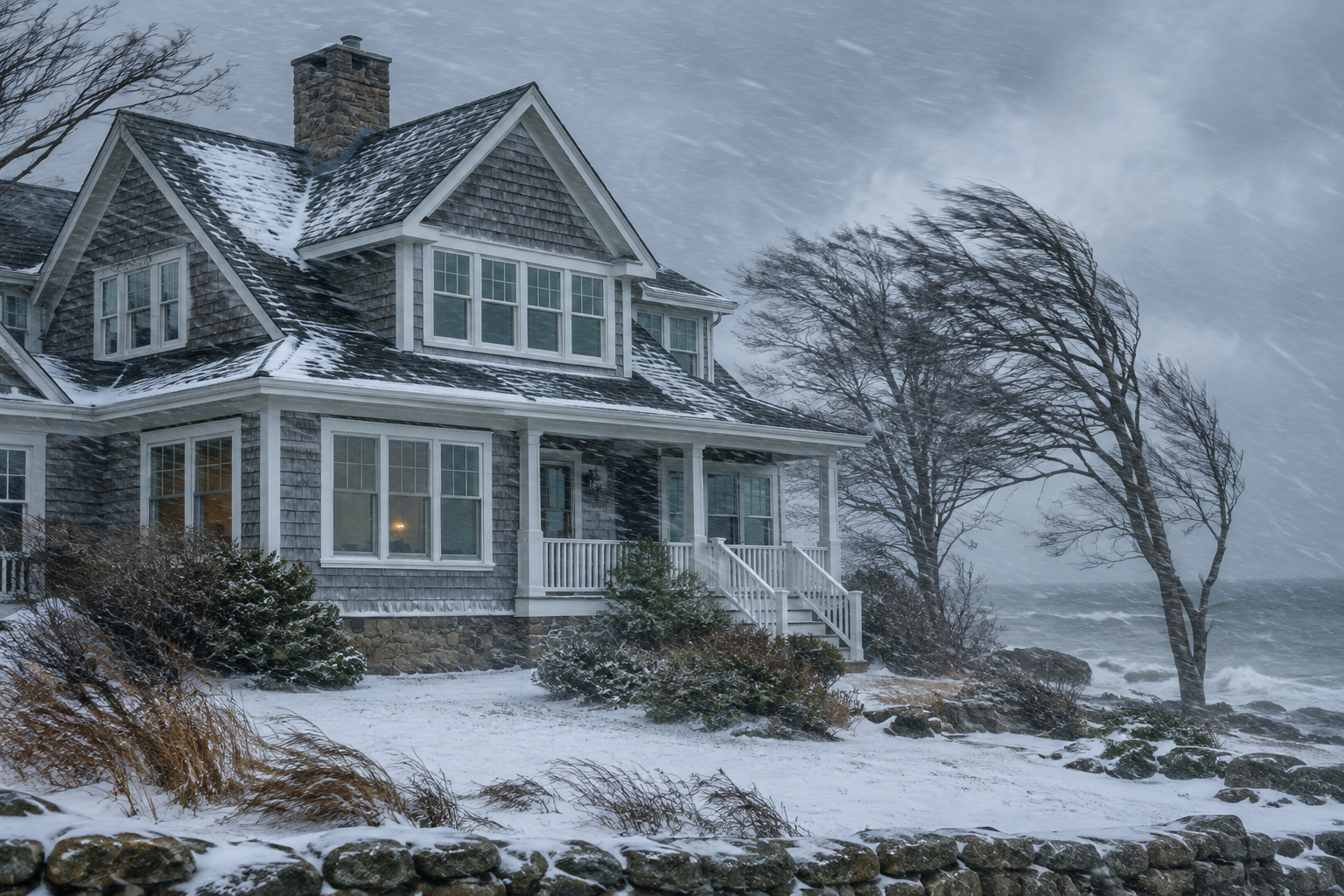
Wind-driven debris can turn an ordinary window into the point where a winter storm enters the house. A nor’easter may bring heavy snow, rain, strong coastal winds, and falling or airborne branches. For homes exposed to those conditions, impact-resistant glazing is worth reviewing as part of a larger plan that includes the window frame, fastening, roof condition, and nearby trees.

Call for a free estimate:
Impact-resistant windows are not simply thicker versions of standard insulated windows. Their value comes from a tested assembly designed to resist a defined impact and wind-pressure sequence.
What makes wind-driven debris dangerous to a window?
A broken exterior window can allow wind and precipitation into the building envelope at the same time. The National Oceanic and Atmospheric Administration describes nor’easters as strong coastal storms that can produce damaging winds along with snow or rain, especially across the eastern United States.
A branch does not need to be large to be a concern when wind supplies the force. Loose objects around the property, damaged siding, and limbs weakened by ice can also become projectiles. The window’s glass is only one part of the opening. Sashes, locks, frames, anchors, and the wall connection all have to remain in place for a window system to perform as intended.
Water intrusion is a separate concern from broken glass. A window may resist an impact yet still need prompt evaluation if its frame, exterior sealant, flashing, or surrounding wall has been damaged. Impact resistance addresses a particular test condition. It does not eliminate the need for sound installation and regular exterior maintenance.
How does impact-resistant glass differ from ordinary window glass?
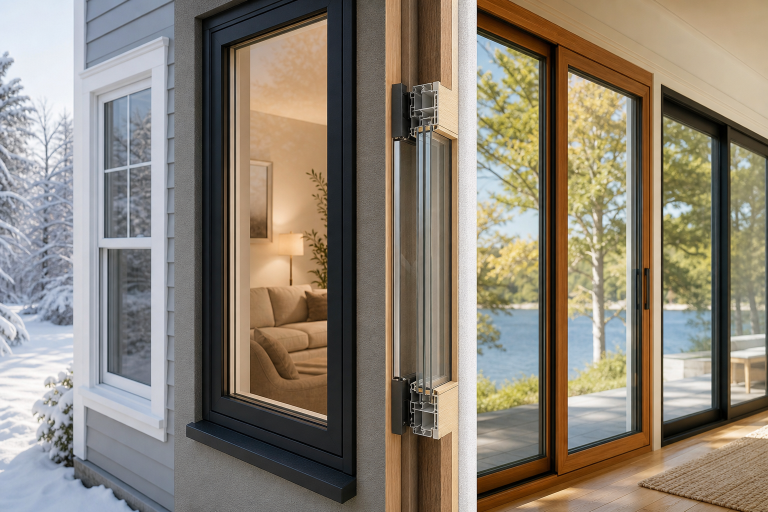
Typical impact-resistant construction uses laminated glass, which bonds glass layers to a plastic interlayer. When a severe impact cracks the panes, the interlayer is intended to retain much of the broken glass and preserve a barrier rather than leave an open hole. That behavior is fundamentally different from an ordinary insulated glass unit, where broken panes can create an unobstructed opening.
Tempered glass and laminated glass should not be treated as interchangeable descriptions. Tempered glass is designed to break into relatively small pieces, while laminated glass relies on its bonded interlayer for retention after breakage. A salesperson’s use of “safety glass” does not establish that the window is rated for wind-borne debris.
Protective glazing can still crack under an impact. A cracked outer pane does not automatically mean that the system failed, and an uncracked appearance does not prove that a product meets an impact standard. The meaningful question is whether the exact window configuration has a documented rating for the required test protocol, size, hardware, and installation conditions.
Which impact ratings should homeowners look for?
Look for documentation showing that the product was evaluated under ASTM E1886 and ASTM E1996, not a claim about glass thickness alone. ASTM E1886 sets test methods for performance after impact and under cyclic pressure, while ASTM E1996 defines performance requirements and wind-zone-based missile criteria for exterior windows, doors, and curtain walls.
The rating should match the exposure the home actually faces. ASTM E1996 distinguishes large-missile and small-missile conditions, and its use depends on the applicable wind zone and building conditions. The local code, site exposure, opening height, and the adopted edition of the code determine what documentation is relevant.
Ask the seller or installer to provide these items before comparing products:
- The product approval, evaluation report, or test report identifying the exact window or door series.
- The approved maximum size, glass makeup, frame material, hardware, and design-pressure limits for the proposed unit.
- Installation instructions and anchoring requirements that apply to the wall construction.
- A written statement of what is included, including removal, flashing repairs, interior trim, exterior finish work, and disposal.
- The manufacturer warranty and the installer’s separate workmanship warranty, with exclusions stated plainly.
Will impact-resistant windows stop every kind of winter storm damage?
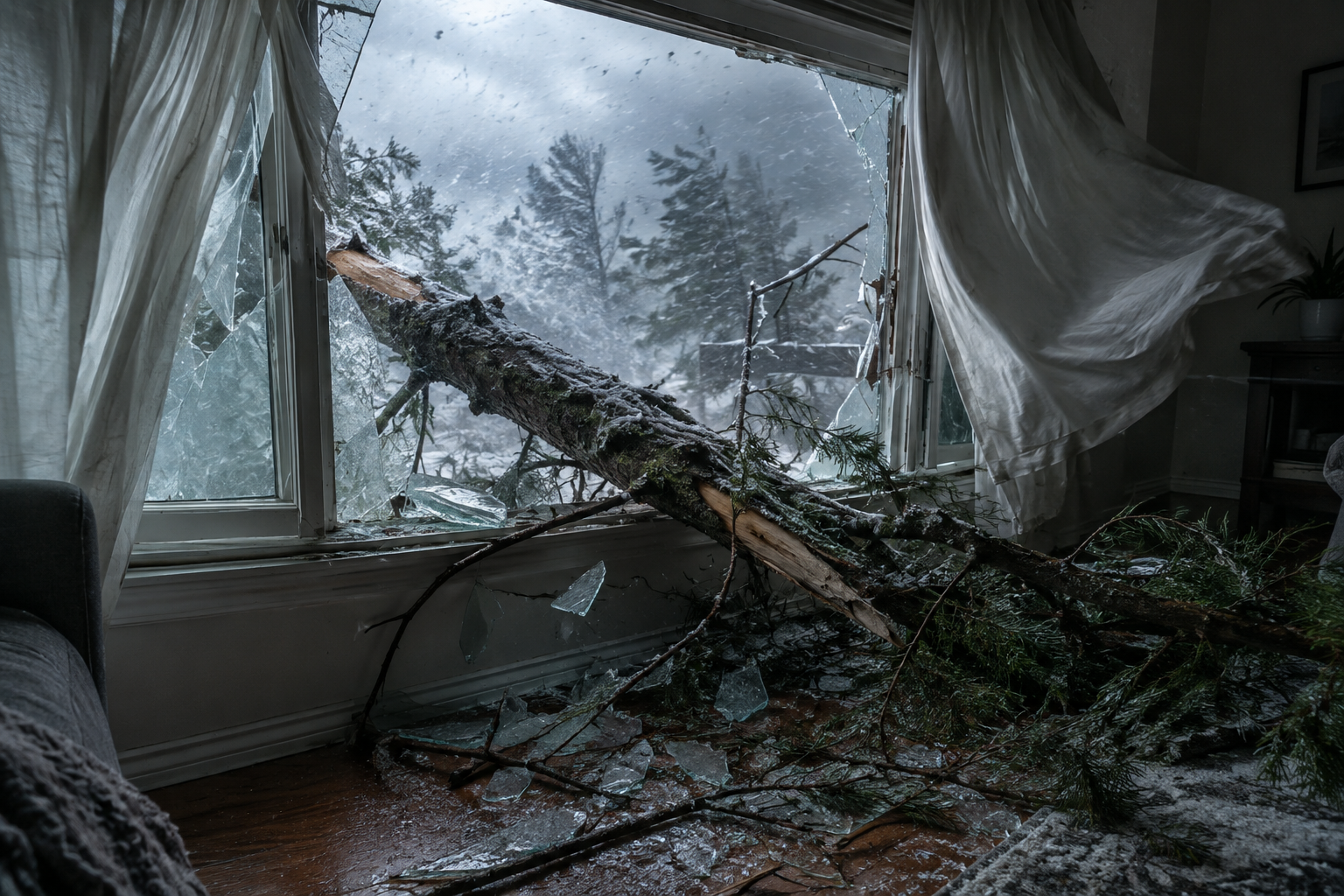
They can preserve the window opening after a debris strike, but they cannot protect the house against damage that exceeds their tested rating. The Federal Emergency Management Agency identifies impact-resistant windows and protective shutters as measures that can reduce vulnerability from high winds, while also emphasizing the importance of securing the building envelope.
A falling tree trunk, a failed roof section, poor drainage, or water entering around damaged siding requires a different response. No glazing upgrade corrects a roof that is near the end of its service life or a tree limb hanging over the house. For roof-related warning signs and the scope of a replacement decision, see this guide to roof replacement warning signs.
Impact glazing also does not make a damaged window safe to ignore after a storm. If glass is cracked, a sash no longer operates properly, or the frame has shifted, arrange for a qualified window professional to assess the opening. Do not rely on the interlayer as a long-term fail-safe, and do not remove damaged glass in severe weather if you can board up the window and wait for professional help.
When does replacing the whole window make more sense than adding protection?
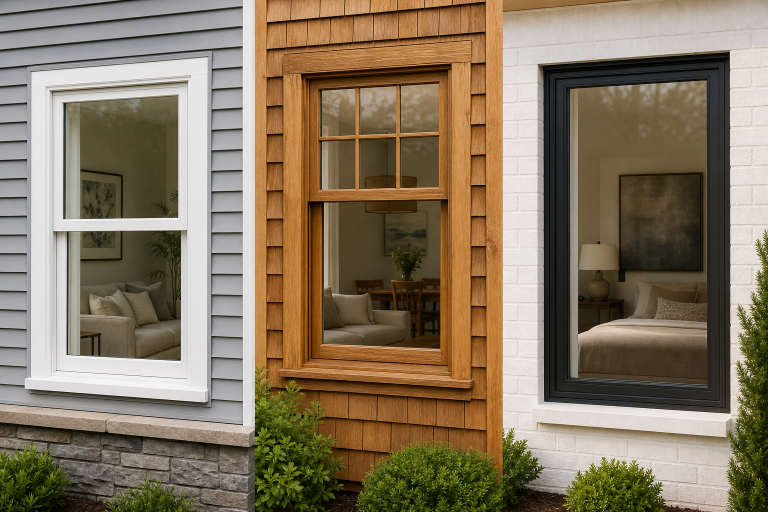
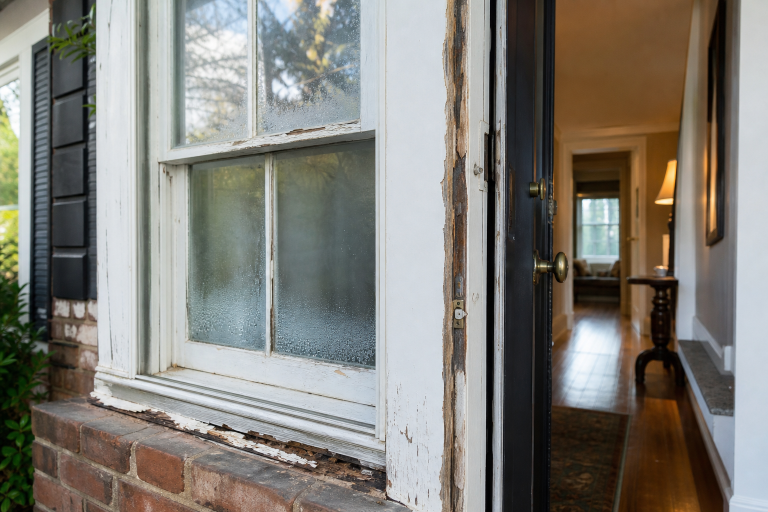
A full replacement is usually the better option when the existing frame is deteriorated, the sash does not close squarely, water is already reaching the wall, or the desired impact product needs an approved frame that the old opening cannot provide. In that situation, adding a film or covering to aging glass does not create a debris proof barrier.
Conversely, a structurally sound newer window may not justify immediate replacement solely because a homeowner wants more protection. Approved exterior shutters can be a practical alternative where local requirements permit them and occupants can close them before a storm. Their effectiveness depends on a documented rating, compatible anchors, and a realistic plan for deployment. Decorative shutters and temporary plywood should not be presented as equivalent to a rated impact system.
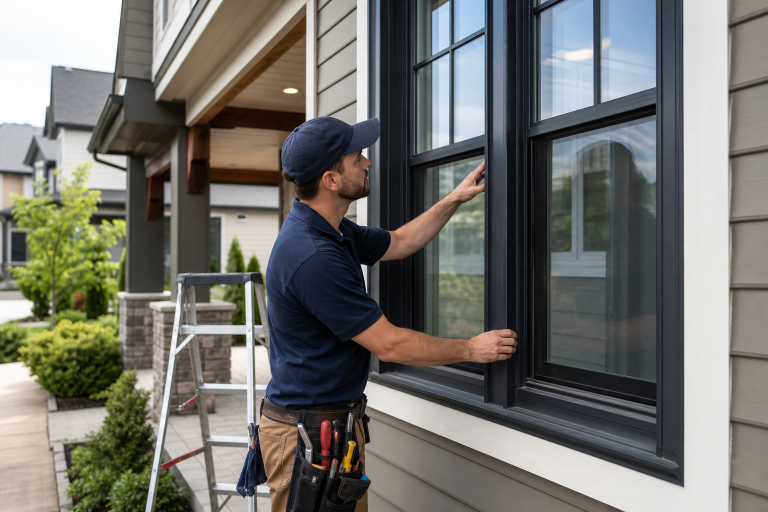
An insert replacement may retain portions of an existing frame, while a full-frame replacement removes the old unit from the rough opening. The right method depends on the existing frame condition, water-management details, and the manufacturer’s installation approval. This insert versus full-frame window replacement guide explains why the lower-disruption option is not appropriate for every opening.
What should a winter-storm window quote include?
A usable quote identifies the tested product and the work required for installation, so you can compare scope rather than only the final number. A proposal that says “impact resistant windows” without model numbers, sizes, glass configuration, and installation details leaves too much unresolved.
Permit responsibility deserves a direct answer before work begins. Requirements vary by jurisdiction, and local officials may require product approvals, engineered details, inspections, or energy documentation. Do not assume a contractor will obtain permits unless the written agreement says so. Homeowners weighing that question can review this window permit requirements guide.
Call for a free estimate:
Compare proposed design-pressure ratings, impact specifications, and the anchoring method only when the quotes describe comparable openings and wall conditions. A lower price may be reasonable if it excludes trim replacement or wall repair. It is not a meaningful bargain if the installation scope omits needed flashing or uses a product that does not include the needed protection ratings.
Another consideration is that existing problems behind old trim may only become visible after removal. The contract should explain how concealed rot, damaged sheathing, or masonry repair will be documented and priced. This avoids a common source of disputes without pretending that hidden conditions can be predicted prior to observation.
FAQ
Are impact-resistant windows hurricane windows?
Some products marketed for hurricane regions are impact-rated, but the label alone is not enough. Confirm the specific ASTM E1886 and ASTM E1996 documentation, product approval, size limit, and local code requirement for the proposed opening.
Can impact-resistant glass crack when a branch hits it?
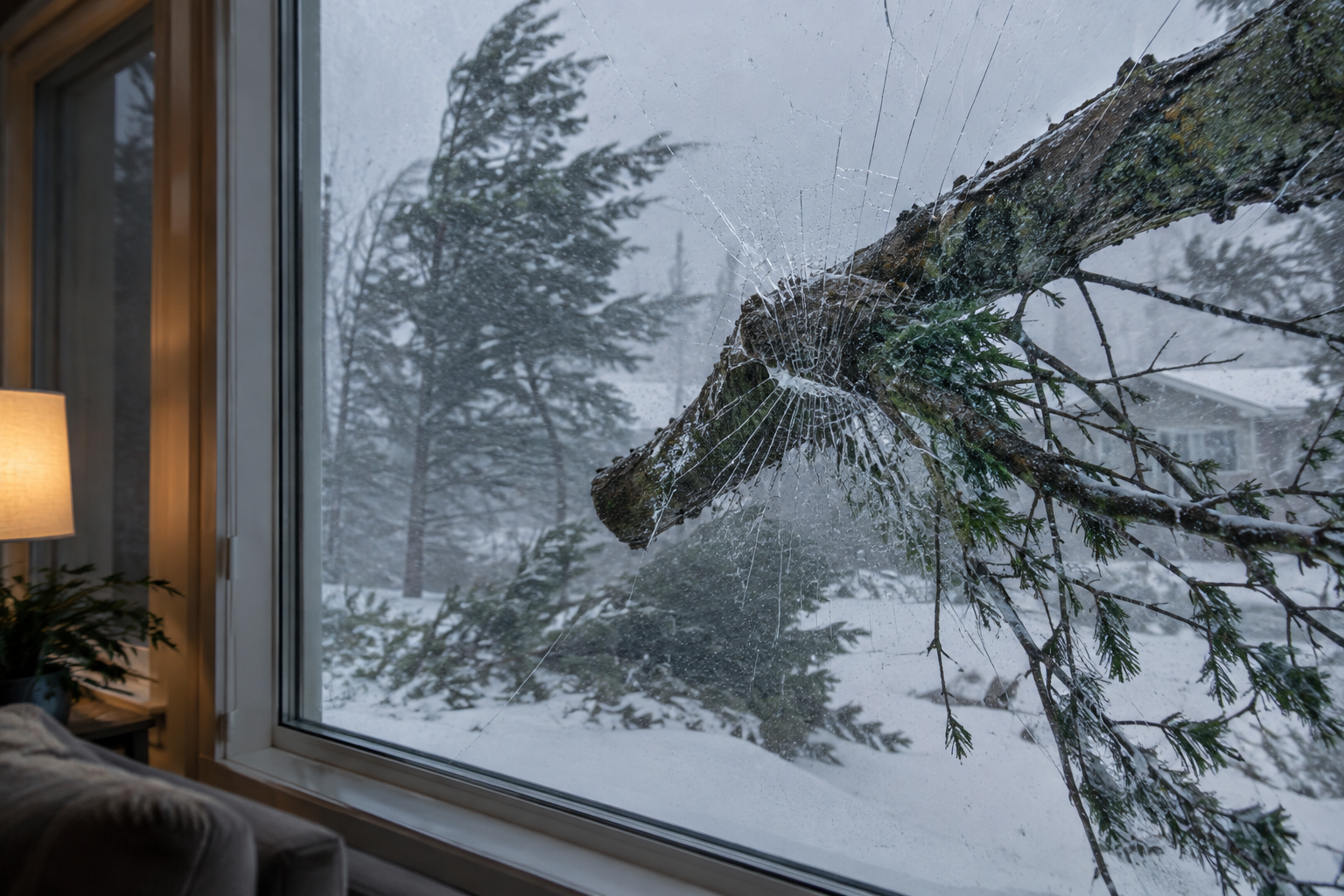
Yes, cracking can occur while the laminated construction continues to hold the opening together and protect the interior of the home. The relevant question is whether the system will retain its barrier of protection through the expected impact and pressure sequence, not whether the glass remains visually perfect.
Do all windows in a house need to be impact-resistant?
Local rules and exposure determine whether protection is required at every glazed opening. A homeowner may also choose a phased upgrade based on the most exposed elevations, but each phase should preserve a weather-tight wall and comply with local permit requirements.
Can a security film turn an existing window into an impact-rated window?
No, a film applied to existing glass does not by itself establish that the glass, frame, hardware, and anchors meet a wind-borne-debris test standard. Request test documentation for the whole installed system before relying on a film for that purpose.
If winter-storm exposure is a concern at your home, request a written assessment or quote that identifies the applicable impact documentation and the full installation scope for your specific openings.