Broken Window Glass Emergency: Safe Steps and Repair
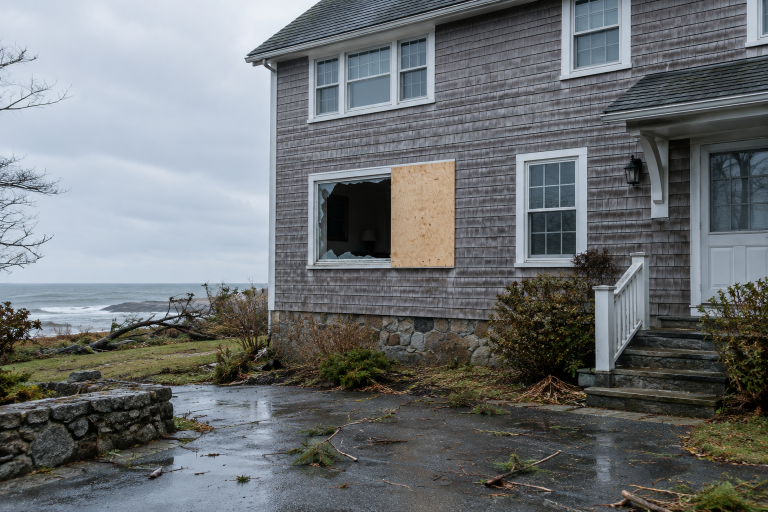
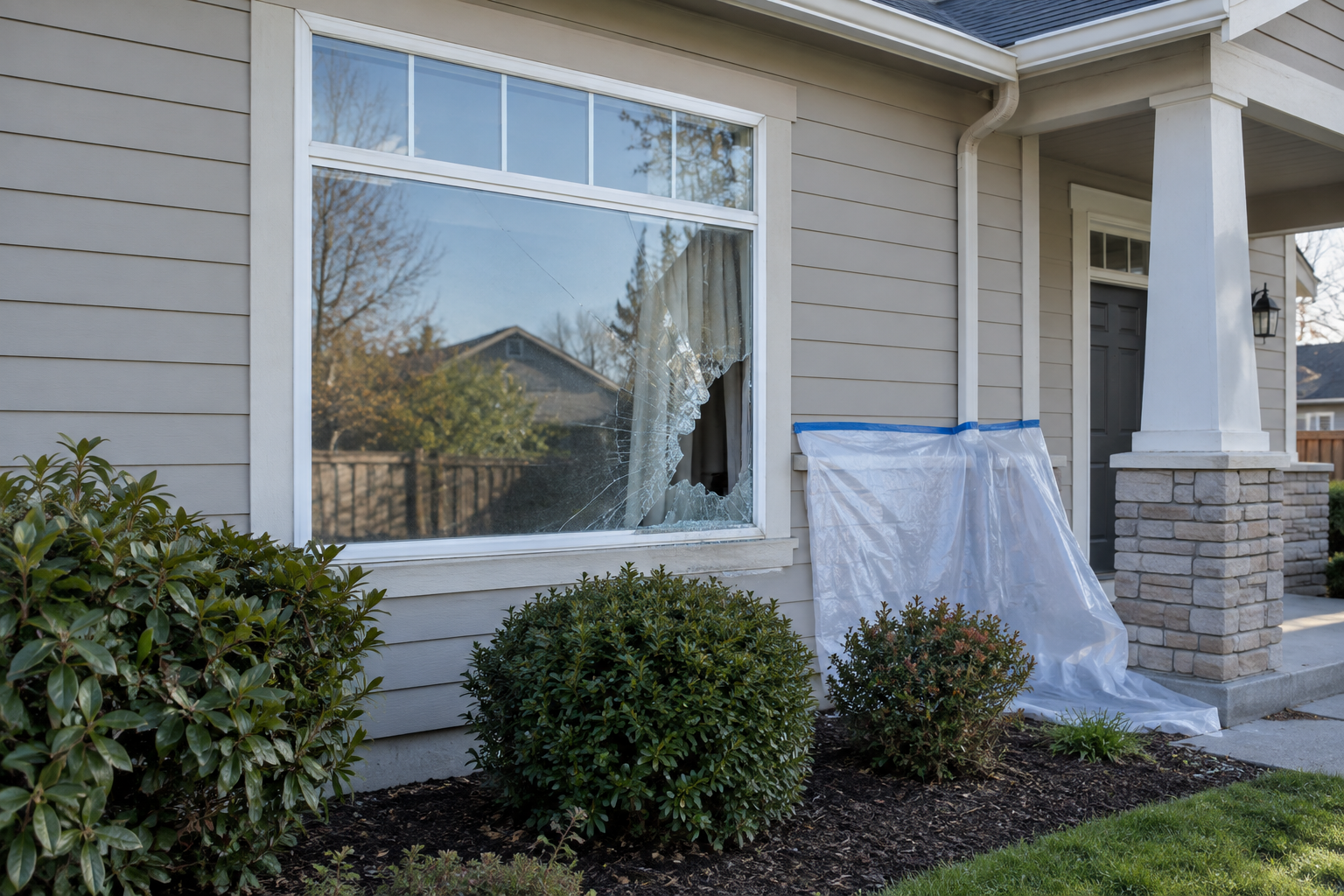
A broken window is both a security problem and a sharp-glass hazard. The sound, drafts, and exposed opening can make it tempting to start clearing fragments or fitting a quick repair, but the first priority is to keep people away from the area and arrange qualified help for securing and replacing the glass.

Call for a free estimate:
Consider three decisions: whether the property needs emergency services, how the opening will be made secure, and whether the replacement must meet current safety-glazing or permit rules. Those decisions depend on the cause, location, and window construction, not simply on the size of the broken pane.
What should you do first after window glass breaks?
Keep people and pets out of the room or away from the opening, and call 911 if the damage appears connected to an active break-in, immediate threat, or other emergency.
Do not handle loose shards, lean through the opening, or try to force an operable sash closed when glass remains in its frame. A damaged pane can leave fragments under tension in glazing channels, and a sash that has shifted or been struck may not move normally. For a noncriminal incident the first step is to call an emergency glass service or qualified window professional that can assess the opening and provide a secure temporary closure if replacement glass is not immediately available.
Move occupants to another part of the home if the broken window is near a frequently used path, bed, seating area, or exterior door. Keep the opening visible and limit access rather than covering it with an unsecured object that can blow loose or create another hazard.
Take photos from a safe distance before the area changes, especially if weather, vandalism, or an impact caused the break. Those images can help a contractor identify the window type and can preserve a record for an insurer or law-enforcement report.
When does broken glass require an emergency call?
Immediate professional attention is warranted when the opening cannot be secured, weather can enter the home, the break is beside a door or primary exit, or remaining glass is loose in the sash.
A window that was broken during suspected unlawful entry should be treated as a security event first. Do not disturb the scene beyond what is needed to move people away from danger. Law enforcement can advise on the next step, while a glass professional can address the exposed opening once it is appropriate to do so. For broader planning after an intrusion, see this guide to home security after a break-in.
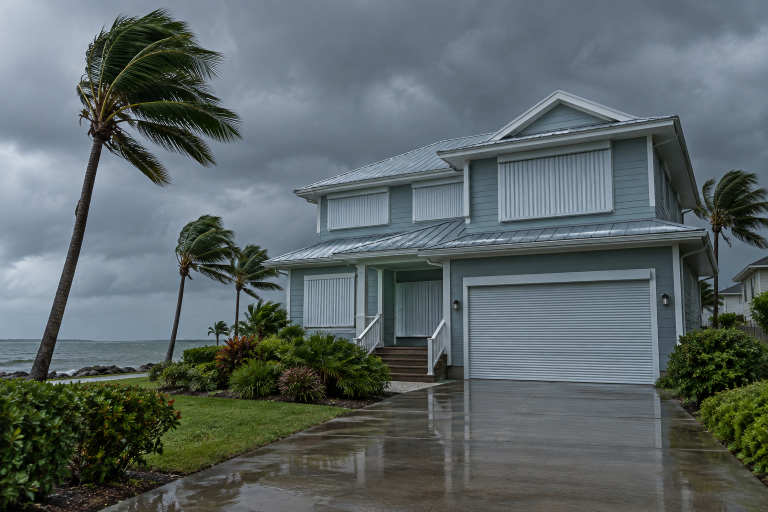
Storm damage creates a different urgency. Rain entering a wall or finished room can damage materials beyond the window assembly, so ask the emergency provider whether its service includes temporary weather protection, removal of unstable glass, and a return visit for permanent glazing. A temporary closure is a security and weather-control measure, not a substitute for correctly sized replacement glass.
When the frame itself is bent, split, detached from the wall, or visibly out of square, a glass-only visit may not resolve the full problem. Ask the provider to state whether the quote covers glazing only or includes sash, frame, trim, or water-management work. That step can often prevent a low initial price from becoming an incomplete repair.
What kind of replacement glass does the window need?
The correct pane is determined by the window’s location, its original construction, and the condition of the sash or frame, rather than by choosing the thickest glass available.
Safety glazing may be required in locations where people are more likely to fall against or contact the glass. The U.S. Consumer Product Safety Commission’s 16 CFR Part 1201 safety-glazing rule sets federal impact-test requirements for architectural glazing used in specified hazardous locations. Tempered glass is designed to break into small pieces, while laminated glass uses an interlayer intended to retain fragments. A provider should identify the product proposed and explain why it suits that opening.
Current residential-code provisions also address hazardous glazing locations. The International Code Council’s 2024 International Residential Code, Section R308 lists locations that require safety glazing, including many door-adjacent and low-glass situations. Local jurisdictions adopt and amend codes on their own schedules, so the building department, not a contractor’s general rule of thumb, determines what applies to a particular replacement.
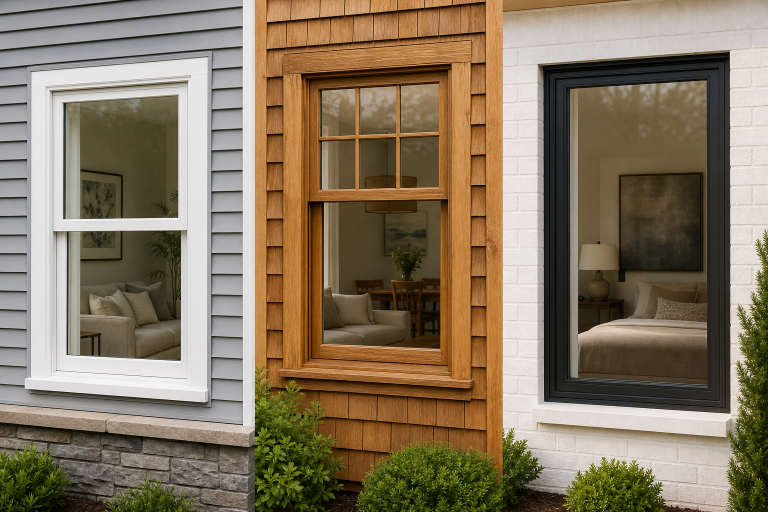
Many newer windows use an insulated glass unit, often called an IGU, made of two or more panes sealed at the edge. If one pane in an IGU breaks, replacing only an exposed single layer is generally not the same repair as replacing the sealed unit. The estimate should identify whether it covers an IGU, a single pane, or a complete sash. That wording tells you what will actually return the window to service.
When is a full window replacement more sensible?
A full replacement may be warranted when the frame, sash, operating hardware, or surrounding installation has been damaged, but intact components do not need to be discarded simply because the glass broke. A sound sash with a failed pane may be a glazing repair, while a distorted sash that cannot hold the new unit securely may require a larger scope.
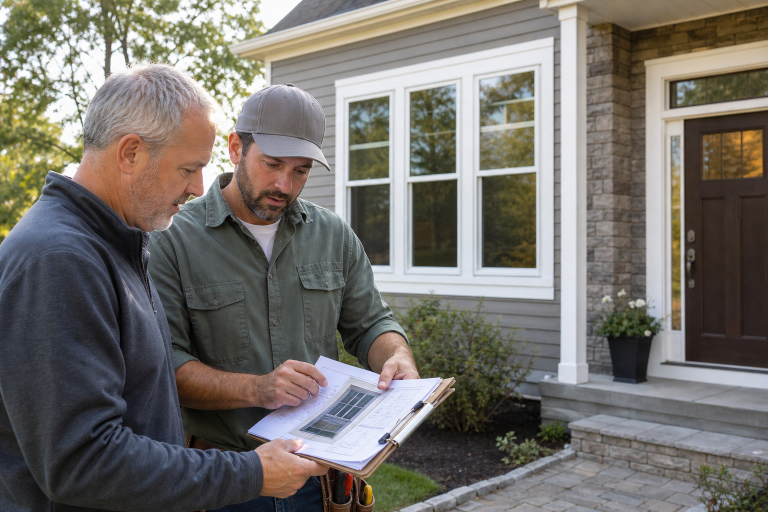
Ask the provider to show the condition that changes the recommendation from glass replacement to sash or full-window work. A clear written explanation is more useful than broad claims about efficiency or age. Homeowners weighing those scopes can also review insert versus full-frame window replacement, particularly when damage extends beyond the glass.
How should you review an emergency glass quote?
A usable emergency quote identifies the opening, the temporary-security work, the permanent product, and any return visit as separate parts of the job.
Emergency work often happens before exact replacement glass can be ordered. That makes a two-stage scope reasonable, provided the document says what was completed on the first visit and what remains. Vague phrases such as “window repair” leave open whether the price includes glass removal, board-up or temporary closure, measuring, fabrication, installation, cleanup, or disposal.
- Identify the specific window by room, level, and approximate size.
- State whether the immediate charge is for securing the opening, removing unstable glass, or both.
- Name the planned replacement: single pane, insulated glass unit, sash, or full window.
- Specify safety-glazing type where applicable, plus glass color, coating, grids, or obscure pattern if those features exist.
- Separate labor, materials, trip charges, permit fees, and return-visit charges when they apply.
- Describe workmanship and product warranty terms, including who handles a failed sealed unit or a fitting issue.
Do not approve a larger replacement solely because the contractor says the original glass is unavailable. Ask whether a matching compatible unit can be fabricated, whether the existing sash is serviceable, and which visible features will change if the proposed product differs. Some older glass types, decorative patterns, and hardware systems can limit an exact match, but the limitation should be stated plainly before work proceeds.
Call for a free estimate:
Insurance coverage is controlled by the actual policy, deductible, cause of loss, and insurer’s claim process. Keep the photos, incident details, invoice, and itemized scope. An emergency provider can document work performed, but it cannot determine coverage on the insurer’s behalf.
What should you check when the repair is complete?
The finished opening should be secure, weather-tight, and able to operate as intended if it is an operable window.
Before final payment, inspect the replacement from indoors and outdoors in normal light. The glass should sit evenly in the sash or frame, seals and trim should be continuous, and the sash should latch without unusual force. For an insulated unit, ask whether the spacer, coating, grid pattern, and obscurity match the agreed specification. Avoid testing the repair by pushing on the glass.
Performance labels can help when the job involves a new window or sash rather than a glass-only repair. The National Fenestration Rating Council’s NFRC 100 and NFRC 200 procedures establish standardized ratings for U-factor, which describes heat transfer, and solar heat gain coefficient. Those ratings are useful for comparing labeled replacement products, but they do not by themselves confirm that an emergency installation is correctly flashed, sealed, or sized.
Save the final invoice, warranty documents, manufacturer identification, and any permit record with your home files. If the window appears to have been improperly installed or water has entered the wall, request an inspection of the related work rather than treating a clean-looking pane as proof that every part of the assembly is sound.
Can a broken window be prevented from becoming a repeat problem?
Recurring breaks deserve a cause review before another identical pane is installed.
Impact damage may point to a nearby door swing, landscaping activity, or an unsecured exterior object. Repeated cracking without an obvious impact can warrant examination of the sash, frame, settlement, or installation condition. The goal is to identify a specific physical cause, not to assume that stronger glass will solve every pattern.
Security improvements should match the risk at that opening. Better locks, lighting, cameras, or glass-break detection address different issues, and none replaces a secure frame and properly installed glazing. This overview of glass-break sensors explains where those devices fit within a broader window-security plan.
For ordinary impact risk, simple changes such as moving furniture away from low glass or controlling the path of a swinging door may be more appropriate than a wholesale window upgrade. If code-required safety glazing applies, however, the repair should meet that requirement even when less expensive standard glass is available.
FAQ
Can you stay in a house with a broken window?
Yes, if the opening is safely isolated and secured, but a window with loose fragments, weather exposure, or compromised ground-level security needs prompt professional attention. Use another room when possible until the hazard and opening have been addressed.
Should you replace one broken pane or the whole window?
Replacing the glass or insulated unit is often enough when the sash and frame remain sound. A full-window scope becomes reasonable when damage affects the frame, hardware, sash integrity, or installation around the opening, and the quote should identify that condition.
Does broken glass always need tempered glass?
No, safety glazing depends on the window’s location and applicable local code. Glass in hazardous locations may need tempered or laminated safety glazing under the adopted rules, while other openings may have different requirements.
What information should an emergency glass company provide?
A clear written scope should state what was secured immediately, what product will be installed permanently, whether a return trip is needed, and what charges and warranty terms apply. For a broken window that needs assessment or a written repair scope, contact a qualified local glass or window professional for a quote. Please call a listed specialist for a free, no-obligation discussion.