HVAC Noise Problems: Causes, Fixes, and Warning Signs
Many HVAC noise problems come from airflow, vibration, moving parts, or the normal cycling of mechanical equipment. The first step is to identify when the sound occurs, where it is loudest, and whether comfort has changed at the same time. A steady fan sound is very different from metal scraping, repeated clicking, or a high-pitched squeal.

Call for a free estimate:
Noise alone does not prove that a system needs replacement. A loose panel, a blocked condensate drain, an incorrect duct connection, or a worn component can create a disruptive sound without making the entire heating and cooling system obsolete. This review separates ordinary operating sound from conditions that deserve professional attention.
Which HVAC noises are normal?
A low, even airflow sound at supply registers and a brief change in sound when equipment starts or stops are generally part of normal operation. ASHRAE addresses HVAC sound as a design issue involving equipment sound power, duct transmission, room acoustics, and background noise, rather than treating all audible operation as a defect.
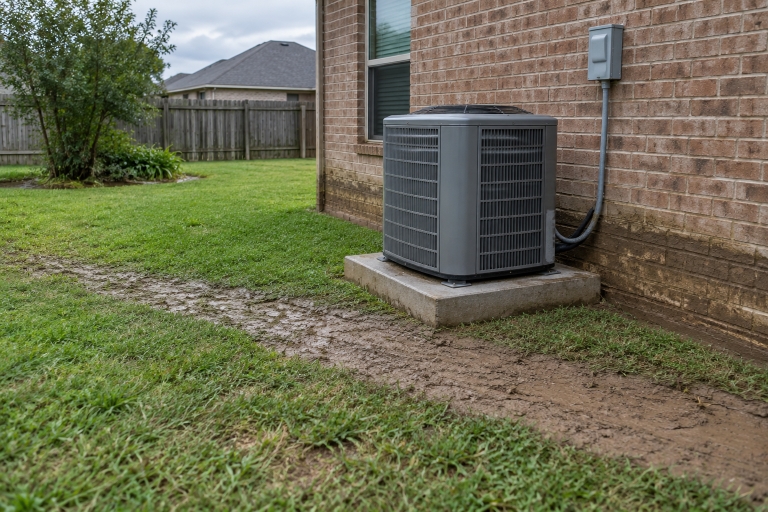
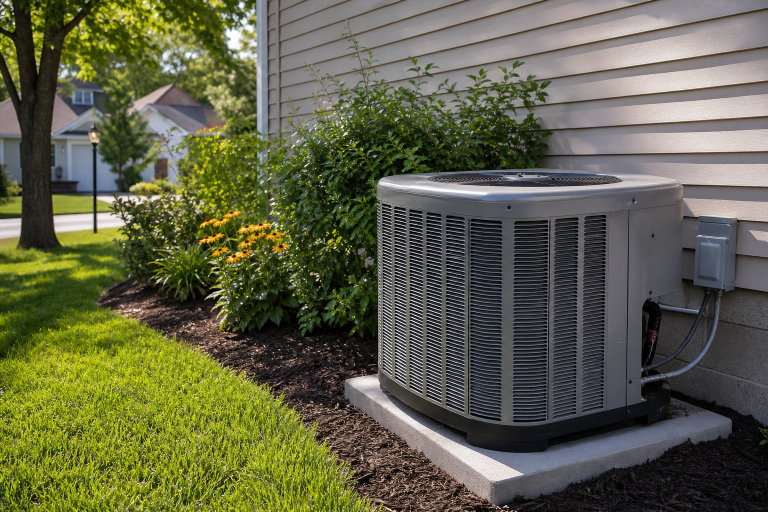
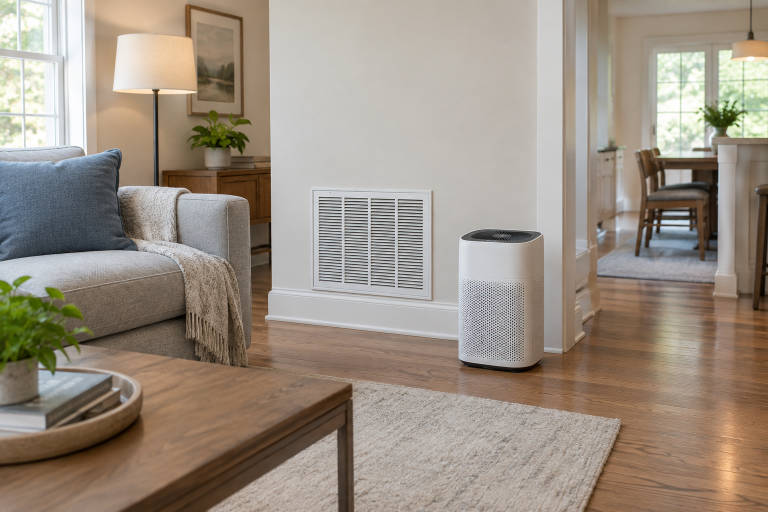
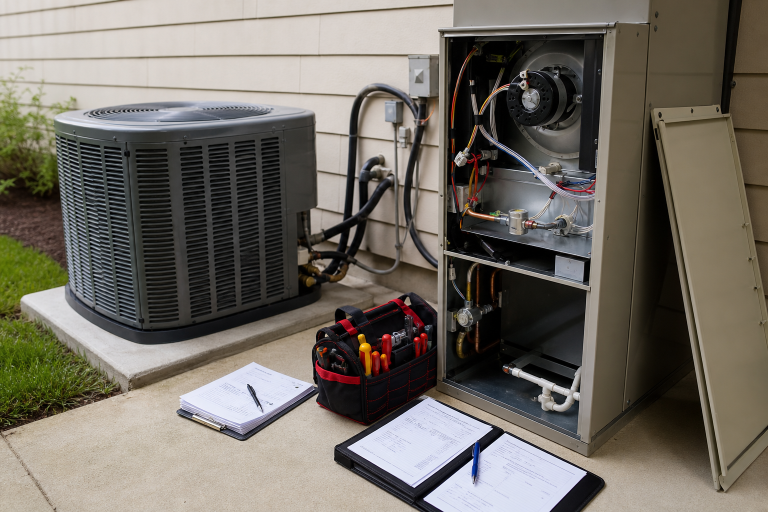
Outdoor condensing units typically produce fan and compressor sound while cooling is running. Indoor equipment can add the sound of air moving through the return grille, blower cabinet, ducts, and registers. The amount you hear depends on equipment location, duct layout, room finishes, and whether a return grille is near a bedroom or living area.
Short-lived expansion or contraction sounds can also occur as metal ducts and equipment parts warm or cool. These are often described as a light tick or ping. If the sound is brief and the system otherwise starts, runs, and delivers conditioned air normally, it is usually a design or material-movement issue rather than an emergency.
What does each HVAC noise usually point to?
The timing and character of a sound narrow the likely source, but they do not establish a repair diagnosis. The Air Conditioning Contractors of America, in its Manual D residential duct-design standard, treats airflow, pressure, duct construction, and sound control as connected design factors. That is why a noise at a register may begin in the duct system, the blower, or a restriction elsewhere in the air path.
- Rattling or buzzing: A cabinet panel, access door, duct connection, refrigerant line, or other component may be vibrating against a surface. A rattle that occurs only when the blower runs points the inspection toward the air handler, furnace cabinet, or nearby ductwork.
- Whistling: Air forced through a small opening, a leaking duct joint, or an overly restrictive path can create a whistle. A dirty filter, a closed supply register, or a return path with inadequate free area may contribute, although a technician should determine the actual restriction.
- Thumping or banging: A loose blower wheel, shifting duct section, or pressure-related movement in sheet metal can create an impact sound. A single thump at startup differs from repeated banging during operation.
- Squealing or screeching: A belt-driven blower can squeal when its belt or pulley system needs service. Direct-drive equipment has different components, so the equipment type matters before assigning a cause.
- Grinding or metal-on-metal scraping: These sounds can indicate a mechanical component problem and should not be ignored. Turn the system off if the sound is severe or persistent, then arrange professional service.
- Clicking: A click during a normal call for heating or cooling can be a control or relay operating. Repeated clicking without a normal start cycle can indicate that a technician needs to inspect the controls and associated components.
- Gurgling near an indoor unit: Water movement in a condensate drain or trap can be audible. Visible water around the equipment, however, requires prompt attention to prevent property damage.
When is HVAC noise a reason to stop the system?
Severe grinding, loud electrical buzzing, a burning odor, visible smoke, or repeated tripping of an electrical breaker calls for the system to be shut off and evaluated promptly. The U.S. Consumer Product Safety Commission advises homeowners to address electrical warning signs such as frequent breaker trips, sizzling or buzzing sounds, and burning odors through a qualified electrician or other appropriate professional, rather than attempting an electrical repair.
A gas furnace creates a separate reason for caution. If you smell gas, leave the area, avoid switches or flame-producing devices, and follow the gas utility’s emergency instructions. The U.S. Consumer Product Safety Commission’s carbon monoxide safety guidance also calls for regular inspection of fuel-burning appliances by a qualified technician and for working carbon monoxide alarms.
Water is another boundary between a simple sound observation and a service call. The U.S. Department of Energy explains in its air-conditioner maintenance guidance that a condensate drain should be kept clear, because a blocked drain can affect humidity control and create drainage problems. Do not open sealed refrigerant components or electrical compartments to chase a noise.
Could ducts or airflow be making the house louder?
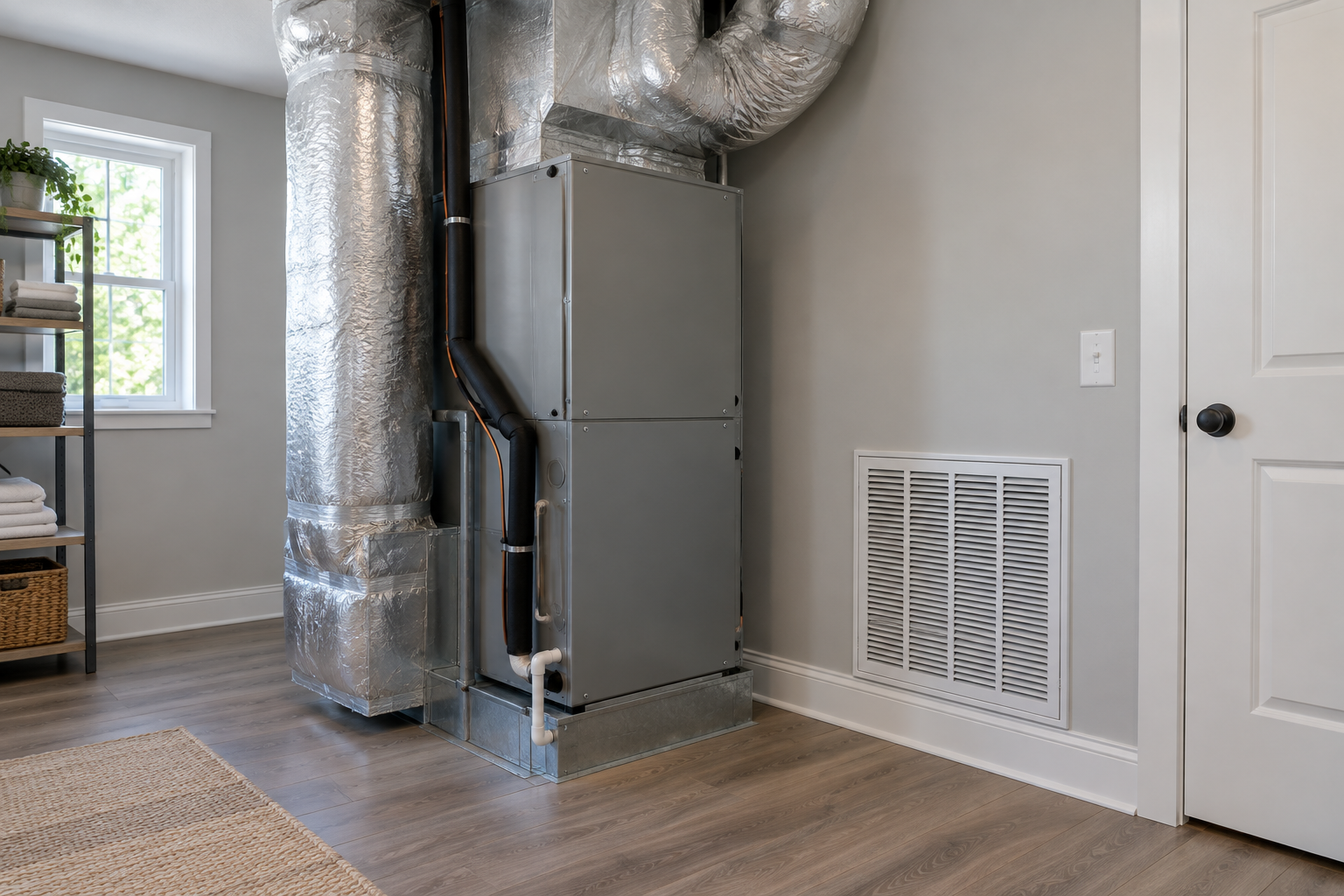
Yes, duct layout and air pressure can make an otherwise sound system seem excessively loud in one room. ACCA’s Manual D uses room-by-room airflow and duct sizing to address distribution performance. A return grille that is too small, a sharp duct transition, or excessive static pressure can raise air noise even when the outdoor unit is quiet.
High air velocity often sounds like rushing air at a grille or a broad roar in a hallway. The practical correction may be a duct modification, added return capacity, a grille change, or an adjustment verified against the equipment’s required airflow. Simply closing registers to quiet a room can shift pressure and airflow problems to other parts of the system.
Flexible ducts need support and routing that preserve their internal shape. A crushed or sharply bent run reduces the effective path for air. Leaking joints can also whistle or cause a nearby section to flutter. These issues are worth identifying during a whole-system inspection, especially after attic work, remodeling, or a new equipment installation.
Equipment size matters here as well. A system selected without a load calculation can create comfort and cycling problems that no sound blanket will solve. Read the guide to choosing the correct HVAC system size before treating a louder or larger unit as an automatic upgrade.
Can an outdoor unit be made quieter?
Distance, a stable base, clear airflow, and thoughtful location usually matter more than adding an accessory. Carrier’s Infinity 24VNA9 Product Data publishes sound ratings for that variable-speed outdoor unit, illustrating that sound output is an equipment specification that varies by model and operating condition. Compare the published sound data for the exact models under consideration, rather than relying on broad claims that one brand is “quiet.”
A unit that vibrates against a wall, pad, line-set cover, or loose fencing can transmit noise into the structure. A contractor can check mounting, clearances, panels, fan condition, and refrigerant-line supports. The fix may be a small correction to the installation rather than a compressor replacement.
A solid privacy fence can reflect sound toward windows or neighboring property if it is placed without considering the unit’s discharge and service clearances. Never box in an outdoor unit to hide the sound. The manufacturer’s installation instructions govern the required clearance, and restricted airflow can undermine performance and service access.
What about sound blankets and vibration pads?
These products have narrow uses, and they should follow a confirmed source of vibration or compressor sound. A vibration isolator may reduce structure-borne vibration when it is correctly selected and installed. It will not fix a noisy fan motor, an airflow restriction, damaged ductwork, or loose sheet metal.
Adding insulation around a compressor or outdoor cabinet without manufacturer approval can interfere with cooling, drainage, access, or warranty terms. Ask the contractor to identify the exact noise path first: airborne fan sound, cabinet vibration, duct transmission, or a mechanical fault.
What should a useful HVAC noise service visit include?
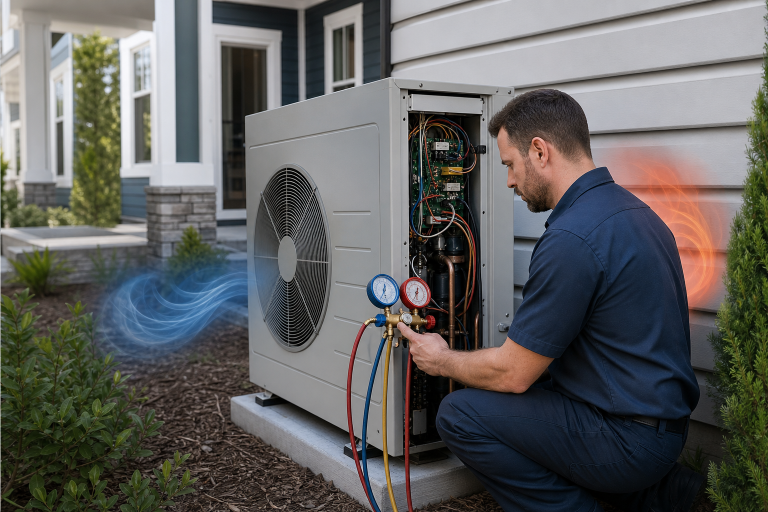
A worthwhile evaluation should locate the sound, connect it to a specific operating mode, and distinguish an equipment issue from a duct or installation issue. Vague language such as “the system is loud” leaves too much room for an oversized repair recommendation.
Call for a free estimate:
- Ask whether the noise occurs during startup, steady operation, shutdown, heating, cooling, or blower-only operation.
- Request the measured or observed condition behind the recommendation, such as vibration at a cabinet, abnormal motor sound, drain issue, or duct pressure concern.
- Ask whether the proposed repair addresses the source or only reduces the sound heard in one room.
- For replacement proposals, request the exact model numbers, published sound ratings, warranty terms, and the load-calculation basis for sizing.
- Have duct alterations described by location, material, access work, and expected scope, rather than accepting “ductwork as needed.”
Written scope matters because sound complaints can involve several systems at once. A quote that lists only a large equipment replacement but says nothing about a rattling return, a vibrating line, or a restrictive grille may leave the original complaint unresolved. For related component warning signs, see this overview of HVAC blower motor problems.
FAQ
Why is my HVAC system suddenly louder than before?
A new sound usually warrants a service evaluation because it can reflect a loose part, changing airflow, drainage issue, or wear in a moving component. Note the sound type, location, and operating mode, then provide those details when scheduling service.
Is a loud return-air grille always a duct problem?
No, the grille may be the point where you hear the noise rather than the source. A technician should consider return size, filter condition, blower settings, duct configuration, and other restrictions before recommending a duct change.
Can I use a higher-rated air filter to reduce HVAC noise?
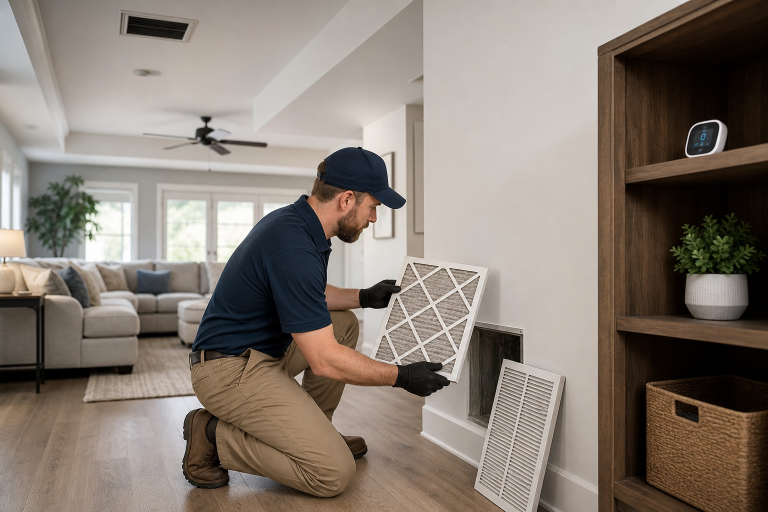
Not as a noise fix. Filter selection should follow the equipment manufacturer’s requirements and the system’s airflow capability, since a more restrictive filter may change the pressure in the air path. Have the system evaluated if filter changes coincide with new airflow noise.
Should a noisy outdoor air conditioner be replaced?
Replacement makes sense only when the confirmed repair, equipment condition, efficiency goals, and installation needs support it. A loose panel, unstable mounting, fan issue, or line vibration may have a smaller repair scope than replacing the complete system.
If the noise is persistent or disruptive, request an assessment that identifies the sound source and provides a written repair scope before you approve major HVAC work. Please call a listed specialist for a free, no-obligation discussion.