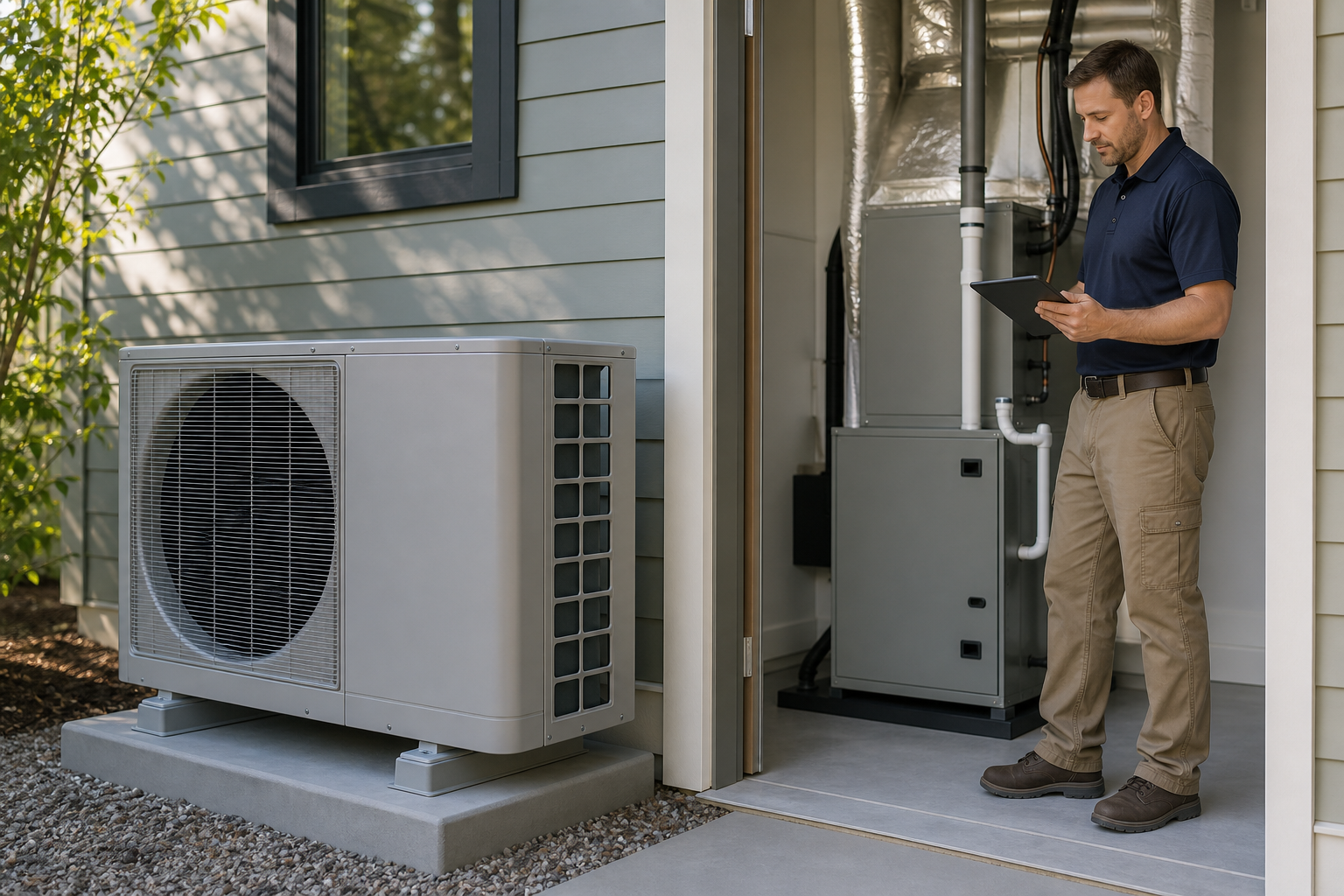
HVAC Variable Speed Systems: Smart Differences That Can Save You Money
Focus Keyword: HVAC variable speed systems
HVAC variable speed systems change how an air conditioner or heat pump ramps up and runs, and that directly affects comfort, humidity control, sound levels, and operating cost. If you are trying to choose an HVAC system, what actually differs is not just the brand name on the cabinet. The meaningful differences are the compressor type, blower motor, controls, efficiency ratings, installation quality, warranty terms, and whether the system is matched correctly for the home.
For many homeowners, the confusion starts because sales conversations often bundle these differences together. A single proposal may mention variable speed, two-stage, inverter, communicating thermostat, SEER2, and load calculation as if they all mean the same thing. They do not. This guide separates those terms and focuses on what is verifiable, current, and useful when comparing systems.
What are HVAC variable speed systems?
HVAC variable speed systems are heating and cooling systems that can adjust output over a range instead of running only fully on or fully off.
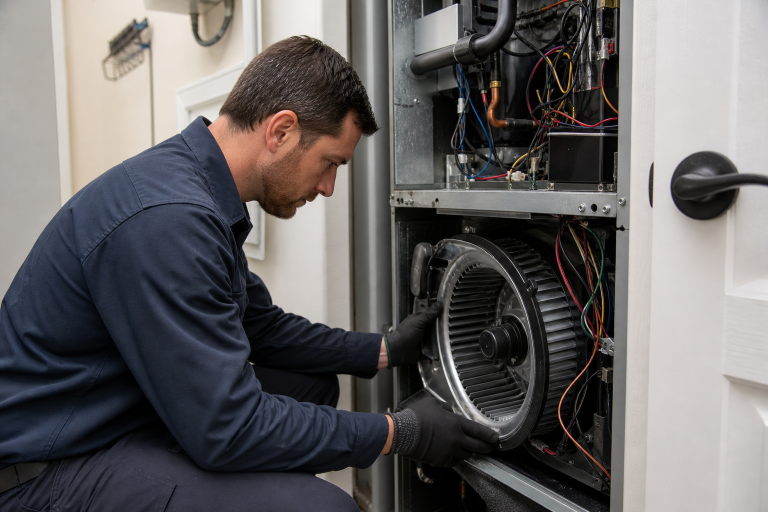
In residential HVAC, the phrase usually refers to one or more components that can modulate by design. That may include a variable-speed indoor blower motor, often an ECM, and in some systems a variable-speed or inverter-driven compressor. According to the U.S. Department of Energy, variable-speed equipment can better match output to actual conditions, which can improve comfort and efficiency compared with single-speed operation when properly selected and installed.
It is important to separate the parts. A furnace or air handler may have a variable-speed blower even if the outdoor unit is only single-stage. A true inverter heat pump or air conditioner usually has a compressor that can modulate across a wider range. Manufacturer product literature from Carrier, Trane, Lennox, Daikin, Mitsubishi Electric, and other major brands distinguishes these categories in their published specifications.
How are HVAC variable speed systems different from single-stage and two-stage systems?
HVAC variable speed systems differ because they can make finer output adjustments, while single-stage systems run at full capacity and two-stage systems switch between two preset levels.
Single-stage equipment is the simplest configuration. It turns on at full output and turns off when the thermostat setpoint is reached. Two-stage equipment adds a lower operating level for part-load conditions, then shifts to full capacity when needed. Variable-speed or inverter systems can modulate through many increments, depending on the manufacturer and model.
That difference matters most during mild or moderately humid weather, when the home does not need full output. Longer, lower-output cycles can maintain steadier temperatures and improve moisture removal. According to ENERGY STAR and the U.S. Department of Energy, proper humidity control is a core part of cooling comfort, not just temperature alone.
What homeowners usually notice first
- More even temperatures: Smaller output changes can reduce hot and cold swings between cycles.
- Better humidity control: Longer run times at lower capacity often remove more moisture during cooling sessions, according to DOE guidance on air conditioner operation.
- Lower sound levels: Equipment running below full capacity is often quieter, based on manufacturer sound data.
- Different thermostat behavior: Communicating controls may show system activity more often because the equipment is designed to run longer at lower levels.
Do HVAC variable speed systems really save energy?
HVAC variable speed systems can save energy when they are correctly matched, properly installed, and used in a home that benefits from part-load operation.
According to the U.S. Department of Energy, heating and cooling account for a large share of household energy use, so efficiency improvements can matter. However, the savings are not automatic. The actual result depends on climate, duct design, insulation, thermostat settings, and whether the system is oversized or undersized.
Efficiency should be compared using current federal metrics. For cooling equipment, SEER2 and EER2 are the relevant ratings under current U.S. efficiency rules. For heat pumps, HSPF2 also matters for heating performance. The U.S. Department of Energy updated regional efficiency standards in 2023, so older SEER numbers should not be compared directly to SEER2 numbers without context.
A variable-speed label alone does not guarantee lower utility bills than every two-stage system. The better comparison is model to model, using published AHRI matched-system ratings and manufacturer data. A fair quote should identify the exact indoor and outdoor model numbers, not just a marketing series name.
How much do HVAC variable speed systems cost?
HVAC variable speed systems commonly cost more upfront than single-stage or two-stage systems, and broad installed residential replacement ranges in 2025 often run from about $8,000 to $18,000 or more depending on system type, capacity, efficiency tier, ductwork needs, and controls. This is an estimate, not a quote.
That range reflects 2025 pricing discussions published by major industry marketplaces such as Angi and HomeAdvisor, along with manufacturer product positioning that places inverter and communicating systems in higher equipment tiers. Exact pricing varies heavily by region, electrical upgrades, permit requirements, and whether the proposal includes duct modifications, filtration upgrades, or zoning controls.
What matters more than the headline number is what the quote includes. In HVAC, homeowner complaints often center on unclear scope and surprise add-ons. A transparent proposal should spell out equipment model numbers, AHRI match information if available, labor scope, permit responsibility, thermostat type, warranty terms, and any exclusions.
What a fair HVAC quote should include
- Exact equipment model numbers
- Efficiency ratings for the matched system
- Whether the blower, compressor, and thermostat are variable-capable
- Permit and inspection responsibility
- Ductwork changes, if any
- Electrical work, pad, drain, line set, and disposal details
- Manufacturer warranty terms and any labor warranty offered by the installer
What actually differs when you choose an HVAC system?
What actually differs when you choose an HVAC system is the equipment type, modulation capability, efficiency rating, control strategy, installation quality, and fit for your house.
That sounds obvious, but many buying mistakes happen because homeowners compare labels instead of system design. Here are the practical differences that matter most.
1. Compressor and blower design
A variable-speed indoor blower alone is not the same as a variable-capacity outdoor unit. Ask whether the outdoor compressor is single-stage, two-stage, or inverter-driven, and whether the air handler or furnace blower is variable-speed.
2. Matched-system efficiency
Per DOE rules and AHRI certification practice, efficiency depends on the matched combination of indoor and outdoor equipment. A high-end condenser paired incorrectly may not deliver the advertised rating.
3. Control compatibility
Some premium systems need proprietary communicating thermostats to unlock full modulation and diagnostics. Manufacturer installation literature states this clearly. If you prefer a standard thermostat, ask what functionality is lost.
4. Humidity performance
In humid climates, slower blower settings and longer cooling cycles can improve dehumidification. This is one of the strongest real-world reasons homeowners choose variable-capacity equipment.
5. Noise profile
Manufacturers publish outdoor sound ratings in decibels for many models. Compare those spec sheets directly rather than relying on general claims that one brand is quieter.
6. Service complexity
More advanced controls can improve diagnostics, but they can also increase replacement part cost and require technicians familiar with that platform. Ask who services the equipment locally and whether common parts are readily available.
Are HVAC variable speed systems worth it for every home?
HVAC variable speed systems are not automatically worth it for every home, because the value depends on climate, comfort priorities, runtime patterns, and budget.
A homeowner in a humid region who wants steadier temperatures and better moisture control may see clear day-to-day benefits. A homeowner in a mild climate with a small, well-zoned home may find a well-installed two-stage system meets expectations at a lower upfront cost. According to ENERGY STAR, proper sizing and installation are essential no matter which efficiency tier you buy.
There is also a practical middle ground. In some homes, improving duct sealing, attic insulation, return-air design, or thermostat placement may solve comfort complaints more effectively than jumping to the most advanced equipment tier.
How should you compare HVAC variable speed systems without getting lost in marketing?
You should compare HVAC variable speed systems by reviewing the load calculation, matched model numbers, efficiency ratings, control requirements, warranty documents, and installation scope side by side.
Start with sizing. According to ACCA Manual J, which is the standard residential load calculation method used across the industry, equipment should be selected based on the home’s heating and cooling loads, not by replacing the old unit with the same tonnage automatically. Oversizing can shorten cycles but reduce humidity control, which undercuts one of the main reasons to buy variable-capacity equipment in the first place.
Questions worth asking before you sign
- Was a room-by-room or whole-home load calculation performed?
- What are the exact indoor and outdoor component model numbers?
- Is this a matched AHRI-rated system?
- Does full variable operation require a proprietary thermostat?
- What sound rating does the manufacturer publish for this model?
- What are the parts warranty terms, and who handles labor?
- What maintenance tasks are required to keep the warranty valid?
- What duct or airflow issues were identified, and how will they be addressed?
If you are comparing proposals, a simple side-by-side worksheet often reveals more than a sales presentation. Put capacity, SEER2, EER2, HSPF2, thermostat type, warranty length, and included labor items in one table. That makes it easier to see what actually differs.
What mistakes do homeowners make when buying HVAC variable speed systems?
Homeowners most often make mistakes by focusing on brand reputation alone, skipping the load calculation, ignoring duct issues, and accepting vague quotes.
Brand matters less than many people assume if the installation is poor. Industry standard practice and manufacturer installation instructions consistently emphasize airflow, charge, controls setup, and commissioning. A premium inverter unit installed on undersized or leaking ducts may not deliver the comfort or efficiency the buyer expected.
- Mistake: Choosing by tonnage only.
- Better approach: Ask for a documented load calculation.
- Mistake: Assuming variable speed means every component modulates.
- Better approach: Verify the compressor, blower, and thermostat capabilities separately.
- Mistake: Ignoring humidity issues
- Better approach: Ask how the proposed system handles latent load and blower settings.
- Mistake: Accepting an incomplete quote.
- Better approach: Require model numbers and scope details in writing.
- Mistake: Overlooking service support.
- Better approach: Ask who will maintain and diagnose the system after installation.
What is the bottom line on HVAC variable speed systems?
The bottom line on HVAC variable speed systems is that they can deliver quieter operation, steadier comfort, and better humidity control, but only when the equipment is correctly matched to the home and installed with equal attention to ducts, controls, and commissioning.
If your goal is to understand how to choose an HVAC system, the real differences are not hidden in slogans. They are in the published specs, the matched ratings, the thermostat requirements, the warranty documents, and the quality of the installation plan. For many homeowners, that means a variable-speed system is a strong option, but not the only rational one.
If you want help comparing system types or reviewing what is included in a proposal, simply call a provider and get connected for a quote or an assessment that fits your home.
Sources: U.S. Department of Energy, ENERGY STAR, U.S. Environmental Protection Agency, ACCA Manual J, AHRI, Carrier product literature, Trane product literature, Lennox product literature, Daikin product literature, Mitsubishi Electric product literature, Angi, HomeAdvisor