Rodent Exclusion: How to Seal Entry Points for Good
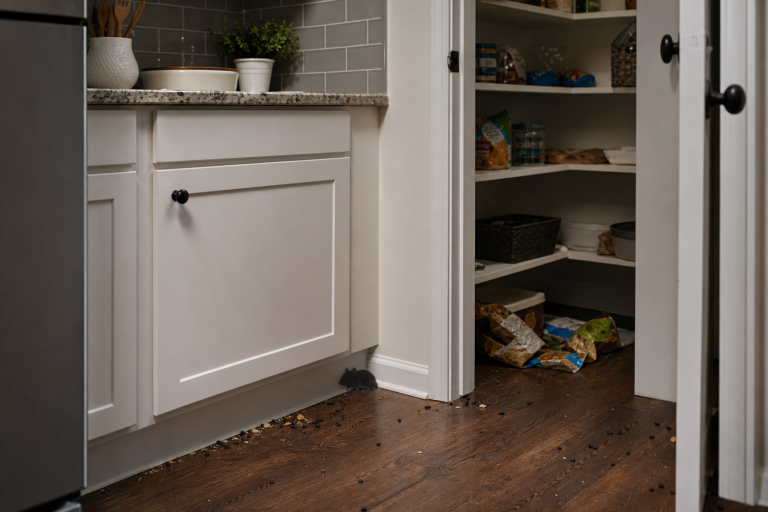
Rodent exclusion works by denying mice and rats the openings they use to enter a structure, rather than relying only on traps or bait after activity begins. The tactical approach is to find exterior gap, patch the hole using a material rodents cannot readily chew through, and repair any problem that created the gap in the first place.
The U.S. Environmental Protection Agency places exclusion within integrated pest management, a strategy that emphasizes removing access to food, water, and shelter before relying on pesticides. Its Integrated Pest Management Principles describe prevention as the foundation of the approach. Sealing is therefore a building-maintenance job as much as a pest-control task.
Where should you look for rodent entry points?
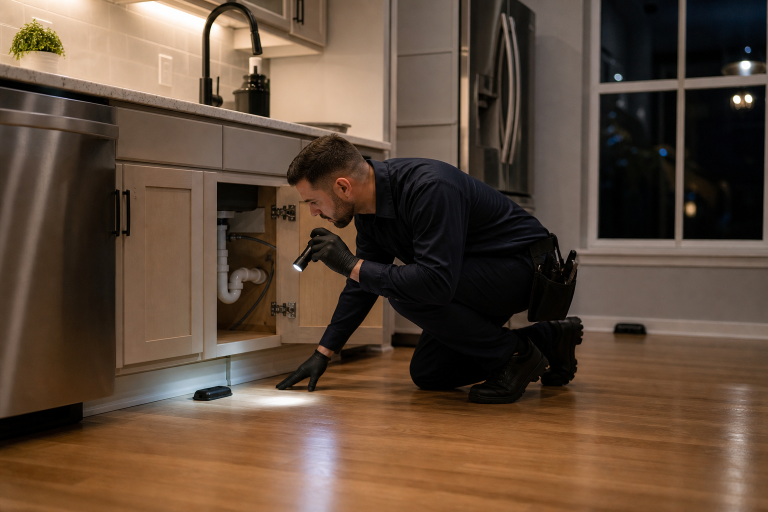
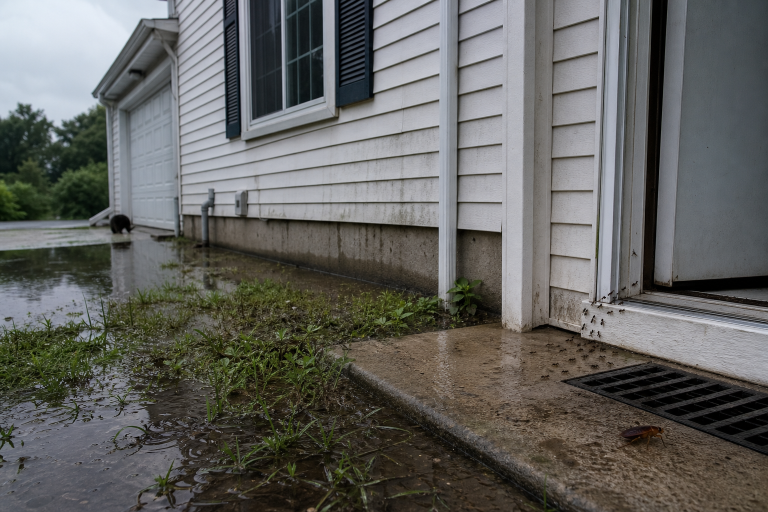
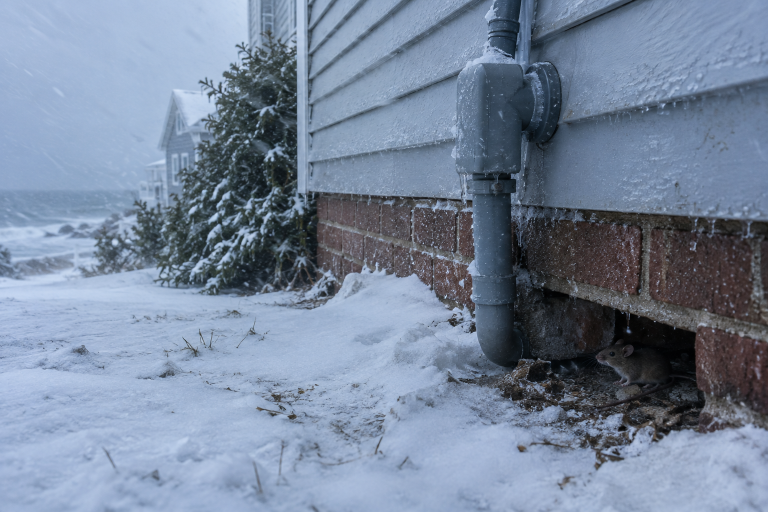
Start at the lowest exterior level and trace every place where one building material meets another, because joints and penetrations are more likely to leave a gap than a broad, intact wall surface. Walk the perimeter slowly in daylight. Check the foundation-to-siding transition, corners, porch connections, attached garages, basement windows, crawl-space access doors, and the edges of doors. Look above as well. Roof-to-wall intersections, soffit and fascia areas, attic vents, and utility penetrations can provide routes into wall or attic voids.
A broader pest entry-point sealing guide is useful here because insect and rodent exclusion often overlap at penetrations, weatherstripping, and exterior cracks. The materials and gap sizes still need to fit the animal and the location. A screen that keeps insects out may not be robust enough to prevent rodent penetration.
Follow the utilities, not just the foundation
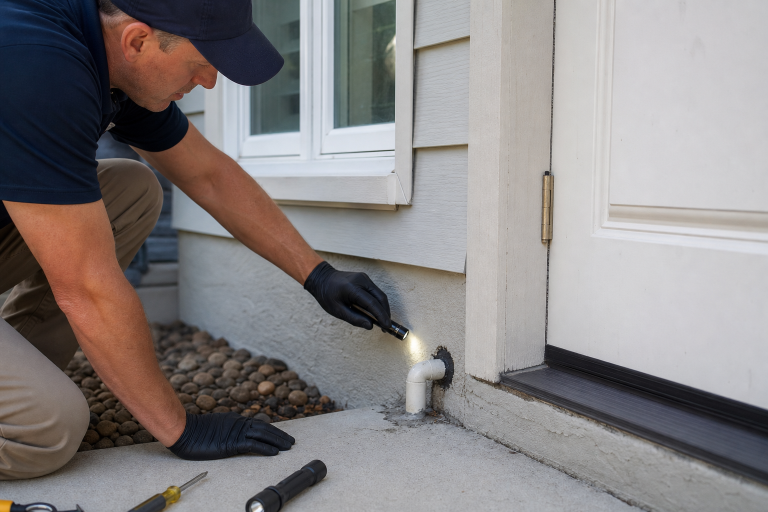
Service lines are frequent trouble spots because installers must leave room for a pipe, conduit, cable, or drain line to pass through a wall. Check where air-conditioning lines enter the house, where plumbing emerges, and where electrical or communications service reaches the building. A soft, crumbling, or incomplete patch around a penetration does not provide dependable exclusion.
Also inspect the garage. A garage can offer a protected staging area, and an opening from the garage into the house creates a second boundary to manage. Look at the bottom corners of the overhead door, side service door, wall penetrations, and the door between the garage and living area.
The CDC rodent-control guidance says mice can fit through openings about one-quarter inch wide, while rats can fit through openings about one-half inch wide. Those thresholds explain why a gap that looks trivial from standing height warrants a closer inspection.
Which rodent exclusion materials belong in each opening?
Match the material to the opening and the weather exposure, then cover or fasten it so the repair remains secure. Rodent exclusion is rarely solved by a single tube of sealant. Flexible sealant is appropriate for a narrow finish joint, but it should not be expected to bridge a large void or replace missing wood, masonry, flashing, or a door sweep.
For small gaps around a firm penetration, a pest-resistant backing material plus an exterior-rated sealant can close the remaining edge. For a larger void, use a rigid patch or metal barrier that is mechanically secured to surrounding material, then seal its perimeter where appropriate. Hardware cloth or metal mesh is commonly used for protected vent openings, provided it is securely attached and does not obstruct the vent’s intended function.
Material choice should account for movement. Siding, trim, and pipes can expand or shift with temperature and moisture changes. A rigid patch forced into a moving joint may pull away, while an elastic sealant alone can fail if the cavity behind it is too large.
- Narrow cracks and fixed utility penetrations: use a suitable backing material where needed, then an exterior-rated sealant compatible with the surrounding surface.
- Damaged wood, siding, or masonry: replace or patch the failed building material rather than filling the loss with foam.
- Vents and larger protected openings: use corrosion-resistant metal screening or hardware cloth sized and attached so it stays in place.
- Door bottoms and garage-door edges: replace worn sweeps, weatherstripping, or damaged thresholds that leave a continuous opening.
Expanding foam has a limited role. It can fill an irregular cavity behind a durable cover, but exposed foam is not a reliable rodent barrier because it can be chewed and can degrade outdoors. Using it as the visible final repair often creates a temporary-looking patch that needs revisiting.
What entry points should remain open?
Combustion, drainage, attic, and crawl-space systems may require intentional openings, so they should never be sealed blindly. An appliance vent, a plumbing vent, or a drainage opening has a function that affects safe operation or moisture control. Closing it to stop pests can create a more serious problem later.
Use a properly fitted guard only when the equipment manufacturer and applicable local requirements allow it. For fuel-burning appliances and other combustion equipment, the installation instructions control the required venting arrangement. If a rodent appears near a furnace, water heater, fireplace, or other vented appliance, call a qualified professional rather than modifying the vent path.
Do not block attic or crawl-space ventilation merely because it is an accessible opening. A durable screen or purpose-made vent cover may be appropriate, but the existing vent area and airflow path need to remain functional. The right repair excludes animals while preserving the assembly’s design.
How do you inspect doors, windows, and roof edges?
Close-fitting doors and intact exterior trim often eliminate access without a large repair. At an exterior door, inspect daylight at the bottom and latch side, then examine the sweep, threshold, jamb weatherstripping, and any warped or damaged door edge. On a garage door, watch for gaps at the lower corners and along uneven concrete.
A torn window screen is primarily an insect issue, while a gap around a frame, missing trim, or failed exterior seal can allow other pests into the wall system. If you feel drafts or see water stains near a window, solve the underlying flashing, trim, or frame problem instead of applying more caulk over damaged materials. This guide to stopping air leaks at doors and window frames covers the related distinction between surface sealing and a repair that requires further investigation.
At the roofline, binoculars can help identify visibly loose soffit panels, displaced fascia, or gaps at roof-to-wall transitions from the ground. Avoid walking a roof solely to inspect for pests. Roof access adds fall risk, and roof damage or compromised trim may require a roofer or building-repair contractor to define the scope of a broader problem.
When should trapping or professional pest control come first?
Active rodent activity may require population control alongside sealing, especially when animals are already inside wall cavities, attic areas, or occuping parts of the building. Closing every opening before addressing an established interior population can leave animals trapped indoors, which may lead to odor and damage problems. A pest professional can assess the proper sequence and identify whether exclusion, trapping, sanitation, or monitoring should come first.
The EPA’s integrated pest management framework treats monitoring and prevention as connected steps, not competing options. Mark each suspected opening, note whether it is active or simply vulnerable, record the repair used, and recheck it after weather changes or construction work.
Fresh droppings, gnawing, nesting material, rub marks, or repeated sounds may indicate ongoing activity, but they do not identify every entrance route on their own. Avoid disturbing substantial contamination without appropriate professional guidance. The CDC identifies rodent contamination as a health concern and provides specific cleaning information on its rodent-control page.
What should a rodent exclusion quote include?
A useful written scope identifies the locations to be repaired, the materials proposed, and the limits of the work. “Seal all entry points” sounds complete, but it is too vague to compare across bids or to determine what was actually included. Photos or a marked diagram can make an exclusion proposal far easier to evaluate.
- Each opening or building area included in the scope.
- The proposed repair material and how it will be secured.
- Whether damaged trim, siding, masonry, screens, or door components require separate repair.
- How active interior activity will be handled before or during exclusion.
- Any excluded areas, access limits, follow-up visit, and written warranty terms.
Ask whether the contractor is repairing a cosmetic gap, installing a barrier, or correcting a failed building component. Those are different scopes with different labor and materials. A low quote that only applies visible foam may cost less now, but it does not address loose trim, a rotted sill, or an improperly finished utility opening.
For an issue involving high rooflines, inaccessible crawl spaces, extensive damage, or active interior infestation, a coordinated plan between a pest professional and the appropriate repair contractor is usually clearer than asking one trade to guess at the other’s work.
FAQ
Can rodents chew through spray foam?
Yes, exposed foam should not be treated as a final rodent barrier. Use it only where it supports a repair design that includes a durable, pest-resistant cover or a sound building-material repair.
Should you seal holes before removing rodents?
Usually, the order should account for active interior activity before every route is closed. A pest professional can determine whether trapping or other control should be completed first, then confirm exclusion work after activity declines.
How often should a home be checked for new entry points?
An exterior inspection at least seasonally and after repairs, storms, or utility work is a practical maintenance habit. Recheck doors, screens, vents, trim, and utility penetrations because those areas can change as materials age or contractors open and close an exterior surface.
Can a homeowner seal rodent entry points?
Simple, ground-level repairs to sound trim or weatherstripping may be manageable if they do not affect a vent, appliance, electrical component, or structural detail. Work near combustion vents, elevated roof edges, major rot, or active contamination belongs with the appropriate qualified professional.
If you need help defining an exclusion scope, request a written assessment that separates rodent sealing from any needed building repair. Please call a listed specialist for a free, no-obligation discussion.