What summer heat and UV do to shingles over time
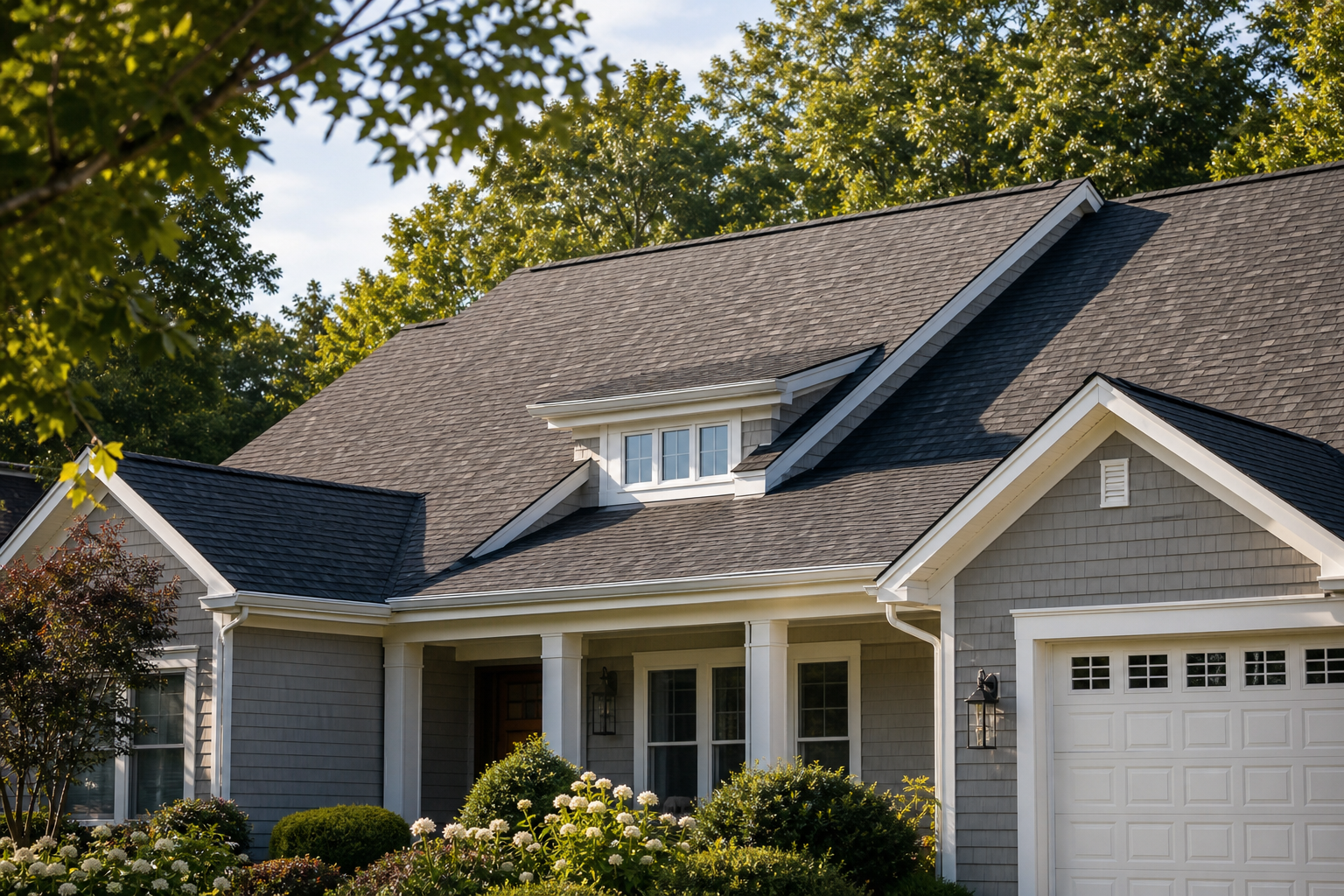
Summer exposure gradually changes an asphalt-shingle roof from the outside in. High roof-surface temperatures work on the asphalt, while ultraviolet light ages the material that granules are meant to shield. The result is usually a slow process, not a single hot-day failure, but years of heat and sun can shorten the useful life of shingles already affected by age, poor installation, or physical damage.

Call for a free estimate:
A roof can look generally intact from the ground while its most exposed slopes are losing flexibility and surface protection. Knowing what is normal, what deserves an inspection, and which maintenance steps are worthwhile can prevent a small roofing issue from being mistaken for a reason to replace everything.
What does summer sun actually do to asphalt shingles?
Heat raises the temperature of the roof covering well above the outdoor air temperature, and UV exposure gradually weathers the asphalt protected by the shingle surface. The U.S. Environmental Protection Agency’s guidance on cool roofs explains that conventional roofs can reach temperatures of 150°F or more under summer sun, depending on the roof material and conditions.
Asphalt shingles are layered products. The Asphalt Roofing Manufacturers Association’s Residential Asphalt Roofing Manual describes the role of asphalt in the weathering surface and mineral granules in the outer surfacing. Granules provide the visible color and help shield the underlying asphalt from sunlight. When the surface wears over time, more of that asphalt is exposed to weathering.
Daily heating and cooling also make roofing materials expand and contract. A properly installed roof system is designed to accommodate ordinary movement, but older shingles have less ability when they have already weathered, dried, or lost surface material. Sun-facing roof planes often show aging earlier than shaded areas because they receive more direct solar exposure.
High heat does not automatically mean a roof has failed. It speeds up the normal aging process, and the condition of the individual roof determines whether that added stress produces only cosmetic change or a repair issue.
Why do granule loss, curling, and cracks deserve attention?
These visible changes matter because they can show that the shingle surface is no longer weathering as evenly as it should. Owens Corning’s published Understanding Shingle Granule Loss guidance distinguishes between small amounts of loose granules, which can occur with new shingles and ordinary aging, and more substantial or localized loss that warrants a roofing assessment.
A few granules in a gutter do not establish that a roof is worn out. Granules can shed after installation, after severe weather, and as shingles age. The more useful observation is the pattern: bare patches, unusually heavy accumulations in downspouts, or one slope that looks visibly different from the rest of the roof call for closer review.
Curling at shingle edges, lifted tabs, exposed nail heads, splits, and cracks can affect how water moves across the roof. These conditions may result from several causes, including age, installation details, wind exposure, or roof-deck and ventilation conditions. A visual symptom alone does not identify the cause, which is why a quote that simply calls every curled shingle “heat damage” is incomplete.
Inspect from the ground with binoculars if it can be done safely. Do not walk on a hot roof to check the surface. Heat can make shingles easier to scuff, and roof walking adds a fall risk without answering the underlying installation or moisture questions.
Can attic ventilation stop heat and UV aging?
Balanced attic ventilation can manage attic heat and moisture, but it cannot prevent sunlight from weathering the exterior surface of shingles. GAF’s Attic Ventilation: A Guide to Proper Attic Ventilation describes intake and exhaust ventilation as a system that needs clear airflow paths rather than a single added vent.
Adding a powered fan or extra roof vent will not restore brittle shingles, replace missing granules, or erase UV exposure. It may also create problems if it disrupts the intended intake-and-exhaust design or draws conditioned air from the house through ceiling leaks.
Ventilation is worth evaluating when an inspection identifies blocked soffit intake, missing baffles, inadequate exhaust, or moisture-related conditions in the attic. It is also relevant during a reroof, when contractors can assess the roof deck, intake openings, exhaust layout, and insulation details together. The right strategy may be an attic correction and targeted roof repair, rather than a full roof replacement.
Which maintenance steps help shingles last longer?
The most useful approach is to preserve water-shedding details and address small defects before water reaches the roof deck. CertainTeed’s Asphalt Shingle Care and Maintenance guidance advises homeowners to keep roof drainage areas clear and to avoid aggressive cleaning methods that can damage the shingle surface.
- Keep gutters and downspouts clear. Leaves and debris can hold water at roof edges and allow it to back up where shingles meet flashing and gutters.
- Trim branches that rub the roof. Branch contact can scrape granules and can leave organic debris on the roof after wind events.
- Look after major storms and during dry weather. Check for displaced shingles, loose metal flashing, debris dams, and changes in rooflines from a safe ground-level position.
- Use gentle, manufacturer-approved cleaning methods. Pressure washing and abrasive brushing can remove granules. Treat staining or biological growth as a cleaning question, not proof that shingles need replacement.
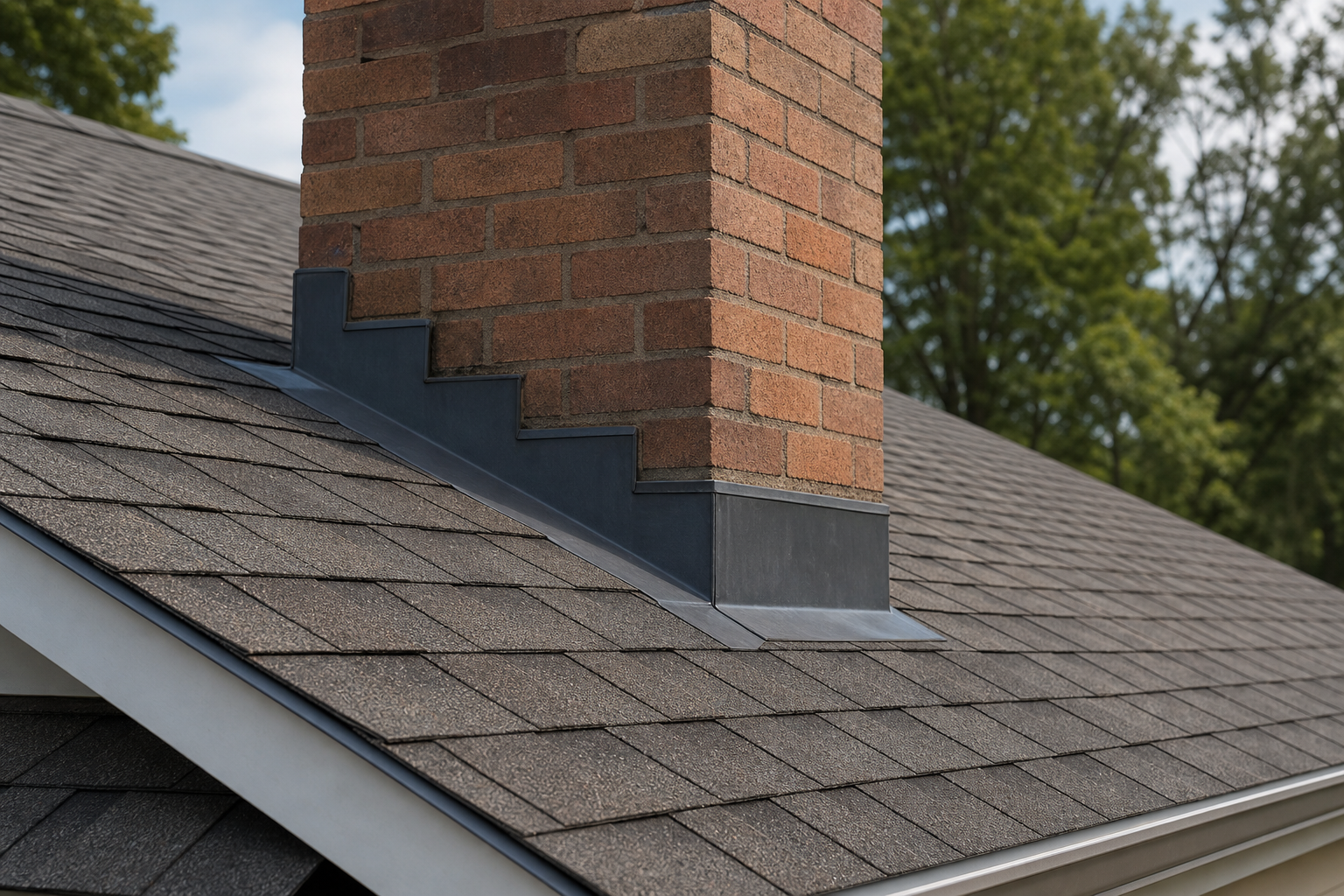
- Maintain penetrations and flashing. Vents, chimneys, skylights, wall intersections, and valleys depend on correctly integrated flashing. A sound field of shingles cannot compensate for a failed flashing detail.
Do not apply a coating, sealant, or “rejuvenator” simply because a roof looks faded. Shingle warranties and installation requirements vary, and a treatment can alter the roof surface or complicate a future warranty claim. Review the specific shingle manufacturer’s written instructions and warranty before authorizing any roof-applied product.
Warranty wording also needs a careful read. The roof warranty terms homeowners should understand can help separate material coverage from workmanship coverage, exclusions, transfer conditions, and the documentation a claim may require.
When is a repair more sensible than replacement?
A localized defect with sound surrounding shingles often calls for a targeted repair, while widespread surface wear or repeated leaks may justify planning for replacement. The decision should follow an inspection of the shingles, flashing, roof deck condition where visible, and the affected area inside the attic, rather than relying on roof age alone.
Ask a contractor to put the observed condition, probable source, repair area, materials, and any limits of the work in writing. A clear scope should distinguish between replacing damaged shingles, correcting flashing, repairing a deck area, and improving ventilation. Vague language such as “fix heat damage” does not tell you what will be removed or how water will be managed afterward.
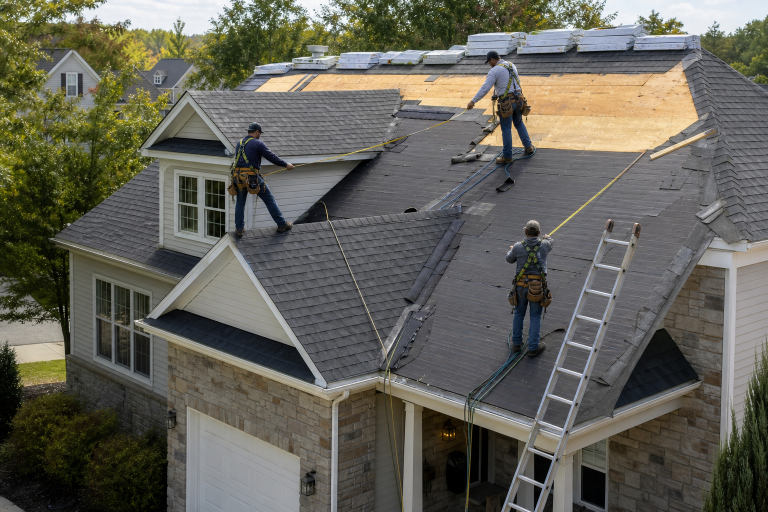
Full replacement becomes easier to justify when damage is distributed across several slopes, shingles have lost the ability to lie flat or seal consistently, or repairs would require disturbing brittle material across large areas. For a fuller comparison of those choices, see how to tell a spot repair from a full roof replacement.
Call for a free estimate:
What should you ask during a summer roof inspection?
A useful inspection should identify conditions and evidence, not just assign a remaining-life estimate. Ask the inspector to explain which observations are visible from the exterior, which were seen in the attic, and which conclusions are limited because part of the roof is inaccessible.
- Are granule loss, curling, or cracking isolated or widespread?
- Which roof slopes show the greatest weathering, and are they also the most sun-exposed?
- Is the issue in the shingles, flashing, drainage, attic ventilation, or more than one of those areas?
- Can the stated repair be completed without damaging adjacent brittle shingles?
- What written workmanship warranty applies to the proposed work?
- What maintenance or documentation does the shingle manufacturer require to preserve applicable coverage?
Photographs should support the written scope. They are especially useful when the recommendation involves replacement, because they allow you to compare whether separate quotes are addressing the same defect or proposing different work.
FAQ
Does hot weather make shingles leak immediately?
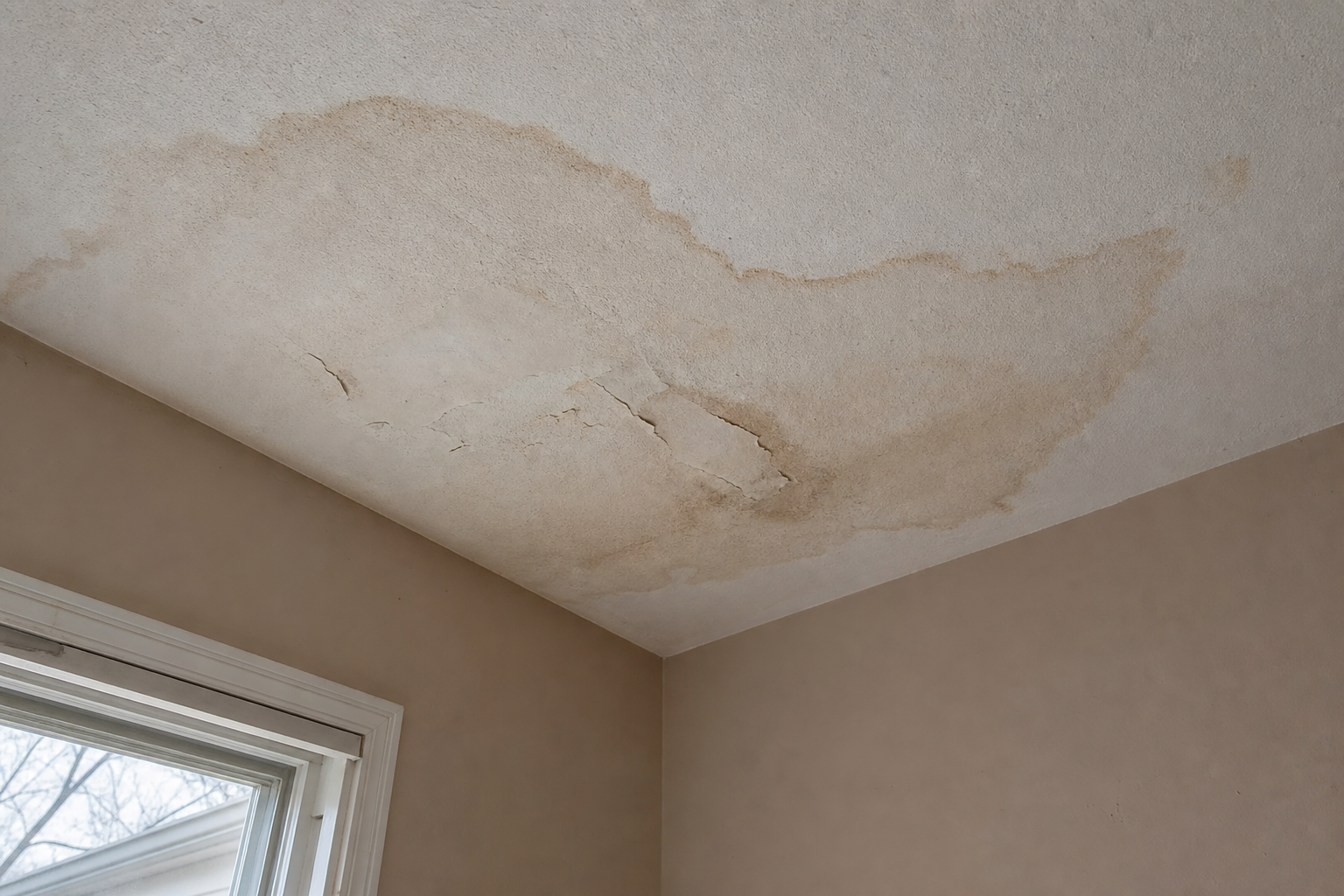
Usually, no. Summer heat more often contributes to gradual weathering, while an immediate leak typically involves an existing opening, damaged shingle, failed flashing detail, or another route for water. A roof that leaks only after certain storms still needs an assessment, since the water path may be separate from the location where staining appears indoors.
Is granule loss always a sign that shingles need replacement?
No, small and even granule shedding can occur during normal aging, as Owens Corning explains in its granule-loss guidance. Bare patches, heavy localized loss, or a clear change between roof slopes are more useful reasons to obtain an inspection.
Will a lighter roof color make shingles last longer?
A lighter, more reflective roof surface can run cooler in sun than a conventional dark roof, according to the EPA’s cool-roof guidance. It does not guarantee a longer service life, because installation quality, drainage, wind exposure, shingle design, and maintenance still affect roof performance.
Should shingles be pressure washed to remove stains?
No, aggressive pressure washing can damage the protective granule surface, according to CertainTeed’s care and maintenance guidance. Use the shingle manufacturer’s approved cleaning method, and first determine whether the staining is cosmetic or connected to debris, drainage, or roof condition.
If summer exposure has left you unsure whether you need maintenance, a repair, or replacement planning, request a written roof assessment that identifies the observed condition and the proposed scope. For further help please call a listed specialist for a free, no-obligation discussion.