How much energy a leaky door or window may actually cost you
A draft at a door or window can cost very little or become a meaningful part of a home’s heating and cooling expense. The honest answer depends on how much air moves through the opening, when it moves, local weather, your HVAC equipment, and the price you pay for energy.

Call for a free estimate:
The U.S. Department of Energy says air leakage can account for 25% to 40% of the energy used for heating and cooling in a typical home. That figure covers leakage throughout the building shell, including attic penetrations, duct connections, exterior-wall gaps, doors, and windows.
What can one leaky door or window add to your energy bill?
A single leak has no universal dollar value, but a realistic calculation starts with your own heating and cooling spending and assigns only the measured or estimated share caused by that leak.
For example, assume a household spends $1,800 per year to heat and cool its home. Applying the Department of Energy’s 25% to 40% whole-home air-leakage range gives $450 to $720 in annual heating and cooling energy associated with all envelope leaks. If testing or a contractor’s assessment indicates one door or window represents 5% of that total leakage burden, the arithmetic is about $23 to $36 per year. If several old windows, a poorly sealed patio door, and gaps around frames are acting together, their combined share can be much higher.
A narrow gap in a mild climate may have little annual effect. A door with worn weatherstripping that opens onto a windy side of a cold-climate home can impose a larger load, especially during long heating seasons. The cost also changes with the fuel and equipment involved. A heat pump, furnace, boiler, electric resistance heater, or air conditioner responds to the same unwanted air movement with different energy use and local rates. Review a full year of utility bills, rather than using one unusually hot or cold month, before judging whether a repair paid for itself.
Why is the real cost so hard to see on a utility bill?
Heating and cooling equipment does not record energy use by window, door, attic, or wall, so a monthly bill cannot isolate one opening without additional information.
Outdoor temperature, wind, sun, thermostat settings, occupancy, cooking, and appliance use all move a bill up or down. A draft can also be intermittent. Wind pressure may force outdoor air through a gap on one side of the house while air leaves through a higher opening elsewhere. The U.S. Department of Energy’s guidance on air sealing a home describes this pressure-driven movement and identifies common leakage locations around doors and windows.
That makes comfort clues useful, but limited. Feeling moving air near a closed sash on a windy day can point to a leak at the sash, lock, weatherstripping, trim, or wall opening. It does not reveal the annual dollar cost, and it does not prove that the glass itself is the issue.
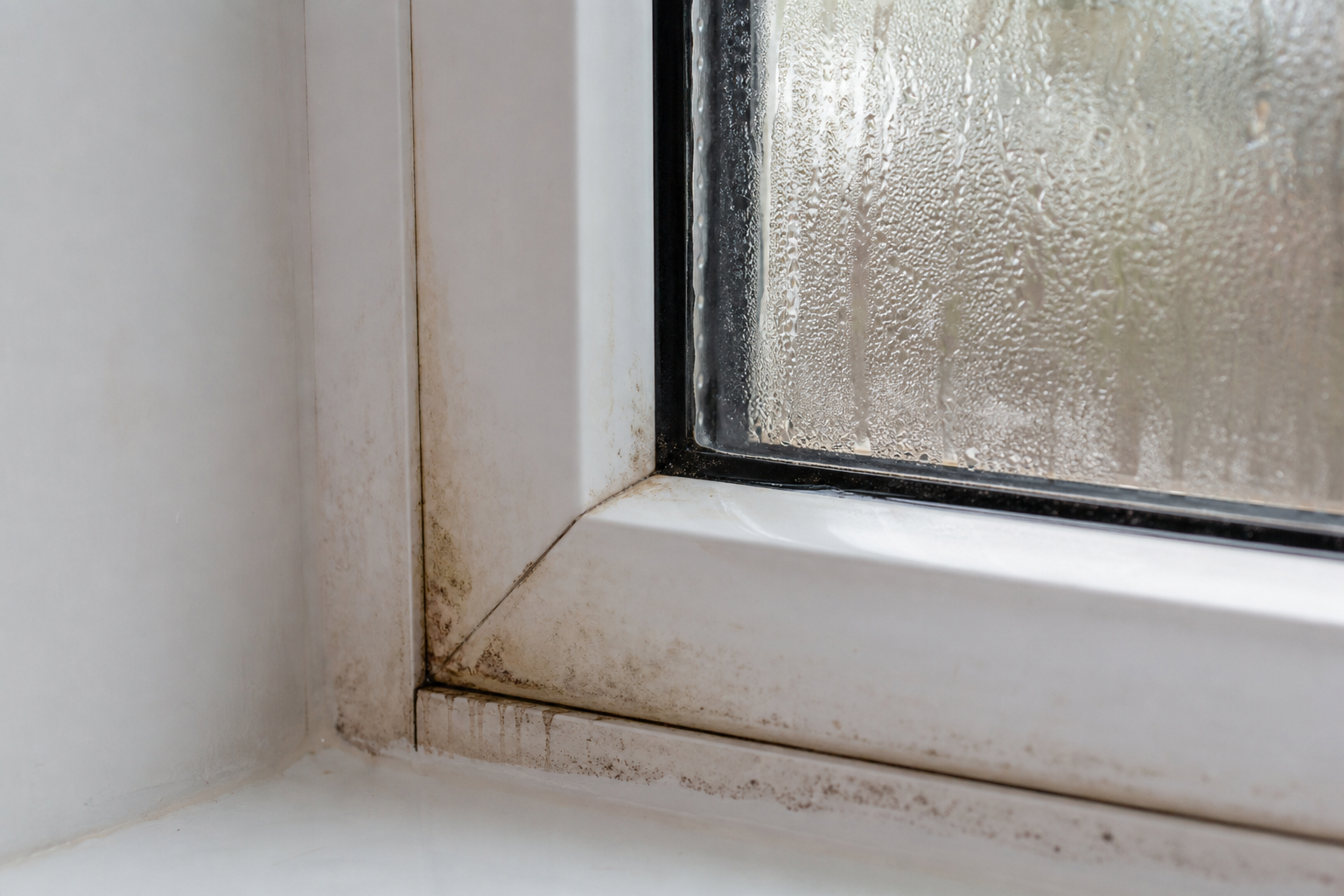
Condensation, cold interior glass, and a noticeable draft can occur in the same room for different reasons. Treating each as proof that replacement windows are required can lead to a larger purchase than the evidence supports.
Is a leaky window the same as an inefficient window?
No, air leakage and heat transfer through the window assembly are separate issues, although both can affect heating and cooling demand.
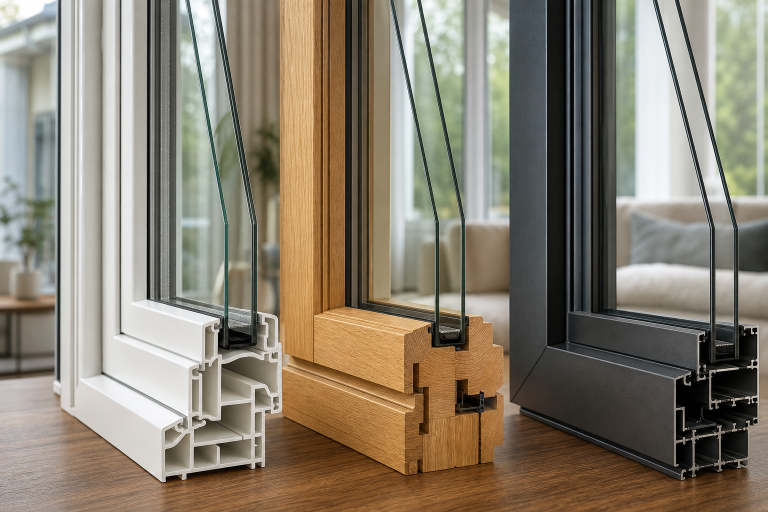
Air leakage means outdoor and indoor air pass through unintended openings around a sash, frame, operating panel, or installation perimeter. Heat transfer can occur through glass, frame, and edge materials even when a window closes tightly. The Department of Energy says heat gain and heat loss through windows are responsible for 25% to 30% of residential heating and cooling energy use, a broader statement about window performance that includes more than drafts.
For replacement-window comparisons, the National Fenestration Rating Council label reports U-factor, solar heat gain coefficient, visible transmittance, air leakage when applicable, and other ratings under its NFRC energy-performance labeling program. U-factor describes how readily the assembly transfers heat. Solar heat gain coefficient describes how much solar heat passes through. Neither number tells you whether an existing window’s weatherstrip has a small, repairable gap.
When does a simple repair make more sense than replacement?
Replacing worn weatherstripping, correcting a loose strike adjustment, or sealing a clearly accessible trim gap may address an air-leak complaint without replacing a serviceable door or window.
On an operable window, inspect whether the sash meets its weatherstrip evenly when locked. On an exterior door, look for compressed, torn, flattened, or missing weatherstripping and for a sweep that no longer meets the threshold.
Leaks from dried out caulking is another common issue. Caulk is appropriate only for stationary joints, not joints that must move for the window or door to operate. Spraying foam into an unknown cavity can interfere with drainage paths or distort frames if the product expands too aggressively. Manufacturer installation instructions and the condition of the existing opening should guide any perimeter repair.
Replacement becomes a more reasonable discussion when the unit cannot close or lock correctly, has deteriorated parts that cannot be serviced, shows persistent failure between insulated glass panes, or has frame damage that prevents a reliable seal. If replacement is on the table, this guide to insert versus full-frame window replacement explains why the condition of the existing frame and surrounding opening matters to the scope.
A repair quote should identify the exact leakage location and material being addressed. “Seal window” is too vague to compare with a replacement quote.
How can you get a more defensible estimate of the energy loss?
A blower-door test paired with a home energy assessment gives a stronger basis for prioritizing leaks than visual inspection alone.
During a blower-door test, a fan temporarily changes house pressure so an assessor can locate leakage pathways and measure the home’s overall air leakage. The Department of Energy explains that a professional home energy assessment may use a blower door and other diagnostic tools to identify cost-effective improvements. The test measures the building as a system, which is exactly what a utility bill cannot do.
Ask the assessor or contractor to distinguish three findings: the overall leakage result, the specific openings found at doors or windows, and the proposed scope to address each one. If an estimate predicts annual savings, ask for the assumptions behind it, including energy prices, weather data, equipment efficiency, and whether the figure covers one repair or a bundle of air-sealing work.
Call for a free estimate:
- Request the location and cause of each suspected leak in writing.
- Ask whether the proposed work affects an operable joint, stationary trim, or the window or door itself.
- Confirm whether the quote includes adjustment, weatherstripping, sealant, damaged trim, or replacement parts.
- Ask what existing conditions could add cost after trim or cladding is removed.
- Compare repair scope separately from any proposal to replace the entire unit.
Testing does not guarantee a precise dollar figure for one window. It does reduce guesswork and can show whether the visible draft is a priority compared with larger attic, basement, or duct-related leaks.
What should you fix first if several openings feel drafty?
Start with the largest confirmed leakage paths and the simplest durable repairs, then reassess before committing to broad replacement work.
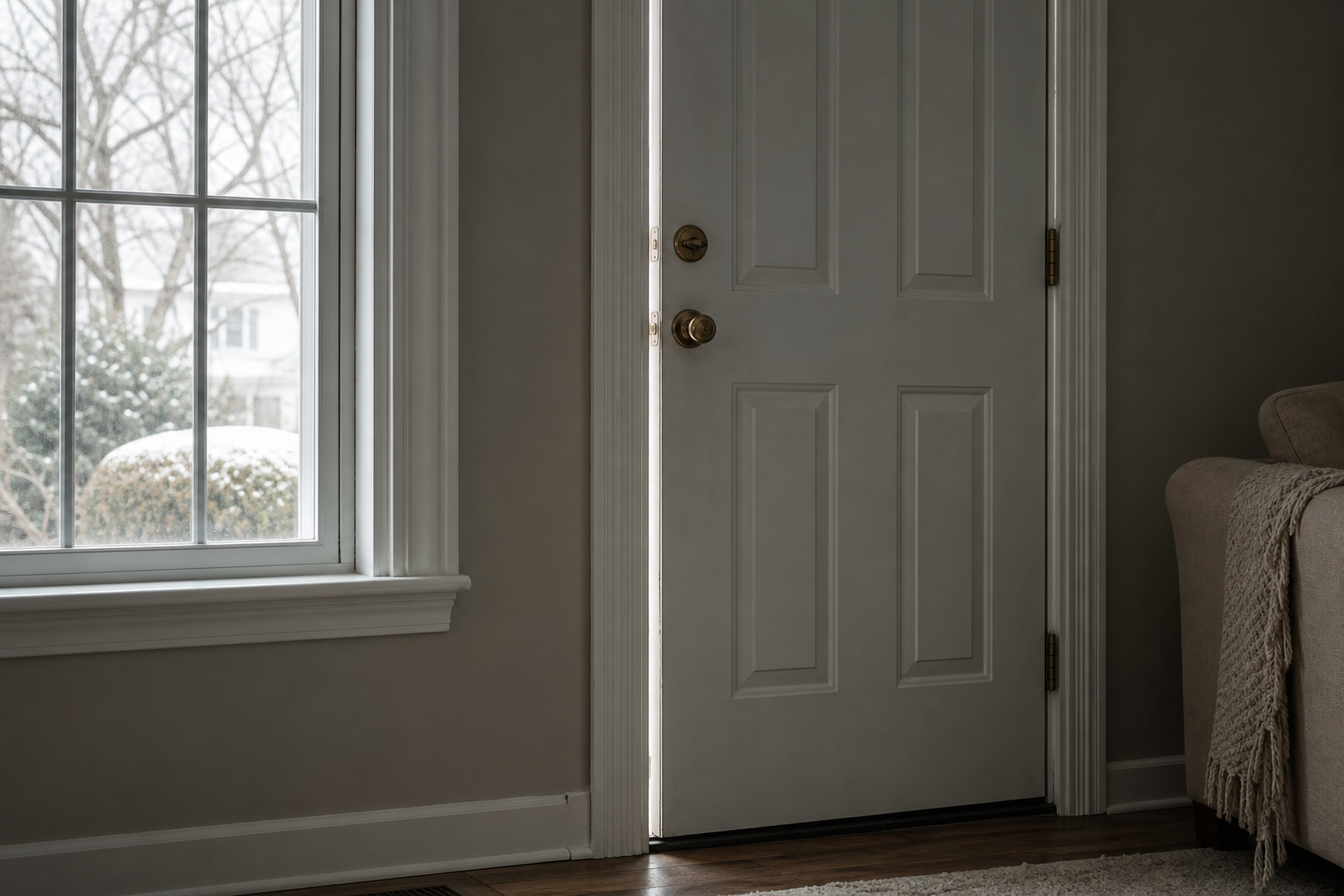
Doors often deserve early attention because their weatherstripping and sweeps are accessible wear parts, and a poorly aligned latch can leave a continuous gap. Windows that do not fully lock or that have visibly failed weatherstripping also merit attention. By contrast, a room that feels cold only near glass may need an assessment of window heat transfer, not just an air-sealing repair.
Do not cover over a window’s designed drainage or weep paths in an effort to stop drafts. Those paths manage incidental water at the exterior of many window systems, and blocking them can create a different problem. Likewise, avoid judging a seal by applying a flame near it. A visual inspection and professional diagnostics are safer ways to investigate airflow.
For practical repair options at frames, sashes, and exterior doors, see Abodence’s guide to stopping air leaks at doors and window frames. The goal is to correct the pathway that exists, rather than adding material where it cannot form a durable seal.
FAQ
Can a drafty window really raise my heating bill?
Yes, unwanted airflow can increase heating demand when it brings in colder outdoor air and forces conditioned air out, but the bill impact depends on the size and timing of the leak and cannot be read directly from one month’s bill.
How do I know whether the draft is from the window or around the frame?
Visible gaps, uneven sash contact, damaged weatherstripping, and air movement at trim point to different possible locations. A blower-door assessment is the more reliable way to identify the pathway when inspection does not settle the question.
Will new windows solve every draft problem?
No, replacement windows will not correct leakage in unrelated attic, wall, duct, or door locations. A new unit also needs correct installation and adjustment to provide the intended air seal.
Should I replace weatherstripping before replacing a door?
Usually, replace or adjust worn weatherstripping first when the door slab, frame, hinges, threshold, and locking function remain sound. Replacement is worth evaluating when damage or misalignment prevents the door from sealing and operating properly.
If you want a clearer answer for a specific room, request an assessment or written quote that identifies the leakage location, proposed repair, and assumptions behind any projected savings. For a free, no-obligation discussion please call a listed specialist.