What prep work is needed before a pest control service?
Most pest control visits go more smoothly when you give the company accurate details, make the agreed treatment areas reachable, and follow the written instructions for that specific service. The right preparation depends on the pest, the treatment location, the products selected, and whether the technician needs to inspect, treat, monitor, or return for follow-up work.
Do not rely on a generic online checklist when your provider has given different directions. Under the Federal Insecticide, Fungicide, and Rodenticide Act, a pesticide must be used consistently with its EPA-approved labeling. A company’s service instructions should reflect the planned treatment and label requirements.
What should you tell the pest control company before the appointment?
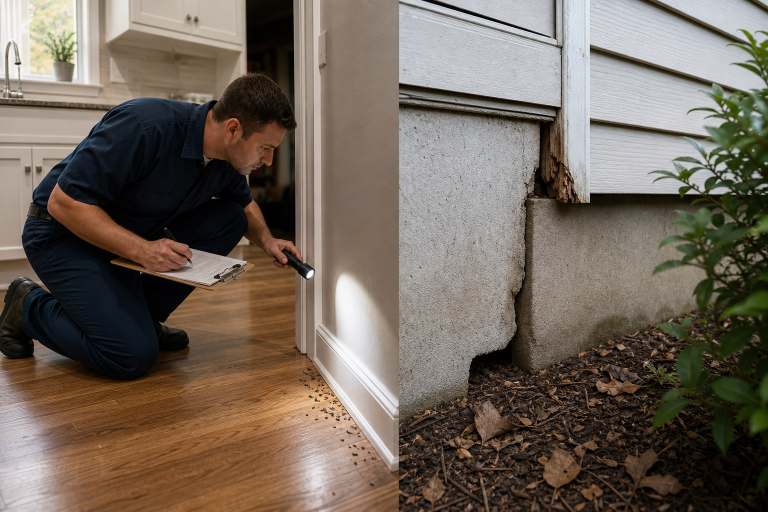
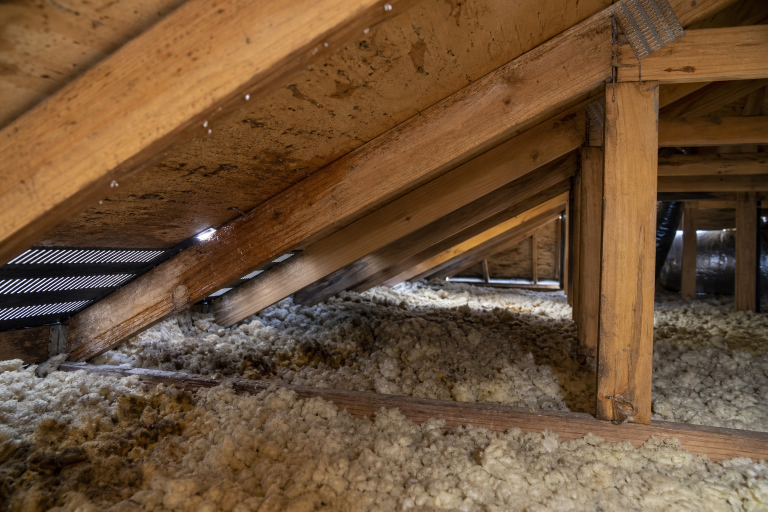
Give the office or technician a short, specific account of what you have seen, where you have seen it, and when activity occurs. Include the pest if you can identify it, but do not guess if you are uncertain. Share practical access information at booking: the rooms involved, exterior gates, crawlspaces, basements, attics, detached structures, locked utility closets, parking limits, and any building check-in rules. Mention animals, aquariums, children’s areas, food-preparation spaces, and anyone who may have trouble leaving the property if the service directions require vacancy.
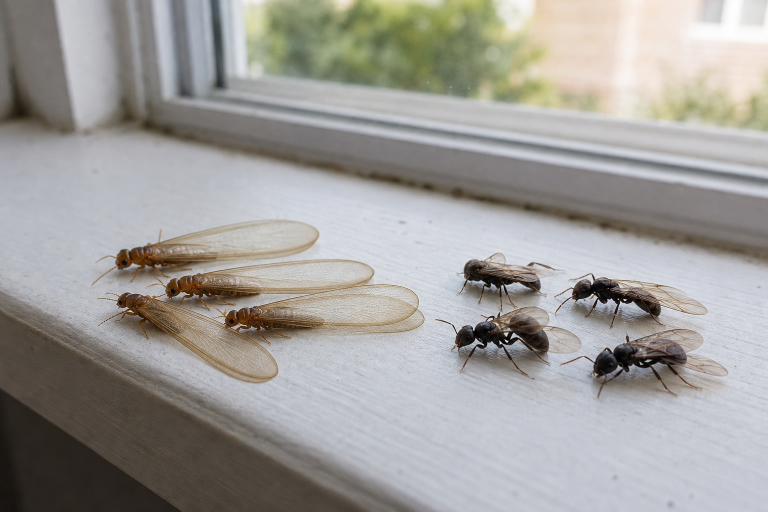
Photos can be useful when they show the insect, droppings, damaged material, a nest, or the point where pests enter. Keep them in context by taking one close image and one wider image that shows the location. Also explain what you have already used, including aerosol sprays, baits, foggers, powders, traps, or outdoor products. This is not a test of whether you chose the “right” product. It gives the technician information that may affect inspection findings, bait placement, and the service plan.
Which areas should be cleared or made accessible?
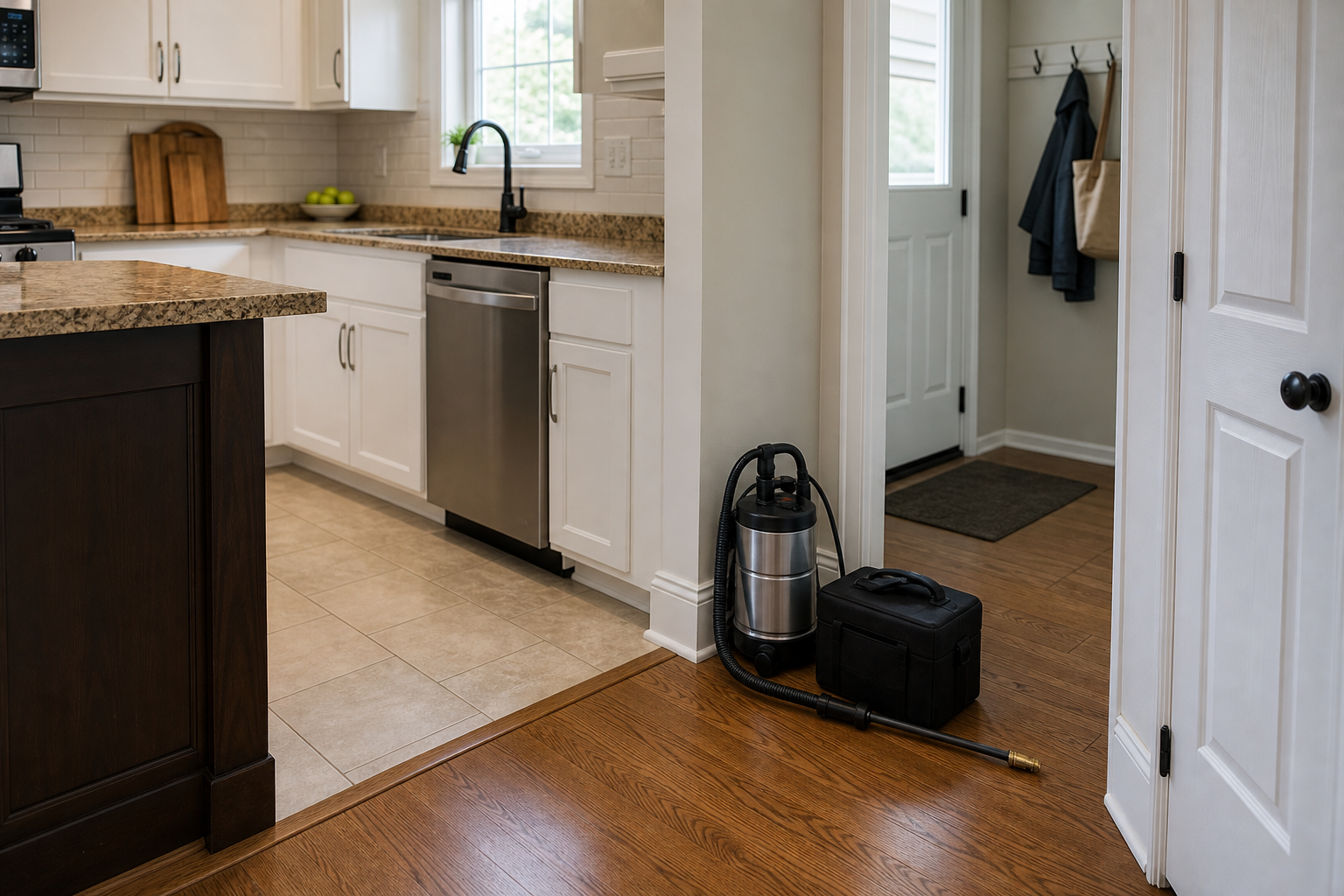
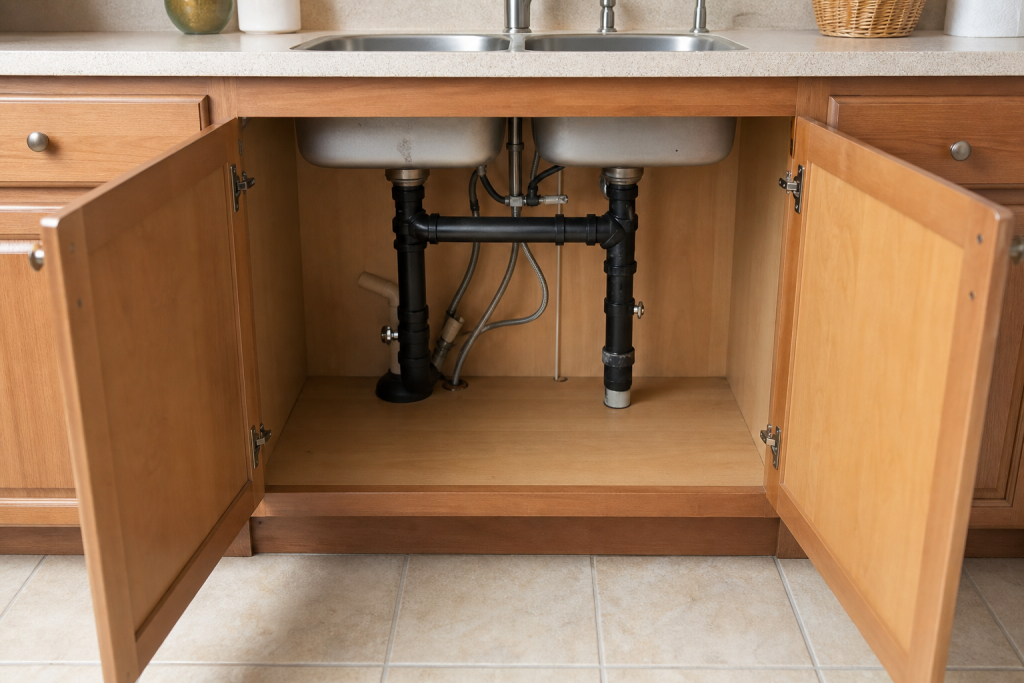
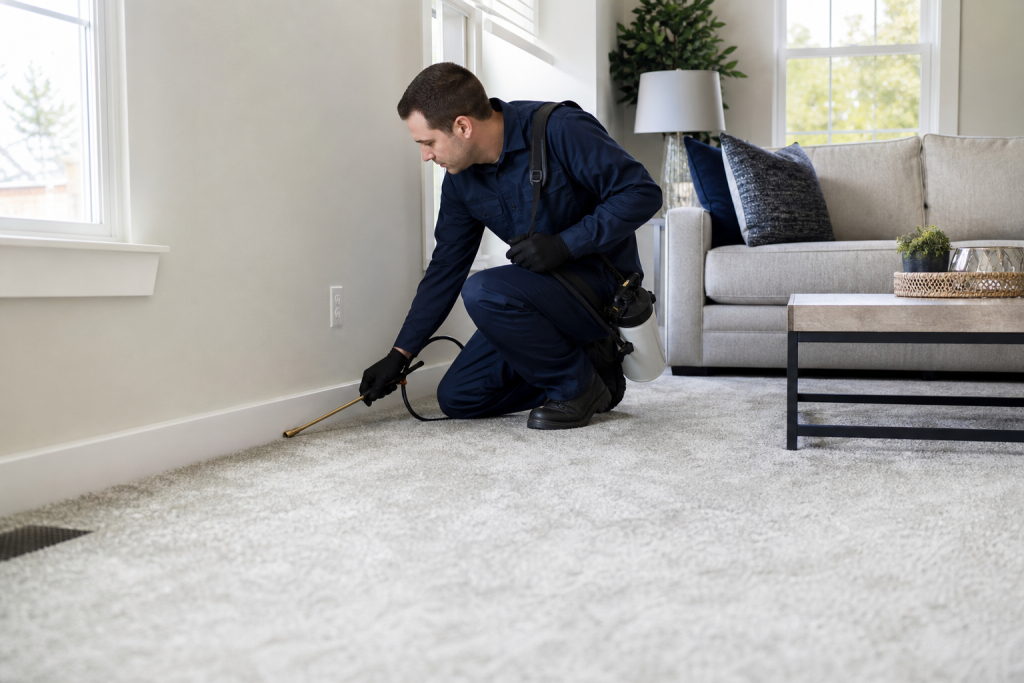
Clear only the spaces named in the provider’s prep sheet, because the needed scope differs sharply by pest and treatment method. For a routine perimeter service, that may mean unlocking gates, moving items away from the exterior foundation, and making the garage or utility room accessible. For an indoor crack-and-crevice treatment, it may mean clearing countertops, sink cabinets, or baseboards.
Move belongings far enough to expose the specified treatment zone without creating a second storage problem elsewhere. A technician cannot inspect behind a packed shelf, under a tightly filled sink cabinet, or along a baseboard blocked by stacked boxes. At the same time, do not empty every cabinet or strip every room unless the written instructions call for it. Extra disruption can spread an infestation in some situations and can make it harder to restore the room afterward.
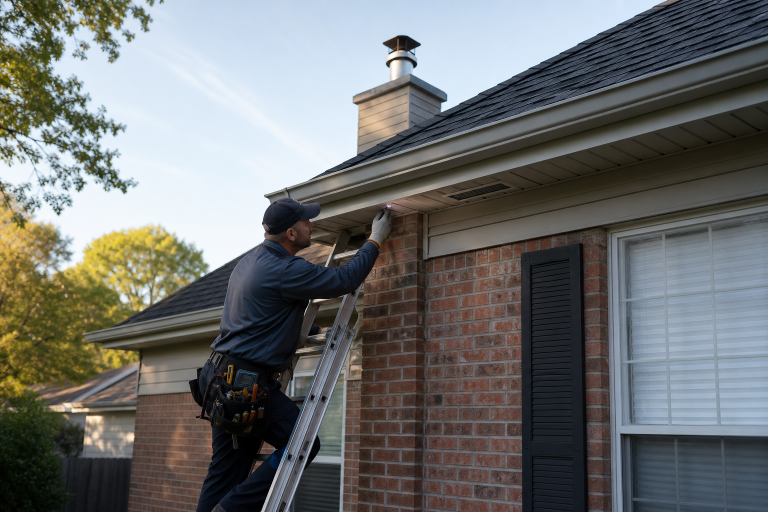
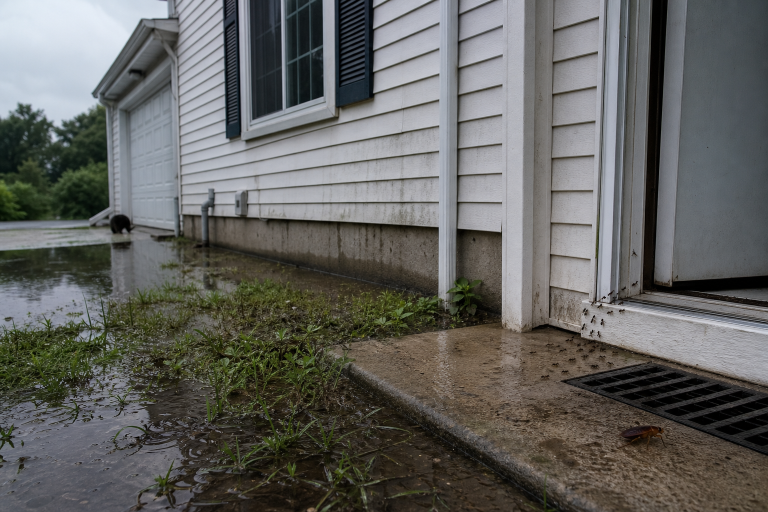
For exterior work, trim access rather than trying to perform landscape maintenance immediately before the appointment. Remove toys, planters, firewood, outdoor cushions, and stored items only where they prevent access to the foundation, nest site, or entry point. Point out standing water, damaged screens, loose weatherstripping, gaps around pipes, and other conditions you have noticed.
Kitchen and food-storage areas
Food, dishes, utensils, and food-contact surfaces need the protection described in the service instructions. The EPA’s guidance emphasizes keeping food in sealed containers and promptly cleaning food residue, which also removes a pest resource between visits. Ask the provider whether items should be removed, covered, washed after service, or left in place.
Take out trash and recycling if they contain food residue, especially if service includes kitchen, garage, or exterior areas. This is a simple sanitation step, not a substitute for treatment. It reduces a readily available food source while the company investigates the infestation and may help reveal where activity is concentrated.
How should you prepare pets, people, and belongings?
Follow the company’s re-entry and protection instructions exactly, including any direction to leave with pets for a stated period. The required steps can differ by product, application method, treated surface, ventilation, and local conditions. Ask before the visit if the instructions are missing, unclear, or difficult to carry out.
Fish tanks need special attention. Tell the provider about any aquarium before treatment begins and ask for product-specific instructions. Do not assume that simply closing a lid answers the question. Similarly, disclose bird cages, reptile enclosures, pet bedding, indoor pet feeding stations, and animal access to treated outdoor areas so the technician can explain the planned precautions.
Remove or protect personal items as directed. That can include toothbrushes, cosmetics, medication, dishes, children’s toys, pet bowls, clothing, linens, or food. The goal is to prevent unintended contact with treated areas and to keep the technician’s work zone clear. If an item cannot be moved, point it out before application instead of handling it after treatment has started.
For a fuller discussion of household precautions, see pest control safety for parents and pet owners.
What should you do differently for bed bugs, rodents, and other specific pests?
Use the pest-specific preparation plan, because a universal checklist can create unnecessary work or interfere with the treatment. Bed bug services often involve detailed room preparation, laundry handling, clutter reduction, inspection access, and repeat visits. Rodent work may focus on access to utility areas, sanitation, trapping locations, and exterior entry points. Mosquito and tick work is usually tied to outdoor access and landscape conditions.
Bed bug preparation deserves particular care because moving belongings can relocate the insects. The University of Minnesota Extension’s bed bug guidance directs residents to follow the pest management professional’s preparation instructions and cautions against moving items from an infested room to another room.
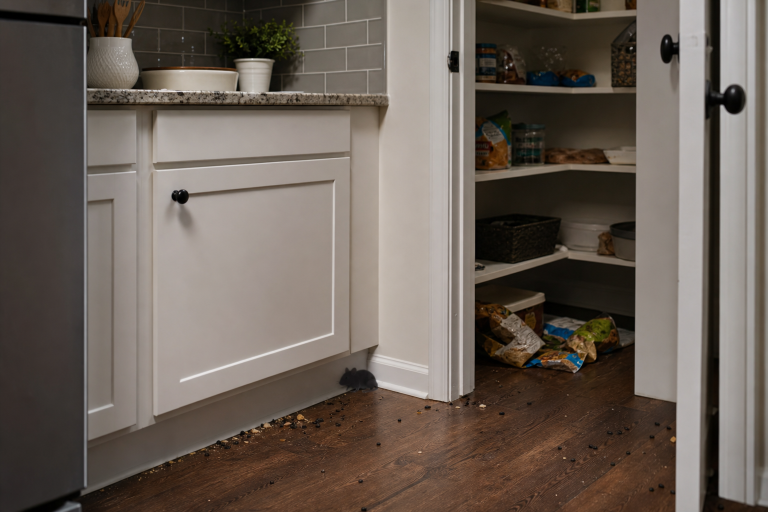
Rodent visits work best when you identify where you hear or see activity and make likely inspection points reachable. Leave traps, monitoring devices, and bait stations alone unless the technician tells you otherwise. Moving them can interrupt monitoring and makes it harder to tell whether activity has changed.
Outdoor mosquito or tick appointments may require access to fenced yards, vegetation edges, decks, and areas where containers hold water. The EPA notes that mosquitoes can breed in standing water, so emptying and maintaining water-holding containers where practical is a sensible prevention measure alongside any professional service. For seasonal context, review mosquito and tick season risks for homeowners.
What should you ask before the technician arrives?
Get the operational details in writing before the appointment, especially when the work will occur indoors or requires occupants to leave. A concise confirmation avoids common problems such as blocked access, missed prep steps, unclear re-entry timing, or a service that treats a different area than the homeowner expected.
- Which rooms, exterior areas, or structures will be inspected and treated?
- What must be moved, covered, cleaned, bagged, or left in place before arrival?
- Must people and pets leave, and when may they return?
- Will the technician use a pesticide, bait, trap, exclusion material, monitoring device, or a combination?
- What product information and post-service instructions will be provided?
- Does the plan require a follow-up visit, and what signs should be reported before then?
- What access barriers, repairs, sanitation work, or moisture issues should the homeowner address separately?
Ask for clarification if the answer is broad, such as “prepare the house” or “clear the area.” A usable instruction identifies the room or zone, the items involved, and the timing. Vague scope creates avoidable disagreement about what the service includes.
What should you avoid doing right before treatment?
Avoid adding unapproved pesticides, foggers, or repellents shortly before the visit unless the service provider directs you to do so. These products can alter pest behavior, obscure the source of activity, contaminate a planned bait location, or create a situation the technician needs to assess before proceeding.
Do not deep-clean, vacuum, or wash the exact areas scheduled for treatment after the technician has provided instructions to leave them alone. Conversely, do complete any requested cleaning before the appointment. The timing matters because some treatments depend on clean access, while others need treated surfaces or placed monitors to remain undisturbed for a stated period.
Keep a simple written record of sightings rather than repeatedly rearranging furniture or stored goods to search for pests. Note the date, location, and what you observed. That record gives the technician a better starting point and can be more useful than a home that has been extensively disturbed just before inspection.
What happens after the service is complete?
Read the technician’s post-treatment instructions before you resume normal use of the treated area. They should address reentry, ventilation if applicable, cleaning timing, pet access, product information, and any follow-up actions. Keep the paperwork with the service date and the areas treated so you can report changes accurately.
Professional pest management often includes inspection, habitat correction, exclusion, monitoring, and targeted treatment rather than a single application. The EPA describes integrated pest management as an approach that uses information about pests and their environment with multiple control methods. If a company recommends sealing a gap, correcting a leak, reducing clutter, or changing food storage, those measures are part of reducing the conditions that support the pest.
A service visit cannot solve a structural opening or a recurring moisture source by itself. Address those repairs on the schedule the provider recommends, and ask which items are included in the pest-control scope versus work that requires another trade.
If you need help interpreting a prep sheet or comparing service scopes, request a written quote that identifies the pest, areas covered, preparation duties, products or methods, and follow-up terms. Please call a listed specialist for a free, no-obligation discussion.
FAQ
Do I need to leave the house during pest control treatment?
Only if the provider’s written instructions require it for the planned product and application. Confirm the departure and reentry timing before the appointment, and make separate arrangements for pets when required.
Should I clean before a pest control technician arrives?
Clean the areas the provider tells you to clean, particularly food residue and trash, but do not scrub or vacuum planned treatment zones unless instructed. The correct timing depends on whether the visit is an inspection, baiting service, surface treatment, or another method.
Do I have to empty all my kitchen cabinets?
Usually, only the cabinets or spaces named in the preparation directions need to be emptied. Ask the company to specify the exact cabinets and whether contents should be removed, covered, or simply kept away from the treatment area.
Can I use bug spray before my scheduled pest control visit?
Wait unless the provider specifically tells you to use a product. Report what has already been applied, including the product name if available, so the technician can account for it when assessing the problem.