Roof Replacement Guide: When to Remove an Old Roof or Layer Over
Roof replacement decisions usually come down to three things: how many layers are already on the house, whether the roof deck is sound, and what the shingle manufacturer and local code allow. If you are trying to decide between a full tear-off and a layover, the safest shortcut is this: when the roof is badly worn, uneven, leaking in multiple areas, or already has two or more layers, removal is usually the practical path.

Call for a free estimate:
An overlay, also called reroofing over existing shingles, can look cheaper at first because it avoids tear-off labor and disposal. But it is not always permitted, and even when code allows it, manufacturer instructions, roof condition, and warranty terms may still point you toward full removal. That is where many homeowners get conflicting advice.
This guide focuses on what published code, manufacturer instructions, and trade guidance actually support, so you can tell the difference between a roof that can technically be covered and a roof that should be stripped first.
When is a full roof tear-off usually the right choice?
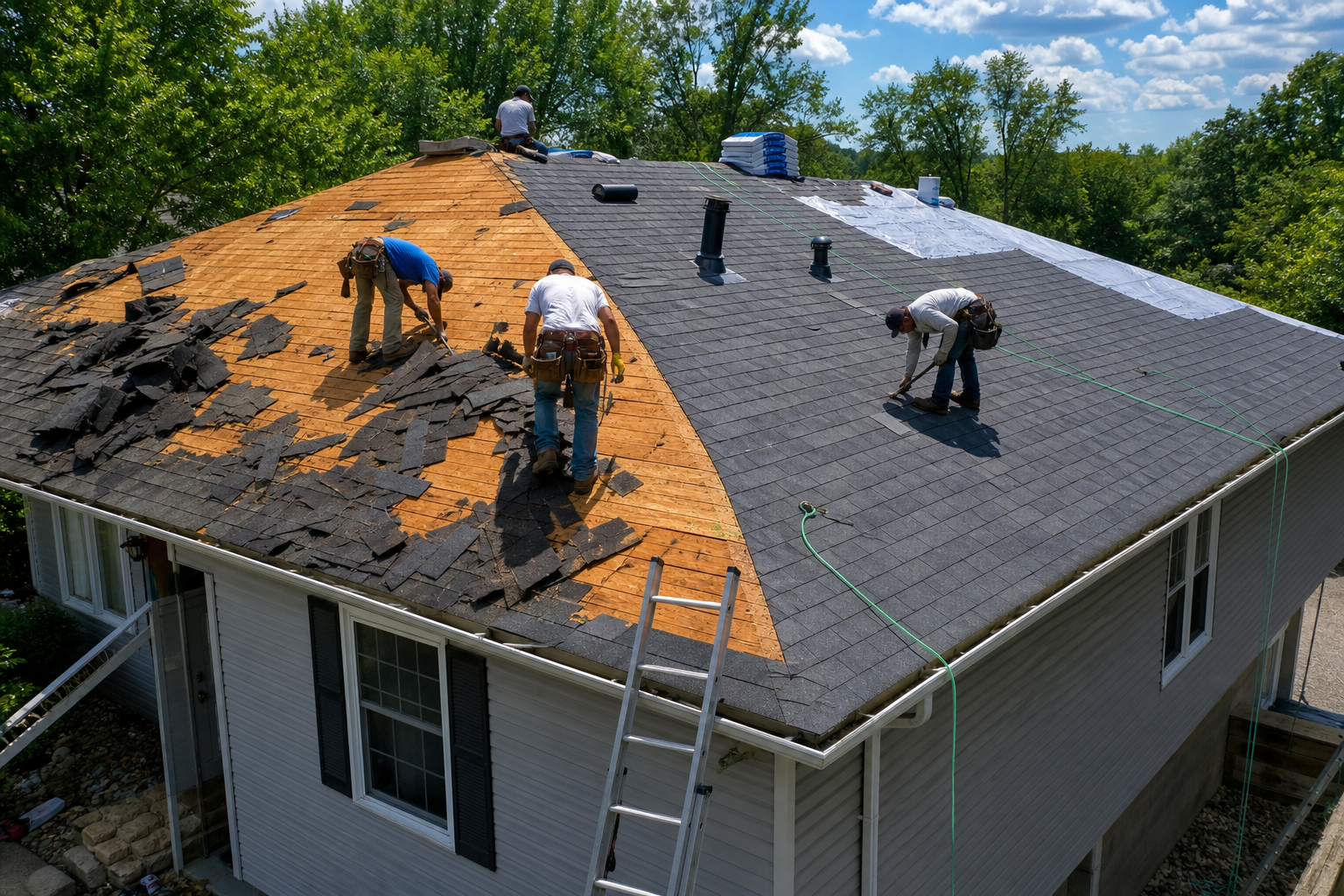
Most older roofs should be removed when there are signs of deck damage, widespread shingle failure, or an existing second layer. According to the 2024 International Residential Code, Section R908, new roof coverings cannot be installed without first removing existing layers when there are already two or more applications of any type of roof covering, when the existing covering is water-soaked or deteriorated enough that it is not adequate as a base, or when the existing roof has wood shake, slate, clay, cement, or asbestos-cement tile.
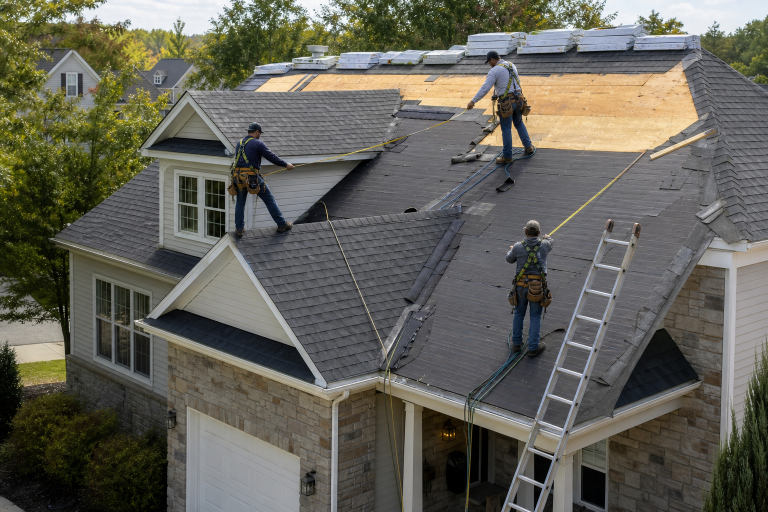
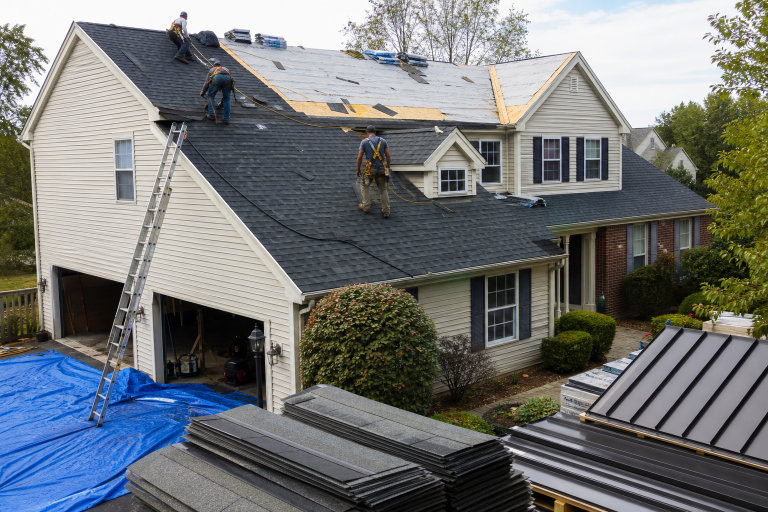
A full tear-off gives the contractor a chance to inspect the roof deck. The National Roofing Contractors Association, in its homeowner guidance on reroofing, explains that removing the old roof allows damaged decking and flashing issues to be identified before new materials go on.
In practice, tear-off is usually the better call when the roofline already looks wavy, when leaks have shown up in more than one area, or when you want the best chance of receiving the full manufacturer warranty for the new roof system.
When can a new roof be layered over old shingles?
A second layer may be possible when there is only one existing layer, the roof deck is sound, and local code permits it. The Asphalt Roofing Manufacturers Association states that reroofing over old shingles may be allowed in some cases, but it depends on code compliance and the condition of the existing roof.
A layover generally works best on a roof that is flat and stable enough to provide a smooth base, with no evidence of trapped moisture, sagging, or widespread flashing failure. The underlying shingles also need to be attached firmly enough that the new shingles can be installed correctly.
Even then, you still need to check the installation instructions for the specific shingle being quoted. GAF, CertainTeed, and Owens Corning each publish application instructions and warranty documents that tie coverage to proper deck and substrate conditions. Those documents do not treat every existing roof as an acceptable base.
Why do codes and manufacturer rules matter so much?
They matter because a roof can be installed in a way that looks finished but still fails code or warranty conditions. The 2024 IRC sets the basic legal framework in many jurisdictions, but your city or county may use an earlier edition or local amendment, so permit requirements and reroof limits should be confirmed before signing a contract.
Manufacturer instructions matter because asphalt shingles are code-compliant only when installed according to the manufacturer’s published instructions and the applicable building code. The International Building Code works on that premise, and manufacturers write their warranties around it.
If a contractor says an overlay is fine, ask two direct questions. First, is it allowed by the local code in your jurisdiction? Second, does the exact shingle manufacturer being proposed allow this application while preserving the stated warranty level? Clear written answers help you avoid a common problem: a low initial quote that leaves out deck repairs, flashing replacement details, or warranty limitations until the job is underway.
What problems can an overlay hide?
Layering shingles over an old roof can conceal damage that would be visible during a tear-off, especially around decking, flashing, and moisture-damaged areas. FEMA notes, in its residential roof guidance, that roof system performance depends on the condition of the underlying structure and connections, not just the outer covering, which is one reason concealed deterioration matters.
The most common hidden issues are simple but expensive:
- Soft or rotted roof decking near past leaks
- Damaged flashing around chimneys, walls, skylights, and valleys
- Uneven substrate that telegraphs through new shingles
- Ventilation or moisture problems that were never corrected
- Nail attachment problems caused by extra thickness
How do weight, lifespan, and appearance factor into the decision?
Extra roofing material adds load to the structure and can shorten how well the new roof performs over time if the base is uneven. The Asphalt Roofing Manufacturers Association advises homeowners to check whether an existing roof is suitable for reroofing rather than assuming a second layer will perform like a first-layer installation.
Weight is part of that conversation, but it is not the only one. A layered roof can be harder to lay perfectly flat because the new shingles follow the contours underneath. That can leave a finished roof with shadow lines, bumps, or a less uniform appearance. It can also make future leak tracing more difficult because water may travel through multiple layers before showing indoors.
How much can a tear-off cost compared with an overlay?
National pricing varies by roof size, pitch, material, and region, but a full replacement generally costs more upfront because it includes labor and disposal for removing old materials. For a broad benchmark, Remodeling magazine’s 2024 Cost vs. Value Report lists a midrange asphalt shingle roof replacement at $30,680 nationally, while the U.S. Census Bureau’s Producer Price Index data and disposal costs help explain why tear-off work has remained cost-sensitive in recent years.
Ask every bidder to separate these items in writing:
- Tear-off and disposal
- Deck repair pricing, whether per sheet or by time and materials
- Underlayment and ice barrier scope
- Flashing replacement versus reuse
- Ventilation components included
- Manufacturer warranty level and registration requirements
Call for a free estimate:
What should you ask before agreeing to a layer-over roof?
Three written confirmations matter a lot: code allowance, manufacturer approval for the exact product, and the condition of the existing deck and flashing. If a contractor cannot document those points clearly, the quote is incomplete.
What should the contractor verify on site?
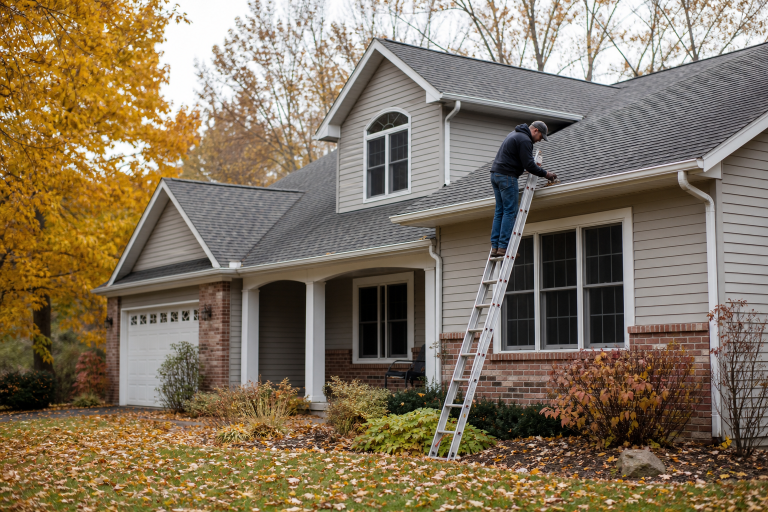
A credible inspection should identify the number of existing layers, visible deck irregularities, past leak areas, and whether flashing is being replaced or left in place. If no one has checked the attic or looked closely at problem areas from below, the recommendation may be based more on price than on roof condition.
What should the contract spell out?
The agreement should state whether the job is an overlay or full tear-off, which shingle product is being installed, what underlayment is included, who pays for discovered deck repairs, and what workmanship warranty the installer provides. If the paperwork only says “new roof,” it is too vague.
For a deeper look at replacement timing and related warning signs, see Roof replacement warning signs: how to know if you need a spot repair or full replacement and Roof warranty terms explained.
What is the practical decision framework for homeowners?
The clearest way to choose is to start with code limits, then verify roof condition, then compare warranties and scope in writing. In that order, the decision usually becomes much less confusing.
If any of these are true, removal is usually the better path:
- There are already two layers on the roof
- The existing shingles are badly curled, brittle, or uneven
- Leaks have occurred in multiple areas
- Deck damage or soft spots are suspected
- The quote is vague about flashing, deck repairs, or warranty terms
- You want the cleanest finished appearance
If all of these are true, an overlay may still be worth considering:
- There is only one existing layer
- Local code allows reroofing over that layer
- The deck appears sound and the roof surface is flat enough
- The exact shingle manufacturer permits the application
- The contract explains what happens if hidden damage is found
If you are also comparing roofing types, Roofing materials compared: smart answers on cost, lifespan and warranty can help frame the material side of the decision, and Roof replacement timeline: smart answers on how long a new roof takes explains what the project typically involves.
FAQ
Can you put a new roof over old shingles?
Sometimes, a second layer may be allowed when there is only one existing layer, the roof is in suitable condition, and local code plus the shingle manufacturer both allow that application.
Is it better to tear off old shingles before replacing a roof?
In many cases, full removal is the better choice because it exposes deck damage, allows cleaner installation, and avoids the limits that come with reroofing over an older surface.
How many layers of shingles are allowed on a house?
Under the 2024 International Residential Code, a new roof covering cannot be installed over two or more existing applications of roof covering, although local jurisdictions may use different code editions or amendments.
Does an overlay void a roof warranty?
It can reduce or affect warranty coverage if the exact manufacturer’s installation instructions and substrate requirements are not met, so the proposed product documentation should be checked before work begins.
Will a layered roof make future replacement more expensive?
Yes, removing two layers later usually increases labor and disposal costs compared with tearing off a single layer.
If you want help sorting through quotes or deciding whether your roof is a true overlay candidate, Abodence can help you compare the scope and the fine print before you move forward. Please call a listed specialist for a free, no-obligation discussion.
Sources: National Roofing Contractors Association, Asphalt Roofing Manufacturers Association, GAF Residential Roofing Shingle and Accessory Limited Warranty, CertainTeed Shingle Applicator’s Manual, Owens Corning Asphalt Roofing Installation Instructions, Remodeling 2024 Cost vs. Value Report