Termite Control vs Prevention: What Homeowners Need to Know
Termite control deals with an active termite problem, while prevention is meant to reduce the chance of termites getting established in the first place. That distinction matters when you are deciding whether you need treatment now, ongoing protection later, or both.
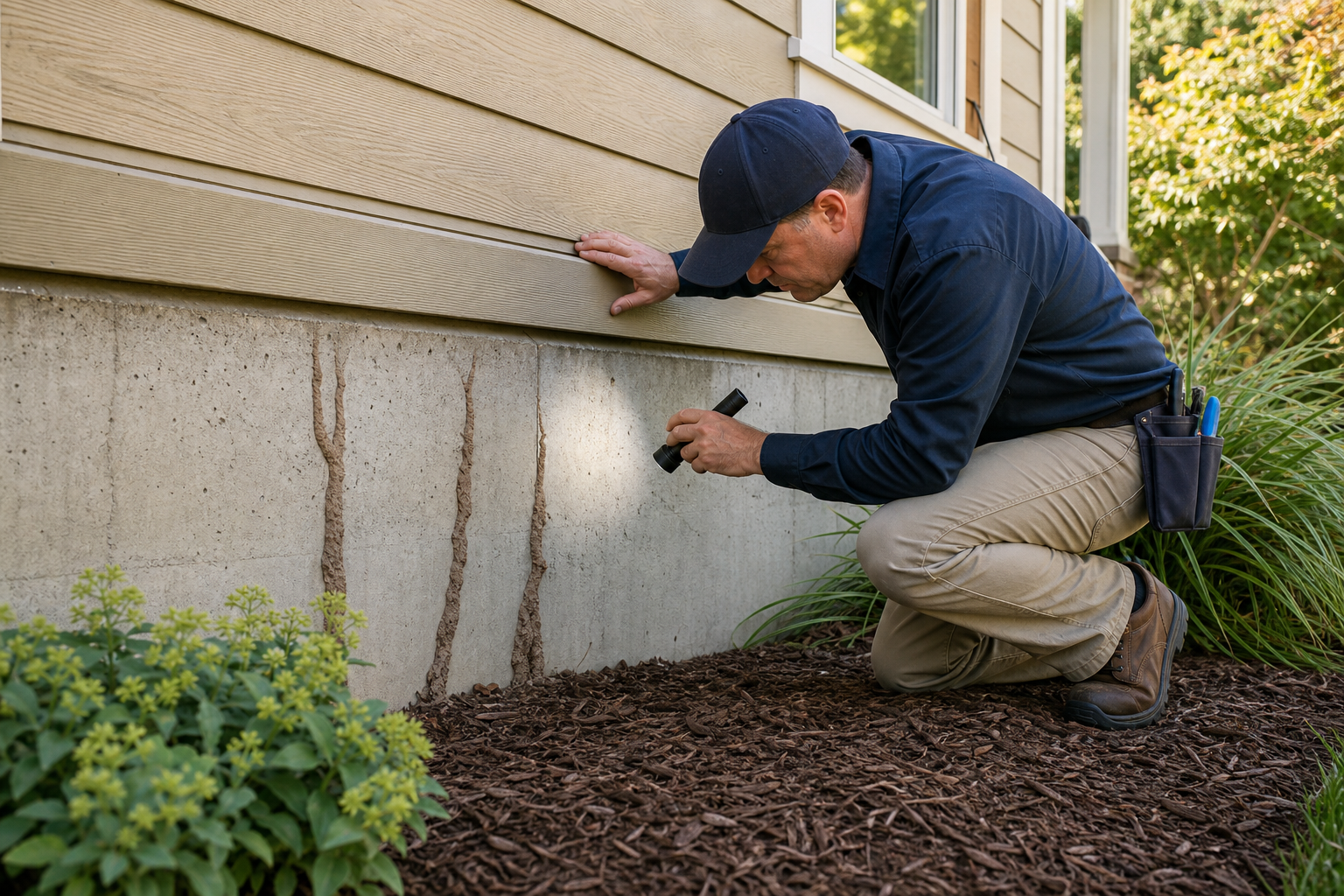
Homeowners often use the terms interchangeably. Pest professionals usually do not. In practice, control is the response to evidence such as live termites, damaged wood, mud tubes, or a confirmed colony on the property. Prevention is the set of measures used to make the structure less attractive to termites and to create a barrier or monitoring plan before damage is found.
According to the U.S. Environmental Protection Agency, termites can be managed with bait systems or liquid termiticides, and reducing wood-to-soil contact and excess moisture is part of prevention. The same EPA guidance also advises hiring a pest management professional for treatment decisions.
If you are also comparing lower-impact treatment approaches, Abodence covers the broader tradeoffs in eco-friendly pest control. If treatment is being planned around children or pets, the practical questions to ask are covered in pest control safety.
What is termite control?
An active infestation response is what professionals mean by termite control. The purpose is to eliminate or suppress termites that are already feeding in or around the structure.
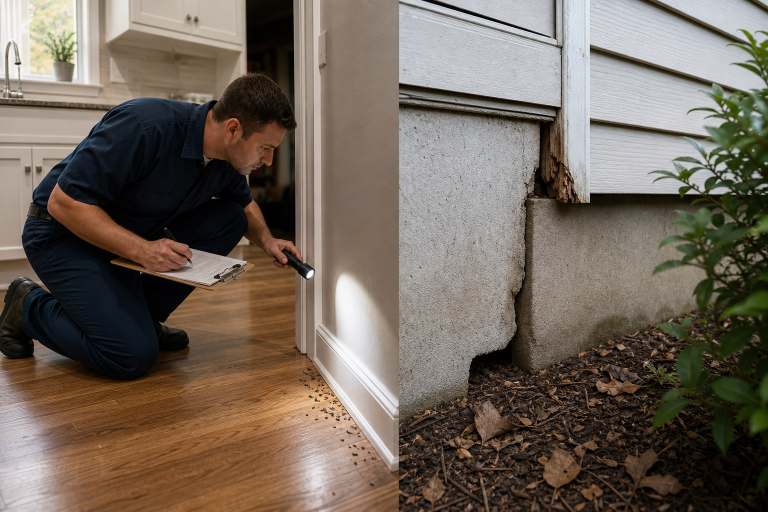
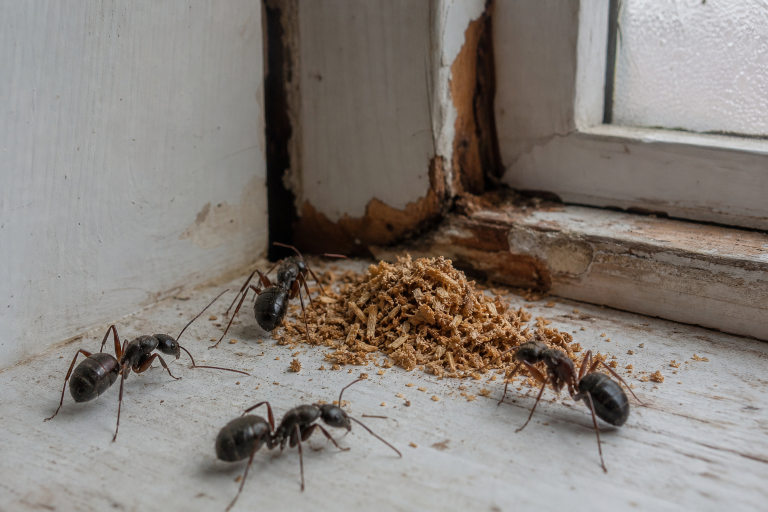
Control usually starts after an inspection finds evidence. The National Pest Management Association has explained that visible signs can include mud tubes, swarming termites, discarded wings, and damaged wood. A control plan is then selected based on the species involved, where activity is found, and how the home is built.
In most cases, termite control falls into a few broad categories:
- Liquid termiticide treatment in soil around the structure
- Bait stations placed and monitored around the property
- Localized treatment in specific areas where activity is found
- Wood treatment in limited situations, depending on the product label and access
According to the University of California Statewide Integrated Pest Management Program subterranean termite management commonly relies on soil treatments and baiting systems, while drywood termite management may involve localized or whole-structure approaches depending on the extent of infestation. That is one reason a proper inspection matters before anyone talks about a one-size-fits-all solution.
What is termite prevention?
Long-term risk reduction is what termite prevention is meant to do. The goal is to make infestation less likely, easier to detect, or less severe if it starts. Prevention can include both physical conditions around the home and professional service options. The EPA recommends reducing moisture problems, keeping firewood away from the house, and avoiding direct wood contact with soil. The International Code Council, in the International Residential Code provisions adopted in many jurisdictions, also addresses termite protection methods in areas where termite damage is known to be heavy to very heavy, including approved preservative-treated wood or other protective measures where required by local code.
In plain terms, prevention often includes:
- Correcting drainage or moisture conditions that keep soil damp near the foundation
- Keeping mulch, wood debris, and stored lumber from building up against the house
- Maintaining clearance between siding or structural wood and soil
- Scheduling regular termite inspections
- Installing and monitoring bait stations, if that is the chosen preventive approach
Prevention does not guarantee that termites will never appear. It lowers risk and improves the chances of finding activity before damage becomes extensive.
How are termite control and prevention different in real life?
The practical difference is that one responds to a present problem and the other manages future risk. If termites are already active, prevention alone is not enough.
That is where homeowners can get tripped up by vague sales language. A quote may describe a service as “protection” even when it is really treatment for active infestation, or it may present an annual monitoring plan as if it replaces corrective work that still needs to be done. The useful question is simple: is the company addressing confirmed termite activity, or is it trying to keep activity from starting?
A straightforward way to separate the two is this:
- Control: used after evidence is found
- Prevention: used before evidence is found, or after treatment to reduce the chance of reinfestation
- Combined approach: common when a home has been treated and the owner wants ongoing monitoring or bait service
Some homes need both. If a colony has already been found, the active issue has to be addressed first. After that, preventive steps can help reduce the odds of another problem.
When do you need termite control instead of prevention?
Visible evidence of termite activity means a treatment-focused strategy is appropriate. Prevention measures by themselves do not remove an established colony.
According to the EPA, homeowners should look for signs such as mud tubes, hollow-sounding wood, and swarms or discarded wings. The University of Kentucky Entomology extension guidance on termites also notes that subterranean termites commonly travel through shelter tubes and may remain hidden until damage is advanced.
You are generally in the control category if an inspection finds any of the following:
- Live termites in wood, soil, or bait stations
- Fresh mud tubes on foundation walls, piers, or crawlspace surfaces
- New swarm evidence inside the home
- Wood damage that a professional confirms is consistent with active termites
That does not automatically mean the biggest or most expensive treatment is necessary. A limited, well-documented problem may call for a narrower scope than a whole-property plan. The right choice depends on the inspection findings, the termite species, and whether activity appears isolated or widespread.
When is termite prevention the smarter move?
Preventive service makes the most sense when no active infestation has been confirmed but the property has meaningful risk factors. In that situation, regular inspections and correcting conditions around the home may be enough, with or without a professional prevention plan.
Homes can be better candidates for prevention when they have a history of nearby termite activity, wood elements close to grade, chronic drainage issues, crawlspace moisture, or landscaping that keeps the foundation area damp and concealed. The EPA and extension guidance from land-grant universities consistently point to moisture control and reduced wood-to-soil contact as core preventive steps.
For some owners, the simpler answer is to start with an inspection and moisture corrections rather than signing up immediately for recurring chemical service. If no activity is found, that lower-cost step may be the right one.
What treatment methods are used for termite control?
Most professional control plans rely on either liquid soil treatment, baiting systems, or a combination chosen for the site conditions. The product label, construction type, and termite species all shape what can be used.
Liquid termiticides
A treated zone in the soil is designed to intercept termites traveling between the colony and the structure. The EPA states that liquid termiticides are one of the standard methods used by professionals for termite management.
This option is often used for subterranean termites. Access around slabs, porches, garages, additions, and foundation details can affect how complete the treatment can be.
Bait systems
Stations placed in the ground are monitored for termite feeding and used to deliver a bait that affects the colony over time. The EPA identifies bait systems as another standard control method.
Baiting can also function as an ongoing monitoring tool after the initial issue is addressed. That makes it one of the few approaches that can overlap with prevention.
Localized or structural treatments
Targeted applications may be used when activity is confined and the structure allows access. The University of California IPM guidance notes that drywood termite infestations may call for localized treatment or broader structural treatment depending on how extensive the problem is.
The key point is that treatment method should follow inspection findings, not the other way around.
What does termite prevention usually involve?
Most prevention plans combine housekeeping around the structure, moisture management, and periodic inspection. Some also include installed bait stations or other professional monitoring systems.
According to the EPA, preventive steps include fixing leaks, diverting water away from the foundation, storing firewood away from the home, and keeping vents clear. Those are basic measures, but they address the conditions termites use to stay hidden and reach wood.
Professional prevention may also involve annual or scheduled inspections. The National Pest Management Association advises regular inspections because termites often work out of sight. A monitoring plan does not replace good drainage or clearance details around the house, but it can improve early detection.
How much do termite control and prevention cost?
Annual termite prevention service often runs lower than active treatment, while full termite control can cost substantially more depending on the method and scope. Based on 2026 marketplace figures from Angi, termite treatment commonly ranges from about $250 to $1,000 for simpler cases, with severe or specialized situations running higher, while ongoing monitoring or prevention plans are often priced as recurring annual service rather than a one-time job.
Those numbers are useful only as a starting point. Cost varies most by termite species, home size, foundation design, regional labor rates, and whether the quote includes follow-up inspections or a renewable service agreement.
Ask each company to separate the proposal into clear parts:
- Inspection fee, if any
- Initial treatment scope
- Monitoring or follow-up visits
- Renewal terms for any warranty or service agreement
- Repair work, if excluded from the pest contract
FAQ
Does termite prevention get rid of termites?
Preventive service is not meant to eliminate an established infestation on its own. Once active termites are confirmed, a treatment plan is usually needed before monitoring or prevention becomes the main focus.
Is termite control a one-time service?
Some treatments are performed as a single corrective job, but many plans include follow-up inspections, bait monitoring, or renewable coverage terms. The service agreement should spell out exactly what happens after the initial treatment.
Can you have termite damage without seeing live termites?
Hidden damage is possible because termites often stay inside wood or travel through concealed areas. That is why inspection findings often rely on mud tubes, swarm evidence, and damage patterns rather than only on visible live insects.
Are bait stations control or prevention?
Bait stations can serve either purpose depending on when they are used. They may be part of active termite control when termites are feeding, or part of prevention and monitoring when no infestation has been confirmed.
Should you get prevention if your home has already been treated?
Ongoing monitoring can make sense after treatment, especially if the property has persistent risk factors or a service agreement that requires renewal. The better choice depends on the original infestation, the treatment method used, and whether conditions around the home have been corrected.
If you are sorting through termite quotes or trying to tell whether you need treatment or just prevention, Abodence can help you compare the options more clearly before you decide. For a free, no-obligation discussion please call a listed specialist.
Sources: National Pest Management Association, University of California Statewide Integrated Pest Management Program, International Code Council, University of Kentucky Entomology, Angi