Metal Roof Pros and Cons: The Smart Homeowner Guide to a Durable Upgrade
Focus Keyword: metal roof pros and cons

Call for a free estimate:
The pros and cons of a metal roof are worth weighing carefully before you approve a replacement quote, because a metal roof can be an excellent long-term choice for some homes and the wrong upgrade for others. The right answer depends on roof shape, local weather, noise expectations, trim details, installer skill, and how long you plan to stay in the house.
For many homeowners, the biggest appeal is service life. According to the National Park Service Preservation Brief 4, metal roofing has long been used because it is durable, lightweight, and can be appropriate on many building types when detailed correctly. At the same time, a longer-lasting material does not excuse poor flashing, bad underlayment choices, or vague warranty language.
Cost matters too. Based on 2024 national averages from Remodeling magazine’s Cost vs. Value Report, an upscale metal roofing project is typically far more expensive than an asphalt shingle replacement, with published project costs often landing in the tens of thousands of dollars depending on home size and scope.
If you are deciding between materials, Abodence also has a detailed comparison of roofing materials compared and a separate guide to roof warranty terms.
What makes a metal roof different from other roofing materials?
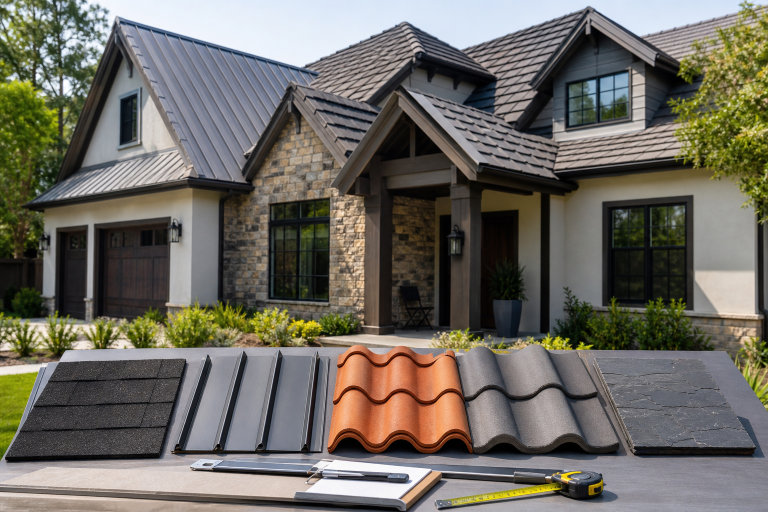
A metal roof is a water-shedding roof covering made from panels or shingles of steel, aluminum, copper, zinc, or similar metals, installed with manufacturer-specific fastening and flashing details. In residential work, the most common products are steel panels with protective coatings, either exposed-fastener panels or concealed-fastener standing seam systems.
According to the U.S. Department of Energy, some metal roofs can qualify as cooling roofs when they use reflective coatings or finishes that reduce solar heat gain. That can matter in hot climates or on homes with high attic heat buildup. It does not mean every metal roof will deliver the same energy result, because color, coating, ventilation, insulation, and roof assembly all affect performance.
A low-cost agricultural-style exposed-fastener panel is not the same product as a residential standing seam roof with a concealed clip system, formed trim, and high-end underlayment. If two bids both say “metal roof” but do not specify panel profile, gauge, coating, underlayment, and flashing scope, they are not directly comparable.
What are common metal roof pros and cons for homeowners?
The clearest advantage is longevity, while the clearest drawback is higher upfront cost. Everything else sits in the middle and depends on product type and installation quality.
Pros that often justify the price
- Long service life: The Metal Roofing Alliance states that metal roofs are known for long-term durability, and many manufacturer warranty documents reflect that expectation through long finish and weather-tightness coverage structures.
- Lower weight than many tile or slate systems: The National Park Service notes metal is comparatively lightweight, which can make it suitable where heavier roofing would require different structural considerations.
- Potential energy benefits: The U.S. Department of Energy says reflective metal roofing products can reduce heat gain when designed as cool roofs.
- Fire classification potential: According to the International Code Council, roof assemblies can be classified for fire resistance when tested and installed as required by code and listing. Many metal roof assemblies can meet Class A requirements, but the assembly, not just the panel, matters.
- Clean snow-shedding surface: Smooth metal surfaces can shed snow and water effectively when the roof is designed with the right slope, trim, and snow retention where needed.
Cons that deserve equal attention
- Higher project cost: Remodeling magazine’s 2024 Cost vs. Value Report shows metal roof replacement costs well above standard asphalt shingle replacement on a national basis.
- Installer skill matters more than many buyers realize: The Metal Construction Association publishes technical guidance showing how panel movement, fastening, trim, and flashing details affect performance.
- Noise concerns vary by assembly: Sound depends on deck type, underlayment, insulation, and attic design. A bare panel concept is not the same as a residential roof over solid sheathing.
- Denting can be a real issue in some products and climates: Hail resistance depends on the specific tested assembly and panel characteristics, not on the word “metal” alone.
- Repairs and additions can be less simple later: Matching panel profile, color, and trim after years of weathering can be harder than patching common shingles.
How long does a metal roof usually last?
Several decades is a reasonable expectation for many residential metal systems, but the actual lifespan depends on the metal type, coating system, environment, and installation details. The NPS describes metal as a durable roofing material, while manufacturer finish warranties commonly span decades for painted steel and aluminum products.
That does not mean the whole roof will remain trouble-free for the same length of time as the warranty implies. Sealants, fasteners, penetrations, pipe boots, and flashing transitions can need service earlier than the field panels. A homeowner comparing quotes should separate three ideas that often get blurred together: panel life, finish warranty, and weather-tightness coverage.
Coastal exposure, salt air, heavy tree debris, and dissimilar-metal contact can shorten service life if the product choice is wrong for the setting. Manufacturer technical literature usually spells out where a coating or substrate is appropriate, and that detail belongs in the quote before work starts.
How much more does a metal roof cost than shingles?
National 2024 remodeling data shows metal roof replacement usually costs substantially more than asphalt shingles, often by many thousands of dollars on the same home. Remodeling magazine’s 2024 Cost vs. Value Report lists an upscale metal roofing replacement at a much higher national average cost than an asphalt shingle roof replacement, though local labor rates and roof complexity can move your actual number up or down.
A true residential metal roof quote may include custom trim, specialty flashings, clips or fasteners, upgraded underlayment, accessory metals, and more labor at valleys, chimneys, skylights, and wall transitions. A simple ranch with few penetrations is one thing. A cut-up roof with dormers and multiple transitions is another.
If a metal bid comes in surprisingly close to a shingle bid, review the scope carefully. The lower number may reflect exposed-fastener panels, fewer trim replacements, or exclusions for rotten decking, skylight work, or chimney flashing.
Are metal roofs noisy when it rains?
Most residential metal roofs installed over solid roof decking with proper underlayment are not dramatically louder than other roofing systems in normal rain. The Metal Construction Association’s residential technical guidance explains that roof assembly design affects sound performance, which is why installation method matters more than the material label alone.
Noise complaints are more likely when people picture metal installed over open framing, like a barn or shed, rather than over a typical house roof deck. Panel shape, attic insulation, and ceiling construction also influence what you hear indoors.
If sound is a concern, ask each bidder to specify the deck condition, underlayment type, and panel attachment system in writing. That gives you a real basis for comparison instead of a sales promise.
Call for a free estimate:
Do metal roofs leak more easily than shingles?
A properly detailed metal roof should not be more leak-prone than shingles, but poor flashing and bad panel detailing can create expensive failures. Per the International Residential Code, roof coverings must be installed in accordance with the code and the manufacturer’s installation instructions, which is especially important at penetrations, sidewalls, endwalls, valleys, and low-slope transitions.
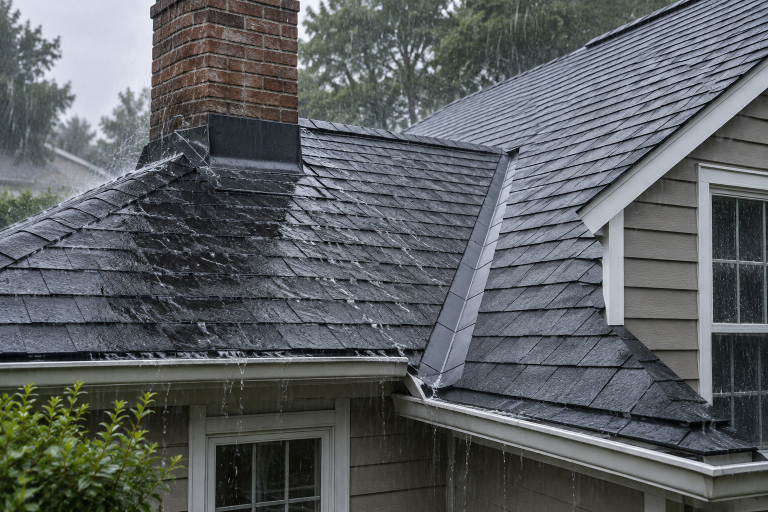
The weak points are usually not the broad field panels. Trouble more often starts at skylights, chimneys, vent penetrations, missing closures, incorrect fastener placement, or trim pieces that do not allow for water control and thermal movement.
If you are trying to decide whether your current roof needs repair or full replacement, this related guide on roof replacement warning signs can help frame that decision.
What should you ask before choosing a metal roof system?
The most useful questions focus on exact product specifications, flashing scope, and warranty terms, because vague estimates are where expensive misunderstandings usually start.
- What exact panel profile is being quoted: exposed-fastener or standing seam?
- What metal and thickness is included, such as steel gauge or aluminum specification?
- What coating or paint system is listed in the manufacturer literature?
- Which underlayment will be installed, and where?
- How will chimneys, skylights, valleys, wall transitions, and pipe penetrations be flashed?
- Are trim pieces factory-made or field-fabricated?
- What happens if damaged decking is found after tear-off?
- Is snow retention recommended for this roof design and climate?
- What warranty applies to the finish, substrate, and weather-tightness, and what conditions can limit coverage?
- Who is responsible for documenting installation to preserve warranty eligibility?
When is a metal roof a smart choice, and when is it not?
A metal roof makes the most sense when you plan to stay in the home long enough to value the longer service life, and when the installer can show a clear, detailed scope for your roof shape and climate. It can also make sense where wildfire concerns, snow shedding, low maintenance priorities, or architectural style support the choice.
It may not be the best use of money if you expect to move soon, if the home needs major non-roof repairs first, or if your budget only allows a stripped-down metal scope that cuts corners on trim and flashing. In that situation, a well-installed architectural shingle roof from a reputable contractor may be the better decision.
What are common mistakes homeowners make with metal roof quotes?
The costliest errors usually happen before installation starts: comparing unlike products, assuming all warranties mean the same thing, and accepting a quote that leaves critical trim work vague.
Comparing a label instead of a system
Two estimates can both say “metal roof” while describing very different assemblies. One may include concealed fasteners, high-temp underlayment, and full flashing replacement. Another may not.
Assuming warranty length equals roof life
A 40-year or 50-year finish warranty does not automatically mean every roof component is covered for that period. Manufacturer documents often separate finish coverage from substrate performance and from weathertightness terms.
Overlooking movement and detailing
Metal expands and contracts with temperature change. The Metal Construction Association’s technical material explains why attachment method and trim detailing must allow for that movement.
Focusing only on panel price
Many leak complaints trace back to accessories and transitions, not the panel itself. If a quote is light on flashing details, the low price may not hold up after the first hard storm.
FAQ
Is a metal roof worth the extra money?
For homeowners planning to stay put for years, the longer service life and durability can justify the higher upfront cost. The value is weaker if you may move soon or if the quote cuts corners on flashing and trim.
Can a metal roof be installed over shingles?
Sometimes that is allowed, but local code, roof condition, manufacturer instructions, and moisture-control details all have to line up first. The International Residential Code and the specific product instructions govern whether an overlay is acceptable.
Do metal roofs attract lightning?
Metal roofing is not installed because it attracts lightning, and roofing material alone does not determine strike likelihood. The Metal Construction Association states that metal roofs do not increase the chance of a lightning strike.
Will a metal roof hurt resale value?
A well-installed metal roof can be a selling point, especially where buyers value durability and appearance. Resale benefit still depends on neighborhood expectations, home style, and whether the installation looks appropriate for the house.
What color metal roof is most energy efficient?
Lighter, more reflective finishes generally perform better at reducing solar heat gain. The U.S. Department of Energy says cool-roof performance depends on solar reflectance and thermal emittance, not just the base material.
If you are sorting through bids and want help making sense of the scope, warranty language, or whether metal is the right fit for your home, Abodence can help you request a quote based on your specific roof and priorities. Please call a listed specialist for a free, no-obligation discussion.
Sources: Remodeling magazine Cost vs. Value Report 2024, Metal Roofing Alliance, Metal Construction Association