Break-In Lock Rekeying: Critical Home Security Steps After a Forced Entry
Break-in lock rekeying is often the fastest way to regain control of who can enter your home after a forced entry, but it is not always the right fix for every door. If a lock is intact and you no longer trust who may have a working key, rekeying is usually the practical first move. If the hardware was damaged during entry, replacement is often the safer choice.
After a break-in, the priority is securing the property, preserving any police evidence, and closing off easy access points. The Cybersecurity and Infrastructure Security Agency advises homeowners to secure doors and windows and improve physical security after a burglary or attempted burglary. If the scene is still active or law enforcement has not cleared it, wait for that clearance before changing anything that could affect an investigation.
For the immediate response steps before a locksmith visit, Abodence has a related guide on home security after a break-in.
Should you rekey locks after a break-in?
In many cases, rekeying is the right answer when the lock still works properly. A locksmith changes the lock’s internal pin configuration so old keys no longer work, while the existing lock body stays in place. The Associated Locksmiths of America, ALOA, describes rekeying as changing the combination of a lock cylinder so it operates with a new key.
This option makes sense when a key was stolen, copied, or simply cannot be accounted for. It also makes sense when you want all exterior doors to work on one new key without replacing every piece of hardware.
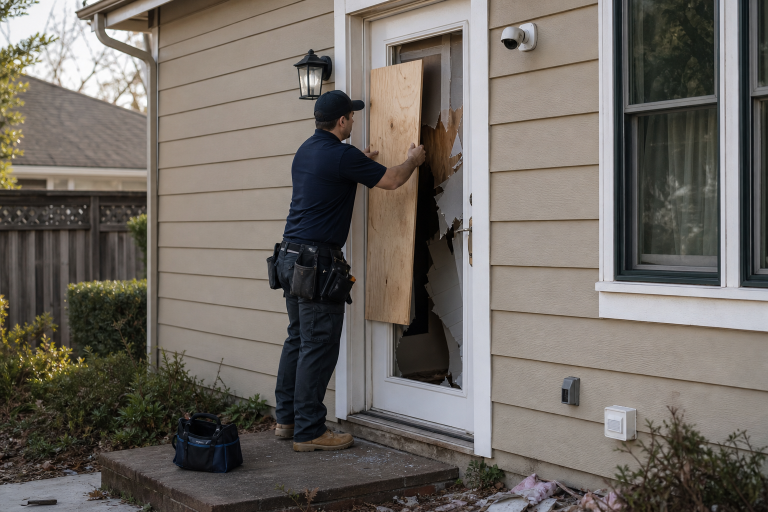
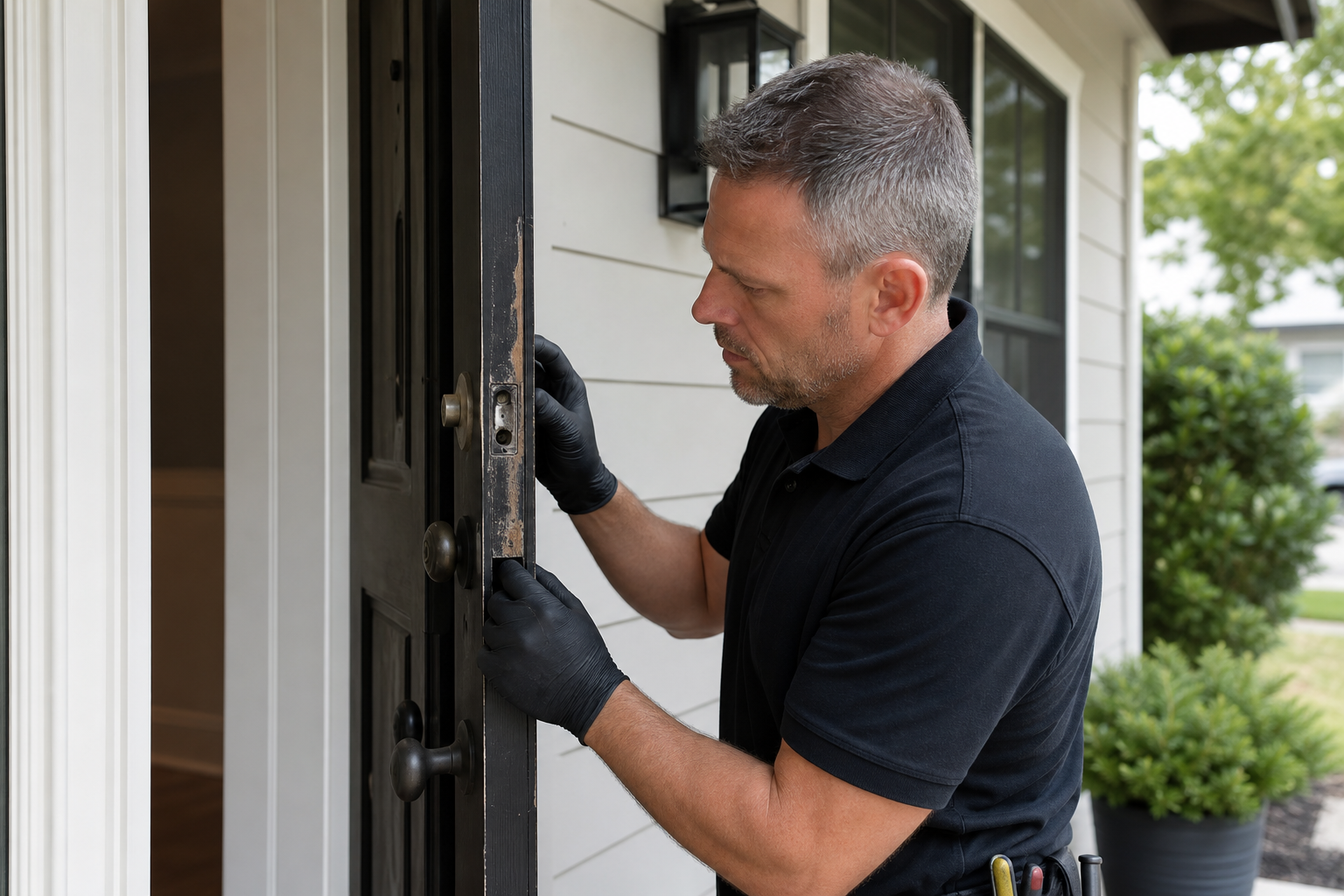
It is not the right answer when the deadbolt, latch, strike area, or door frame was bent, cracked, or otherwise compromised during forced entry. In that situation, the issue is no longer just key access. It is hardware integrity.
When is lock replacement a better option than lock rekeying?
Replacement is the better choice when the hardware or door assembly has been damaged, when the lock is low quality and worth upgrading, or when the existing cylinder cannot be rekeyed economically. According to Schlage’s residential product guidance, deadbolts are graded under ANSI/BHMA standards for security and durability, and hardware quality varies meaningfully by product line.
If the intruder kicked in the door and splintered the jamb, changing only the key pins will not solve the core security problem. A locksmith or qualified door repair professional may recommend a new deadbolt, reinforced strike, longer screws approved by the hardware manufacturer, or repair to the frame before any lock work is considered complete.
Replacement also makes sense when you want to move from a basic keyed knob to a deadbolt-centered setup, or when you want features like key control, pick resistance, or smart access logs that your old hardware does not offer.
Signs rekeying is probably enough
A sound cylinder, smooth key operation, and no visible damage around the latch usually point toward rekeying as a reasonable option. This is common when the break-in happened through another opening, such as a window, but your door keys may still be untrusted.
Signs replacement is the safer call
Binding, looseness, cracked trim, a misaligned deadbolt, or a frame that no longer holds the strike securely usually point toward replacement or door repair. Yale Residential’s hardware support materials note that proper alignment and secure installation are necessary for a lock to perform as intended.
How much does break-in lock rekeying cost?
About $50 to $150 per lock is a common 2026 marketplace range for residential rekeying, while full lock replacement often lands around $100 to $300 or more per door depending on hardware choice and labor, based on 2026 pricing listed by Angi and HomeAdvisor. Emergency or after-hours service can push the total higher, and smart lock hardware can raise replacement costs further.
Those figures are useful for planning, but they are not a substitute for a written quote. Pricing varies most by the number of cylinders, whether all locks can be keyed alike, service-call minimums, and whether the door frame also needs repair.
If you are comparing broader upgrades after the incident, Abodence also covers security camera installation cost.
What should a locksmith check after a break-in?
A good post-break-in visit should cover more than the key cylinder. The Consumer Product Safety Commission recommends solid doors, deadbolt locks, and secure sliding door measures as part of burglary prevention, which means the lock should be evaluated as part of the whole entry point.
The most useful service call usually includes:
- Inspection of the deadbolt, latch, strike plate, and cylinder
- Check for door-frame splitting, loose hinges, and misalignment
- Confirmation that each exterior door closes and latches fully
- Review of whether existing locks can be keyed alike
- Written pricing for rekeying versus replacement
- Clear explanation of any temporary security limits if frame repairs are still pending
Vague recommendations are a problem here. If a quote says only “security upgrade” or “door repair as needed,” ask for the exact hardware, finish, grade, and labor scope in writing.
Can you stay with the same type of lock, or should you upgrade?
Many homes can stay with the same lock format if the existing deadbolt is in good condition and the real issue is lost key control. An upgrade becomes more compelling when the old setup relies on a keyed knob without a proper deadbolt, when the cylinder is worn, or when you want better control over who gets access next.
For many homeowners, the most practical upgrade is not the most expensive one. A solid single-cylinder deadbolt from a reputable line, installed correctly on a sound door and frame, can be a better use of money than jumping straight to premium smart hardware while leaving a damaged jamb unrepaired.
The International Association of Certified Home Inspectors mention that exterior doors should be strong, weather-resistant, and properly installed, with secure hardware as part of the assembly. In other words, lock quality matters, but door condition matters too.
When smart locks make sense after a break-in
Audit trails, temporary codes, and quick credential changes can be useful if multiple people need access after repairs or if you want to avoid spare-key circulation. Smart locks still depend on a sound door, frame, and strike. They are an access-control upgrade, not a substitute for structural repair.
For more on connected entry hardware, see Abodence’s guide to smart video doorbell installation basics.
Which doors should be rekeyed after a break-in?
Every exterior keyed entry should be reviewed, not just the door the intruder used. That usually includes front, back, side, garage entry, and any keyed storm or security doors. If the home has a door from the attached garage into the house, that opening deserves the same attention as the front entry because it is part of the home’s security envelope.
Mailbox locks, shed locks, and side gates may also matter if they hold house keys, alarm paperwork, or access to ladders and tools. A locksmith can tell you whether they can be keyed to match or should remain separate.
One-key convenience can help reduce key clutter, but too much convenience can create risk if many people have copies. If you have had contractors, house sitters, cleaners, or former occupants with access, a fresh key plan is usually worth discussing.
What questions should you ask before approving the work?
Clear questions up front usually prevent the most common problems, especially vague scope and hardware substitutions. A written answer is better than a verbal assurance when you are making security decisions under stress.
- Can the existing locks be rekeyed, or are any cylinders damaged beyond practical repair?
- Will the quote include every exterior keyed door?
- Are the locks being keyed alike, and how many new keys are included?
- What hardware grade or product line is being installed if replacement is needed?
- Does the price include strike-plate work, alignment, or minor frame adjustment?
- What part of the opening still needs a carpenter or door repair specialist?
- Is this temporary securing work, or a finished repair?
- Will you provide the final invoice with hardware details listed?
What mistakes do homeowners make with lock rekeying?
The most common mistake is treating rekeying as a complete fix when the break-in exposed a door or frame problem. A new key pattern does nothing for split wood, loose strikes, or a deadbolt that barely reaches the pocket.
Another mistake is replacing attractive trim pieces while leaving lower-priority doors untouched. Side and garage entries are often less visible from the street, which can make them more important to secure, not less.
Some homeowners also accept a quote that bundles lock work with broad “security upgrades” and no itemization. That can make it hard to compare options or verify what was actually installed.
How fast should you schedule a locksmith after a break-in?
Once law enforcement has cleared the property, same-day service is appropriate if any keyed exterior opening is unsecured or if keys may be in unknown hands. The Office for Victims of Crime advises burglary victims to work with law enforcement and address immediate safety and property-security concerns after the incident.
If the lock still functions and the home can be secured temporarily, you may have enough time to get more than one written quote for non-emergency replacement work. If the door will not lock reliably, if the frame is broken, or if someone who should not have access may still have a key, this is not the moment to delay for arranging a re-keying.
FAQ
Is break-in lock rekeying cheaper than replacing locks?
In most cases, yes, rekeying costs less because the existing hardware stays in place and only the cylinder combination changes. Replacement usually costs more because it adds new hardware and sometimes added fitting or door work.
Can every lock be rekeyed after a break-in?
No, some low-cost or worn locks are poor candidates for rekeying, and damaged cylinders may need full replacement. A locksmith can confirm compatibility and condition during the inspection.
Should you rekey locks if the burglar came through a window?
Often, yes, because the point of entry and the question of key control are separate issues. If keys are missing, copied, or unaccounted for, rekeying can still be the right move even when the door was not forced.
Do you need to replace the deadbolt if the door frame was split?
Not always, but frame damage usually means the opening needs repair before the security job is truly complete. A functioning deadbolt cannot perform properly if the strike area no longer holds securely.
Should all exterior doors be keyed the same after a break-in?
Sometimes, but convenience should be weighed against access control. One key can simplify daily use, while separate keying can make sense for detached structures or doors that fewer people should access.
If you need help deciding between break-in lock rekeying and full replacement, a qualified locksmith can inspect the hardware and give you a written scope based on the actual condition of your doors.
Sources: Associated Locksmiths of America (ALOA), Schlage residential product guidance, Yale Residential hardware support materials, Angi, HomeAdvisor