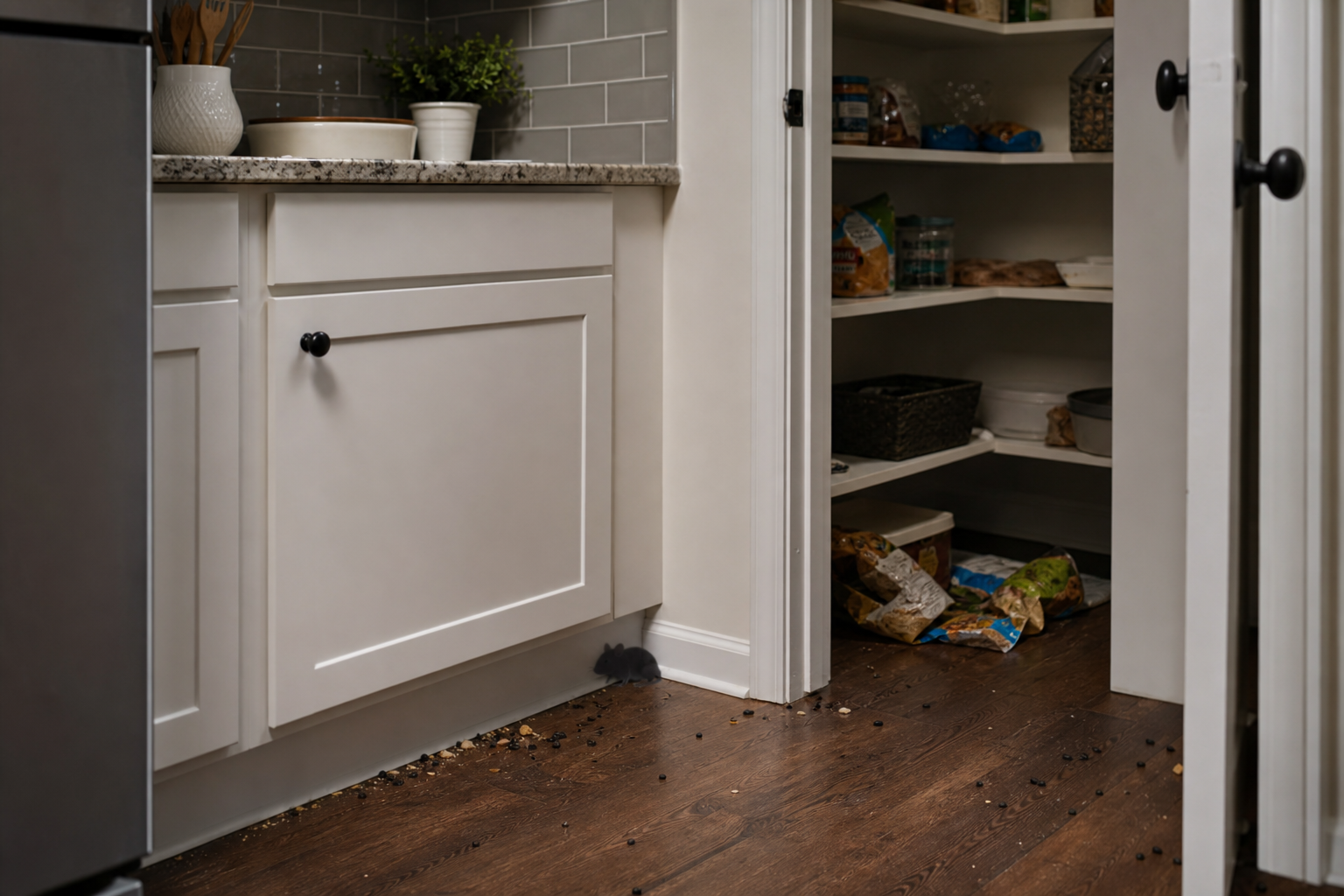
Severe Rodent Infestation Risks: Serious Health and Home Warning Signs
Severe rodent infestations go well beyond nuisance sightings. A heavy mouse or rat problem can contaminate food areas, damage parts of the home, and create conditions that call for prompt professional pest control rather than traps alone.

Call for a free estimate:
If you have reached the point where droppings keep reappearing, scratching is constant, or rodents are active in daylight, the issue is usually bigger than a single entry point. According to the Centers for Disease Control and Prevention, rodents can spread germs directly and indirectly through droppings, urine, saliva, bites, and contaminated food or items. For a homeowner, that makes a severe infestation a household health concern and a sanitation problem at the same time.
The practical question is not whether rodents are unpleasant. It is whether the signs point to a small, contained issue or a widespread infestation that needs a full inspection, exclusion work, and monitoring plan.
What makes a rodent problem severe instead of minor?
Repeated activity across more than one part of the home usually points to an established infestation rather than an isolated rodent.
A minor issue may involve one obvious entry point and limited evidence in a garage, crawl space, or pantry. A severe problem looks different. You may find fresh droppings in several rooms, gnaw marks on stored goods, nesting material in hidden voids, and activity during the day. The National Pest Management Association identifies rats and mice as pests that contaminate food and damage property, and widespread evidence is one reason professionals treat the situation as more than a simple trap-and-remove job.
Frequency matters too. If you clean up signs and they return within a day or two, the population is likely established nearby. If pets keep alerting to walls, cabinets, or attic spaces, there may be multiple nesting areas.
Common signs that suggest the problem has escalated
- Droppings appearing repeatedly after cleanup
- Scratching, squeaking, or movement in walls, ceilings, or attics
- Chewed food packaging, cardboard, insulation, or wiring covers
- Nests made from paper, fabric, dried plant matter, or insulation
- Grease marks or rub marks along baseboards and walls
- Rodent activity during daylight hours
- Strong, persistent odors in enclosed spaces
Why are severe rodent infestation risks taken so seriously?
Heavy rodent activity is treated seriously because it combines contamination, structural damage, and fast population growth in one problem.
According to the U.S. Environmental Protection Agency, rodents can contaminate food and surfaces and can damage property by gnawing on materials in homes. The agency also emphasizes prevention through sealing entry points and removing food, water, and shelter. In a severe infestation, those conditions are already in place, which is why cleanup alone rarely solves the issue.
Property damage is often underestimated. Rodents chew to wear down their teeth, and that behavior can affect drywall, wood, stored belongings, and utility penetrations. The Electrical Safety Foundation International warns that rodents can damage wire insulation, which raises electrical safety concerns for homeowners. That is one of the clearest reasons to move quickly when gnawing signs appear near appliances, attics, or wall cavities.
Population growth is the other reason severe infestations escalate fast. According to the New York City Department of Health and Mental Hygiene, rats and mice reproduce quickly, so a small problem can become much larger if food and shelter remain available. You do not need exact counts to act. Persistent evidence is enough to justify professional help.
Which health-related concerns should homeowners understand?
Rodent activity should be treated as a household health concern because contamination can spread through food storage areas, prep surfaces, and hidden spaces.
The CDC states that rodents can spread germs through droppings, urine, saliva, and contaminated materials. For homeowners, the useful takeaway is simple: avoid treating an active infestation as a basic housekeeping issue. If droppings are present in kitchens, pantries, or near pet food, cleanup should be careful and the infestation itself should be addressed promptly by a qualified pest control professional.
The same caution applies to nesting areas in attics, crawl spaces, and HVAC-adjacent spaces. Disturbed nesting material and accumulated waste can create a messy and risky cleanup environment. If the infestation is extensive, professional remediation may be more appropriate than trying to handle cleanup room by room.
For related indoor environment concerns, Abodence also covers indoor air quality basics for homeowners.
What damage can rats and mice cause inside a house?
Rodents can affect insulation, stored materials, food packaging, and hidden building components long before the full scope is visible.
Mice often move through narrow gaps and wall cavities, while rats may exploit larger openings around foundations, utility lines, garages, and crawl spaces. The result can include shredded insulation for nesting, chewed boxes in storage, and damage to plumbing or wiring. NPMA guidance consistently treats these pests as both contamination and property-damage issues, which is why inspection usually extends beyond the room where you first noticed signs.
Attics and crawl spaces are common trouble spots because they offer darkness, cover, and less day-to-day disturbance. Kitchens, laundry rooms, and utility areas are also frequent hotspots because food residues and water sources are easier to find there.
That is why a quote that only covers bait stations or a few traps may be too narrow when the evidence suggests wider access points or nesting sites. In a severe case, the real work is often exclusion, sanitation guidance, and follow-up monitoring.
How do professionals confirm a severe infestation?
Most pest control companies confirm severity by mapping evidence, locating entry points, and checking hidden areas where rodents nest or travel.
Call for a free estimate:
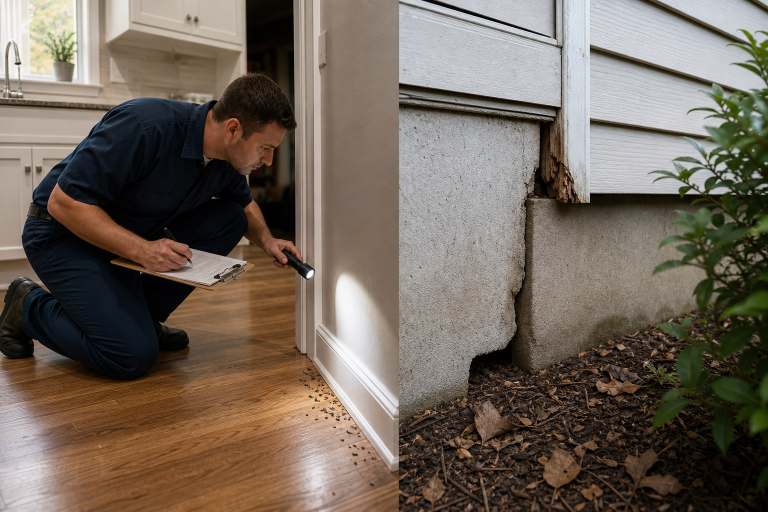
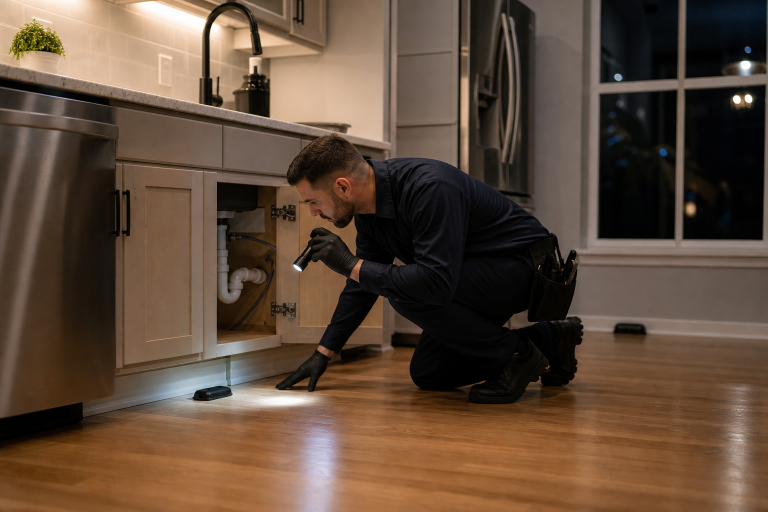
A thorough inspection usually looks at droppings, rub marks, gnawing, food sources, moisture sources, and openings around the building exterior. The EPA’s prevention guidance centers on the same core principle: if rodents can get in and find food, water, and shelter, the problem continues. Professional inspection is valuable because it ties those conditions together into a treatment plan rather than addressing each sighting in isolation.
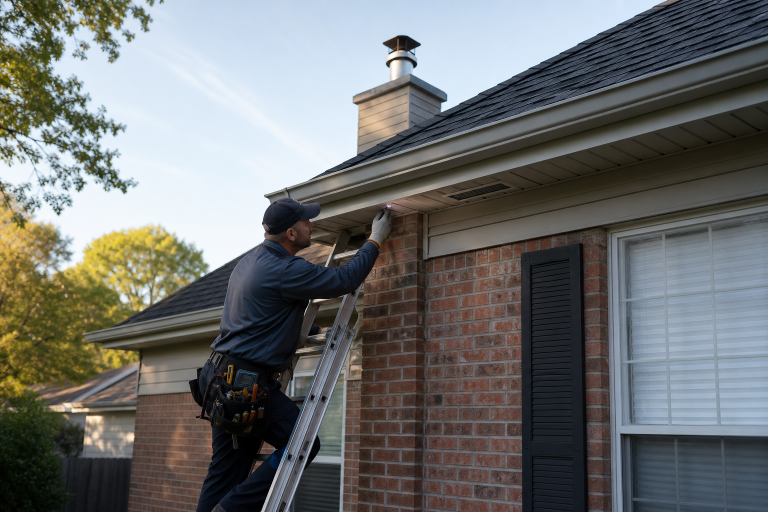
In practical terms, a homeowner should expect the inspection to cover exterior gaps, garage doors, attic access points, crawl-space vents, pipe penetrations, and storage clutter that creates harborages. If a company cannot explain where rodents are getting in, what conditions are supporting them, and how follow-up will work, the scope may be incomplete.
What a solid treatment plan usually includes
- Inspection of interior and exterior activity areas
- Identification of likely entry points
- Recommendations for sealing gaps and openings
- Targeted trapping or baiting strategy based on location
- Sanitation and storage recommendations
- Scheduled follow-up visits to confirm activity is declining
Can you handle a severe rodent infestation yourself?
Large infestations are usually not a good DIY project because the issue is rarely limited to the rodents you can see.
A few traps may catch some mice. That does not correct hidden nesting, multiple entry routes, or contamination in wall voids, attics, and storage areas. EPA guidance emphasizes prevention and exclusion, and those steps become more complex when the infestation is already established. If activity is widespread, professional service is the safer and more reliable path.
If you are comparing service levels and pricing, Abodence has a separate guide to pest control cost for infestation identification and treatment.
How can you choose the right pest control company for a serious rodent issue?
The best approach is to compare written scopes of work, not just the initial price.
A lower quote may be reasonable if the issue is limited and access points are obvious. For a severe infestation, though, a quote should explain inspection findings, treatment method, exclusion recommendations, follow-up schedule, and whether cleanup or insulation-related remediation is included. Vague proposals are a common problem in home services because they make it hard to compare what you are actually buying.
Look for clear language about where traps or bait will be placed, how children and pets are accounted for, what monitoring will happen after the first visit, and what conditions could lead to added charges. If exclusion work is separate, that should be stated plainly.
Questions worth asking before you sign
- What evidence shows this is a minor issue or a severe infestation?
- Which entry points were found, and which are only suspected?
- Is exclusion included, or is treatment limited to trapping and baiting?
- How many follow-up visits are included in the quoted price?
- What preparation, cleanup, or storage changes are expected from the homeowner?
- Are attic, crawl-space, or wall-void issues included in the scope?
What should you do right now if you suspect a severe infestation?
Prompt professional assessment is the right next step when signs are widespread, recurring, or tied to food areas, hidden voids, or electrical concerns.
Until help arrives, keep food sealed, reduce accessible clutter, and avoid treating heavy contamination as a normal cleanup task. The CDC and EPA both frame rodent problems as contamination issues, not just nuisance wildlife. If you have persistent signs in more than one area of the home, it is reasonable to move straight to a licensed pest control company instead of spending more time on piecemeal fixes.
Severe rodent infestation risks are serious because they combine sanitation concerns, hidden property damage, and rapid spread. If that matches what you are seeing, getting a professional inspection and a written treatment scope is the practical next move.
If you need help sorting out what level of service your situation calls for, you can review options through Abodence’s services page and request guidance for your specific home.
FAQ
Is seeing one mouse always a sign of a severe infestation?
No. A single sighting can be isolated, but repeated droppings, noises, gnawing, or activity in multiple rooms usually suggests a larger problem.
Are recurring rodent droppings in the kitchen a reason to call a professional?
Yes. Droppings in food storage or prep areas point to contamination concerns and usually justify professional inspection and treatment.
Do rodents really damage house wiring?
Yes. The Electrical Safety Foundation International warns that rodents can chew wire insulation, which creates electrical safety concerns.
Can traps alone solve a severe rodent problem?
Usually not. Large infestations often involve hidden nesting sites and multiple entry points, so trapping without exclusion and follow-up may leave the main problem in place.
How fast can a rodent problem grow?
It can escalate quickly. The New York City Department of Health and Mental Hygiene notes that rats and mice reproduce quickly when food and shelter are available.
Sources: National Pest Management Association