Impact-Resistant Windows: Strong Options That Matter for Storm Protection
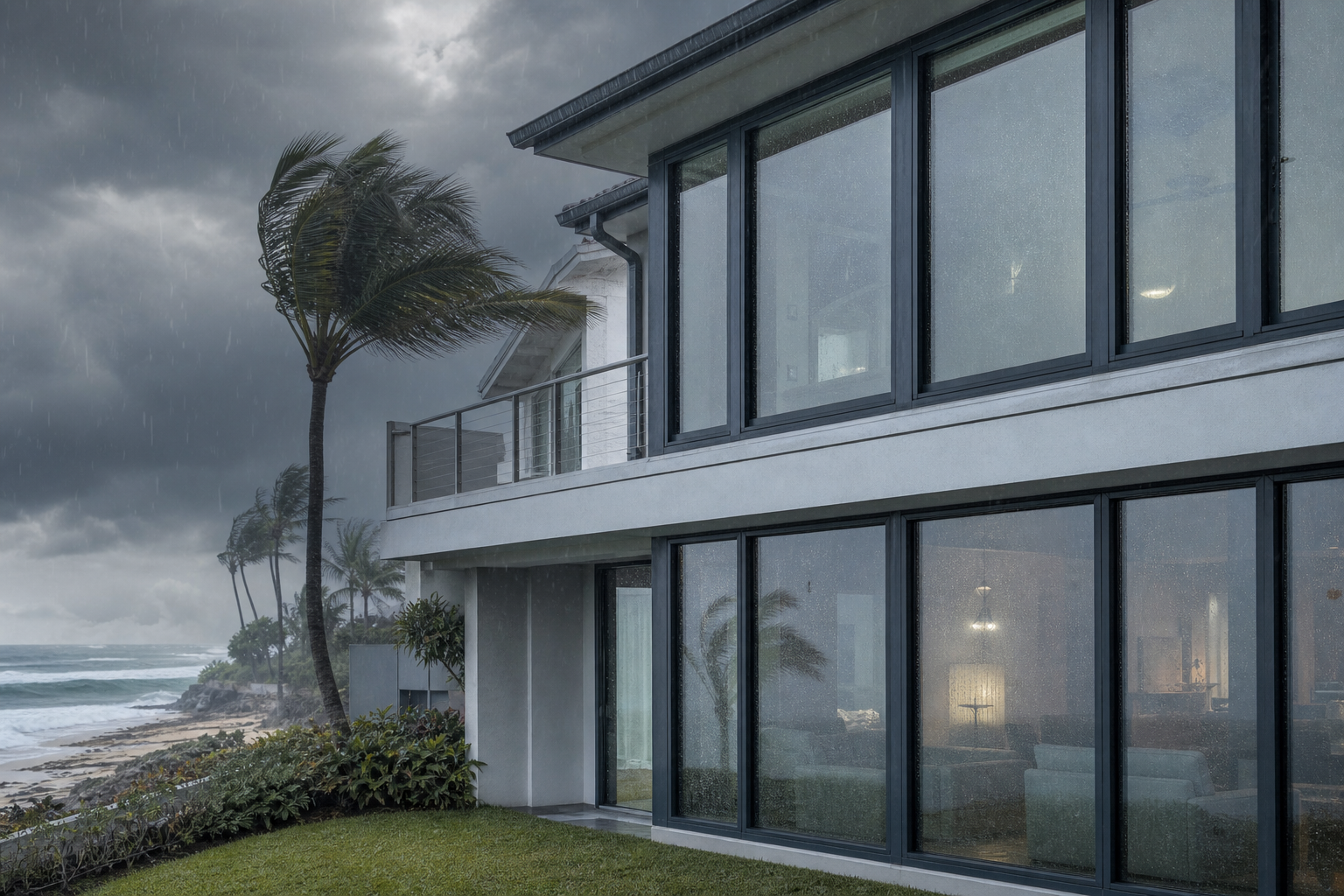
Windows that are impact-resistant are built to stay intact when windborne debris hits the glass, and the details that matter most are the test rating, the frame, the installation method, and the warranty language.

Call for a free estimate:
That is the practical starting point if you are sorting through window quotes in a coastal or storm-prone area. Plenty of products are marketed as “storm windows” or “hurricane windows,” but those labels alone do not tell you whether the unit was tested to the right standard for your location.
According to the U.S. Department of Energy, windows affect both energy performance and comfort, so the right choice is usually a mix of storm protection, thermal performance, and long-term durability rather than a single-feature purchase.
What makes impact-resistant windows different from standard windows?
Laminated glass is the main difference, because it uses multiple layers bonded with an interlayer that helps the glass remain in place after impact.
For impact performance, the whole assembly matters, not just the glass. The frame, sash, glazing method, and anchoring system are all part of how the unit performs in testing. The Fenestration and Glazing Industry Alliance, through FGIA guidance used across the window industry, treats product performance as a system issue rather than a glass-only issue.
In plain terms, a standard insulated window may crack and open under severe debris impact or pressure cycling. An impact-resistant unit is designed to resist penetration and remain attached to the frame so the building envelope is less likely to fail during a storm.
How are impact-resistant windows actually tested?
The most credible answer comes from code and standards, not sales language: compliant products are tested for both large-missile impact and repeated pressure cycling under recognized standards.
The International Code Council identifies impact protection requirements for openings in wind-borne debris regions through the building code framework used by many jurisdictions. In practice, manufacturers commonly show compliance through standards such as ASTM E1886 and ASTM E1996, which cover impact and cyclic pressure testing for exterior windows, curtain walls, doors, and storm shutters.
If a quote says “impact glass” but does not name the tested standard, ask for the product approval, test report reference, or code compliance document. A vague promise is weaker than a document number and verification is vital when deciding between quotes.
What should you look for on the paperwork?
A complete submittal usually identifies the exact product series, size limits, glazing configuration, design pressure rating, and approved installation method.
Those details matter because performance can change by size and configuration. A manufacturer may publish one series with several glazing options, but only specific combinations may carry the impact approval you need. PGT Innovations product approval documents and Andersen coastal product literature both show this kind of model-specific limitation.
Which impact-resistant window options are worth comparing first?
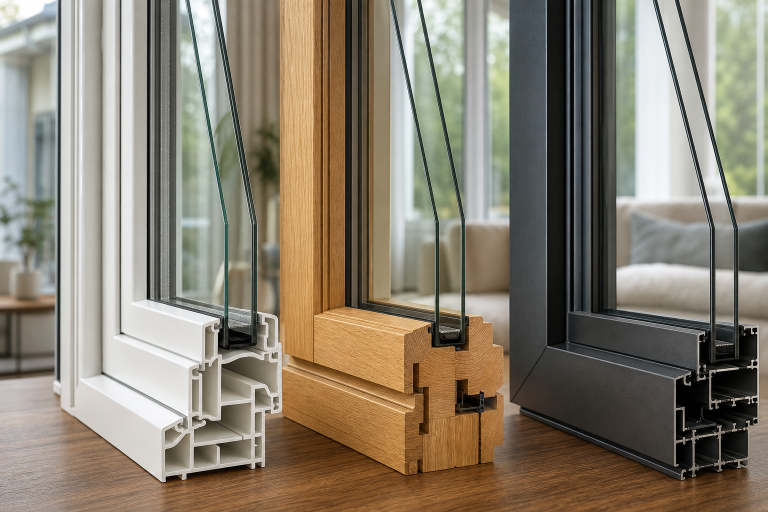
Frame material is the fastest way to narrow the field, because it affects strength, maintenance, appearance, and price at the same time.
Vinyl impact-resistant windows
Vinyl is often the value-focused option when you want impact protection without moving into the highest price tier. Better vinyl units typically use reinforced frames and welded corners. They can perform well, but the exact reinforcement and approval rating matter more than the material category by itself.
If you are also weighing general frame tradeoffs, this Abodence guide to window frame materials is useful background before you compare storm-rated models.
Aluminum impact-resistant windows
Aluminum is common in coastal markets because it is strong and can support larger glass areas with relatively slim profiles. The tradeoff is that thermal performance depends heavily on the product design, especially whether the frame includes a thermal break. Energy data should come from the product label or NFRC ratings, not from assumptions about the material.
Fiberglass impact-resistant windows
Fiberglass is often chosen when you want a stiffer frame with lower expansion and contraction across temperature swings. Marvin and Pella both publish impact-rated lines in fiberglass categories, but the actual ratings still depend on the specific series and glass package.
Wood-clad impact-resistant windows
Wood interiors with protective exterior cladding can make sense when appearance is a priority. This option is often more expensive and usually selected in custom or high-end projects, especially where the interior finish matters as much as the storm rating.
Do impact-resistant windows reduce noise and improve energy efficiency?
Many of them can improve both, but those benefits should be verified separately from the storm rating.
Laminated glass often helps with sound control because the interlayer can reduce some sound transmission. Energy performance, however, is measured through ratings such as U-factor and Solar Heat Gain Coefficient. According to the National Fenestration Rating Council, those label values are the standard way to compare window energy performance across products.
If one quote emphasizes impact resistance and another emphasizes comfort or lower cooling load, compare the NFRC label from each exact product rather than assuming the stronger window is automatically the more efficient one.
Call for a free estimate:
For many homes, replacing aging units with better-performing windows can also be part of a longer-term plan to extend service life and reduce recurring repairs. Abodence covers that in its article on window lifespan strategies.
How much do impact-resistant windows cost in 2026?
About $700 to $2,000 per window is a realistic 2026 product-and-installation range for many residential projects, based on 2026 marketplace pricing published by Angi and 2025-2026 coastal window pricing examples published by major manufacturers and dealers.
The low end is usually smaller vinyl units in straightforward openings. The high end is more common for large openings, premium frame materials, custom sizes, or projects that need substantial trim and waterproofing work. If the opening itself needs structural changes, the cost moves beyond a simple window replacement.
Get cautious when a quote is dramatically lower than the others but does not clearly state the tested series, glass package, and installation scope. In window work, low numbers often come from missing scope rather than better buying.
What usually changes the price most?
- Window size and shape
- Frame material
- Single-unit replacement versus whole-home project
- Second-story or difficult access
- Required flashing, trim, and water-management repairs
- Local code and permit requirements
If your project also involves exterior work after storm wear, it helps to compare scopes carefully across trades. That same quote-review discipline applies in other project areas, including roofing, where hidden line items can be a common source of price increase.
Are impact-resistant windows required by code where you live?
In some coastal and high-wind areas, yes, and the deciding factor is your local code adoption and site conditions rather than a national one-size-fits-all rule.
According to the Federal Emergency Management Agency, coastal construction guidance places strong emphasis on protecting openings in windborne debris regions because envelope failure can increase storm damage. Your building department or permit office can tell you which code edition applies and whether shutters, impact-resistant glazing, or another approved protection method is accepted for your address.
This is where many homeowners spend money they did not need to spend. If your area allows code-compliant shutters and you are satisfied with that approach, full impact-resistant replacement windows may not be the only path. On the other hand, if your existing windows are near the end of their service life anyway, replacement can make more sense than buying shutters for units you may replace later.
What should you compare in window quotes before you sign?
The best quote is the one that identifies exactly what product is being installed, how it will be installed, and what happens if surrounding materials are damaged or found to be unsound.
- Exact manufacturer and product series
- Impact standard or approval reference
- NFRC energy ratings for the quoted configuration
- Interior and exterior finish scope
- Flashing and sealant details
- Whether rotten trim or substrate repair is included or excluded
- Permit responsibility
- Lead time and installation timeline
- Glass warranty, frame warranty, and labor warranty
Watch for vague phrases such as “install as needed” or “repair if necessary” without unit pricing or a clear allowance. That is where scope creep starts.
What installation details matter most for impact-resistant windows?
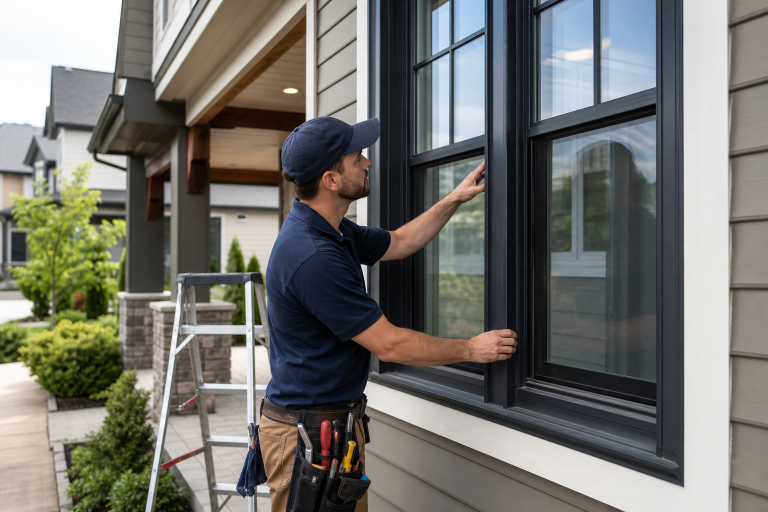
Even a well-rated unit can underperform if it is installed outside the approved method for anchoring, flashing, and substrate conditions.
Manufacturers such as Andersen and PGT publish installation instructions that tie approved fasteners, edge clearances, and opening conditions to the tested product. Those documents are not interchangeable. A window tested one way does not automatically keep the same rating if the installer changes the anchoring pattern or installs into a different wall condition than the approval allows.
For homeowners, the practical move is simple. Ask whether the installer will follow the manufacturer’s published instructions for that exact series and whether the permit package matches the quoted unit.
One sentence in writing can save a lot of confusion later.
When are impact-resistant windows the right choice, and when are they not?
They make the most sense when you need code-compliant opening protection, want permanent storm readiness without deploying shutters, or are already replacing old windows for durability and comfort reasons.
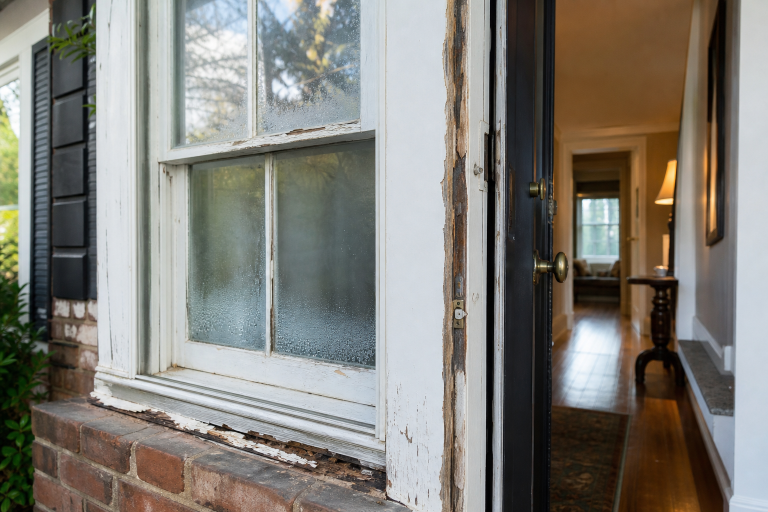
They may be a poor fit if your existing windows are still in good condition and your jurisdiction allows a less expensive approved protection method that you are willing to use consistently. In that case, shutters can be the more economical solution. They may also be the wrong upgrade if your main complaint is draftiness caused by failed caulk or isolated trim issues around otherwise serviceable windows. A targeted repair can solve that problem without a full replacement project.
FAQ
Do impact-resistant windows stop break-ins?
They can slow forced entry more than standard glass, because laminated glazing tends to stay together after repeated blows, but they should be viewed as one security layer rather than a stand-alone security plan.
Can you replace just the glass instead of the whole window?
Sometimes, but only if the existing frame and sash are designed and approved for the replacement glazing option. Many impact approvals apply to the full tested assembly, so glass-only upgrades are not always equivalent.
Call for a free estimate:
How long do impact-resistant windows last?
Service life varies by material, exposure, and installation quality, but the most useful benchmark is the manufacturer warranty for the exact series because that tells you what parts are covered and for how long.
Are impact-resistant windows the same as hurricane windows?
In everyday use, people often mean the same thing, but the reliable way to judge the product is by the named test standard and approval documents rather than the marketing label.
Will impact-resistant windows lower insurance costs?
Sometimes they can, but discounts depend on your insurer, your location, and the documentation your carrier accepts. Ask your agent what approval or mitigation paperwork is required before assuming any savings.
If you are comparing window options and want help organizing quotes, product specs, or replacement timing, you can also review more resources in Abodence’s windows and doors category or reach out for help evaluating your specific project.
Sources: Fenestration and Glazing Industry Alliance (FGIA), ASTM International, PGT Innovations product approval documents, Andersen coastal windows literature, Marvin product literature, Pella product literature, Angi pricing data