Triple-Pane vs Double-Pane Windows: The Differences Homeowners Should Know
Triple-pane vs double-pane windows is really a question about what you are paying for: an extra layer of glass, an extra sealed airspace, and in some cases a measurable gain in comfort, sound control, and thermal performance. For many homes, double-pane units remain the standard practical choice. For some climates, room exposures, and performance goals, triple-pane can be the better fit.

Call for a free estimate:
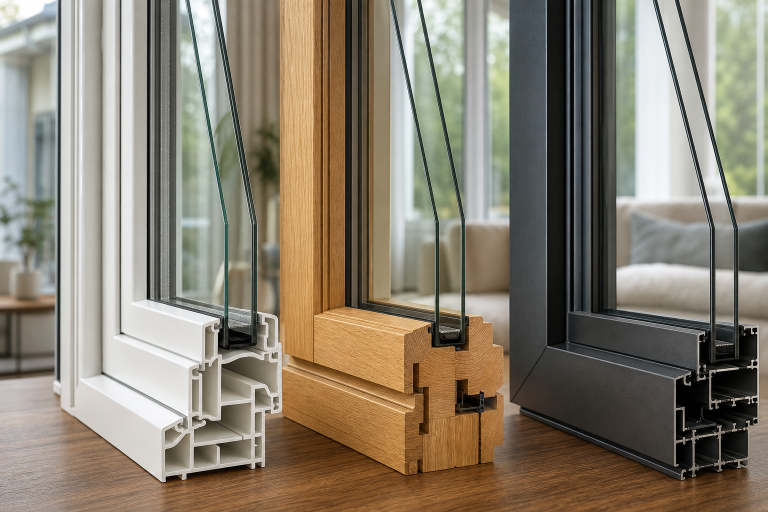
The basic construction difference is straightforward. According to the National Fenestration Rating Council, double-pane windows use two panes of glass with one insulating space between them, while triple-pane windows use three panes with two insulating spaces. NFRC also explains that window performance should be compared by label values such as U-factor, which measures how well a product prevents heat from escaping, and Solar Heat Gain Coefficient, which measures how much solar heat comes through the glass.
That label-first approach matters more than the pane count alone. A well-made double-pane unit with a low-emissivity coating and gas fill can outperform a weaker triple-pane product in some categories, depending on the exact build and rating. If you are comparing options, the right question is not just how many panes there are. It is how the whole window is rated and where your home needs help most.
What is the actual difference between double-pane and triple-pane glass?
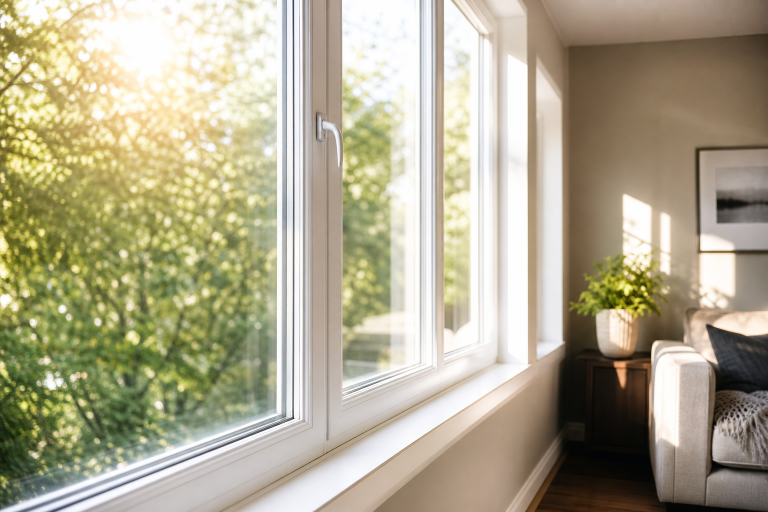
The core difference is one extra pane of glass and one extra insulating space inside the sealed unit. Double-pane insulated glass units have two sheets of glass separated by a spacer. Triple-pane insulated glass units add a third sheet and a second spacer-created cavity.
According to ENERGY STAR, many efficient windows also use low-e coatings, which are microscopically thin layers that help reflect heat, and gas fills such as argon between panes to improve insulation. Those features can appear in both double-pane and triple-pane products, which is why pane count alone does not tell you everything about performance.
In plain terms, triple-pane is designed to slow heat transfer more effectively than double-pane. It can also reduce the temperature swing you feel near the glass. In winter, that may mean less of the cold-wall effect beside a window. In summer, it may help limit heat gain, depending on the glass package and orientation.
How much better is triple-pane glass for energy performance?
Triple-pane glass can deliver a lower U-factor, which usually means better insulating performance, but the size of that improvement depends on the exact product. The U.S. Department of Energy advises homeowners to compare NFRC labels and notes that efficient windows can reduce heat loss and heat gain compared with older units.
Manufacturers publish the exact ratings for each window line. For example, Andersen performance data and Pella product specifications both show that some triple-pane configurations achieve lower U-factors than their double-pane versions of the same product family. That is a real improvement, but it is not a universal fixed percentage across all brands and models, so broad savings claims without a product-specific rating should be treated cautiously.
If your current windows are older single-pane units or failed insulated units, moving to modern double-pane windows may already be a major upgrade. In that situation, paying more for triple-pane is not automatically the best next step. The practical value depends on climate, utility costs, and whether comfort near the window is one of your main complaints.
Does triple-pane glass make a noticeable comfort difference indoors?
Many homeowners notice the comfort difference most clearly near the window rather than in whole-house temperature readings. The Efficient Windows Collaborative explains that better insulating windows can improve interior comfort by reducing cold glass surfaces and drafts associated with poor-performing windows.
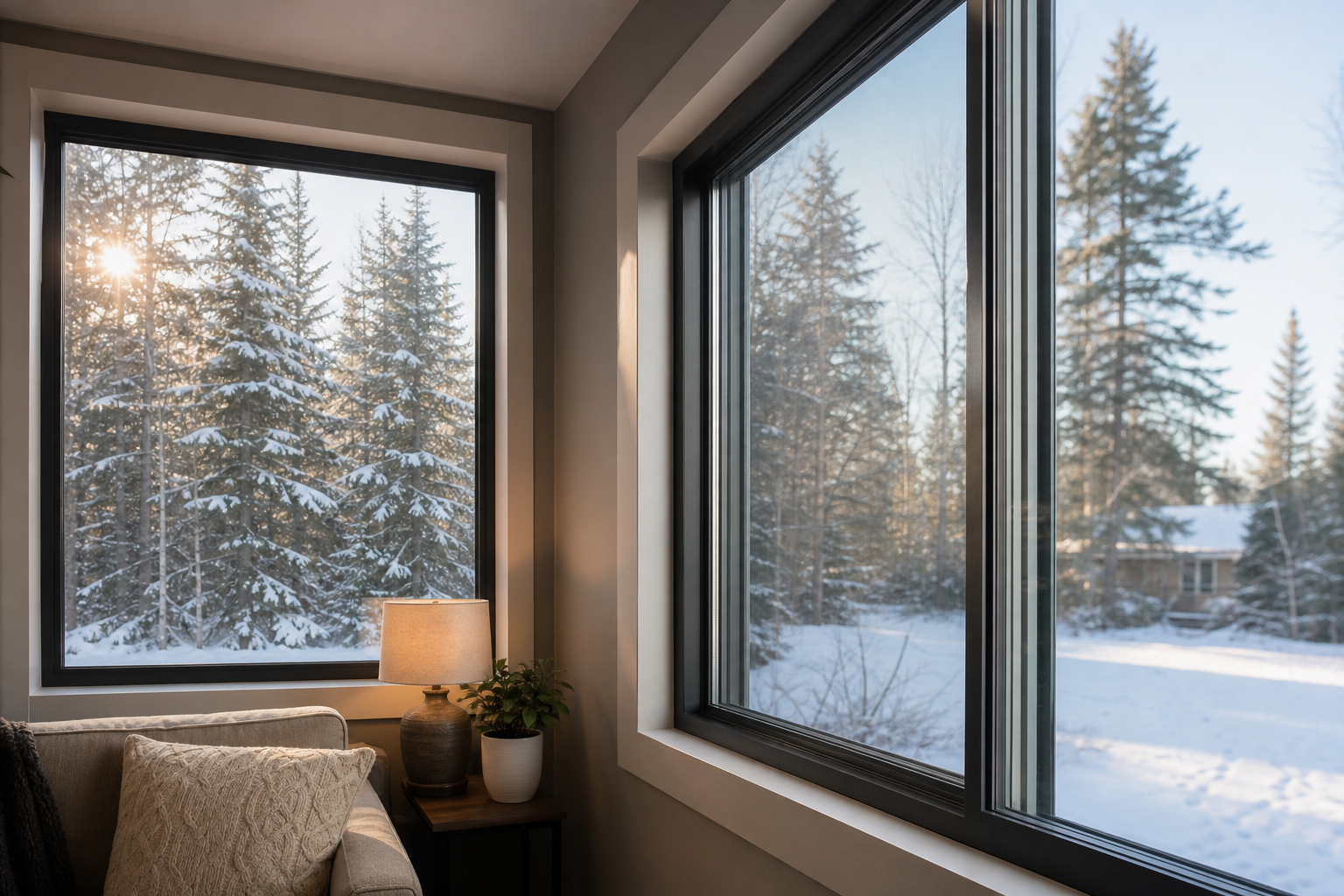
That can matter in bedrooms, living areas with large glass expanses, and rooms with long winter exposure. If you avoid sitting near certain windows in January, or a room feels uneven even when the thermostat reading looks fine, the added insulating performance may solve a real comfort problem.
Comfort also depends on installation quality. Even a high-performance glass package will disappoint if the unit is poorly air-sealed at the frame or installed into a wall opening with unresolved water or insulation problems. If you are replacing windows because the room feels drafty, it is worth understanding whether the issue is the glass, the frame, or the installation details around the opening. Abodence covers that separately in drafty window repair.
Is triple-pane better for outside noise?
Triple-pane glass can improve sound control, but the result is product-specific and not guaranteed by pane count alone. According to the International Window Film Association and manufacturer acoustic performance literature from Marvin and Milgard, sound reduction depends on the full glazing system, including glass thickness, spacing, and whether the panes are the same or different thicknesses.
In many cases, laminated glass or an intentionally asymmetric glass package can matter as much as, or more than, simply adding a third pane. If traffic, aircraft, or neighborhood noise is the main reason you are shopping, ask for acoustic ratings or documented sound-control data for the exact unit. A sales claim that triple-pane is always quieter is too broad to rely on.
What does triple-pane vs double-pane window cost look like in 2026?
Installed replacement windows commonly run in the high hundreds to low thousands per opening, and triple-pane versions usually cost more than comparable double-pane units. Based on 2026 national pricing published by Angi and 2025 manufacturer dealer literature, double-pane replacement windows often are around $450-1,200 per window installed, while triple-pane versions can be roughly $700-1,500 or more depending on size, frame material, and installation complexity.
Those are broad market ranges, not a universal quote. Material choice, custom sizing, egress requirements, exterior trim work, and regional labor rates change the number quickly. A full-frame replacement also costs more than an insert replacement because it involves more labor and potentially more finish work. If you are deciding between those installation approaches, Abodence explains the tradeoffs in insert vs. full-frame window replacement.
The extra cost for triple-pane can be reasonable when you are already buying a premium window line for a cold climate or a comfort-sensitive room. It can be harder to justify when the house is in a mild climate and the existing issue is mostly air leakage around the frame rather than glass performance.
When can triple-pane glass make sense for a homeowner?
Cold climates, large window areas, and rooms with persistent comfort complaints are the clearest cases where triple-pane deserves a serious look. ENERGY STAR climate-zone guidance shows that window recommendations vary by region, which is why the right answer in Minnesota may not be the right answer in California.
Triple-pane often makes the most sense in these situations:
- You live in a colder climate with long heating seasons.
- You have large picture windows or a lot of glass area.
- You are already choosing a premium frame and want the best available insulating package in that product line.
- You are sensitive to cold-window discomfort in bedrooms, offices, or seating areas.
- You want a quieter interior and the quoted unit includes verified acoustic improvements, not just an extra pane.
Call for a free estimate:
When is double-pane the smarter choice?
Modern double-pane windows are often the better value when the climate is moderate and the product has strong NFRC ratings. Many homeowners will get most of the practical benefit they need from a good double-pane unit with low-e glass, argon fill, and solid installation.
That is especially true when your current windows are very old, visibly failed, or poorly sealed. The jump from outdated windows to a quality double-pane product can be substantial on its own. In that case, putting the budget toward better installation, better frames, or replacing more openings may do more for the house than upgrading fewer units to triple-pane.
Weight can also be part of the discussion. Some manufacturers note in product literature that triple-pane units are heavier, which can affect hardware choices, operability on some large sashes, and installation handling. That does not make triple-pane a problem. It simply means the full window design matters.
Which performance details should you compare on quotes?
The most useful quote comparison is a line-by-line check of ratings, scope, and warranty terms. Ask each bidder for these details in writing:
- NFRC label values for the exact window being quoted, including U-factor and Solar Heat Gain Coefficient
- Whether the glass package is double-pane or triple-pane
- Low-e coating type and gas fill, if included
- Insert replacement or full-frame replacement scope
- Frame material and finish details
- Any documented acoustic or impact-performance rating being claimed
- Manufacturer warranty terms and installer labor warranty terms
If one quote simply says energy-efficient glass and another provides exact NFRC numbers, the second quote is the one giving you something you can verify.
Do frame material and installation matter as much as the glass?
Yes, because the whole window assembly affects real-world performance. The U.S. Environmental Protection Agency ENERGY STAR program certifies windows based on complete product performance, not glass alone.
A stronger glass package cannot fully compensate for a weak frame, poor air sealing, or an installation that does not address the rough opening correctly. Frame material affects maintenance, durability, and thermal performance. Installation method affects how well the finished unit resists air and water intrusion. If you are still weighing frame options, Abodence breaks that down in energy-efficient window frame materials.
FAQ
Is triple-pane glass always worth the extra money?
It depends on your climate, the room, and the exact product ratings. In colder regions or comfort-sensitive rooms, the upgrade can be worthwhile. In milder climates, a high-quality double-pane window may be the better value.
Can a double-pane window be more efficient than a triple-pane window?
Yes, that can happen when comparing different product lines with different coatings, spacers, and frame designs. NFRC ratings are the reliable way to compare actual performance.
Do triple-pane windows reduce condensation?
Better insulating glass can help keep interior glass surfaces warmer, which may reduce condensation risk under some conditions. The exact result still depends on indoor humidity, outdoor temperature, and the full window design.
Are triple-pane windows better for resale value?
Higher-performing windows may be a selling point, but resale value is not determined by pane count alone. Buyers tend to notice comfort, condition, appearance, and energy efficiency more than the technical specification itself.
Should you replace all windows with triple-pane at once?
No, a full triple-pane replacement is not automatically the best plan. Many homeowners get a better result by prioritizing the coldest rooms, the largest glass areas, or the windows that are actually failing.
If you are comparing window proposals and want help sorting out whether triple-pane or double-pane fits your home, getting a few written quotes with NFRC ratings is the practical next step. Please call a listed specialist for a free, no-obligation discussion.
Sources: Andersen product specifications, Pella product specifications, Marvin acoustic performance literature, Milgard acoustic performance literature, Angi pricing data, International Window Film Association