Watch for Post-Storm Contractor Scams! Guide to Basic Steps
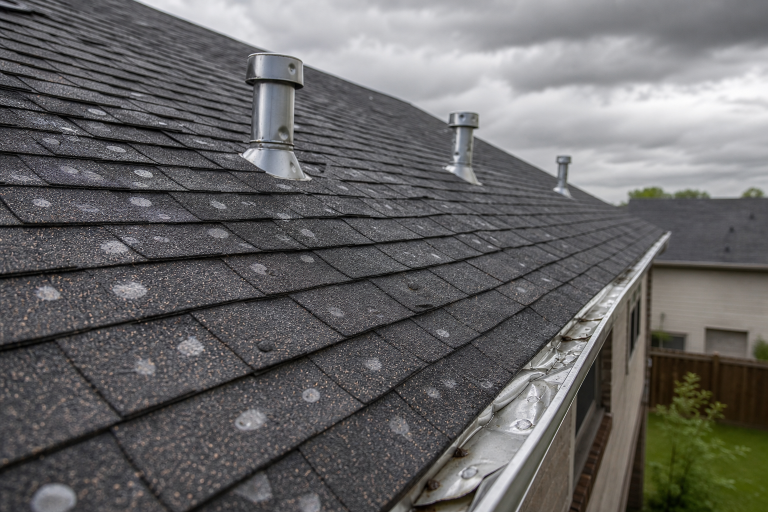
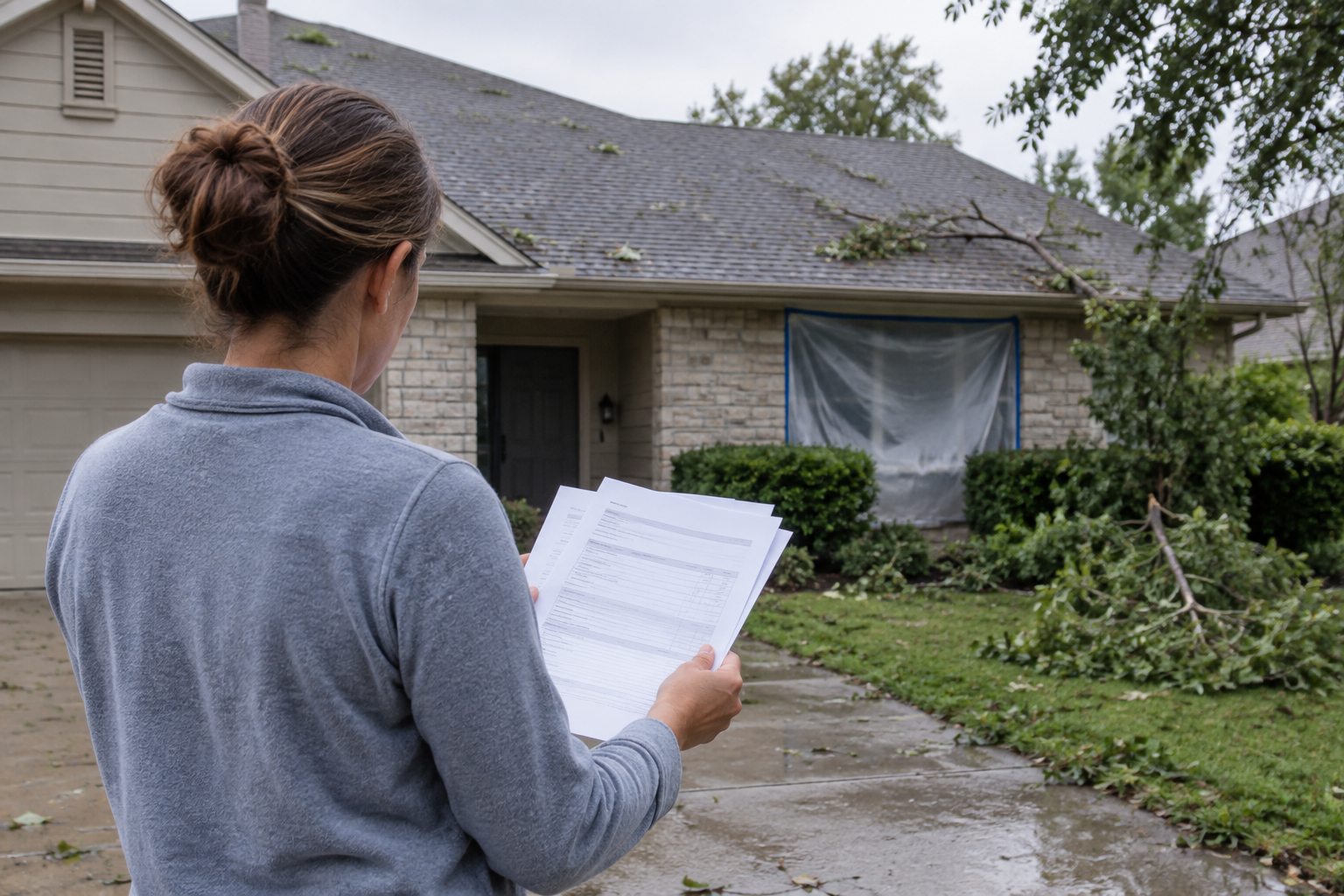
A damaged roof, broken windows, or water entering a house can create a real need for fast decisions. It also creates an opening for dishonest contractors who arrive without being asked, promise immediate repairs, seek a large payment, and leave before completing acceptable work. The Federal Trade Commission warns that weather emergencies commonly bring repair scams, including people who go door to door, demand advance payment, or pressure homeowners to sign paperwork quickly.

Call for a free estimate:
The practical response is to protect the property from additional damage, document what you see, and slow down the hiring and payment process enough to verify who will do the work. A contractor who is legitimate and properly prepared should be able to provide identifying business information, a clear written scope, and time for you to review the agreement.
What are the most common post-storm contractor scam warning signs?
Unrequested doorstep sales, demands for immediate payment, vague written terms, and pressure to sign on the spot are reasons to pause before hiring anyone. The Federal Trade Commission’s guidance on repair scams after weather emergencies identifies these patterns and advises homeowners to avoid contractors who insist on cash, request payment before work begins, or say a special offer is available only right now.
A storm chaser may have a truck, tools, and a professional-looking flyer, but those details do not establish a local business address, an active license, insurance, or accountability after the work is done. Some solicit work by saying they are already repairing a neighbor’s roof and have leftover materials. That claim does not show what material will be installed on your home, whether it meets the agreed specification, or whether the contractor will return for a leak or warranty issue.
Be particularly careful with any offer to cover or waive an insurance deductible. The insurer, policy, and state law determine how a claim payment and deductible work. A contractor should price the job and describe the scope, rather than promising an insurance outcome it does not control.
What should you do first when storm damage needs attention?
Document the condition, prevent additional loss when it is safe to do so, and contact your insurer before committing to a major repair contract. FEMA’s guidance on avoiding fraud and scams after a disaster advises disaster survivors to take photographs of damage, keep receipts, and verify people offering recovery-related services.
Take dated photos and video from safe locations. Capture the exterior damage, affected rooms, standing water or staining, and personal property. Keep a simple log of the storm date, calls, site visits, estimates, emails, and every payment. This record gives the insurer and any contractor a shared starting point, and it makes later changes to the proposed work easier to identify.
For an active roof leak or a broken opening, ask a qualified local contractor about temporary protection and obtain documentation of what was done. Temporary work and permanent reconstruction should be separated in writing. A tarp, board-up, or limited water-control measure may be appropriate while an insurance claim is reviewed, but it does not automatically establish that a complete roof, siding, or window replacement is necessary.
Do not sign an assignment of insurance benefits, authorization, or repair agreement until you understand what authority it gives the contractor. The document may be titled as an inspection form or a work authorization, yet its terms may authorize repairs, payment collection, or cancellation charges. Read every page, including attachments and fine print, before signing.
How can you verify a contractor before accepting an estimate?
Start by confirming that the business can be located, contacted, and checked through the licensing system that applies. The FTC recommends getting multiple written estimates, checking licensing requirements with state or local authorities, and asking for references rather than relying on an unsolicited sales visit.
- Ask for the legal business name, physical address, phone number, and the name of the person authorized to sign the contract.
- Check the relevant state or local contractor-license database, where one is required, using the license number and business name. Confirm that the record matches the person offering the work.
- Ask for proof of current liability insurance and workers’ compensation coverage, then confirm the information with the listed insurer or agent rather than relying only on a copy supplied at the door.
- Request recent local references for comparable work and contact them yourself. Ask what was installed, whether the written scope matched the completed work, and whether the contractor addressed later issues.
- Search the business name and owner name with terms such as “complaint,” “license,” and the name of your state, then distinguish verified public records from unverified online comments.
Multiple estimates are useful because they expose scope differences, not because the lowest total should automatically win. One proposal may include removal of damaged materials, flashing, underlayment, disposal, permits, and protection for landscaping. Another may state only a broad label such as “storm restoration.” Compare line items before comparing totals.
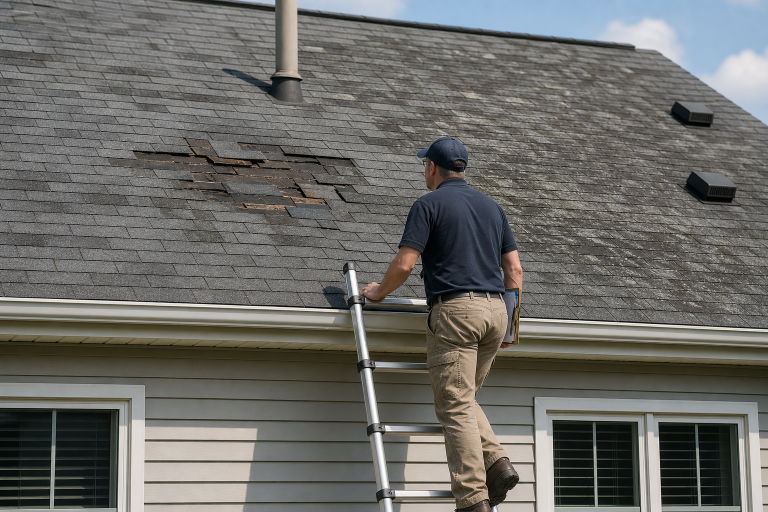
For roof work, an inspection report that identifies the affected areas is more useful than a sales statement that simply calls for replacement. This guide to roof replacement warning signs and repair decisions explains why the location and extent of damage matter when evaluating whether a limited repair or larger project is proposed.
What should a post-storm repair contract include?
A usable agreement identifies the contractor, the exact work, the materials, the price, the payment schedule, and the terms for changes before the first payment is due. The FTC advises getting the details of the job in writing, including costs, start and completion dates, and warranty information.
For exterior work, the description should state the material type and product line, color or finish when relevant, quantities or areas covered, and the related components that will be repaired or replaced. On a roof, those components can include flashing, ventilation work, decking repairs if discovered, underlayment, and disposal. A contract does not need to predict every concealed condition, but it should explain how the contractor will document a newly discovered problem and obtain your written approval for added cost.
The payment schedule should match visible progress. Avoid paying the entire contract amount upfront. A deposit, when lawful and justified, should be clearly stated, with later payments tied to defined milestones and a final payment due after the contracted work is complete and the site is cleaned up. Pay by a method that creates a record, and keep copies of invoices, canceled checks, and signed change orders.
Warranty language deserves the same scrutiny as the work description. A manufacturer material warranty and a contractor’s workmanship promise are different commitments. The first generally concerns the product under stated conditions, while the second addresses the contractor’s installation work. Before signing, see how roof warranty terms are commonly structured, then ask who will handle a claim, what is excluded, and whether the warranty document will be delivered after completion.
How should you handle insurance money and contractor payments?
Keep control of claim communications and payments until the insurer explains the claim decision and you understand the repair agreement. FEMA advises people affected by disasters to safeguard personal and financial information, while the FTC cautions against paying for repairs before work is completed.
Give the insurer accurate damage documentation and ask what it needs before permanent work begins. An adjuster’s estimate, a contractor’s estimate, and the final repair scope may differ because they are prepared for different purposes. If a contractor finds additional damage after work starts, send the documentation to the insurer and resolve the scope through the claim process before authorizing a costly change.
Do not hand over an insurance check simply because a salesperson asks for it. Review the payee names and your insurer’s instructions. If a mortgage lender is named on the check, the lender may have its own endorsement and disbursement process. A contractor cannot simplify that process by asking you to ignore the names printed on the payment.
Call for a free estimate:
Never provide a Social Security number, bank account access, or an insurer login to a person who appears at the door. Contact the insurer through the number on your policy, app, or official website if someone claims to be working with it.
What can you do if you already signed or paid a questionable contractor?
Preserve the paperwork, stop additional payments until the agreement is reviewed, and report suspected fraud to the appropriate authorities. The FTC directs consumers to report scams through ReportFraud.ftc.gov, and its post-emergency repair guidance recommends keeping all records connected to the transaction.
Save the contract, estimate, business card, messages, photographs, payment records, and license or vehicle details. Write down dates, names, promises made, and the status of the work while the details are fresh. Avoid altering incomplete work or discarding materials until your insurer, a local building official, or a qualified independent contractor has had a chance to assess what remains.
Contact your insurer promptly if the questionable work relates to an open claim. Also contact your state or local contractor licensing authority, consumer-protection office, and local law enforcement when the facts suggest fraud, theft, impersonation, or abandonment. If the contractor used your card or bank information without authorization, contact the financial institution through its official number immediately.
For a disputed contract or significant loss, legal rights and cancellation rules depend on the contract language and state law. A consumer-law attorney or local legal-aid organization can explain the options that apply to the signed document and the place where the work was sold.
FAQ
Should you hire a contractor who comes to your door after a storm?
Wait to verify the business and obtain written competing estimates before signing anything. The FTC identifies unsolicited offers and pressure to act immediately as warning signs after weather emergencies, so a doorstep visit should begin a screening process, not end it with a contract.
Can a contractor inspect storm damage for free?
A free inspection may be offered, but it should not require you to sign a repair contract, assign insurance benefits, or provide insurer account access. Ask what document, if any, you are being asked to sign, and keep a copy before allowing any inspection or temporary work.
How much should you pay a contractor before storm repairs begin?
Pay only the amount and timing clearly stated in a written contract, with later payments connected to defined work milestones. The FTC cautions consumers against paying the full amount before repairs are completed, and payment rules can also vary by state and local law.
What if the contractor says your roof needs immediate replacement?
Protect the home from active water intrusion, then get a documented assessment and compare written scopes before authorizing a full replacement. A temporary protective measure may address the immediate condition while you verify the extent of damage and the proposed permanent work.
If you need help comparing a storm-repair scope or finding a contractor for a written quote, contact Abodence for guidance tailored to the work you are considering. Please call a listed specialist for a free, no-obligation discussion.