Strategic Window Lifespan Strategies: The Positive State of Extending Window Life
Window lifespan depends less on a single brand name and more on material choice, installation quality, maintenance, and realistic repair decisions. The current state of the industry points in a practical direction: homeowners are being pushed to think beyond simple replacement and focus on preserving existing windows when the frame, sash, and glazing system are still structurally sound.
That shift is grounded in how major industry groups and manufacturers describe window performance. According to the U.S. Department of Energy, heat gain and heat loss through windows affect overall home efficiency, which is why maintenance, air sealing, and product selection matter over the full service life of the unit. In other words, extending useful life is not just about avoiding replacement cost. It is also about keeping the window performing as intended.
Why is extending window lifespan getting more attention now?
More homeowners are trying to preserve serviceable windows because replacement costs are high enough that repair-first decisions often deserve a serious look. Based on the 2024 Remodeling Cost vs. Value Report, vinyl window replacement and wood window replacement remain major exterior investments, with national average project costs running into the tens of thousands for a full-house project. That does not mean every aging window should be saved, but it does mean the industry conversation has shifted toward condition-based decisions instead of automatic replacement.
Manufacturers and standards organizations have also made performance labels easier to understand. According to the National Fenestration Rating Council, NFRC labels identify product ratings such as U-factor and solar heat gain coefficient, giving homeowners a clearer way to compare efficiency when replacement is necessary. That greater transparency has helped separate two issues that often get blurred together: an old window can be less efficient than a new one, but it is not automatically at the end of its useful life.
How long can window lifespan realistically be extended?
Many windows can stay in service for years longer when the frame is stable and the main problems are limited to sealants, hardware, weatherstripping, or isolated glass issues. The American Architectural Manufacturers Association, now part of FGIA, publishes performance standards for windows and doors, and major manufacturers such as Andersen and Pella publish care guidance that treats routine inspection and upkeep as part of normal ownership, not as an optional extra.
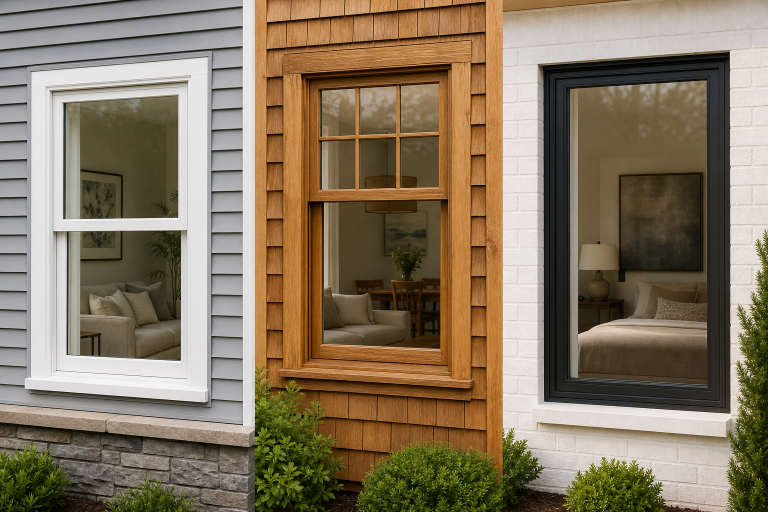
There is no single universal lifespan number that applies to every product line, climate, and installation. Wood windows may last a very long time with consistent finishing and moisture control. Vinyl windows avoid paint maintenance but can still suffer from seal failure, hardware wear, or installation defects. Fiberglass is valued for stability, but it still depends on proper flashing and water management. If you want a material-by-material overview, Abodence covers that in this guide to window frame materials.
What problems shorten window lifespan fastest?
Water intrusion usually does more long-term damage than simple age. The International Code Council requires exterior wall assemblies to manage water with flashing and weather-resistant materials, and windows are part of that assembly. When water gets behind trim, into rough openings, or into wood components, deterioration can spread well beyond the visible stain or soft spot.
Moisture and failed exterior sealing
Caulk does not last forever, and failed joints around the perimeter can let water reach parts of the assembly that are hard to inspect. Manufacturer installation instructions from Marvin and Andersen both stress flashing and seal continuity because the window itself cannot compensate for an installation error causing a gap.
Insulated glass seal failure
Fogging between panes usually means the insulated glass unit has failed. Cardinal Glass technical guidance and manufacturer warranty documents commonly distinguish between glass seal failure and frame failure because the repair options are different. In many cases, the glass unit can be replaced without replacing the whole window, provided the sash and frame remain sound.
Neglected hardware and weatherstripping
Locks, balances, rollers, and weatherstrips wear over time. Truth Hardware and other component manufacturers publish replacement parts and adjustment guidance for many common systems, which is why an operating problem does not always justify a full unit replacement. A window that sticks, rattles, or will not lock may need service rather than a new frame.
What maintenance actually helps extend window lifespan?
Routine inspection, drainage-path cleaning, finish upkeep, and timely sealant replacement do the most to preserve service life. Manufacturer care documents from Pella, Andersen, and Milgard consistently emphasize cleaning tracks and weep systems, checking sealants, maintaining painted or stained wood surfaces, and avoiding harsh chemicals that can damage finishes or vinyl surfaces.
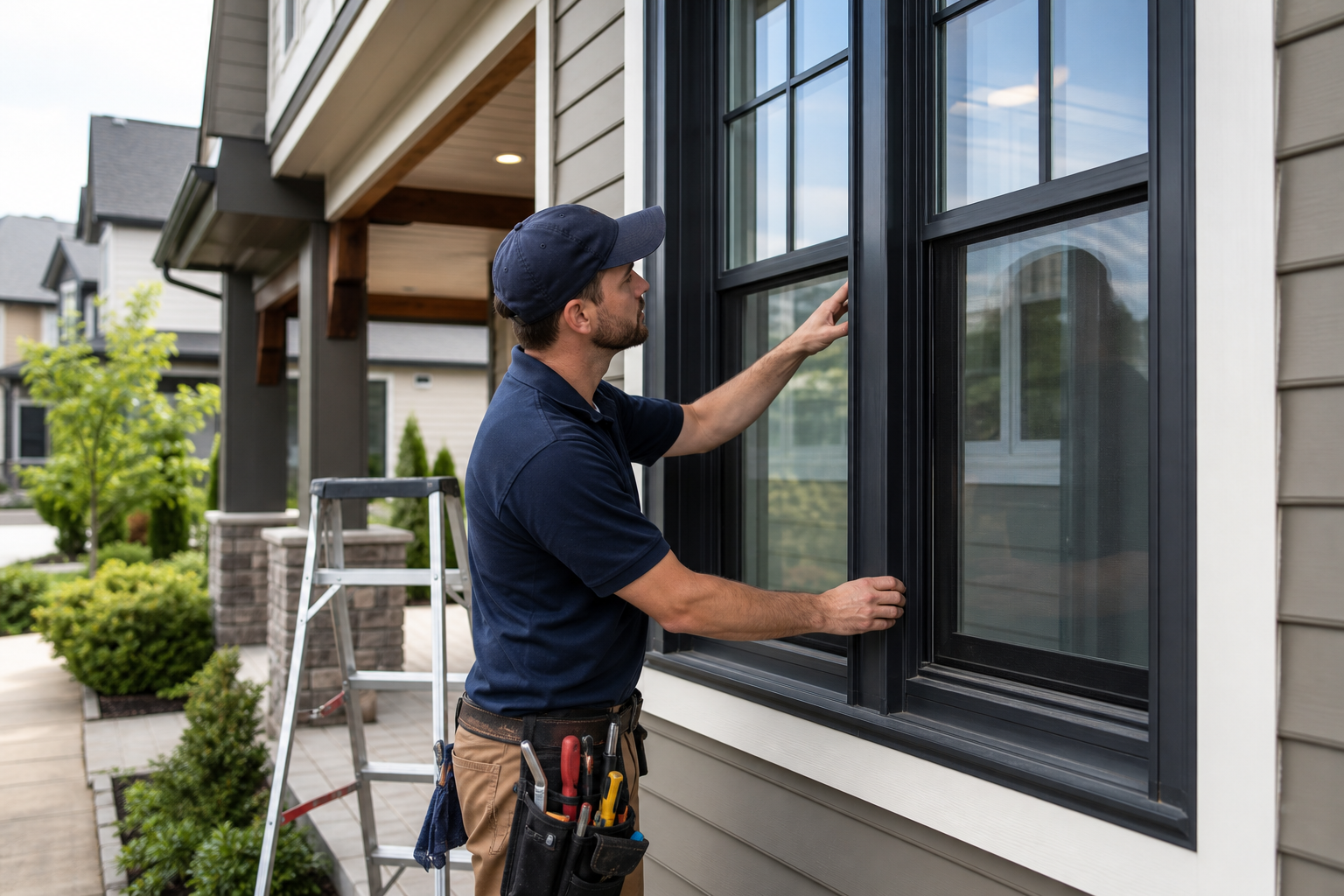
Inspect the exterior at least once a year
Look for cracked caulk, open joints, peeling finish, soft trim, and staining below the sill. Those signs do not prove structural damage on their own, but they do justify a closer look before another season of rain or freeze-thaw cycles passes.
Keep drainage paths open
Many window systems rely on weep holes or internal drainage channels to move incidental water back out. When dirt, paint, or debris blocks them, water can stay where it should not. This is a small maintenance task, but it protects a much larger investment.
Maintain wood finishes on schedule
Factory and field-finished wood components need ongoing protection from moisture and sun exposure. Published care guidance from major wood-window manufacturers generally calls for periodic inspection and refinishing as needed, especially on south- and west-facing elevations where weathering is more severe.
When is repair smarter than replacement?
Targeted repair makes the most sense when the window frame is square, the surrounding wall is dry, and the problem is limited to a replaceable component. This is where homeowners often save money by resisting the all-or-nothing sales pitch.
Common repair-first situations include failed balances in a double-hung window, worn rollers in a sliding window, damaged weatherstripping, cracked exterior sealant, or a fogged insulated glass unit in an otherwise solid frame. Glass shops, specialty window repair firms, and some full-service contractors can handle these issues without tearing out the entire assembly.
Quotes are often less clear than they should be here. Some contractors bid only full replacement. Others offer sash replacement, glass-only replacement, or exterior trim repair. Ask for the scope in writing so you can compare like for like.
- Whether the frame is being kept or removed
- Whether the insulated glass unit alone can be replaced
- Whether exterior trim or interior casing repair is included
- Whether new sealants, flashing corrections, or paint touch-up are part of the price
- Whether the repair affects any existing manufacturer warranty
When does replacement become the better call for window lifespan?
Full replacement is usually the better decision when structural deterioration, chronic water entry, or major frame distortion makes component-level repair unreliable. In those cases, further extending the window lifespan is likely a waste of money because the surrounding assembly is already compromised.
The clearest examples are rotted wood that extends into the frame, repeated leaks tied to installation defects, badly warped sashes that no longer seal, and multiple failed components in a low-quality unit near the end of its service life. A repair may still be technically possible. It may simply not be sensible.
According to the [ENERGY STAR](https://www.energystar.gov/products/windows_doors_and_skylights), certified replacement windows are independently verified for energy performance criteria by climate zone. That matters when you are replacing units anyway. If the existing window is beyond a durable repair, a better-performing replacement can address both condition and efficiency at once.
Homeowners should also know the difference between insert replacement and full-frame replacement. An insert keeps parts of the existing frame in place. A full-frame replacement removes the old frame and is often the better path when hidden water damage, poor flashing, or out-of-square openings are part of the problem.
How do different frame materials affect window lifespan?
Each material has a different maintenance profile, and that affects how easily service life can be extended. The industry has not landed on one universally superior choice because climate, exposure, budget, and appearance all matter.
Vinyl
Lower routine finish maintenance is the main appeal. Vinyl does not need repainting, but welded corners, hardware quality, and heat exposure still affect long-term performance. Once a vinyl frame is badly distorted or a proprietary sash system is discontinued, repair options can narrow.
Wood
Long service life is possible when moisture is controlled and finishes are maintained. Wood is often the most repairable material because components can sometimes be restored rather than replaced. The tradeoff is that deferred maintenance can stack up and cost more to repair.
Fiberglass
Dimensional stability is a major selling point, especially in climates with large temperature swings. Even so, sealants, glass units, and hardware still age, so low-maintenance does not mean no-maintenance.
For a deeper comparison of these tradeoffs, the Abodence windows and doors category is the right place to keep researching before you request quotes.
What should homeowners ask before approving window work?
The best protection is a written scope that distinguishes maintenance, repair, and replacement instead of blending them into one vague proposal. This is where many expensive mistakes start.
If a contractor recommends replacement, ask what specific condition makes repair impractical. If repair is proposed, ask whether hidden water damage is likely and how it would be handled if discovered. If efficiency is part of the pitch, ask for the NFRC ratings of the proposed product rather than general claims about energy savings.
- What exact components are failing
- Whether the issue is in the sash, frame, glass, trim, or wall opening
- Whether the quote is insert replacement or full-frame replacement
- What warranty applies to labor, glass, and the window unit
- What interior and exterior finish work is excluded
A good quote makes the decision easier. A vague one usually makes the project more expensive later.
What is the industry likely to do next on window lifespan?
The market is moving toward better product data, more attention to installation details, and stronger homeowner interest in preserving assets that still have useful life. That does not mean replacement demand will slow. It means blanket replacement pitches are less persuasive when homeowners understand how many window problems are component-level issues first.
Expect the strongest contractors to keep separating diagnosis from sales. Expect better consumers to ask about flashing, ratings, glass replacement options, and warranty terms before signing. Expect maintenance to matter more, not less, as replacement costs stay significant.
That is a healthy direction for the industry.
FAQ
Can window lifespan be extended without replacing the whole unit?
Yes, many windows stay serviceable longer when the frame is sound and the problem is limited to glass, hardware, weatherstripping, or sealant. A condition-based inspection is the practical first step before approving full replacement.
How do you know if a window is too far gone to repair?
Structural rot, repeated water entry, major frame distortion, and widespread component failure usually point toward replacement. A contractor should be able to identify which part has failed and explain why a durable repair is or is not realistic.
Does replacing caulk and weatherstripping really help window lifespan?
Yes, those maintenance items can help preserve performance by limiting water entry and air leakage around operable parts. They are relatively small repairs, but they address common failure points before larger damage develops.
Are old windows always worth replacing for efficiency alone?
No, efficiency alone does not automatically justify replacement when the existing unit is otherwise sound. In some homes, targeted air sealing and component repair are the more sensible first move, while replacement makes more sense when condition and performance problems overlap.
If you are weighing repair against replacement, getting a written assessment from a qualified local window professional is the simplest way to sort out what can be preserved and what should be replaced. Please call one of our vendors for further information.
Sources: Remodeling Cost vs. Value Report 2024, FGIA, Andersen product care and warranty documents, Pella care and maintenance guidance, Milgard care and maintenance guidance, Marvin installation instructions, Cardinal Glass technical guidance, Truth Hardware product guidance