HVAC Blower Motor Problems: Signs, Causes, and Fixes Homeowners Should Know
Focus Keyword: HVAC blower motor problems

Call for a free estimate:
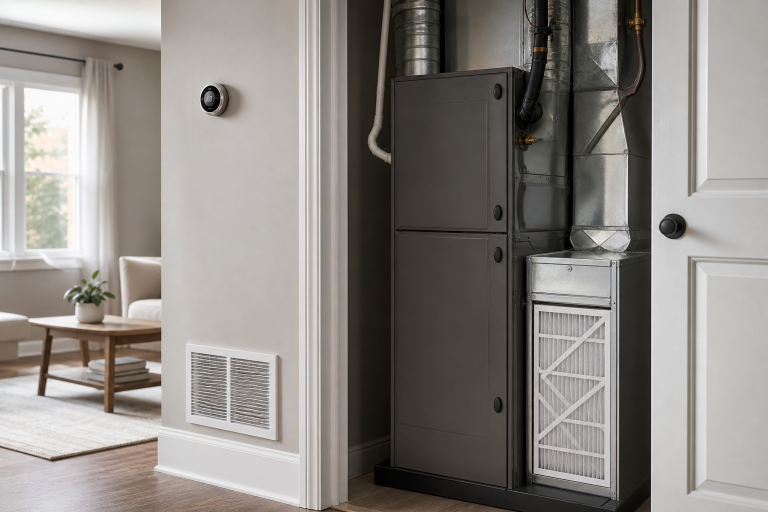
HVAC blower motor problems usually show up first as weak airflow, odd noises, or a system that runs but does not move enough air through the house. The blower motor is the part that drives air across the indoor coil or heat exchanger and through your ductwork, so when it struggles, comfort drops fast.
According to the U.S. Department of Energy, clogged filters, blocked coils, and dirty fans reduce airflow and system performance. In a forced-air heating and cooling system, the blower assembly sits in the airflow path, which is why a motor issue can look like several different problems at once.
This is also one of the most misread HVAC symptoms. A failing motor is possible, but so are a bad run capacitor, a control-board fault, a dirty wheel, a slipping belt on older belt-drive equipment, or a restrictive filter.
For homeowners trying to sort out the issue, the useful question is not just whether the blower has stopped. It is whether the system is failing electrically, mechanically, or because airflow has been restricted long enough to stress the motor.
What are the most common signs of HVAC blower motor problems?
Weak airflow at multiple vents, intermittent starting, humming without full fan operation, and new squealing or grinding sounds are among the clearest warning signs that the fan assembly needs attention. When the blower cannot reach or maintain proper speed, rooms often heat or cool unevenly and cycle times can stretch.
Several signs tend to matter most:
- Little or no air from supply vents: The thermostat may be calling normally, but the house does not feel like air is moving.
- Fan starts late or not every cycle: The system may click on, hum, then stall.
- Burning or hot-electrical smell near the air handler: This points to overheating and should be checked promptly by a licensed HVAC technician.
- Rattling, screeching, or grinding: Bearings, wheel balance, mounting, or belt issues on older systems can create noise.
- Frequent shutdowns: Thermal overload protection may be tripping if the motor is overheating.
A blower problem can also show up as poor dehumidification in cooling season, but that symptom alone is too broad to diagnose the motor by itself.
What causes a blower motor to fail?
Electrical stress, heat, dirt buildup, and worn moving parts account for most blower motor failures in residential systems. The exact cause depends on whether your system uses an older PSC motor, which is a permanent split capacitor motor, or a variable-speed ECM, which is an electronically commutated motor.
According to the Air Conditioning Contractors of America, airflow and system setup are central to proper HVAC operation. When airflow is off because of poor maintenance or incorrect system conditions, the blower assembly works under harder conditions than intended.
Capacitor problems on PSC motors
A weak run capacitor is one of the most common reasons an older blower motor hums, struggles to start, or runs hot. The capacitor helps the motor start and run efficiently. If it fails, the motor may still try to operate, but it can overheat or trip protection. You can check a capacitor with a common multi-meter, there are numerous online guides on how to impliment the testing procedure.
Bearings and age-related wear
Grinding, squealing, and shaft play often point to bearing wear. Once bearings degrade, the motor has to work harder to spin the wheel, and noise usually gets worse before failure becomes complete.
Dust and blower wheel buildup
Dirt on the blower wheel changes balance and reduces effective airflow. Lennox installation and service literature for indoor blowers describes cleaning as part of normal service because buildup affects operation and performance.
Control or module faults on ECM systems
Variable-speed motors often fail differently from older designs. In many cases, the motor itself is still intact, but the control module or communication signal is the real problem. That distinction matters because replacing an entire ECM assembly can cost much more than correcting the control issue if the diagnosis is precise.
Can a dirty filter or airflow restriction look like a blower motor failure?
Yes, restricted airflow can mimic motor failure because the system may still turn on while delivering very little air. A filter that is too dirty, too restrictive for the system, or installed incorrectly can create symptoms that sound that mimic a bad blower.
Per ENERGY STAR, checking and changing filters regularly is a core heating and cooling maintenance task. If airflow improves after the correct filter is installed, the motor may not need replacement at all. When replacing the filter, consider a ‘washable’ option as they aren’t very expensive and will often last a very long time.
How much does blower motor repair or replacement usually cost?
About $150-600 is a common 2025 range for a straightforward residential blower motor repair involving a capacitor, minor electrical correction, or labor-only service call, while full blower motor replacement often lands around $400-1,500 depending on motor type, access, and whether the system uses an ECM. HomeAdvisor 2025 marketplace estimates and Angi 2025 pricing guides both place blower motor replacement in roughly that broad range, with higher costs common for variable-speed assemblies.
Those figures are useful only as a starting point. Final pricing varies most by motor type, warranty status, and whether the failed part is the motor, the module, or both.
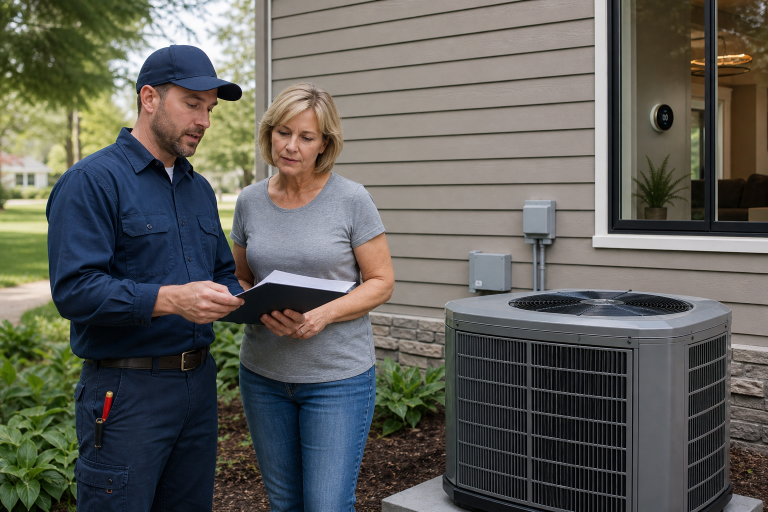
Ask for the quote to separate these line items:
Call for a free estimate:
- Diagnostic fee
- Part number and motor type
- Capacitor or module, if separate
- Labor
- Warranty on the replacement part
- Total installed price
Vague wording is a common problem here. “Replace blower components” is not specific enough if you are comparing estimates.
Should you repair the blower motor or replace it?
A targeted repair makes sense when the failed part is limited to a capacitor, belt, wheel cleaning issue, or a clearly isolated control component on an otherwise sound system. Full motor replacement makes more sense when the motor windings are damaged, bearings are failing, or the unit is older and the correct replacement part is still available at a reasonable installed cost.
Manufacturer warranty terms matter. Trane and Goodman both publish warranty documents showing that part coverage depends on registration status, equipment age, and model line. If the motor is covered but labor is not, the economics can change quickly.
A practical way to decide is to compare the installed repair cost with the system’s age and the condition of the rest of the air handler or furnace. If the system is relatively new and the diagnosis is narrow, repair is usually the cost effective answer. If the equipment is older and the repair involves an expensive ECM assembly plus additional control issues, replacement of the motor or broader equipment evaluation may be more sensible.
If your system uses an ECM, this related Abodence guide on HVAC variable-speed systems explains why the parts and control logic differ from older single-speed designs.
How do technicians diagnose HVAC blower motor problems correctly?
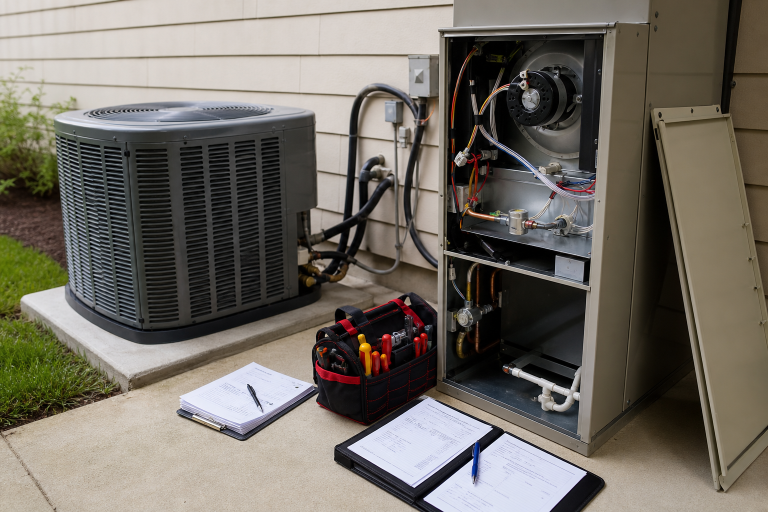
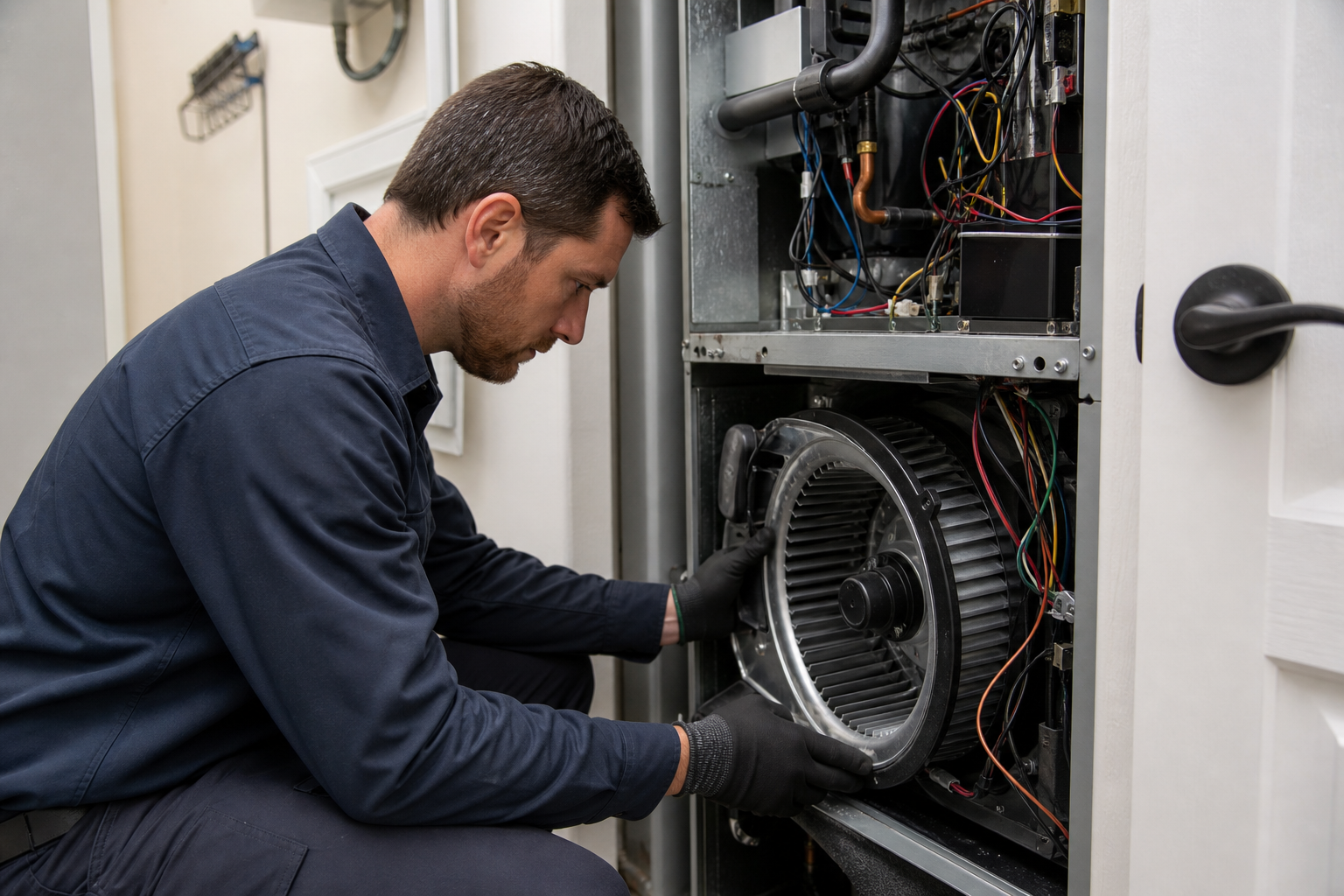
Accurate diagnosis starts with electrical testing, airflow verification, and inspection of the blower assembly before any part is ordered. A competent service professional should identify whether the issue is power supply, control signal, capacitor, module, winding failure, bearing wear, or mechanical drag.
What a solid diagnosis usually includes
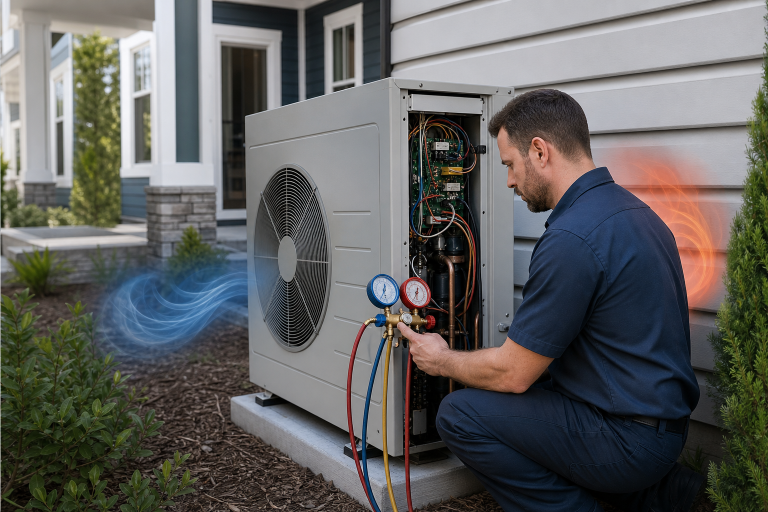
The service process should include voltage and amperage checks, inspection of the blower wheel, review of the capacitor on PSC motors, and confirmation that the thermostat and control board are sending the correct call for fan operation. On ECM systems, module communication and programmed settings may also need review.
If the system has a frozen coil, severe dirt buildup, or water around the air handler, those conditions should be addressed as part of the diagnosis because they can affect blower operation or point to a different root problem.
When is a blower motor problem urgent?
A hot electrical smell, repeated breaker trips, visible smoke, or a blower that will not shut off correctly should be treated as a prompt service issue. Those signs point to electrical or control faults that should not wait for routine scheduling.
By contrast, a noisy blower that still moves air is important but not always an emergency. The main risk is that a motor with failing bearings or overheating symptoms can stop completely at an inconvenient time, especially during very hot or very cold weather.
For broader heating and cooling upkeep, the Abodence HVAC category collects related guidance on system performance, maintenance, and replacement decisions.
What can you do before calling for service?
Checking the filter size and condition, confirming the thermostat is set correctly, and making sure supply and return vents are open are the main homeowner steps worth taking before a service call. Those checks are simple, low-risk, and often enough to rule out the most basic airflow issues.
Anything beyond that should stay with a licensed HVAC technician. Opening the blower compartment, testing capacitors, or handling motor wiring exposes you to electrical risk and can complicate warranty coverage if parts are damaged.
One simple note can help the visit go faster. Write down what the system is doing, when it started, whether the fan works in “On” mode, and whether the issue affects heating, cooling, or both.
How can you reduce the chance of future blower motor problems?
Regular filter changes, annual professional maintenance, and prompt correction of airflow problems are the most reliable ways to extend blower life. The goal is straightforward: keep the motor from running hotter or harder than it should.
Manufacturer maintenance literature commonly includes blower inspection and cleaning as part of routine service, especially where dust buildup is heavy. That service is often cheaper than waiting for a no-airflow call in peak season.
It also helps to use the filter type your system is designed for. A higher-MERV filter is not automatically better if the equipment and duct system cannot handle the added resistance. A Minimum Efficiency Reporting Value essentially indicates the filtration level which trapes particules, dust and bacteria. A higher rating means it filters out smaller particulate, thus allowing “cleaner” air to flow through than a lower MERV rating.
FAQ
Can an HVAC system run if the blower motor is bad?
Yes, some parts of the system may still power on, but without proper indoor fan operation the equipment cannot move air as intended through the house. That can lead to poor heating or cooling performance and may stress other components.
Is a blower motor the same as the outdoor AC fan motor?
No, the blower motor is usually the indoor fan motor in the air handler or furnace, while the outdoor unit has a separate condenser fan motor. The symptoms can seem similar, but the parts and repair approach are different.
Call for a free estimate:
How long does a residential blower motor usually last?
Service life varies widely with maintenance, airflow conditions, and motor type, so there is no single accurate number that fits every home. A technician can give a more useful opinion after checking wear, amperage draw, and the condition of the surrounding equipment.
Can a bad capacitor look like a bad blower motor?
Yes, older PSC blower systems often show hard-starting, humming, or intermittent fan operation when the capacitor is weak. That is why capacitor testing should come before motor replacement on compatible equipment.
Should you replace the whole HVAC system because of blower motor problems?
No, a blower issue alone does not automatically justify full system replacement. If the equipment is otherwise in good condition and the diagnosis is specific, a smaller repair may be the better decision.
If you need help sorting out blower symptoms or comparing repair quotes, Abodence can help you find the right next step for your specific HVAC situation.
Sources: Carrier product support guidance, Lennox installation and service literature, Trane warranty documents, Goodman warranty documents, HomeAdvisor 2025 pricing data, Angi 2025 pricing data