Roofing Materials Compared: Answers on Cost, Lifespan, and Warranty
Roofing materials compared, the clearest way to evaluate your options is to look at three verifiable factors side by side: installed cost, expected service life, and the written warranty terms published by manufacturers and industry sources.

Call for a free estimate:
For most homeowners, the real question is not whether one roof is universally “better,” but which material fits the home, climate, structure, budget, and long-term ownership plans. A lower upfront price can still cost more over time if the roof has a shorter service life, while a premium material may not make sense if the home may be sold well before the roof reaches midlife.
This guide compares common residential roofing materials using named sources, including the National Association of Home Builders, manufacturer warranty documents, the Slate Roofing Contractors Association, and 2025 cost references from HomeAdvisor. Cost figures below are broad market estimates and can vary by roof size, tear-off needs, pitch, region, and local labor conditions. This is an estimate, not a quote.
What roofing materials do homeowners compare most often?
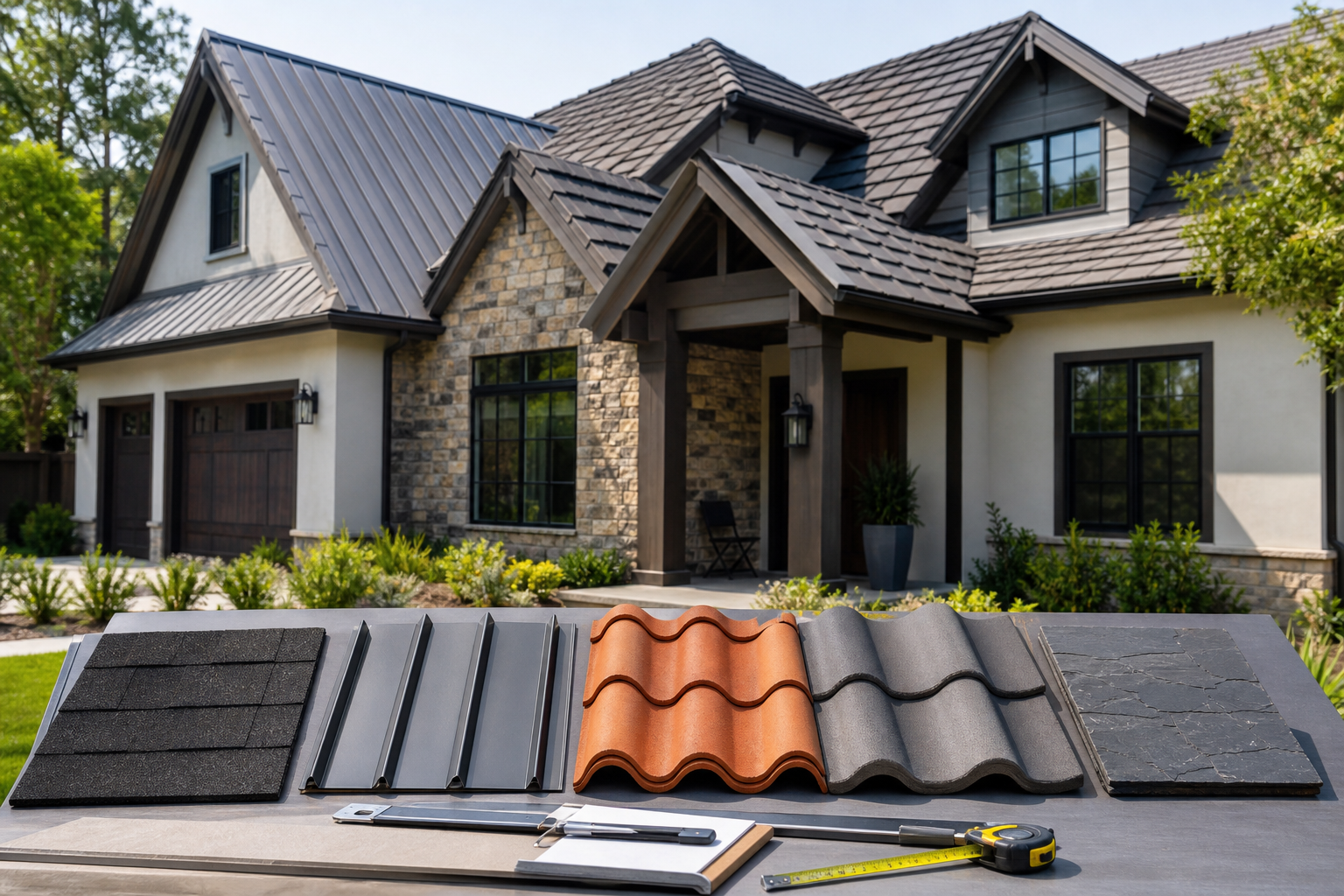
Homeowners most often compare asphalt shingles, metal roofing, clay or concrete tile, wood shakes or shingles, and slate because these are the most common residential categories with widely documented cost, lifespan, and warranty differences.
According to the National Association of Home Builders, common expected life ranges for roofing materials include about 20 years for asphalt shingles, about 50 years for metal, cedar shakes around 30 years, and slate, copper, and clay or concrete roofing at 50 years or more under favorable conditions. Those figures are broad planning benchmarks, not guarantees, and actual performance depends heavily on installation quality, ventilation, weather exposure, maintenance, and the specific product line.
That is why warranty language matters. A published limited warranty may cover manufacturing defects for a stated term, but it usually does not promise the roof will last that long in service. Manufacturer warranties also commonly include exclusions for improper installation, inadequate ventilation, ponding water, or storm damage.
How much do common roofing materials cost?
Common residential roofing materials typically run from about $4.25 to $40 per square foot installed in 2025, depending on the material, according to HomeAdvisor.
Using 2025 HomeAdvisor ranges as a general market reference, asphalt shingles often fall around $4.25 to $12.25 per square foot installed, metal roofing around $5.50 to $16, wood shingles around $8 to $14.30, clay tile around $12 to $25, concrete tile around $11 to $19.80, and slate around $12 to $40. These are broad U.S. estimates and can change with local labor rates, roof complexity, underlayment requirements, and whether the old roof must be removed first.
Quick cost comparison by material
| Material | Typical installed cost range | Common planning lifespan |
|---|---|---|
| Asphalt shingles | $4.25 to $12.25 per sq. ft. | About 20 years |
| Metal roofing | $5.50 to $16 per sq. ft. | About 50 years |
| Wood shingles or shakes | $8 to $14.30 per sq. ft. | About 30 years |
| Concrete tile | $11 to $19.80 per sq. ft. | 50 years or more |
| Clay tile | $12 to $25 per sq. ft. | 50 years or more |
| Slate | $12 to $40 per sq. ft. | 50 years or more |
The cost spread is large because roofing is not just material. Flashing details, structural repairs, disposal, steep-slope safety setup, local code upgrades, and accessory products can materially change the final number.
How long does each roofing material usually last?
Asphalt shingles generally have the shortest planning lifespan among mainstream residential options, while metal, tile, and slate are typically longer-lived according to the National Association of Home Builders and roofing trade associations.
For a practical comparison, asphalt is often chosen for lower initial cost and broad product availability. Metal is often considered when owners want a longer planning horizon and lighter weight than tile or slate. Clay and concrete tile are known for long service life but require a structure capable of supporting the load. Slate also has a very long service reputation, but material quality, fastening method, flashing quality, and installer expertise are especially important.
Why lifespan estimates are not guarantees
Lifespan figures are planning references, not promises. Manufacturer limited warranties are separate from expected service life, and severe weather, salt exposure, freeze-thaw cycles, poor attic ventilation, and installation defects can shorten roof life significantly. The Asphalt Roofing Manufacturers Association and major manufacturers make this distinction clearly in product literature and warranty documents.
What do roofing warranties actually cover?
Roofing warranties usually cover manufacturing defects under limited terms, but they often do not cover normal weathering, improper installation, poor ventilation, or unrelated leaks caused by flashing, chimneys, or structural issues.
For example, manufacturer published warranty documents for asphalt shingles commonly offer limited lifetime coverage on certain product lines for single-family detached residences, with non-prorated periods that vary by product tier. Metal roofing warranties often separate finish coverage from substrate coverage. Tile and slate systems may involve multiple components, each with different coverage terms. Workmanship coverage, when offered, is usually separate and comes from the installer, not the material manufacturer.
Questions to ask before relying on a warranty
- Is the warranty for materials only, or does it include labor?
- Is the term prorated after an initial period?
- Are specific underlayments, starter products, or ventilation requirements mandatory?
- Does transferability matter if the home may be sold?
- What exclusions apply for coastal exposure, hail, or high-wind zones?
Those details can matter more than the headline number in the brochure.
How do asphalt shingles compare on cost, lifespan, and warranty?
Asphalt shingles usually offer the lowest upfront installed cost among mainstream residential roofing materials, but they also tend to have a shorter planning lifespan than metal, tile, or slate.
According to the National Association of Home Builders, asphalt shingles are commonly planned at about 20 years, though some architectural products are marketed with longer warranty terms. Manufacturer documents from major brands such as GAF, Owens Corning, and CertainTeed show that warranty coverage can vary significantly by shingle line and by whether a full accessory system is installed.
Asphalt remains popular because it is widely available, comes in many colors and profiles, and is compatible with a broad range of home styles. It can be a sensible fit when budget is a major factor or when the home may not be held for several decades.
How does metal roofing compare on cost, lifespan, and warranty?
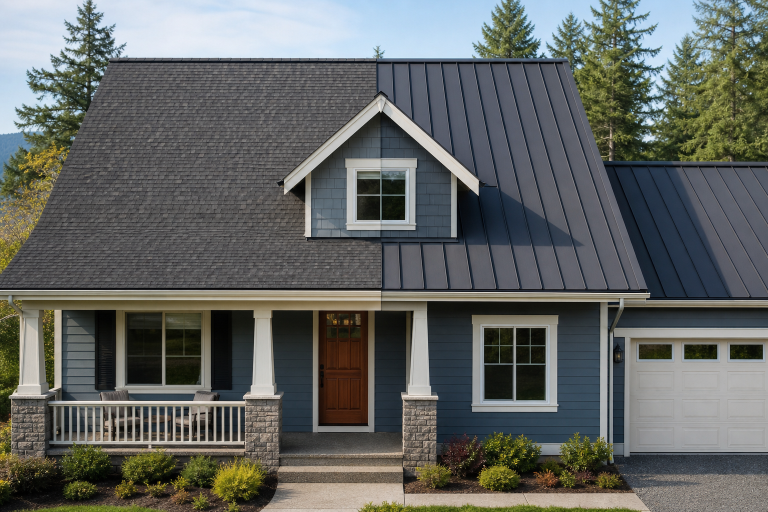
Metal roofing usually costs more upfront than asphalt shingles, but it commonly offers a longer planning lifespan, with the National Association of Home Builders listing about 50 years as a broad benchmark.
Call for a free estimate:
Metal roofing includes several categories, such as standing seam steel, aluminum, and exposed-fastener panels, and the details matter. Manufacturer warranty documents often distinguish between the metal substrate warranty and the paint-finish warranty, and coastal environments may have special terms. The Metal Roofing Alliance notes that product type, coating system, and installation method all affect long-term performance expectations.
Metal can also be lighter than tile or slate, which may matter for structural planning. However, not all metal roofs are the same, and comparing panel thickness, finish system, fastening method, and approved accessories is essential.
How do tile roofs compare on cost, lifespan, and warranty?
Clay and concrete tile roofs usually have higher upfront costs than asphalt or many metal systems, but they are widely recognized for long service life, often 50 years or more according to the National Association of Home Builders.
Tile performance depends on more than the tile itself. Underlayment, flashing, fastening, and the roof structure are critical. The Tile Roofing Industry Alliance and manufacturer technical documents emphasize that roof slope, climate exposure, and installation details all affect performance.
Clay tile vs. concrete tile
Clay tile is often selected for its classic appearance and color stability, while concrete tile is often chosen for a similar look at a different price point. Both are relatively heavy compared with asphalt, so structural capacity must be confirmed before replacement or conversion. Warranty terms vary by manufacturer and may cover the tile for a long period while assigning shorter terms to underlayment or accessory components.
How do wood and slate compare on cost, lifespan, and warranty?
Wood and slate sit at very different ends of the maintenance and premium-material spectrum, but both require closer attention to product specifications, local code considerations, and installer skill than a basic asphalt roof.
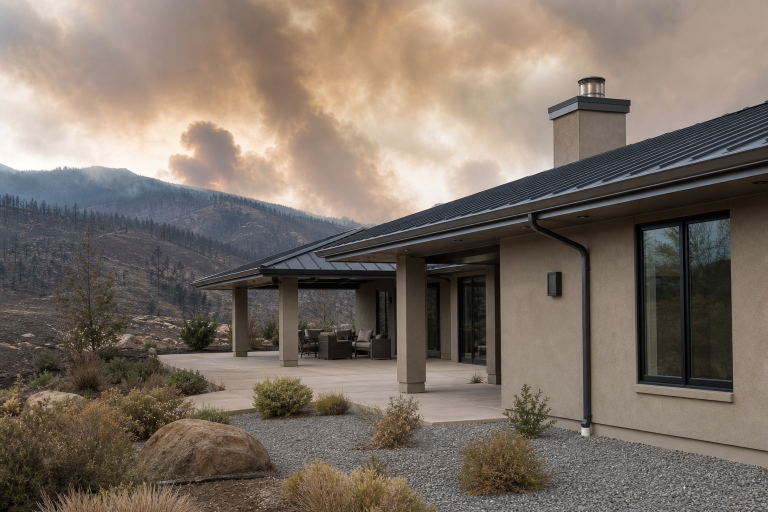
The National Association of Home Builders lists cedar shakes at about 30 years as a broad planning figure. Wood roofing can offer a distinctive natural appearance, but local fire codes, treatment requirements, moisture conditions, and maintenance expectations are important. According to the U.S. Forest Service and local building regulations, untreated wood roofing may face restrictions in some jurisdictions, especially in wildfire-prone areas.
Slate is one of the longest-lived roof materials in traditional construction, and the Slate Roofing Contractors Association documents service lives that can extend well beyond many other materials when quality slate is properly installed and maintained. But slate is heavy, expensive, and highly dependent on specialized installation and repair knowledge. Warranty terms can differ sharply between the slate itself and the rest of the roof assembly.
What should homeowners compare besides cost, lifespan, and warranty?
Homeowners should also compare weight, local code requirements, climate fit, maintenance needs, repairability, and whether the home structure can support the chosen roofing material.
Weight is a major example. Tile and slate can impose loads that require structural review before installation. In wildfire-prone or storm-prone regions, local code and product classification can matter as much as price. The International Code Council model codes and local jurisdictions may require specific fire or wind ratings, and product approvals can vary by region. For energy performance, the ENERGY STAR roof products program identifies roof products that meet reflectance criteria for certain applications, though energy savings depend on climate, insulation, attic ventilation, and the rest of the building enclosure.
Practical comparison checklist
- How long do you expect to stay in the home?
- Does the structure support heavier materials?
- What do local code, HOA rules, or historic district rules allow?
- How important are low maintenance and easier repairs?
- Do you want a material-specific installer with documented experience?
Is tear-off or overlay allowed for every roofing material?
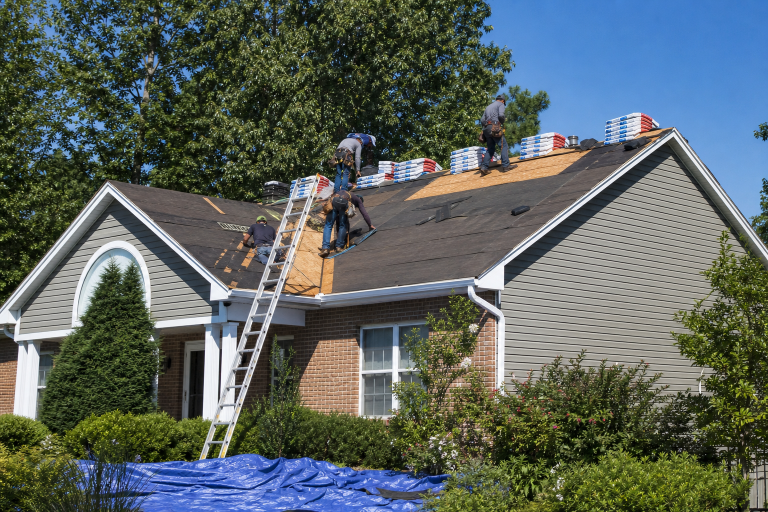
Tear-off and overlay are not interchangeable across all roofing materials, and whether an overlay is allowed depends on code, the existing roof condition, and the new material being installed.
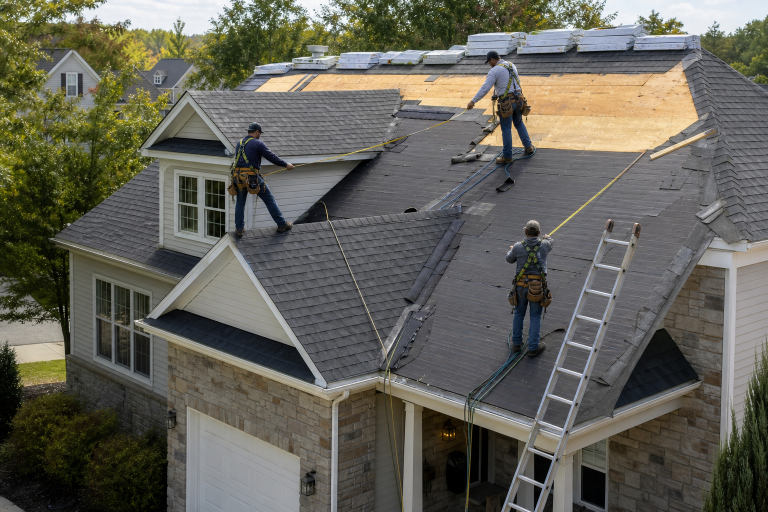
According to the International Residential Code, roof recover is not permitted in certain situations, including where the existing roof or roof covering is water-soaked or deteriorated to the point that the existing roof cannot serve as a base, or where there are already two or more applications of any type of roof covering. Many premium materials, including tile, slate, and many metal systems, are typically evaluated as full-system installations rather than simple overlays because underlayment, decking condition, flashing integration, and structural considerations are so important.
In other words, a lower-cost overlay option, when code-allowed, is mainly a conversation seen with some asphalt roof replacements, not a universal shortcut for every material category.
How should you choose among roofing materials compared side by side?
The right way to choose among roofing materials compared side by side is to match the material to your budget horizon, structural conditions, local climate, and the exact warranty terms for the specific product and installer.
If upfront budget is the main constraint, asphalt may be the most practical comparison point. If you want a longer planning lifespan without the weight of tile or slate, metal may be worth pricing carefully. If the home architecture and structure support it, tile or slate may align with a long ownership timeline. If appearance is the priority, narrow the choices by style first, then compare the actual written warranty and installed system requirements.
It is also smart to request quotes that separate material, tear-off, deck repair allowances, underlayment, flashing, ventilation changes, and workmanship coverage. That makes apples-to-apples comparison easier and helps avoid choosing based on a low number that excludes important parts of the system.
FAQ
What roofing material lasts the longest?
Slate, clay tile, and concrete tile are among the longest-lived common residential roofing materials, with broad planning lifespans of 50 years or more according to the National Association of Home Builders and roofing trade associations.
What is the cheapest roofing material to install?
Asphalt shingles are usually the lowest-cost mainstream residential roofing material to install, with 2025 HomeAdvisor ranges commonly starting around $4.25 per square foot installed. This is an estimate, not a quote.
Does a lifetime roof warranty mean the roof will last a lifetime?
No, a lifetime roof warranty usually means a limited manufacturer warranty term, not a guarantee that the roof will perform for a lifetime in all conditions.
Call for a free estimate:
Is metal roofing always better than shingles?
No, metal roofing is not universally better than shingles, because the comparison depends on budget, expected ownership period, climate, appearance goals, structural factors, and the exact product and warranty terms.
Can you install a new roof over an old one?
Sometimes, but not always, because the International Residential Code limits roof recover in several situations, including when the existing roof is deteriorated or when two or more roof coverings are already present.
If you want help comparing options for your home, you can request a quote or assessment through one of our brand partners. Good luck, keep an eye on the small print and enjoy your new roof!
Sources: National Association of Home Builders, HomeAdvisor, International Code Council, ENERGY STAR, Asphalt Roofing Manufacturers Association, GAF, Owens Corning, CertainTeed, Metal Roofing Alliance, Tile Roofing Industry Alliance, Slate Roofing Contractors Association, U.S. Forest Service