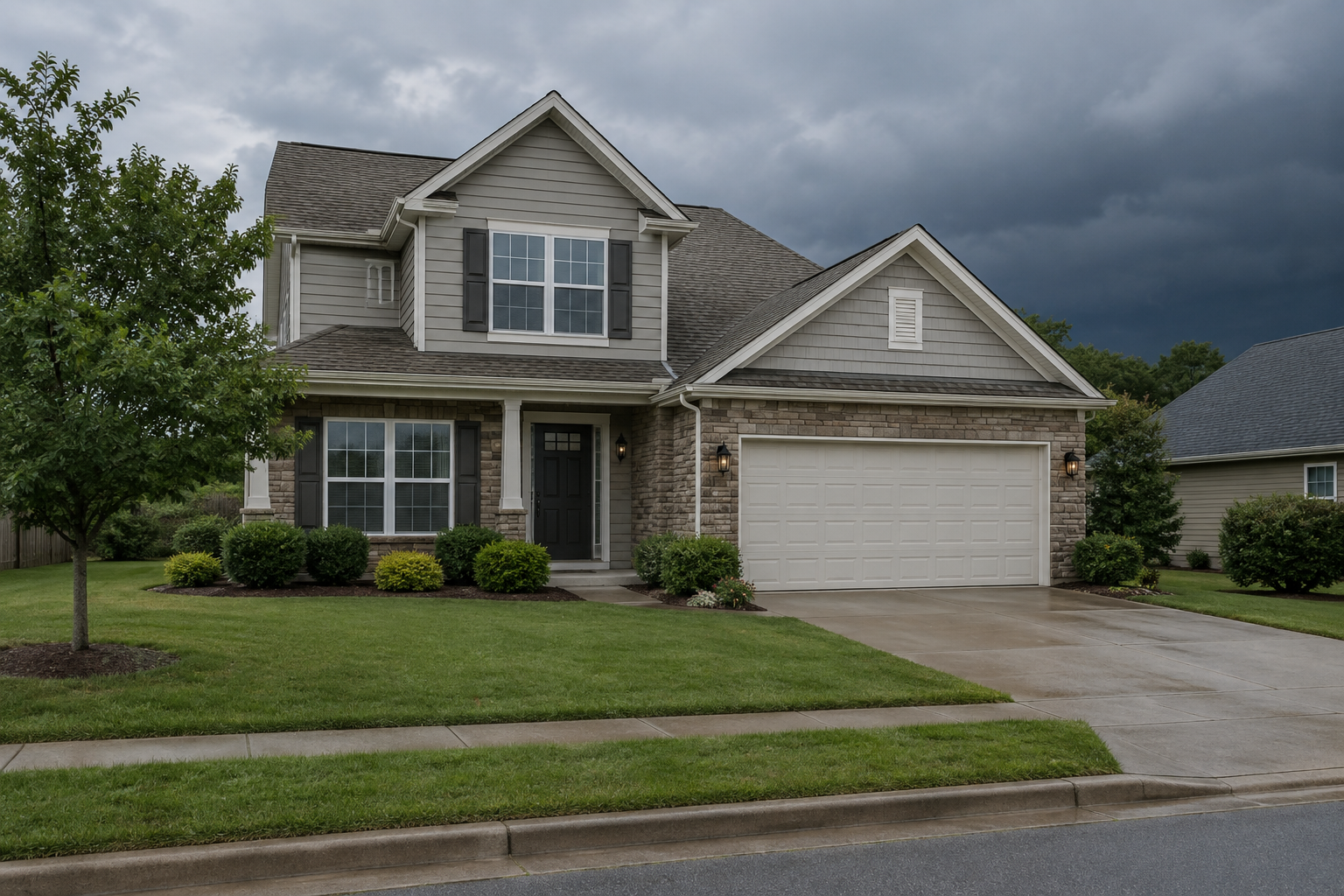
Guide to Securing An Empty Home During Storm Evacuation
When officials order an evacuation, leaving safely comes before any effort to protect possessions. The U.S. Department of Homeland Security’s Ready.gov evacuation guidance directs residents to follow local instructions, use designated routes, and prepare to leave quickly. Once people are out, a vacant home needs a simple plan that limits easy access, records its condition, and avoids creating new hazards while nobody is there.
Storm evacuation security is partly about burglary prevention, but it is also about knowing what happened to the property and returning without making a damaged building less safe. The sensible approach depends on the evacuation notice, the expected duration, available utilities, and whether flooding, wind damage, or structural concerns could affect the home.
What should be done before leaving an evacuated home?
Finish the life-safety tasks first, then secure entry points, document the property, and tell a trusted person how to reach you. Do not stay behind to complete a checklist if conditions are worsening or officials instruct residents to leave immediately.
Walk through the home, moving from the interior to the exterior. Close and lock doors, windows, garage doors, sheds, and gates. Bring vehicle keys, identification, insurance information, medications, chargers, and irreplaceable documents or items that are easy to carry. Ready.gov advises evacuees to take their emergency supply kit, follow local direction, and notify someone outside the affected area of their plans.
- Lock every accessible exterior door and window, including basement, side, patio, and garage entries.
- Close blinds or curtains where practical, while avoiding any arrangement that makes a visibly dark home look abandoned for an extended period.
- Move portable valuables out of plain view and away from windows. A locked closet or interior room is more useful than leaving items visible through glass.
- Bring a current photo ID, policy information, contact numbers, and a written list of any alarm or monitoring account details.
- Take dated photos or a short video of rooms, major belongings, exterior doors, and visible rooflines before departure.
- Tell a trusted contact where you are going and provide a spare key only if that person can lawfully and safely access the property.
Photographs are not a substitute for an insurance policy, but they create a baseline record of the home’s pre-storm condition. Save the files to a cloud account or send them to a trusted contact rather than leaving the only copy on a device inside the house.
Do not advertise, or imply, that the home is vacant on social media, neighborhood forums, or public comment threads.
Which security measures still make sense during a long vacancy?
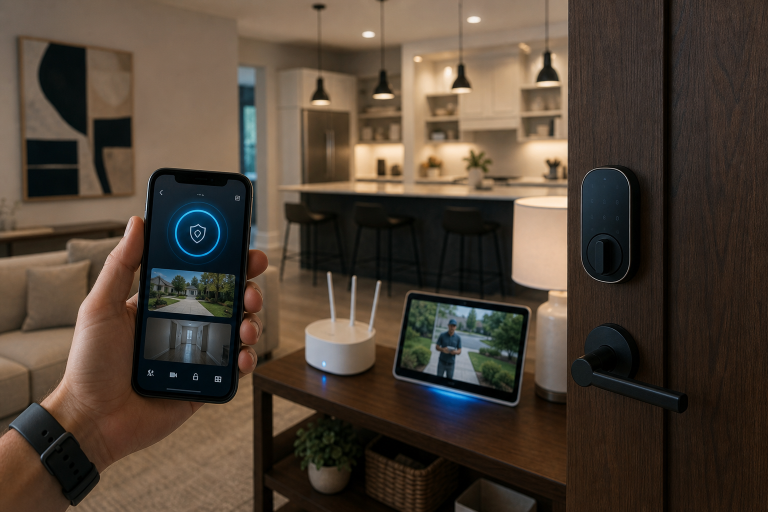
If the home already has an alarm, camera, smart lock, or monitored system, confirm that account contacts and emergency contacts are current. Check whether the equipment has a battery backup, whether the internet connection depends on power at the property, and where alerts will go if a device loses connection.
For remote security accounts, use a unique password and enable multifactor authentication where the provider offers it. The Cybersecurity and Infrastructure Security Agency’s Secure Our World guidance identifies strong passwords, multifactor authentication, and software updates as core protections for online accounts. Change shared credentials before evacuation if a former tenant, contractor, caregiver, or houseguest may still have access.
A camera can provide evidence or awareness, but it does not make an inaccessible property actively protected. For a closer look at planning around equipment and communications failures, see home security questions for power outages and storm damage.
Choose a check-in plan that does not put someone at risk
A trusted neighbor, property manager, or local contact may be able to report obvious exterior issues after authorities allow access, but that person should never enter an evacuation zone or a visibly damaged building for a property check. Give the contact a concise task: report a broken window, open gate, fallen tree, or exterior water intrusion, then notify the appropriate authority or insurer as needed.
Do not distribute spare keys widely in response to an evacuation. Keep a written record of who has each key, garage remote, gate code, and alarm code. This avoids a common post-disaster problem, where several well-meaning people have access but nobody knows who entered, when, or whether the house was re-secured afterward.
Should utilities be shut off before a storm evacuation?
Follow instructions from local officials and utility providers rather than shutting off systems by default. Conditions vary sharply between a wind evacuation, a flood evacuation, a winter outage, and a neighborhood closed because of structural damage. A blanket shutoff can create problems, such as loss of sump-pump operation, refrigeration, heating protection, or monitoring capability, while leaving utilities on may be unsafe in other circumstances.
Do not enter a flooded basement, a room with standing water near electrical equipment, or a building with suspected structural damage to reach a breaker, appliance, or valve. FEMA’s Returning Home After a Disaster fact sheet advises people to avoid entering a damaged building until it has been inspected for safety and to be alert to hazards including damaged electrical systems.
Before leaving, unplug small nonessential electronics only when it can be done safely and without delaying evacuation. Skip tasks that require climbing, moving heavy equipment, opening damaged panels, or working around water where there is obvious risk. If a local utility or emergency authority gives a specific shutoff instruction, follow that instruction and use its published contact number for clarification.
How can homeowners document loss without creating a security problem?
Keep a private, organized record that shows ownership and condition without posting detailed descriptions of valuables publicly. A video walk-through can capture furniture, appliances, finishes, serial numbers, and the condition of exterior openings. Photograph any existing roof, siding, window, or water damage separately so it is not later confused with storm-related loss.
Store the following outside the home, in encrypted cloud storage or with the evacuation paperwork:
- Insurance policy number, insurer claim contact information, and the policyholder’s contact details.
- Photos and videos taken before leaving, with original dates retained where possible.
- Receipts, appraisals, or serial numbers for higher-value items, if already available.
- A list of keys, codes, authorized contacts, and the date each person was given access.
- Notes about any pre-existing damage, repair work in progress, or contractor materials left on site.
After authorities reopen the area, document conditions before cleaning up or moving damaged contents, unless an immediate safety issue requires action. Notify the insurer promptly and ask what it needs before authorizing major cleanup or repair. Keep copies of communications, estimates, invoices, and receipts. Unclear scopes, verbal promises, and vague warranty language can become difficult to sort out after an emergency, especially when several trades are involved.
If storm damage affects roof openings, compare the condition against the signs discussed in this guide to roof repair versus replacement warning signs before agreeing to work that goes beyond temporary protection.
What should happen when residents are allowed to return?
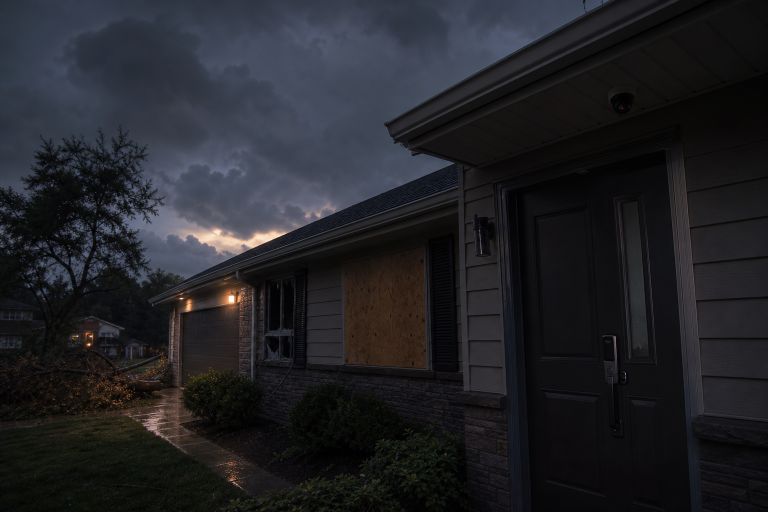
Return only after local authorities say the area is accessible, then assess the exterior before attempting to enter. Look for downed lines, unstable trees, damaged walls, shifted foundations, broken glazing, roof damage, standing water, unusual odors, or other plainly visible signs that the building may be unsafe.
FEMA advises residents returning after a disaster to watch for hazards, avoid floodwater, and have electrical systems checked if water has reached the building. If there is visible structural damage, standing water near electrical equipment, suspected gas damage, or a compromised entry that cannot be secured safely, contact the appropriate emergency utility, insurer, or qualified professional instead of trying to resolve it alone.
Make a time-stamped record of exterior conditions and each room before changing anything. Check locks, doors, windows, detached structures, and any security equipment for tampering or damage. If a burglary is suspected, avoid disturbing the scene, contact law enforcement through the appropriate non-emergency or emergency channel, and then notify the insurer and monitoring provider.
A forced entry can require more than replacing a broken lock. Rekeying or replacing hardware may be appropriate when keys or codes could have been compromised, while repairs to the door frame or strike plate may be necessary to restore the opening itself. The correct scope should be clear in writing before work begins.
How can a homeowner avoid poor security decisions after an evacuation?
Limit emergency spending to measures that address a known condition, such as replacing a damaged lock, boarding a broken opening, or restoring a failed alarm component. A full security-system upgrade is rarely the first decision to make when the home is still being assessed for water, roof, electrical, or structural damage.
Ask any service provider to separate temporary securing work from permanent repair, identify materials and labor, state what access or codes they need, and explain the warranty in writing. Decline proposals that rely on a verbal scope, demand broad access credentials without a reason, or pressure the homeowner to authorize unrelated work before the damage is documented.
Once the building is safe and the immediate repairs are defined, a licensed locksmith, security provider, or qualified contractor can provide a written assessment or quote for the specific access and security issues at the property. For additional help, please call a listed specialist for a free, no-obligation discussion.
FAQ
Should lights be left on in an evacuated house?
A few automatic lights may be reasonable if power is expected to remain available, but a fully lit house does not establish that someone is home and can waste power during a prolonged vacancy. Prioritize secure doors and windows, a reliable contact plan, and any existing monitored system over trying to imitate normal occupancy.
Can a neighbor check an evacuated property?
A trusted neighbor can report visible exterior problems after local authorities permit access, but should not enter a restricted area or a home with storm damage. Give that person limited, clearly documented access and ask them to report concerns rather than attempt repairs or confront anyone.
What should be photographed before evacuating?
Record each room, exterior openings, major belongings, and any existing damage that could later be confused with storm loss. Include close views of higher-value items and serial numbers when readily available, then store those records outside the property.
What if a security camera goes offline during the evacuation?
Confirm the outage through the provider’s app or account, but do not enter a restricted or unsafe area to restart equipment. Record the time the device stopped reporting, notify the monitoring provider if applicable, and wait for lawful access and safe conditions before arranging service.