Bed Bugs Are A Difficult Household Pest to Eliminate: What Homeowners Should Know
Bed bugs are widely considered the hardest household pest to eliminate in homes because they hide in tiny cracks, spread easily on belongings, and require a careful, multi-step treatment plan rather than a simple spray-and-done visit.
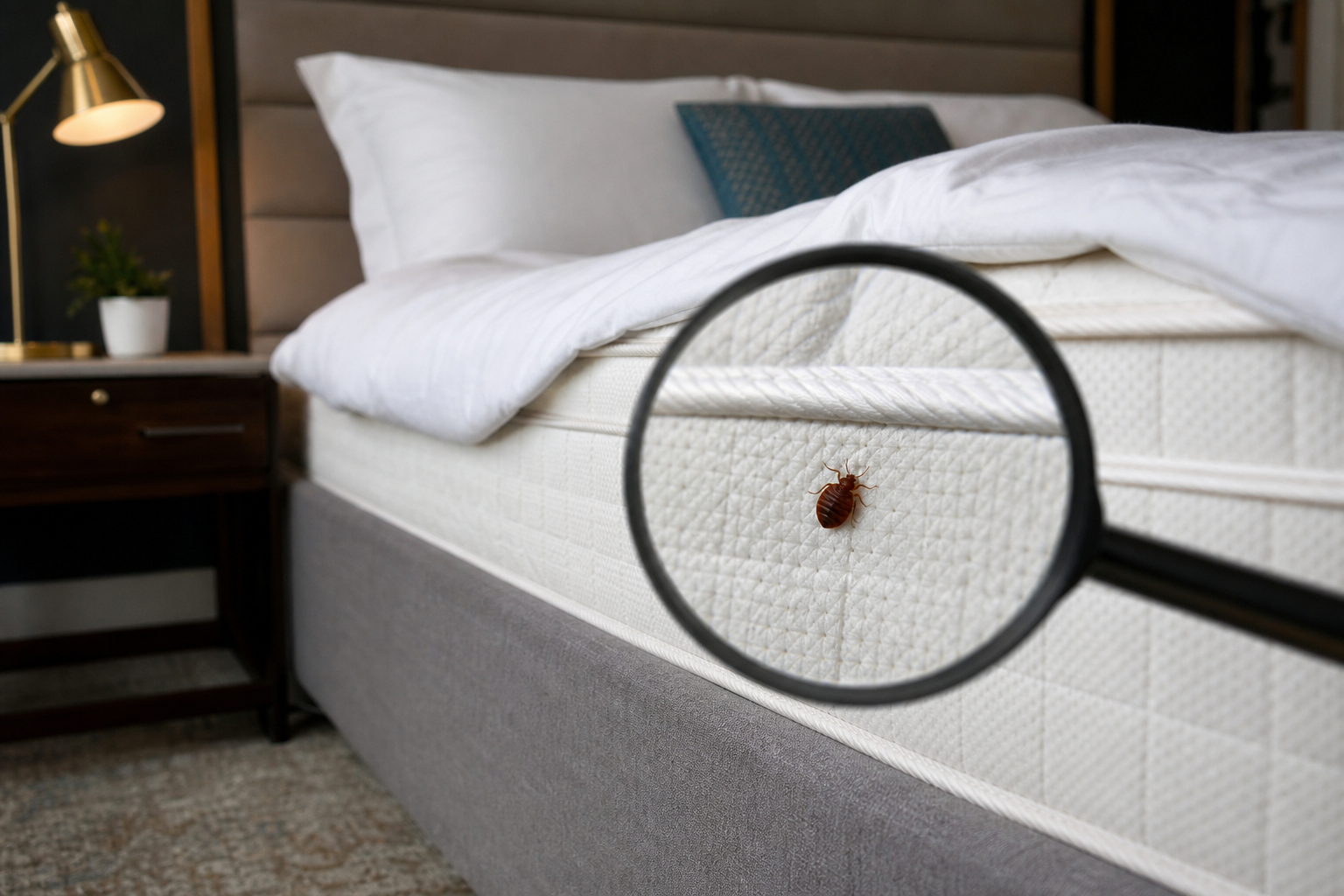
If you are trying to figure out which pest creates the toughest long-term problem, bed bugs deserve the most caution. Public guidance from the U.S. Environmental Protection Agency describes bed bug control as a process that usually needs multiple methods, close inspection, and follow-up. The Centers for Disease Control and Prevention also notes that bed bugs are hard to eliminate and that infestations can be difficult to prevent because the insects are small and good at hiding. According to the EPA’s bed bug appearance and life cycle guidance, adults are about the size of an apple seed and immature bed bugs are smaller, which helps explain why early infestations are easy to miss. The EPA’s prevention and control guidance also advises homeowners to use an integrated approach, including inspection, clutter reduction, laundering, encasements, and professional treatment when needed.
Why are bed bugs harder to eliminate than roaches, ants, or fleas?
Most common household pests can often be controlled by removing a food source, sealing a gap, or applying a targeted treatment, but bed bugs are harder because they live close to people, hide in inaccessible places, and can survive without frequent feeding.
University extension guidance from Purdue University explains that bed bugs tuck into mattress seams, bed frames, furniture joints, baseboards, and other narrow spaces. That makes them much harder to reach than ants trailing to a food source or many roaches concentrated around moisture and harborages in kitchens and baths.
Bed bugs also move with luggage, clothing, used furniture, and soft goods. That means the infestation is often larger than the spot where you first noticed bites or stains. A bedroom may be the center of the problem, but nearby upholstered furniture, closets, and adjoining rooms may also need attention.
Eggs are another reason control is difficult. EPA guidance explains that a successful plan usually includes repeat attention over time, in part because newly hatched bed bugs may appear after the first treatment. A single visit may be enough for some pests. Bed bugs often need more than that.
What makes bed bug treatment fail so often?
Incomplete inspection is one of the most common reasons a bed bug treatment fails, because any hidden pocket of insects or eggs can restart the infestation.
Failure also happens when the plan relies on one method alone. EPA guidance emphasizes integrated pest management, which means combining inspection, non-chemical steps, and carefully chosen pesticide use where appropriate. In practice, that may include laundering and heat-drying washable items, reducing clutter, using mattress and box spring encasements, vacuuming selected areas, and treating cracks, crevices, furniture, and room perimeters according to the product label and the treatment plan.
Another common problem is poor preparation. If clothing, bedding, and stored items are moved from room to room without a plan, the infestation can spread. The same risk applies when people discard furniture carelessly or bring infested items into hallways, cars, or storage areas.
Resistance matters too. The EPA’s bed bug pesticide guidance explains that some bed bug populations have developed resistance to certain pesticides, which is one reason product choice and application method matter. The University of Kentucky Department of Entomology publishes similar guidance on resistance and the limits of over-the-counter sprays.
Does that mean termites, roaches, or German cockroaches are easier?
In many homes, yes, because those pests usually have more predictable treatment targets even when the infestation is serious.
That does not make them easy. Termites can cause major property damage and usually need professional treatment. German cockroaches can be persistent and may require a detailed baiting and sanitation plan. Fleas can be stubborn when pets and indoor spaces are both involved. But the hardest pest to eliminate is often the one most likely to survive a partial treatment and remain hidden in everyday living spaces.
Bed bugs fit that description better than most household pests. They do not need crumbs in the kitchen. They do not stay near one obvious entry point. They live where people sleep, rest, and store fabrics, which gives them many protected hiding places.
How can you tell whether bed bugs are really the problem?
A confirmed identification matters more than guesswork, because several pest issues can look similar and the treatment plan changes completely depending on the insect.
The CDC and EPA both recommend looking for physical signs, not relying on bites alone. Useful signs include live bugs, shed skins, tiny white eggs, and dark spotting on mattresses, seams, bed frames, or nearby furniture. Purdue University Extension describes these same identifiers in its homeowner guidance.
Bites by themselves are not enough for a reliable conclusion. Skin reactions vary from person to person, and some people react very little. If you are not finding insects or clear evidence, a professional inspection is the practical next step.
If you are comparing treatment approaches, Abodence also covers eco-friendly pest control and where lower-toxicity methods fit into a real control plan.
What should a professional bed bug treatment plan include?
A credible plan should spell out inspection scope, treatment method, preparation steps, follow-up visits, and what happens if activity continues after the initial service. A reputable company should be able to explain which rooms will be inspected, whether adjoining rooms are included, whether treatment will be chemical, heat-based, steam-based, or a combination, and how many visits are expected. The National Pest Management Association and major university extension programs both describe bed bug control as a process rather than a one-visit commodity service.
Ask for the exact prep instructions in writing. Those instructions may include laundering and drying items on high heat if the fabric allows, bagging cleaned items properly, reducing clutter, and keeping treated and untreated items separate. If the prep list is vague, the results may be vague too.
You should also ask whether mattress and box spring encasements are recommended and whether monitors or interceptors will be used after treatment to help confirm that activity has ended. Those tools do not replace treatment, but extension guidance often includes them as part of a broader management plan.
Questions worth asking before you sign
- How will you confirm that the pest is actually bed bugs?
- Which rooms, furniture, and adjacent areas are included in the inspection?
- What treatment methods will be used, and why are those methods appropriate for this infestation?
- How many visits are included in the quoted price?
- What preparation is required from the homeowner?
- What follow-up inspection or monitoring is included?
- What happens if bed bug activity continues after treatment?
- Will you provide the product labels or names of pesticides used?
- Are laundering, encasements, steam, or heat part of the plan?
- Is the warranty limited by homeowner prep or by reintroduction from travel or used items?
How much does bed bug treatment usually cost?
For broad consumer pricing, Angi’s 2025 bed bug treatment cost guide lists a typical range that spans several hundred to several thousand dollars, with whole-home heat treatment often landing at the higher end. HomeAdvisor’s 2025 marketplace data shows a similarly wide range. Those are marketplace estimates rather than government price indexes, but for this specific service they are more useful than pretending there is one standard national price.
The cheapest quote is often tied to the narrowest scope. A low price may cover one room, one visit, or one treatment type without meaningful follow-up. A higher quote is not automatically better either. What matters is whether the scope matches the problem and whether the company explains how success will be verified.
If safety is part of your concern, Abodence also has a related guide on pest control safety for parents and pet owners.
Can you get rid of bed bugs without a professional?
Small, early infestations may sometimes be reduced with a disciplined, multi-step approach, but EPA guidance makes clear that complete elimination is difficult and many cases need professional help.
That is especially true once bed bugs have spread beyond one sleeping area or into upholstered furniture, wall voids, or multiple rooms. DIY products can also make things worse when they are overused, misapplied, or chosen without a confirmed identification. The EPA warns against using outdoor pesticides indoors and against using products in ways that conflict with the label.
If you have only a suspected problem and no confirmed evidence, paying for a professional inspection may be smarter than buying several off-the-shelf products at random.
What warning signs suggest the contract is too vague?
Missing details about follow-up, prep, and success criteria are the clearest signs that a pest control contract may leave you paying for less than you think.
Watch for proposals that promise complete elimination in one visit without explaining why that is realistic for your case. Be cautious with quotes that do not identify the treatment method, do not define the service area, or do not say whether adjacent rooms are included. Warranty language also deserves close reading. Some agreements are so narrow that almost any later activity is excluded as a new infestation.
You should also be wary of contracts that put all responsibility on the homeowner while giving the company broad room to limit follow-up. Preparation matters, but the written scope should still say what the company will do, how often, and how outcomes will be assessed.
For another example of how contract language can change what you really get, Abodence breaks down roof warranty terms in a similar plain-language way.
Are bed bugs always the hardest pest, no matter the situation?
No single pest is worst in every home, but bed bugs are a strong candidate when the question is the difficulty of elimination in lived-in residential spaces.
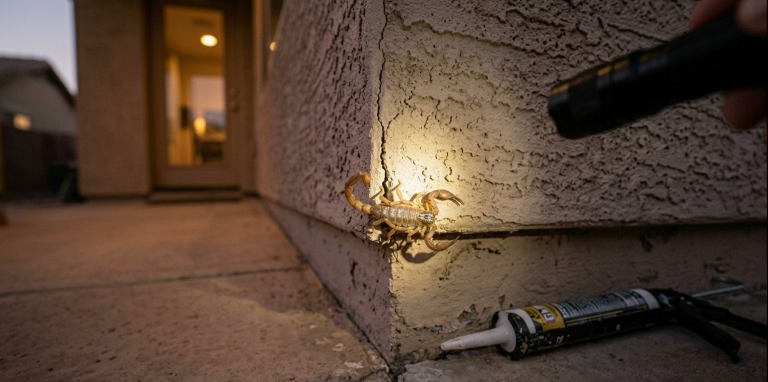
A severe termite infestation can be more destructive. German cockroaches can be harder in buildings with heavy clutter or sanitation issues. Scorpions can be stubborn in certain regions because exclusion work matters as much as spraying. Still, when the standard is how often a pest survives incomplete treatment and how easily it hides in normal household items, bed bugs are the most defensible answer based on EPA, CDC, NPMA, and university extension guidance.
FAQ
Are bed bugs harder to eliminate than German cockroaches?
In many homes, yes, because bed bugs hide in sleeping and living areas, spread on belongings, and often need repeated treatment and follow-up to fully eliminate.
Can one bed bug treatment visit be enough?
Sometimes it can, but EPA guidance indicates that many infestations need multiple methods and follow-up because eggs and hidden insects may survive an initial visit.
Is heat treatment better than chemical treatment for bed bugs?
The right method depends on the infestation and the provider’s scope, because both approaches can be useful when they are applied correctly and supported by inspection and follow-up.
Should you throw away a mattress if you have bed bugs?
Usually that is not the first step, because EPA guidance includes encasements and integrated treatment as common parts of control, and careless disposal can spread the problem.
How do you know a bed bug infestation is gone?
A reliable answer comes from follow-up inspection and monitoring over time, not from the absence of bites alone, because visible activity can drop before the infestation is fully eliminated.
If you are comparing bed bug treatment proposals and want help understanding the scope, warranty language, or follow-up plan, getting a few written quotes and reviewing them carefully is the practical next step. Please call a listed professional for a free, no-obligation discussion.
Sources: National Pest Management Association, Purdue University Extension, University of Kentucky Department of Entomology, Angi, HomeAdvisor