Energy-Efficient Window Frame Materials: What Homeowners Should Choose in 2026
Energy-efficient window frame materials matter because the frame affects insulation, air leakage, condensation resistance, maintenance, and long-term performance, not just the look of the window. If you are replacing windows or comparing quotes, the frame deserves as much attention as the glass package.

Call for a free estimate:
Homeowners often hear broad claims about one frame material being “better” than another. The more accurate approach is to compare verified performance labels, climate fit, and manufacturer specifications. According to the U.S. Department of Energy, heat gain and heat loss through windows are responsible for 25 percent to 30 percent of residential heating and cooling energy use, which is why frame choice and whole-window performance both matter.
The short answer is that fiberglass, vinyl, and well-built wood or wood-clad frames are usually the most energy-efficient practical choices for homes. Bare aluminum typically insulates less effectively unless it uses a thermal break, which is a built-in insulating barrier that slows heat transfer through the frame.
If you are still deciding whether you need inserts or a full-frame replacement, Abodence has a related guide on insert vs. full-frame window replacement that helps explain when frame condition changes the right choice.
What makes a window frame energy-efficient?
Good quality, efficient frames reduce heat flow, limit air leakage, and hold their shape well over time so the seals continue to work as designed. Those are the basics behind comfort and lower heating and cooling demand.
The National Fenestration Rating Council, or NFRC, provides standardized window performance ratings used across the industry. NFRC labels report whole-window measures such as U-factor, which shows how well a window prevents heat from escaping, and Solar Heat Gain Coefficient, which shows how much solar heat enters through the unit. A lower U-factor means better insulating performance, according to the NFRC energy performance label guidance.
That means the frame should never be judged in isolation. A high-quality frame paired with weak glass may underperform a different material paired with a stronger insulated glass package. For most homeowners, the best comparison point is the certified whole-window label first, then the frame material second.
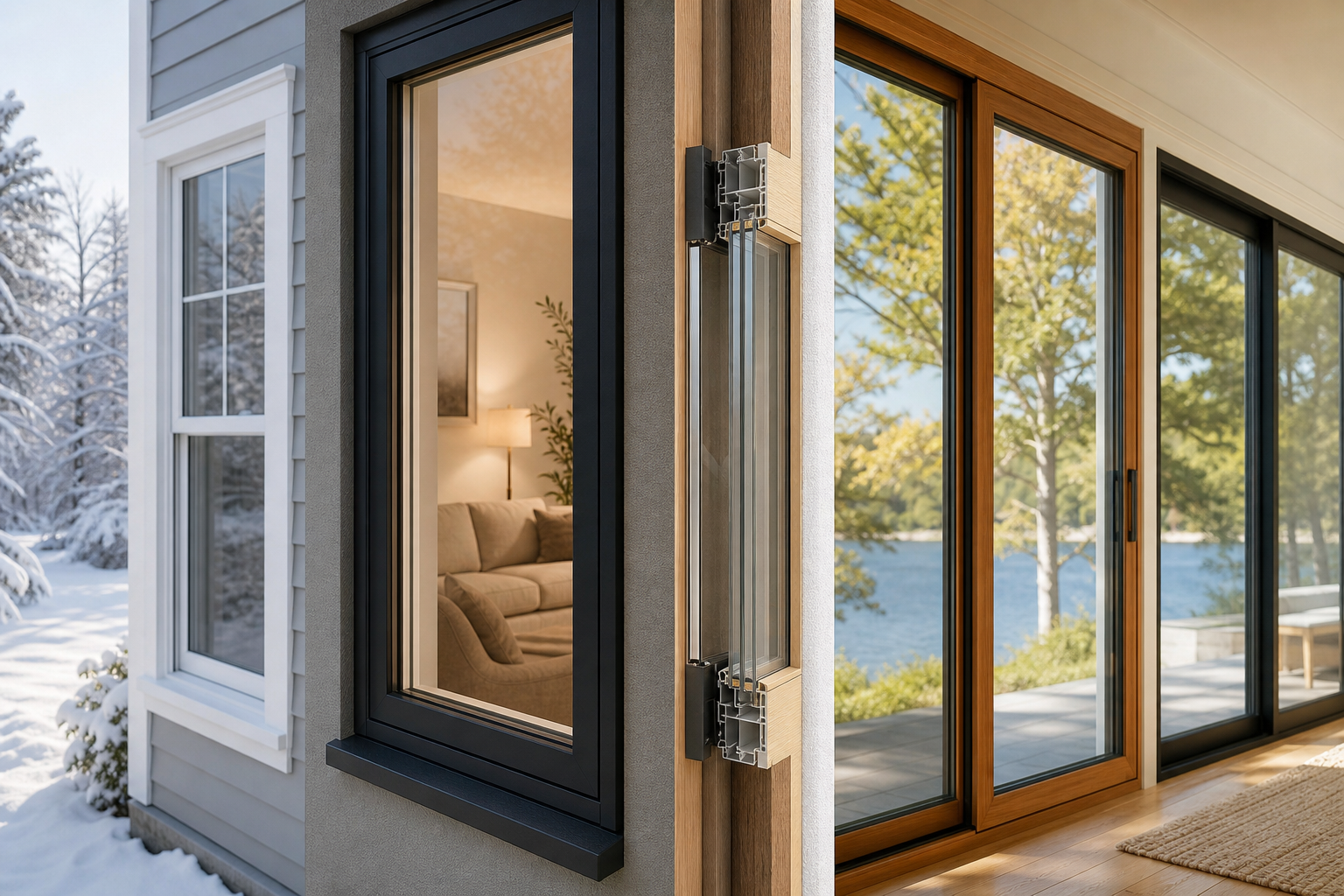
Frame design also matters. Multi-chamber vinyl profiles, insulated fiberglass systems, and wood interiors with exterior cladding can all improve performance, but the exact result depends on the tested unit rather than the material name alone.
Which window frame materials are usually the most energy-efficient?
Fiberglass, vinyl, and wood-based frames generally lead the field for residential efficiency, while standard aluminum usually trails unless it includes thermal-break technology. That ranking reflects common product design, not a blanket rule for every unit on the market.
Fiberglass frames
Fiberglass is widely considered a strong efficiency option because it is dimensionally stable, meaning it expands and contracts less with temperature swings than many alternatives. That can help preserve weatherstripping contact and seal performance over time.
Milgard’s published material guidance states that fiberglass frames are strong, durable, and perform well in temperature extremes. Marvin’s published product information also describes fiberglass as a low-expansion material that supports stable performance. Those manufacturer claims do not replace NFRC ratings, but they explain why fiberglass often performs well in real installations.
Fiberglass also tends to work well for larger window units because the material is rigid. If you want narrow sightlines without giving up efficiency, this category often deserves a close look.
Vinyl frames
Vinyl remains one of the most common efficiency-focused choices because it insulates well, resists moisture, and usually costs less than premium alternatives. Many vinyl frames use multiple internal chambers that slow heat transfer through the profile.
The Vinyl Institute describes PVC window frames as low-maintenance and thermally efficient, and many ENERGY STAR certified windows use vinyl frames. According to ENERGY STAR window and door guidance, certified products must meet climate-zone-specific performance requirements, which is a more useful benchmark than marketing language alone.
Vinyl’s tradeoff is appearance and structural feel, which can vary a lot by product line. A cheap vinyl frame and a well-engineered vinyl frame are not the same thing. Reinforcement, profile thickness, and tested air leakage numbers matter.
Wood and wood-clad frames
Wood is a naturally insulating material and can be an excellent efficiency choice when the unit is built and maintained well. It also remains popular in historic homes and higher-end projects where interior appearance matters.
Pella and Andersen both publish product literature showing wood’s insulating advantages relative to metal frames, while also noting the maintenance demands of exposed wood. In practice, many homeowners choose wood interiors with aluminum or fiberglass exterior cladding to reduce weather exposure while keeping the warmer interior look.
This option can perform very well, but it is usually not the simplest answer if your main goal is low maintenance. If the exterior finish fails and water gets into the frame, efficiency is no longer the only concern.
Aluminum and thermally broken aluminum frames
Standard aluminum transfers heat readily, so it is usually less efficient in homes than vinyl, fiberglass, or wood. That is a material property, not a brand issue.
The Aluminum Association and multiple commercial window manufacturers describe thermal breaks as insulating barriers placed between interior and exterior aluminum sections. Those designs improve performance significantly compared with non-thermally-broken aluminum. Even so, many residential buyers still find that other frame categories reach strong efficiency targets more easily.
Call for a free estimate:
Aluminum may still make sense when you prioritize slim profiles, specific architectural styles, or coastal durability details. The right question is whether the exact tested unit meets your climate and comfort goals.
How should you compare window frame materials without getting misled?
The safest way to compare options is to line up certified labels, air leakage data if available, and warranty terms for the exact model you are considering. Broad material claims are too vague to rely on by themselves.
Start with the NFRC label. Compare U-factor first if you are concerned about winter heat loss or overall insulating value. Compare Solar Heat Gain Coefficient next if summer overheating is a concern. In northern climates, lower U-factor usually gets the most attention. In hot sunny climates, balancing U-factor and solar heat gain becomes more important.
Then check whether the unit is ENERGY STAR certified for your climate zone. ENERGY STAR publishes regional criteria because the same window is not ideal everywhere.
After that, look at manufacturer-published air leakage ratings and condensation resistance information if they are available. Not every homeowner asks for those numbers, but they are often where product differences become clearer.
- Ask for the NFRC label for the exact window configuration, not a similar model.
- Confirm whether the frame is standard aluminum or thermally broken aluminum.
- Check whether the quoted performance applies to double-pane or triple-pane glass.
- Read the warranty for finish, frame, glass seal, and labor coverage separately.
- Make sure the installer lists the full scope, including flashing, insulation, and interior or exterior trim work.
Unclear quotes are common in window sales. A proposal may emphasize glass upgrades while staying vague about the frame series, spacer system, or installation method.
Which frame material is best for different climates?
Cold and mixed climates usually favor low-U-factor windows in vinyl, fiberglass, or well-built wood-based frames, while hot climates often focus more on solar control alongside frame insulation. The right fit changes by region.
According to the U.S. Department of Energy, climate affects whether you should prioritize reducing heat loss, limiting solar heat gain, or balancing both. That same logic applies when choosing a frame.
Fiberglass often appeals in places with large seasonal temperature swings because the material stays relatively stable. Vinyl is a practical fit in many climates when the product is well made and properly installed. Wood or wood-clad frames can perform very well in cold regions, especially when appearance and interior finish are part of the decision.
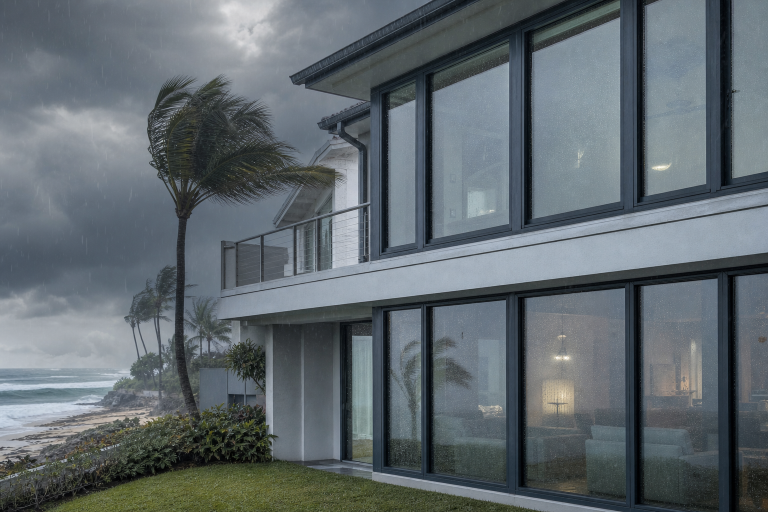
In very hot, sunny regions, frame efficiency still matters, but low solar heat gain glass may drive comfort more than the frame material alone. In coastal or high-exposure conditions, durability against moisture and salt air can become part of the energy conversation because worn components can undermine long-term sealing performance.
Does installation matter as much as the frame material?
Yes, a high-performing frame can underperform if the installation leaves gaps, poor flashing details, or out-of-square operation. The tested window and the installed window are only the same if the opening is prepared and sealed correctly.
The American Architectural Manufacturers Association installation standards and manufacturer instructions both stress that water management, shimming, fastening, and perimeter sealing are part of the system. A better frame does not fix a bad opening.
This is where homeowners often overspend in the wrong place. Paying more for a premium frame while accepting a vague installation scope is a weak trade. In many homes, a solid mid-tier frame with a clearly documented installation plan is the better buy.
If your current issue is air leakage rather than full replacement, simpler repairs may help first. Abodence also has a guide on drafty window repair if you want to sort out whether the problem is the unit, the frame, or the surrounding air sealing.
How much do energy-efficient window frame materials cost in 2026?
Expect replacement window projects in 2026 to vary widely, with vinyl usually at the lower end, fiberglass in the middle to upper range, and wood or wood-clad often higher, depending on size, glass package, and installation scope. The exact cost range for a home is usually driven as much by labor and opening condition as by frame material.
For a broad market benchmark, Remodeling magazine’s 2024 Cost vs. Value Report lists a national average of $21,264 for 10 vinyl windows and $25,799 for 10 wood windows in its upscale wood replacement category, based on its published 2024 methodology. Those figures are project averages, not per-window price tags, and they include more than the frame itself. Manufacturer upgrades, local labor, historic trim details, and full-frame work can push totals well above those numbers.
Because national averages are blunt tools, use them only to set expectations. The useful comparison is the written quote for the exact unit, installation method, and finish work in your home.
What are the most common mistakes homeowners make when choosing window frames?
The biggest mistakes are comparing materials without certified ratings, treating all products in one category as equal, and overlooking installation scope in the quote. Those errors lead to disappointment more often than choosing the “wrong” material on paper.
Another common mistake is paying for a premium frame when the existing opening, trim condition, or installation plan has not been addressed. If the rough opening has water damage or the frame is out of square, that issue should be resolved before debating small efficiency differences between product lines.
Call for a free estimate:
Some homeowners also assume triple-pane automatically makes every frame choice better. In reality, the full unit gets heavier and more expensive, and not every climate or budget justifies that upgrade. The better question is whether the tested performance gain is meaningful for your region and your utility costs.
- Choosing by frame material name alone.
- Ignoring the NFRC label for the exact model.
- Accepting a quote that does not define flashing and insulation details.
- Overbuying premium features for a mild climate or low-exposure opening.
- Assuming replacement is required when targeted repair may solve the problem.
Which energy-efficient window frame material is the best choice for most homeowners?
For many homes, a well-made vinyl or fiberglass frame offers the strongest balance of efficiency, maintenance, and cost, while wood or wood-clad fits buyers who value appearance and are prepared for a higher price or more upkeep. The best answer is the one that performs well on the NFRC label and fits the conditions of your home.
Vinyl is often the practical value choice. Fiberglass is often the stronger premium-efficiency choice when budget allows. Wood or wood-clad can be excellent, especially in architectural or historic settings, but it should be chosen with full awareness of maintenance and price.
One detail is worth keeping in view. A modestly priced certified window that is specified clearly and installed correctly will often serve you better than a premium product sold through a vague proposal.
FAQ
Are fiberglass window frames more energy-efficient than vinyl?
Often, yes, fiberglass frames can be extremely efficient, but the exact answer depends on the tested whole-window rating. A well-built vinyl unit can outperform a weaker fiberglass unit if the full design and glass package are better.
Are wood window frames still a good energy-efficient option?
Yes, wood remains a strong insulating material and can perform very well when the window is well built and maintained. Many homeowners choose wood-clad designs to keep the interior look while reducing exterior upkeep.
Is aluminum always a poor choice for efficient windows?
No, thermally broken aluminum can perform much better than standard aluminum, especially in specialized designs. For many homes, though, vinyl, fiberglass, or wood-based frames reach efficiency goals more easily.
Should you prioritize frame material or glass package first?
Start with the whole-window rating because certified U-factor and solar heat gain numbers reflect how the full unit performs. The frame still matters, but the label gives you the better apples-to-apples comparison.
Can better window frames lower energy bills on their own?
Yes, efficient frames can help reduce heat loss and air leakage, but the result depends on the entire window, the installation quality, and your climate. The Department of Energy treats windows as part of the home’s overall heating and cooling load, not as a stand-alone fix.
If you are comparing window proposals and want help sorting out frame options, ratings, and installation scope, you can always call a listed specialist for a free, no-obligation discussion.
Sources: Milgard product material guidance, Marvin product information, Vinyl Institute, Pella product literature, Andersen product literature, Aluminum Association, AAMA installation standards, Remodeling Magazine Cost vs. Value Report 2024