Critical Window Security: Smart Ways to Strengthen Doors and Windows Against Break-Ins
Window security matters because doors and windows are the parts of a home that intruders usually test first. A stronger setup does not make a house invulnerable, but it can make forced entry slower, louder, and more likely to fail. According to the U.S. Consumer Product Safety Commission, many home window and door products include locks and safety devices, but those features only help when the product is properly selected, installed, and used as intended.

Call for a free estimate:
If you are trying to improve security, the best approach is usually layered. Start with the openings that are easiest to reach. Then look at hardware strength, glass type, frame condition, lighting, visibility from the street and from inside the home. In many cases, replacing weak screws, adding secondary locks, or correcting an installation problem is more useful than buying the most expensive new unit.
Why are secure windows and doors so important?
They are important because the building is the first physical barrier between your home and an attempted break-in. The U.S. Department of Energy notes that windows and doors are assemblies made up of glass, frame, sash, and hardware, and each part affects how the unit performs. For security, that means a strong lock alone is not enough if the frame is loose, the latch does not fully engage, or the glass can be defeated easily.
Secure openings also help with other risks besides burglary. Better latching and stronger components can reduce damage during severe weather, improve child safety when used with appropriate safety devices, and help preserve the conditions required by some manufacturer warranties. For example, Andersen and Pella both publish owner and warranty materials that tie product performance to proper installation, adjustment, and maintenance.
Which parts of a window or door matter most for security?
The most important parts are the lock, the frame connection, the glass or glazing, and the way the unit is installed into the wall. The National Glass Association and NFRC documentation make a useful distinction here: performance labels tell you about energy and tested product characteristics, but they do not automatically mean the installed unit has strong real-world security if the surrounding frame or fasteners are poor.
Locks and latches
Multi-point locking systems generally secure the panel at more than one location, which can improve resistance compared with a basic single-latch setup on some door types. Many major manufacturers, including Marvin and Pella, offer multi-point hardware on hinged and sliding patio doors for that reason. On windows, cam locks and sweep locks help the sash close tightly, but they are only effective if the keeper is aligned and the sash fully seats.
Frames and fasteners
Longer screws that anchor hardware into structural framing can offer a meaningful upgrade when the original screws only bite into trim or a thin jamb. This is a common recommendation in published hardware guidance from door and lock manufacturers such as Schlage. It is a practical fix because forced entry often exploits the area around the strike plate or lock body rather than the lock mechanism itself.
Glass and glazing
Laminated glass holds together when broken because an interlayer keeps the pieces bonded. According to the Federal Emergency Management Agency, laminated glazing is used in assemblies where impact resistance and retained barrier performance matter. That does not turn every residential window into a security window, but it does explain why laminated glass is often part of stronger window and door packages.
Installation quality
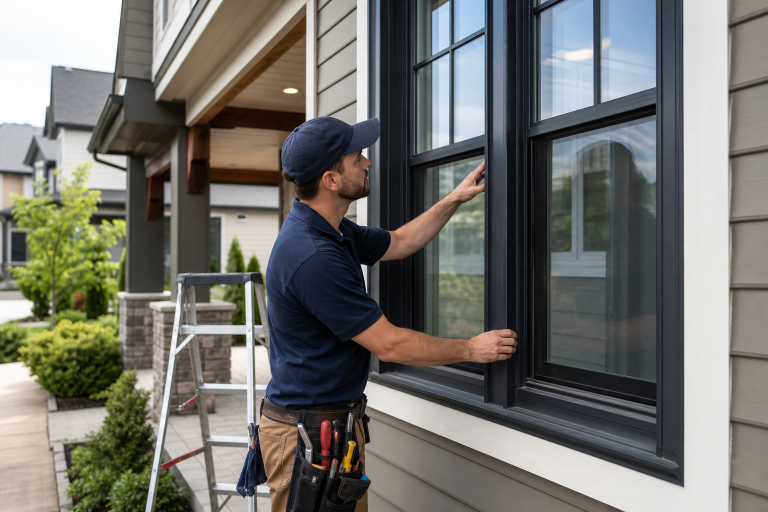
A premium product can still perform poorly if the frame is out of square, the lock side flexes, or the sash drags and never fully engages. Manufacturer installation instructions from JELD-WEN and Andersen both stress plumb, level, square installation and proper fastening. For homeowners, the takeaway is simple: a misaligned unit is a security problem, not just a convenience problem.
What are common security weak points homeowners miss?
Commonly overlooked problems are usually simple ones: loose strike plates, rotted wood near lock hardware, sliding door rollers that let the panel lift, basement windows with aging latches, and windows that no longer close tightly. These issues matter because they reduce the amount of force needed to defeat the opening.
Another common weak point is reachability. Ground-floor windows hidden by tall shrubs, side doors screened from neighbors, and patio doors at the rear of the home tend to deserve attention first. The Cybersecurity and Infrastructure Security Agency advises homeowners to focus on entry points, visibility, lighting, and functioning locks as part of a basic home security plan.
- Front and side doors with short strike-plate screws
- Sliding patio doors without a secondary bar or pin
- Double-hung windows with worn sash locks
- Basement or garage windows with outdated hardware
- Door frames with split wood or loose casing near the latch
- Glass panels close to thumb-turn locks or key cylinders
How can you improve window security without replacing every window?
Several lower-cost upgrades can make existing windows harder to force, provided the frames are still sound. Start with hardware that actually engages, then move to reinforcement and visibility improvements. Full replacement is usually the right move only when the sash, frame, or locking area is damaged, badly warped, or no longer serviceable with manufacturer parts.
Upgrade the locking hardware
Replacement sash locks, keyed vent locks, and pin-style secondary locks are available for many common window types. Match the hardware to the exact window operation and material. A lock that fits poorly or requires improvised mounting can weaken the sash or void parts coverage under published manufacturer terms.
Add security film only with realistic expectations
Aftermarket security film can help broken glass stay together, but film alone does not make the full window assembly equivalent to a tested security glazing system. 3M and other film manufacturers publish installation and attachment requirements that affect performance. If the goal is serious forced-entry resistance, ask whether the film is part of a system that includes edge attachment and whether the installer can document the product used.
Use laminated or impact-resistant glass where replacement makes sense
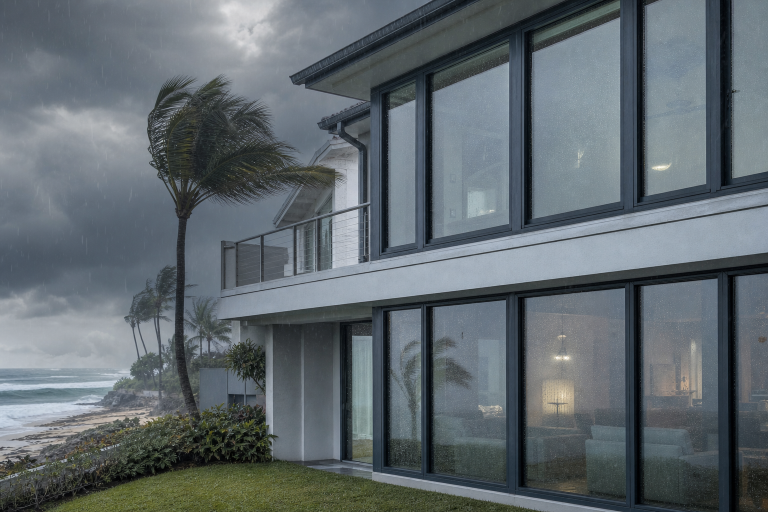
When a pane or sash already needs replacement, laminated glass may be worth consideration for accessible first-floor windows or glass near doors. It can improve retained barrier performance compared with standard annealed glass. If storm exposure is also a concern, a purpose-built product may overlap with security goals. Abodence covers that tradeoff in impact-resistant windows.
Correct the surrounding conditions
Trim shrubs that conceal windows, improve exterior lighting, and keep ladders and tools secured. Those steps do not strengthen the unit itself, but they reduce opportunity and make suspicious activity easier to notice.
What makes a door more resistant to forced entry?
A more secure door usually depends on the frame and latch area as much as the slab itself. The Door and Hardware Institute and major lock manufacturers consistently emphasize that the strike, hinges, fasteners, and jamb condition determine whether the assembly can resist kick-in force.
For many homes, the practical upgrades are straightforward. Reinforcing the strike area, using longer screws where the manufacturer allows, replacing a weak deadbolt with a properly rated model, and adding a secondary lock on a patio or side door can materially improve resistance. If the door is hollow, split, or loose in the opening, replacement may be more sensible than adding premium hardware to a failing assembly.
Sliding and patio doors need their own approach
Sliding doors often benefit from anti-lift devices, properly adjusted rollers, and a secondary bar or pin that limits movement. Many manufacturer care guides describe roller adjustment and lock alignment because a panel that does not sit correctly in the track can compromise both operation and security.
Call for a free estimate:
If you are comparing products or installers, Abodence also has a guide on how to vet door and window installers before you buy.
When is replacement the better choice than reinforcement?
Replacement is usually the better choice when the frame is deteriorated, the sash or slab no longer aligns, parts are unavailable, or the glass package itself is the core weakness. Reinforcement works best when the existing unit is fundamentally sound and the problem is limited to hardware or minor installation issues.
Wood rot around lock areas is a good example. Filler and cosmetic repair may improve appearance, but they do not reliably restore the strength needed at a heavily stressed latch point. The same is true for a door jamb that has already split or a vinyl window frame that has distorted enough to prevent full lock engagement.
On the other hand, replacement is not automatically justified just because a salesperson says your current windows are “unsafe.” Ask for a specific explanation of the failure point. If the issue is a worn lock, missing keeper, or poor adjustment, a targeted repair may solve the problem at far lower cost.
How should you evaluate security claims from window and door salespeople?
A tactical way to evaluate security claims is to ask for the exact product specification, the exact glazing type, and the exact hardware package in writing. General phrases such as “security glass,” “commercial-grade,” or “burglar-proof” are not enough on their own. Real performance claims should connect to a named product line, a listed component, or a test standard.
Look for specifics such as laminated insulating glass, multi-point lock hardware, reinforced strike area, or impact-rated assembly. Then ask whether those features are standard or optional on the quoted unit. A showroom sample may display upgrades that are not included in the base proposal.
- Ask for the full model or series name
- Ask which lockset or hardware package is included
- Ask whether the quoted glass is tempered, laminated, impact-rated, or standard
- Ask whether installation includes frame repair or only insert replacement
- Ask what warranty applies to glass, hardware, and labor separately
- Ask whether replacement parts remain available for the product line
What role do alarms, sensors, and cameras play in window security?
Electronic security is mainly a second layer that detects or records activity after physical barriers have done their job. Contact sensors can alert you when a window or door opens. Glass-break sensors may detect certain break patterns, depending on placement and room acoustics. Cameras add visibility, but they do not physically stop entry.
That layered approach is why strong hardware still comes first. If a slider can be lifted from the track or a latch barely catches, smart devices are compensating for a weak opening rather than supporting a strong one. For homeowners weighing camera coverage and pricing, Abodence has a separate guide to security camera installation cost.
What can you do after a break-in or attempted forced entry?
Immediate professional help is often the right move when an entry point has been forced, damaged, or left unable to lock securely. A compromised door or window can fail again more easily, and broken glass or bent hardware may create additional hazards. Secure the opening, document the damage, and arrange repair or replacement based on the condition of the frame, sash, slab, and lock area.
If the incident involved a lock defeat or stolen keys, rekeying or lock replacement may be necessary in addition to repairing the opening itself. Abodence covers those first steps in break-in lock rekeying and security steps after a forced entry.
How can you prioritize upgrades if your budget is limited?
An effective order is usually to start with the most accessible and least visible openings first, then the weakest hardware, then the glass upgrades that address the highest-risk locations. That sequence tends to deliver better security value than replacing every unit at once.
Start with first-floor and basement windows, rear patio doors, and any side entry hidden from the street. Next, fix doors with weak strike areas or poor deadbolt engagement. After that, consider laminated glass or full replacement only where the existing assembly cannot be made dependable.
A sensible plan often looks like this:
- Repair or replace failed locks and misaligned hardware
- Reinforce vulnerable strike areas and sliding door movement
- Address concealed openings with lighting and landscape changes
- Upgrade selected glass in the most exposed locations
- Replace units that are structurally unsound or no longer serviceable
You do not need every premium feature to make meaningful progress. You need the weak points identified accurately and fixed in the right order.
If you need help comparing repair versus replacement for specific doors or windows you can connect with a qualified local pro for a free, no-obligation discussion. Just call one of the listed numbers.
Sources: Andersen installation and warranty documents, Pella owner and warranty documents, Marvin hardware product information, JELD-WEN installation instructions, Schlage hardware guidance, National Glass Association technical resources, NFRC consumer and product information, Door and Hardware Institute technical guidance, 3M window film product literature