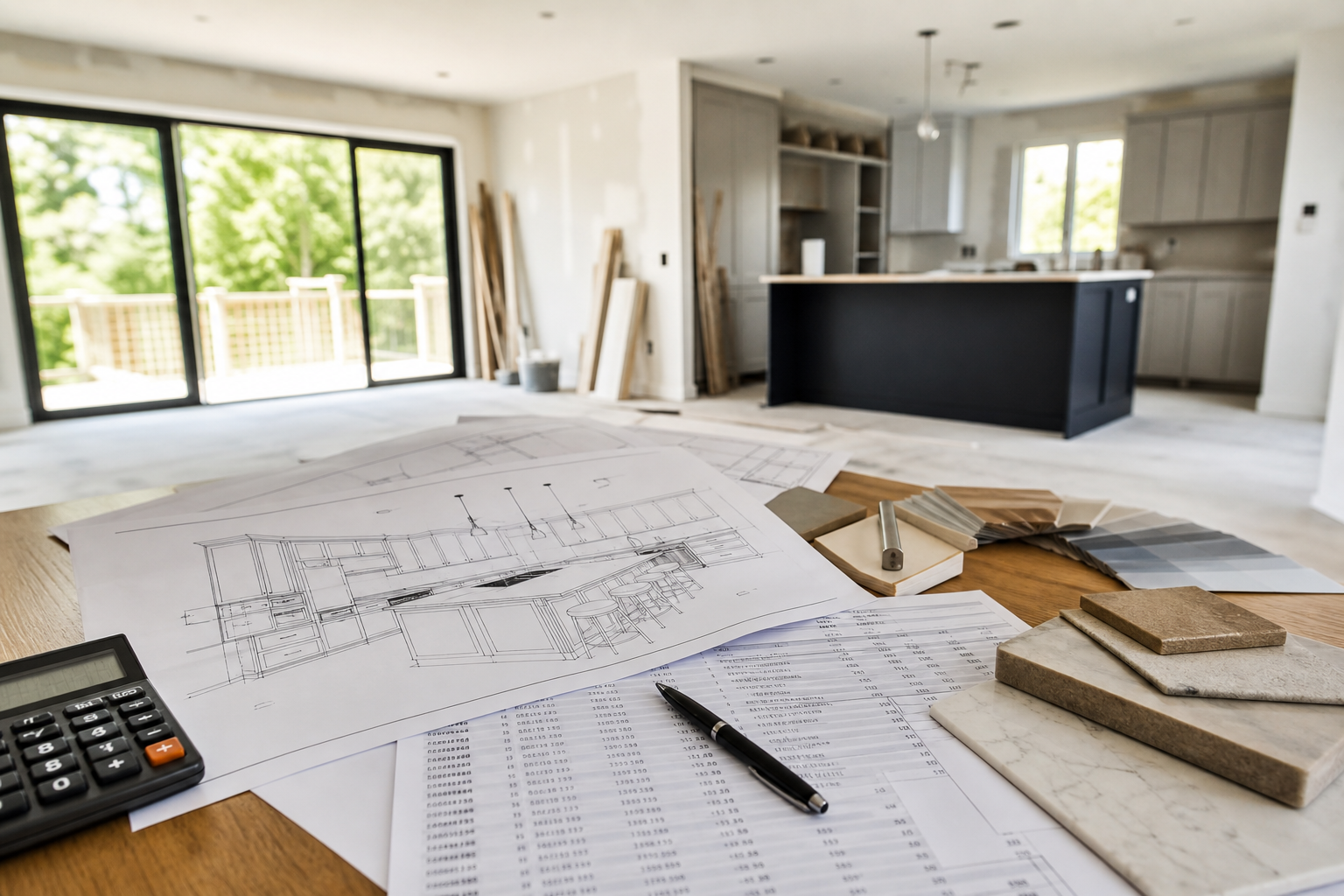
Smart Remodel Budgeting: What’s Really Driving Change and How to Prepare
Focus Keyword: remodel budgeting

Call for a free estimate:
Budgeting for a Remodel works well when you treat the project as a moving target with known challenges that may require mid-project adjustments. Not as a fixed investment you set once and forget. Homeowners are seeing more budget drift because labor availability, material lead times, permit timing, and hidden conditions inside older homes can all change the final scope after work begins.
The practical goal is not to predict every surprise. It is to build a budget that can absorb normal change without turning every decision into a crisis.
For homeowners planning kitchens, baths, additions, or whole-home updates, the biggest shift is simple: the old rule of setting a rough number and hoping bids fit it has become less reliable. A stronger approach is to separate your spending into base project cost, required allowances, and a contingency reserve that reflects the actual risk level of your house and project type.
According to the U.S. Census Bureau’s Characteristics of New Housing, the median square footage of new single-family homes remains substantial, which helps explain why finishes, systems, and layout expectations continue to shape renovation scope. For remodeling return benchmarks, the 2024 Remodeling magazine Cost vs. Value Report lists national averages such as a midrange major kitchen remodel at about $79,982 and an upscale major kitchen remodel at about $158,530, while a midrange bathroom addition is listed at about $58,586 in 2024 figures. Those numbers are not your quote, but they are a useful reality check for early planning.
If you are still defining layout decisions, finish levels, or fixture priorities, it also helps to review common planning errors before pricing hardens. Abodence covers that in kitchen layout mistakes to avoid.
Why is remodel budgeting changing?
Today’s budgets are changing because project costs are being pushed by several variables at once instead of one obvious driver. Material prices have been more volatile than many homeowners expect, and labor remains uneven by trade and region. According to the U.S. Bureau of Labor Statistics Producer Price Index program, construction-related input categories can move meaningfully over short periods, which is one reason quotes often carry expiration dates.
Another shift is that many remodels now bundle more scope into one project. A kitchen update may also include electrical service changes, ventilation upgrades, flooring transitions, insulation work, or code-triggered corrections once walls are opened. The National Kitchen and Bath Association’s planning guidance and design-industry standard practice both reflect this reality: modern remodels are less isolated than they look on inspiration boards.
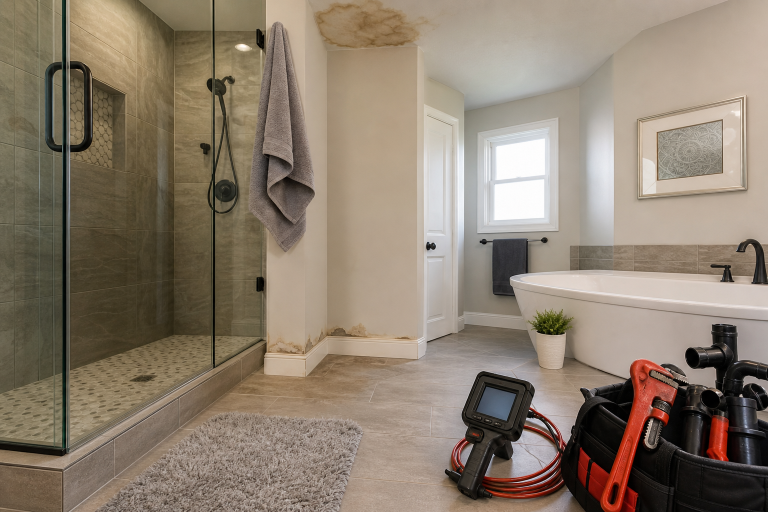
Older homes add another layer. Once demolition starts, contractors may find water damage, out-of-date wiring, framing irregularities, or plumbing that does not match current plans. None of that is unusual. It is exactly why contingency planning matters more than it did when homeowners expected mostly cosmetic work.
What should a realistic remodel budget include?
A realistic project budget should include the contract price, allowances, soft costs, and a separate contingency reserve. Leaving any of those out creates a number that looks clean on paper but fails under normal project conditions.
Base contract cost
This is the price for the defined work in the contractor’s scope. It should describe demolition, installation, labor, major materials, and any exclusions. Vague scopes are one of the most common sources of budget conflict because they make two bids look comparable when they are not.
Allowances
These are placeholder amounts for items you have not selected yet, such as tile, plumbing fixtures, lighting, or hardware. An allowance is not a guarantee that your preferred product fits the number. If the quote carries a $12-per-square-foot tile allowance and you choose a $19 tile, the budget increases by the difference plus any related labor change if installation becomes more complex.
Soft costs
These are the non-construction costs that still belong in the project total. Depending on the job, they may include permit fees, design fees, engineering, plan revisions, temporary storage, waste hauling, or short-term lodging if part of the home is unusable.
Contingency reserve
This is money you hold back for conditions that cannot be fully known before work begins. It should sit outside the contract total so you can see clearly whether changes are consuming reserve funds or expanding the original scope.
That distinction matters because many homeowners think they are under budget when they are actually spending contingency money to cover avoidable selection upgrades.
How much contingency should you plan for?
About 10 to 20 percent of the construction budget is a common planning range, with the right figure depending on how much of the home will be opened up and how old the house is. The American Institute of Architects’ homeowner-facing renovation guidance supports higher reserves for older homes, structural changes, and projects where systems behind walls are likely to be disturbed.
For a straightforward cosmetic remodel in a newer home, a reserve near the lower end may be enough. For a kitchen in an older house with plumbing relocation, electrical upgrades, and wall removal, the higher end is usually more realistic. If the project includes foundation work, additions, or major reconfiguration, some teams plan even more conservatively.
Which project factors drive budget overruns most often?
Hidden conditions, late selections, and unclear scopes are among the most common reasons final costs rise above the first number you saw. Those three issues can affect almost any remodel, even when the contractor is organized and the design is solid.
Hidden conditions behind walls and floors
Demolition reveals the true condition of the home. Water-damaged subfloors, undersized framing, aging drain lines, pest damange, or nonstandard previous repairs can force changes that were impossible to price with certainty before opening the area.
Selections made after construction starts
Product decisions made late tend to cost more. Rush shipping, substitute products, redesign around out-of-stock items, and finish changes after rough-in can all expand both labor and material totals.
Call for a free estimate:
Quotes that are not truly apples to apples
One contractor may include permits, debris removal, basic fixture installation, and painting, while another may exclude some or all of those items. The lower bid is not necessarily cheaper. It may simply be narrower.
Code-triggered updates
Opening walls or changing layouts can trigger work that was not part of the homeowner’s original vision. According to the International Code Council’s International Residential Code, requirements for structural framing, mechanical ventilation, guards, stairs, and other components are specific and can affect remodel scope when work reaches those areas. Local adoption and amendments control the final requirement, but code compliance is a real budget driver.
How can you build a remodel budget that is harder to break?
A stronger budget starts with decisions made earlier, not with a bigger emergency fund after the fact. The more your plans, selections, and scope are defined before pricing, the less room there is for surprise growth that comes from preventable ambiguity.
- Set three numbers instead of one. Create a target budget, a maximum all-in budget, and a contingency reserve. This keeps wish-list upgrades from quietly consuming money meant for unknown conditions.
- Finish key selections before final contract pricing. Cabinets, appliances, plumbing fixtures, flooring, and lighting often shape both labor and lead time. Fewer allowances usually means fewer budget swings.
- Ask for a written inclusions and exclusions list. This is where quote clarity improves. You want to know what is priced, what is assumed, and what is specifically not included.
- Separate must-haves from nice-to-haves. If costs rise, you can cut a secondary feature without redesigning the whole project.
- Keep a formal change log. Every owner-requested change should show price impact and schedule impact before approval.
If your remodel touches showers, plumbing relocation, or waterproofing details, planning discipline matters even more. Related hidden-condition issues often show up in wet areas, which is why Abodence also covers leaking shower or tub causes.
What is the best way to compare remodeling quotes?
The best comparison method is to line up scope, allowances, and exclusions side by side, then look at price last. A cheaper number is useful only if it covers the same work to the same finish level.
Start by checking whether each bid includes permits, demo haul-off, protection of adjacent areas, patching, painting, finish installation, and cleanup. Then review allowances. If one quote includes realistic fixture and finish amounts and another uses low placeholders, the lower bid may be setting up future change orders rather than offering actual savings.
Payment schedule matters too. The Federal Trade Commission’s consumer guidance on home improvement contracting emphasizes written terms, clear scope, and caution around vague agreements. A reasonable schedule is tied to milestones, not to large front-loaded payments unsupported by completed work.
When should you spend more, and when should you cut back?
Spending more makes sense when the upgrade protects function, durability, or work you do not want to reopen later. Cutting back makes sense when the added cost is mostly aesthetic and does not affect the underlying performance of the space.
Worth paying for
Waterproofing, ventilation, electrical capacity, plumbing corrections, cabinet installation quality, and layout improvements usually have lasting value because they affect how the space works and how reliably it holds up.
Often safer to trim
Decorative lighting upgrades, premium hardware across every cabinet, statement tile in secondary areas, and top-tier appliances in a midrange remodel are common places to reduce spend without undermining the project.
Manufacturer installation instructions are the quiet authority here. For example, Schluter waterproofing system documentation, James Hardie installation requirements, and cabinet manufacturer warranty terms all show the same pattern: performance depends heavily on correct prep and installation, not just on visible finish choices.
How do permits and inspections affect remodel budgeting?
Permit and inspection costs are usually a small share of the total, but they can influence schedule and scope more than homeowners expect. Fees vary by jurisdiction, and the larger budget effect often comes from what the permit process requires you to document or correct.
Some projects need only straightforward permit review. Others may require plan revisions, engineering, or additional inspections tied to structural, electrical, plumbing, or mechanical work. Local building department rules govern the details, and those details can affect labor sequencing and project duration.
If windows, doors, or exterior openings are part of the remodel, permit requirements deserve early attention. Abodence explains that process in this window permit guide.
What mistakes throw off contingency planning?
A common contingency mistake is treating reserve money as upgrade money before the risky parts of the job are complete. Once that reserve is spent on nicer finishes, any real surprise has to come from savings, financing, or cuts elsewhere.
- Using one generic percentage for every project. A powder room refresh and a whole-house reconfiguration do not carry the same risk.
- Ignoring house age and prior remodel quality. Older homes and poorly documented past work raise the odds of hidden problems.
- Starting with incomplete design information. Missing drawings and unresolved selections push uncertainty into construction.
- Approving small changes casually. Several minor upgrades can consume thousands of dollars without one obvious budget alarm.
- Assuming the lowest bid leaves room for surprises. A tight bid with thin allowances can collapse faster than a higher but more complete one.
What should homeowners do before signing a remodeling contract?
You should sign only after the scope, allowances, payment schedule, and change-order process are clear in writing. If any of those pieces feel vague, the budget is still exposed.
Read the contract for start conditions, material substitution rules, cleanup responsibility, and how hidden conditions will be documented and priced. Check whether the quote references specific plans or finish schedules. If it does not, there is more room for disagreement later about what was included.
For broader project timing expectations, Abodence also explains how scheduling and sequencing affect roofing work in this roof replacement timeline guide, and the same planning principle applies to remodels: clear sequencing reduces avoidable change.
Call for a free estimate:
FAQ
Is 10 percent enough for remodeling contingency?
Ten percent can be enough for a simple cosmetic project in a newer home, but older homes and layout changes often justify a reserve closer to 15 to 20 percent.
Should contingency be included in the contractor’s bid?
Keeping contingency outside the contract total is usually clearer because it lets you track true change separately from the original scope and allowances.
Why do remodeling quotes vary so much?
Large quote gaps often come from different scopes, different allowance levels, and different assumptions about permits, finish work, and hidden-condition risk.
Can permits raise remodeling costs beyond the permit fee?
Yes, permit review can lead to code-related corrections, plan revisions, or added inspections that change labor and material needs.
What is the smartest first step in remodel budgeting?
Finishing the layout and major product selections before final pricing is usually the most effective way to reduce budget drift.
If you want help sorting scope, quote differences, or a realistic contingency range for your project, Abodence can help you evaluate the next step and connect you with the right kind of estimate. Please call one of the professionals listed for a no-obligation discussion.
Sources: Remodeling magazine Cost vs. Value Report 2024, National Kitchen and Bath Association, American Institute of Architects, Schluter Systems, James Hardie