Free Pest Control Programs: Funding and Eligibility
Free pest control is rarely offered as a stand-alone benefit, but eligible households may find help when an infestation is tied to energy upgrades, health-and-safety repairs, locally administered public-health services, or documented disaster damage. The practical goal is to find the program whose legal purpose matches the work your home needs, rather than searching only for a general extermination voucher.
For low-income owners, older adults, and disaster survivors, that distinction can open routes to both treatment and longer-lasting repairs such as closing utility penetrations, repairing damaged exterior components, or reducing air leaks. Funding rules are local and program-specific, so approval is never automatic.
Is free pest control actually available to homeowners?
Sometimes, although public funding usually pays for a defined housing, energy, or disaster need rather than for routine extermination alone. The U.S. Department of Energy describes its Weatherization Assistance Program as a no-cost energy-efficiency program for income-eligible households, delivered through state and local agencies. Its core purpose is improving a home’s energy performance, not providing a general pest-control service.
That boundary matters when you contact a provider. A request framed as “remove insects” may fall outside a program’s scope, while a documented condition that prevents approved air sealing, insulation work, or safe access may require a different review. The local agency decides which measures are allowed, whether the home qualifies, and whether funds are available.
County and city health departments can also be worth contacting, particularly where rodents or neighborhood property conditions are involved. These services vary sharply by location. One jurisdiction may inspect, educate, enforce local property rules, or refer residents to a contractor, while another may have no residential treatment program at all.
Do not assume a program that advertises pest prevention will pay an exterminator’s invoice. Ask whether it offers inspections, direct treatment, repair funding, referrals, or only information, and ask whether renters, owners, multifamily properties, and mobile homes are handled differently.
Which programs may address pest-related home repairs?
Weatherization, rural repair assistance, local rehabilitation programs, and disaster aid can each be relevant, but they cover different problems and have different limits. Comparing the purpose of each route will save time and prevent an application from being built around work the program cannot approve.
Weatherization assistance
Weatherization is the strongest public route when a home needs energy-related work and the household meets the administering agency’s rules. DOE-funded providers assess the home and select measures under their program procedures. Work that reduces uncontrolled air movement may also address routes pests use, but the provider must determine that connection and include it in the approved scope.
A weatherization award should not be treated as a promise of whole-home pest eradication. If active insects or rodents must be addressed before crews can work, ask the agency to explain, in writing, whether it can coordinate treatment, require the owner to resolve it first, or refer the household to a separate local resource.
USDA rural home repair assistance
Very-low-income rural homeowners may have a more direct repair route through the U.S. Department of Agriculture’s Section 504 Home Repair program. USDA says the program offers loans to improve or modernize eligible homes and grants to eligible homeowners age 62 or older who cannot repay a loan, with grants intended to remove health and safety hazards. Eligibility depends on rural location, ownership, income, credit circumstances for loans, and other program requirements.
This is not a pest-control grant in name. It may nevertheless be a sensible route when a qualifying repair addresses a condition behind repeated entry, such as a failing exterior element or an opening that belongs in a larger safety repair. The local USDA office, not an extermination company, determines the eligible scope.
Local housing rehabilitation funds
City, county, tribal, and nonprofit housing programs sometimes combine repair grants with inspection and rehabilitation work. Their rules may be funded through federal, state, or local sources, but homeowners should evaluate the specific local program rather than assume a nationwide benefit exists. Ask whether the program can fund exterior repairs, foundation openings, plumbing-related repairs, cleanup, or contractor-managed pest work.
Local programs often have property-value caps, waiting lists, occupancy requirements, income limits, or repair priorities. Those limits can make a simpler county service or a weatherization referral more useful than a broad rehabilitation application.
Can disaster assistance pay for an infestation after flooding or storm damage?
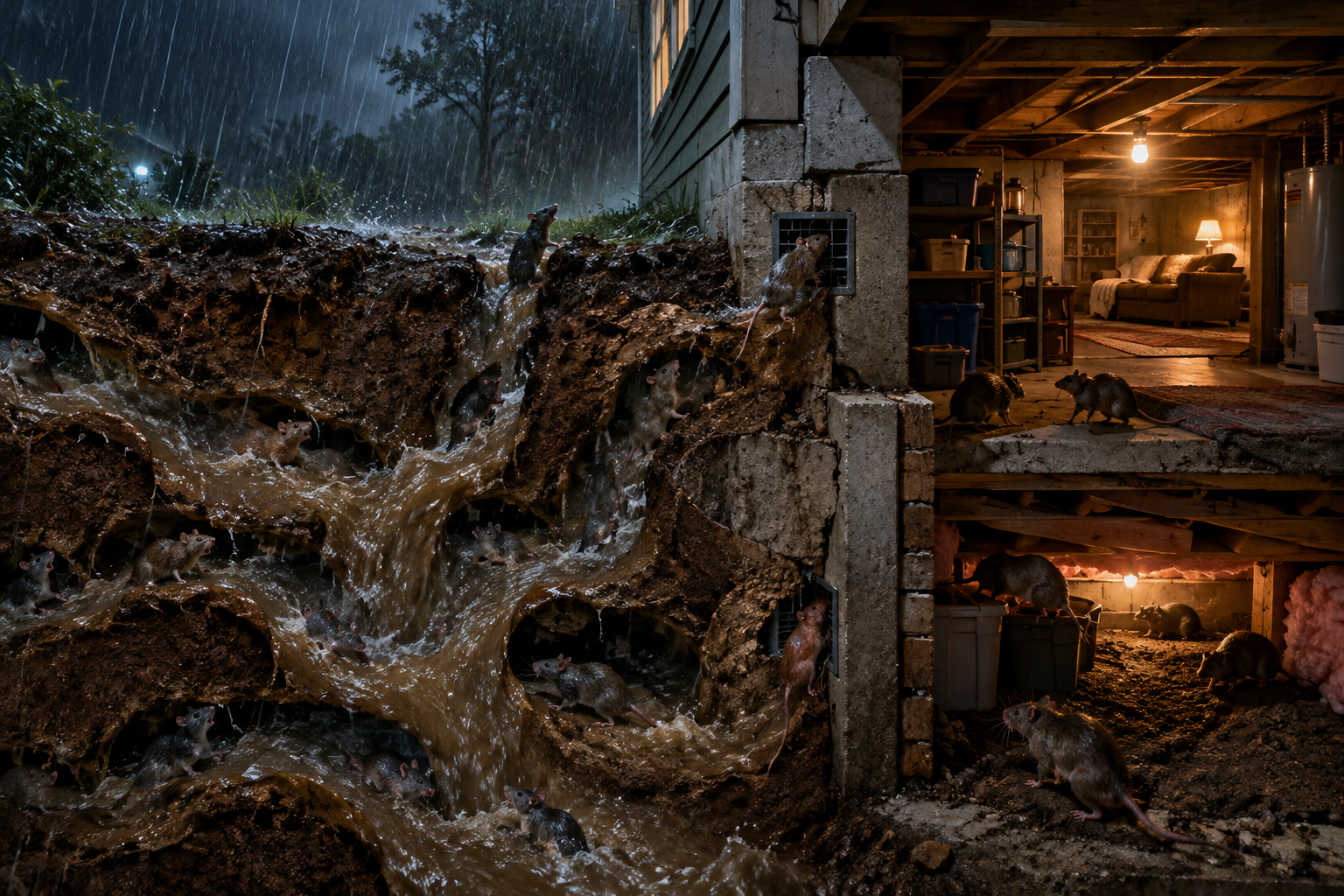
Federal disaster assistance may help restore an owner-occupied home after a presidentially declared disaster, but it does not function as a general reimbursement program for pest activity that happens after bad weather. FEMA’s Individuals and Households Program can provide assistance for eligible uninsured or underinsured disaster-caused needs, subject to inspection, eligibility decisions, and the terms of the declaration.
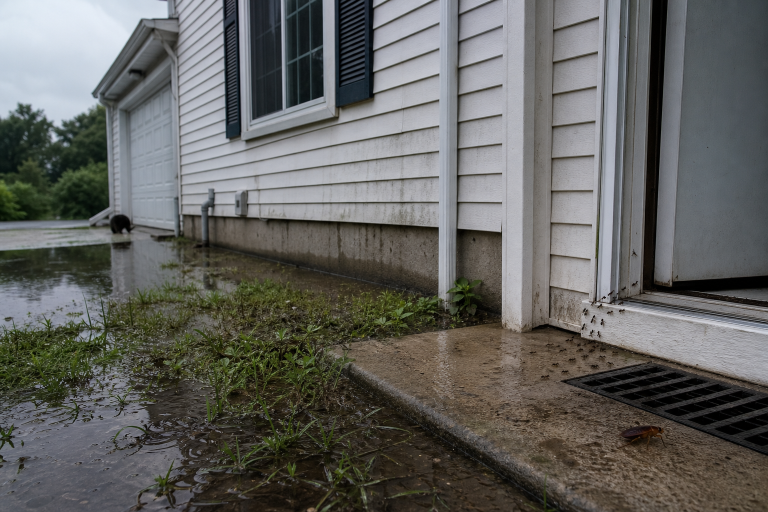
The key issue is documented disaster damage. If flooding damaged a foundation vent, exterior wall, door, crawlspace access, or other building component, report that damage accurately during registration and keep photographs, insurance correspondence, repair estimates, and receipts. Do not describe a pest problem as disaster damage unless the applicable program accepts it as such.
FEMA assistance is not guaranteed, and it is not designed to duplicate insurance or other available help. A disaster applicant should use the official registration route for the declared event, follow requests for documents, and read the determination letter closely. If a requested repair is denied, the letter explains available appeal information and deadlines.
Who is most likely to qualify for help?
Income eligibility, ownership status, location, age, and the condition of the home usually determine access more than the type of pest alone. Weatherization programs focus on income-eligible households under state and local administration. USDA Section 504 targets very-low-income owner-occupants in eligible rural areas, with its grant pathway limited to qualifying homeowners who are 62 or older and unable to repay a repair loan.
Renters should still contact local health, housing, or code offices when a landlord-controlled building condition is involved. A renter generally cannot apply for an owner repair grant on a landlord’s behalf, but a local program may offer inspection, tenant guidance, enforcement, or a referral. The lease and local housing rules can affect who must authorize work.
Survivors of a declared disaster should first verify that their address falls within the designated area. A storm near your home does not itself establish program eligibility. The official declaration and FEMA’s individual-assistance availability control the federal route.
What work should you ask a program to evaluate?
Ask for an assessment of the building conditions that allow recurring entry, along with any treatment needed for an active problem. The U.S. Environmental Protection Agency’s integrated pest management principles emphasize identifying the pest and reducing access to food, water, and shelter, using control methods suited to the situation. For a funding application, that approach helps separate a short-term treatment request from a repair-based scope a housing program may be able to consider.
A written scope is more useful than a broad request to “seal the house.” It lets the agency decide whether a listed defect belongs within weatherization, rehabilitation, disaster repair, or no public program at all. It also gives you a record to compare with any private contractor quote.
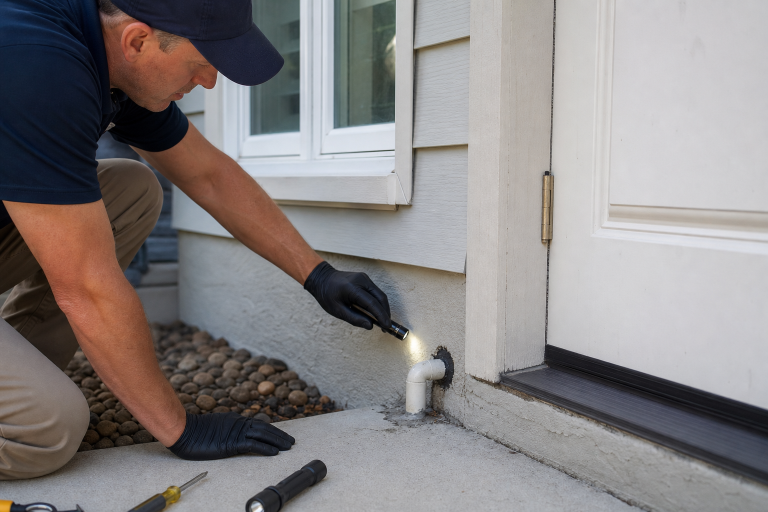
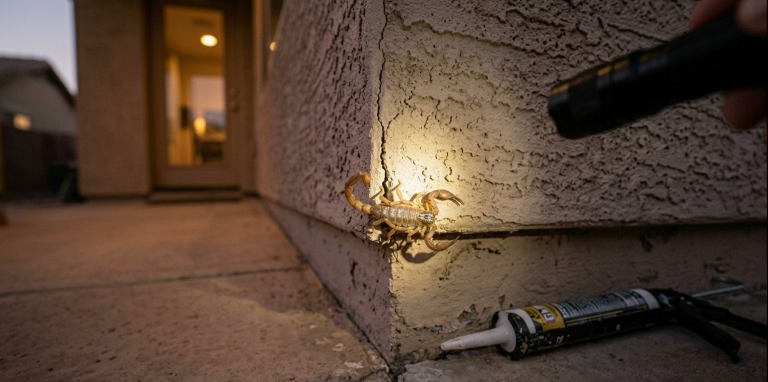
- Openings around pipes, wiring, vents, doors, windows, and exterior trim
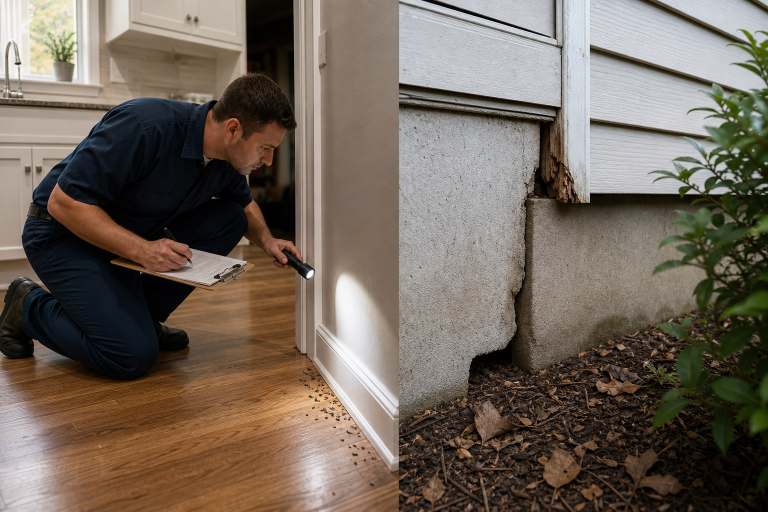
- Damaged screens, crawlspace access points, soffits, siding, or foundation elements
- Moisture-related plumbing or drainage defects that an appropriate program can address
- Conditions that block safe access for insulation, repair, or inspection work
- Active pest conditions requiring licensed treatment before another approved project begins
Do not take on pest treatment or structural repair yourself just to satisfy an application requirement. If the home has an active infestation or damaged building elements, ask the program whether it requires an inspection, licensed pest-control documentation, or a contractor’s diagnosis before it can proceed.
For related background on choosing lower-impact approaches, see Abodence’s guide to eco-friendly pest control. The funding question remains separate: an approach can be sensible without being an eligible public expense.
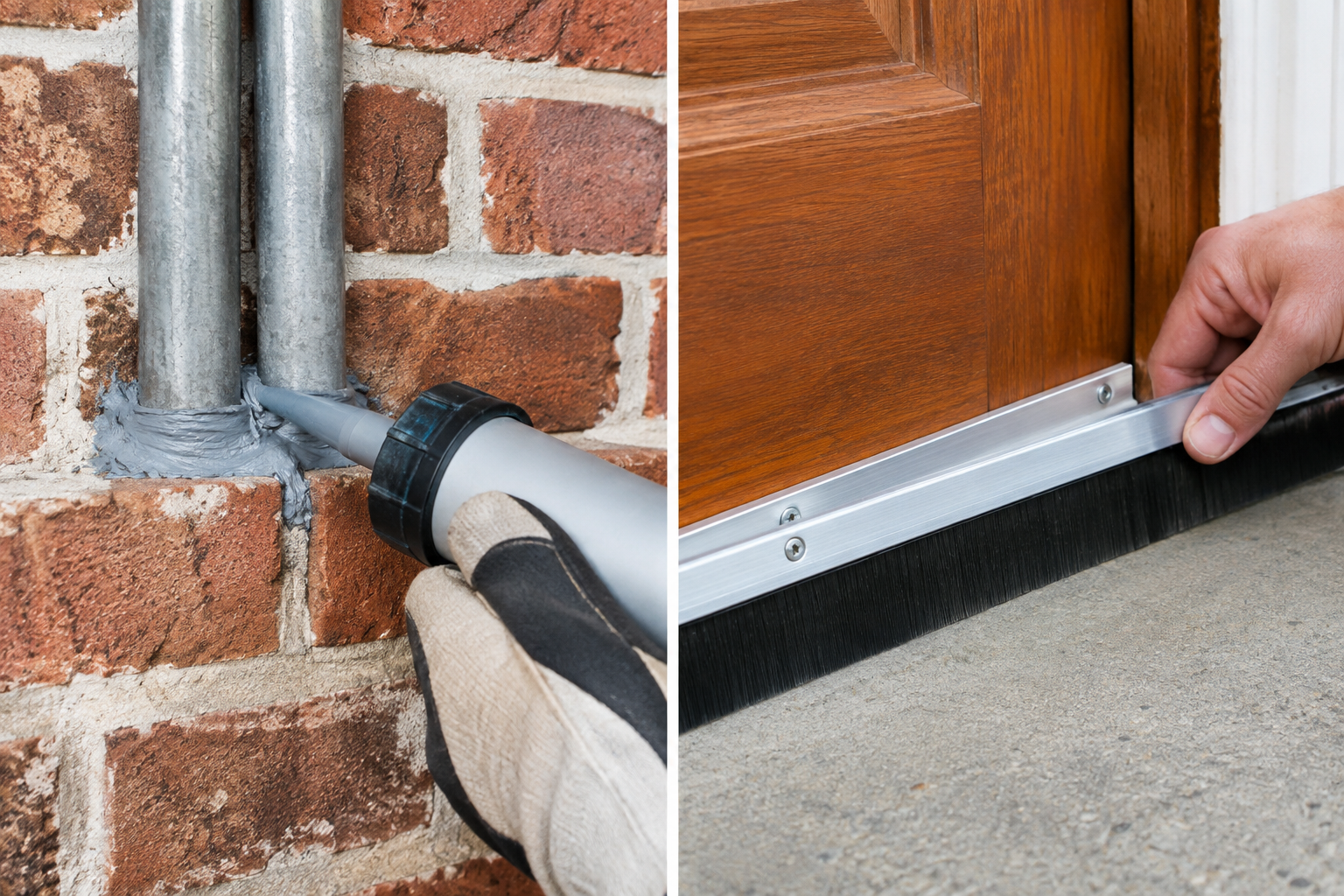
How do you apply without creating gaps in the scope?
Start with the program administrator, because eligibility and permitted work are decided before a contractor’s preferred solution becomes relevant. Call the state weatherization office or its local provider, the USDA Rural Development office for a rural owner-occupied home, the local housing or health department, and FEMA when a declared disaster applies.
Describe the condition plainly: where pests are entering, what building damage or energy-related issue exists, whether the home is owner-occupied, and whether treatment has already occurred. Avoid promising a particular product, repair method, or contractor before the agency explains its procurement and inspection process.
- Confirm that the address, household, and occupancy type are eligible before investing in estimates.
- Ask what documents are required, such as proof of income, ownership, insurance information, photographs, prior repair records, or a disaster claim number.
- Request written clarification of what the program can pay for and what remains the owner’s responsibility.
- Ask whether the agency chooses contractors, requires bids, or allows you to submit a licensed contractor’s estimate.
- Keep approval letters, inspection findings, scopes of work, invoices, and completion records together.
Vague quotes create a common problem. A proposal that says only “pest exclusion” does not reveal whether it includes inspection, treatment, repair materials, access work, follow-up, or a warranty. Public programs may reject unclear scopes, and private work can grow more expensive when hidden conditions appear after a crew starts.
What should you do if no grant covers the work?
A targeted, written pest-control and repair plan is usually the practical fallback when public funding does not fit the home or household. Ask a licensed provider to distinguish active treatment from exclusion repairs and to identify which openings or damaged components require a separate carpenter, plumber, or general repair contractor.
The least expensive useful option may be limited treatment paired with repair of the documented entry condition, rather than a large recurring service contract. Get the proposed scope, any follow-up visits, and warranty terms in writing before authorizing work. For a broader checklist of weak points around a property, Abodence’s pest entry-point sealing guide explains the areas a professional assessment should address.
FAQ
Does the government give free extermination vouchers?
Most federal housing and energy programs do not offer a universal extermination voucher. Assistance is more commonly tied to income-qualified weatherization, rural home repair, local health or rehabilitation services, or documented disaster-related damage.
Can weatherization pay for rodent or insect removal?
It may address qualifying conditions within an approved energy-efficiency project, but the local provider controls the scope. Contact the agency before paying for work yourself, because a private invoice may not be reimbursable.
Can a senior homeowner get a grant for pest-related repairs?
Eligible rural owners age 62 or older may qualify for USDA Section 504 grants when they cannot repay a loan and the approved repair removes a health or safety hazard. Local senior-services and housing agencies may also know about location-specific rehabilitation funds, but availability varies.
Will FEMA pay after pests enter a flooded home?
FEMA decisions are based on eligible disaster-caused damage and other program requirements, not simply the presence of pests after a storm. Register for the applicable declared disaster and document the physical damage to the home accurately.
If you are unsure which route fits your property, contact the local weatherization provider, housing office, or county health department and ask for an eligibility screening or referral based on the documented condition.
Please contact a listed specialist for a free, no-obligation discussion.