Hurricane Season Has Arrived: How to Protect Your Home
Hurricane preparation works best as two separate jobs: remove the things that can cause avoidable damage this season, then plan structural upgrades that address weak points before the next one. A clear yard, protected openings, working drainage, and a sound roof connection each address a different path by which wind and water can damage a house.

Call for a free estimate:
USA Today’s hurricane-preparation report identifies roofs, windows, doors, garage doors, gutters, drainage, loose outdoor items, insurance records, and evacuation planning as the main areas homeowners should address. The right order depends on the condition of your home and how much time remains before a storm.
What should you do before a hurricane watch is issued?
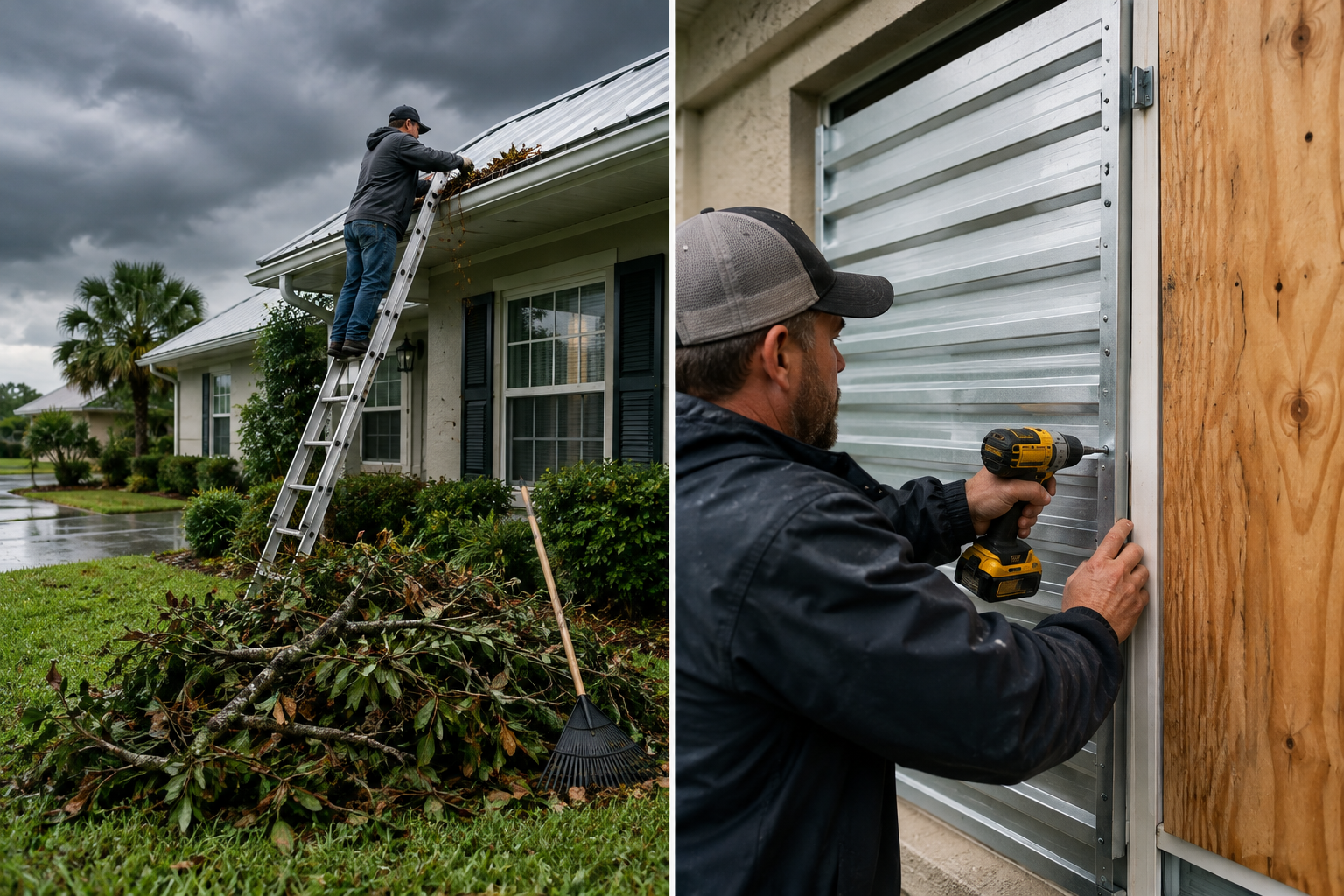
Start with the tasks that remove flying debris and give rainwater a clear route away from the house. These are practical maintenance items, not substitutes for structural protection, but they are often manageable when a storm is on the forecast.
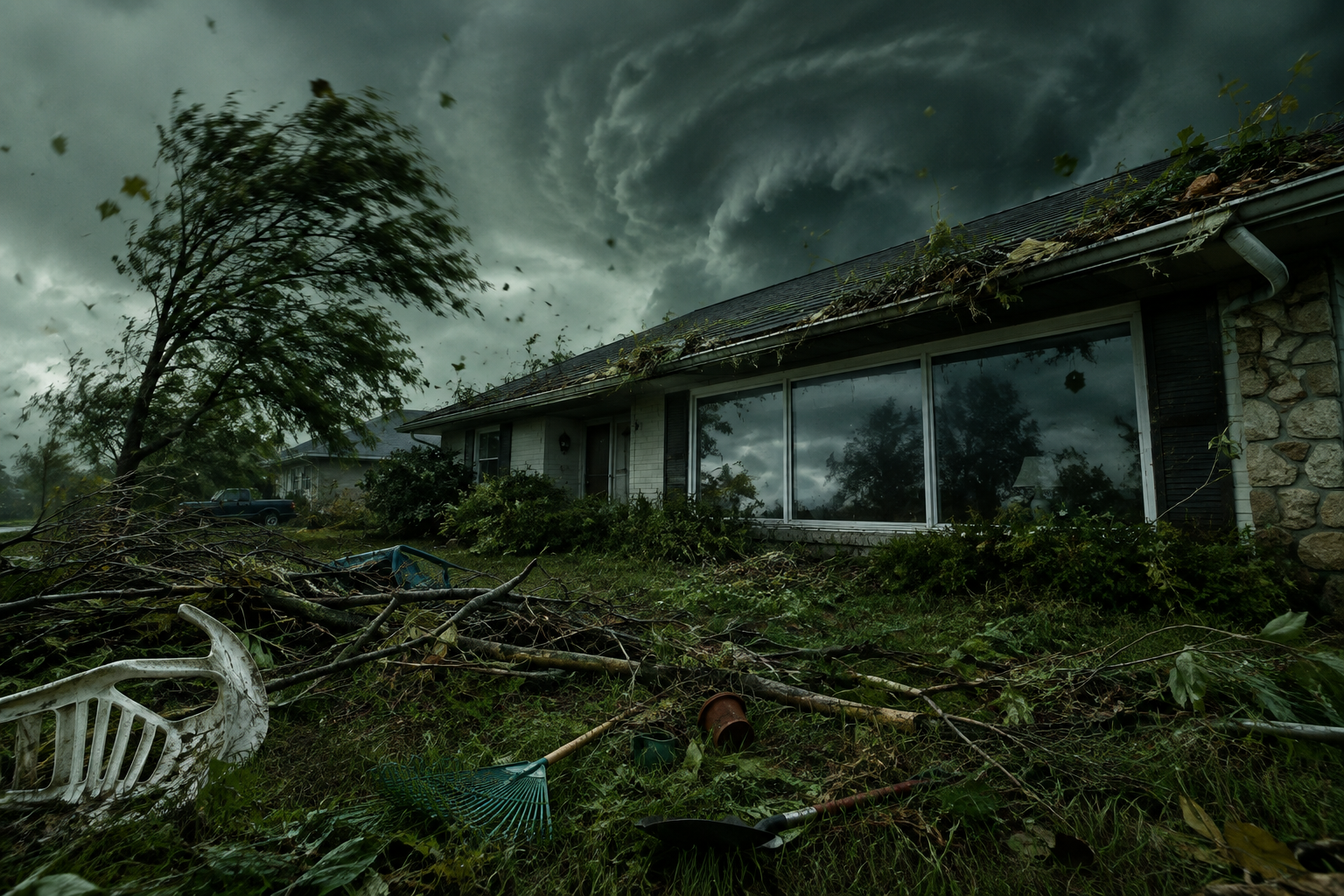
- Bring patio furniture, grills, planters, toys, and other loose items indoors when possible. Anchor items that cannot be moved.
- Arrange removal of dead limbs and branches that overhang the house or are already compromised. Avoid attempting tree work in worsening weather.
- Clear leaves, dirt, and plant growth from gutters. Check downspouts and exterior drains for blockages.
- Confirm that water is directed away from the foundation and that a sump pump, if your home has one, is operating as intended.
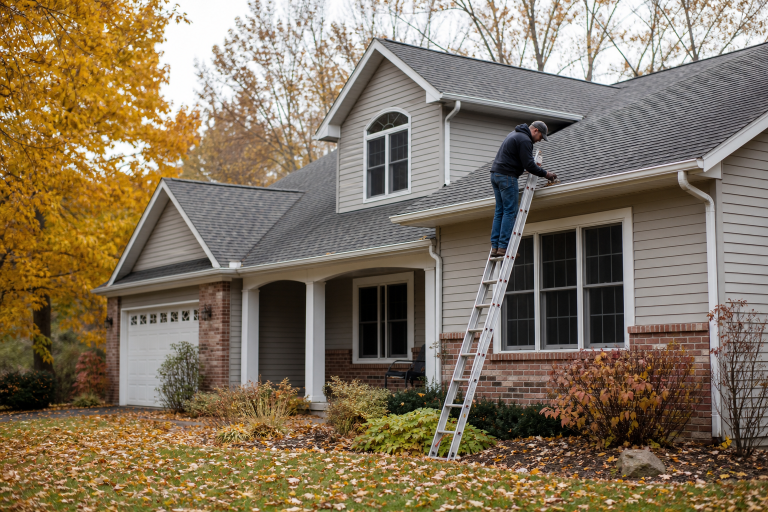
- Look for loose shingles or other visible roof material that needs evaluation before high winds arrive.
Water has to go somewhere during prolonged rain. A clogged gutter, blocked exterior drain, damaged downspout, or failed sump pump can direct it where it does not belong, which is why the report treats drainage maintenance as part of hurricane readiness rather than routine cosmetic upkeep.
Do not wait to discover that shutters, plywood, anchors, or basic supplies are missing. Local warnings may leave only a short preparation window, and stores or contractors may have limited availability by then.
How should you protect windows, exterior doors, and the garage?
Protect every large opening because wind-driven debris can break glass or force a door to fail, allowing wind and rain into the building. The USA Today report specifically warns that tape in an X pattern provides little protection from wind or flying debris.
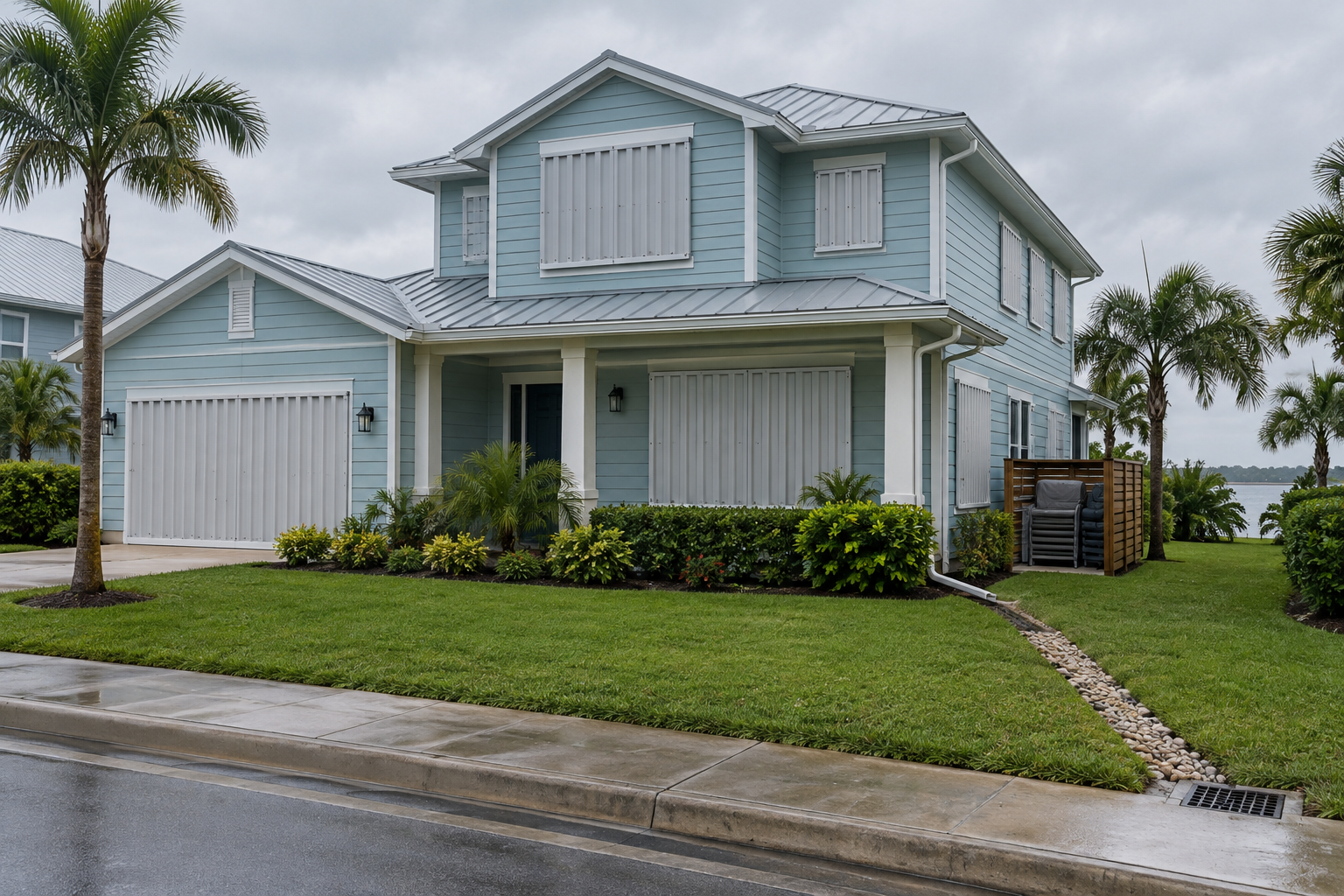
Permanent storm shutters are a purpose-built option. For temporary coverage, the report recommends marine plywood cut to fit the window frames rather than improvised materials. Prepare and label panels well before hurricane season, then store the fasteners and installation hardware with them. A stack of plywood without a known installation position or the necessary hardware is not a usable plan under time pressure.
Choose an upgrade based on the opening you have
Impact-rated windows are a long-term option for homes in storm-prone areas. The report explains the basic distinction: ordinary glass may shatter, while an impact-rated hurricane window may crack but remain together. Storm shutters may be the more sensible choice when existing windows are otherwise in serviceable condition and you need a lower-scope project.
Door protection deserves the same attention as windows. Inspect exterior doors for loose hardware, damaged frames, and glazing that lacks a tested protective system. If a replacement is already planned, permit requirements and product approvals can affect the available choices. This guide to door and window permit requirements explains why confirming local requirements before ordering is worth the time.
The garage door also merits a specific evaluation. USA Today’s report describes it as a large and commonly vulnerable opening, and it identifies a hurricane brace kit or a wind-resistant replacement door as options. A brace kit may make sense if the existing door is compatible and otherwise sound. A replacement is more appropriate when the door has already been damaged or cannot meet the needed wind-resistance specification.
How do hurricane straps fit into a roof-hardening plan?
Hurricane straps are one component of a broader roof-connection strategy, intended to reinforce the connection at rafters and reduce the risk of structural damage in high winds. The report lists them alongside soffit retrofits and roof-truss bracing, which is a useful reminder that a roof system has several parts rather than one single upgrade.
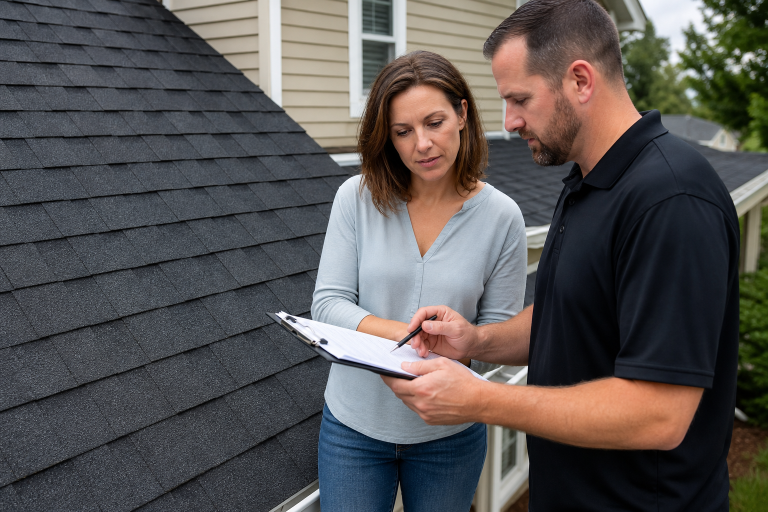
Ask a qualified roofing or structural professional to identify the house’s framing arrangement and explain exactly what the proposed work will connect and where. The phrase “hurricane straps” is too broad to evaluate a quote on its own. A written scope should identify the roof areas included, any access or finish work required, the fastening approach, and which existing conditions could change the scope once concealed areas are opened.
Connection upgrades and roof-covering replacement solve related but separate problems. The straps concern how roof framing is tied into the supporting structure. Shingles, underlayment, flashings, soffits, and roof decking concern the exterior roof assembly and its condition. A contractor should be able to explain which item the work addresses instead of presenting a complete roof replacement as the automatic answer to every connection question.
When a roof replacement deserves a bigger conversation
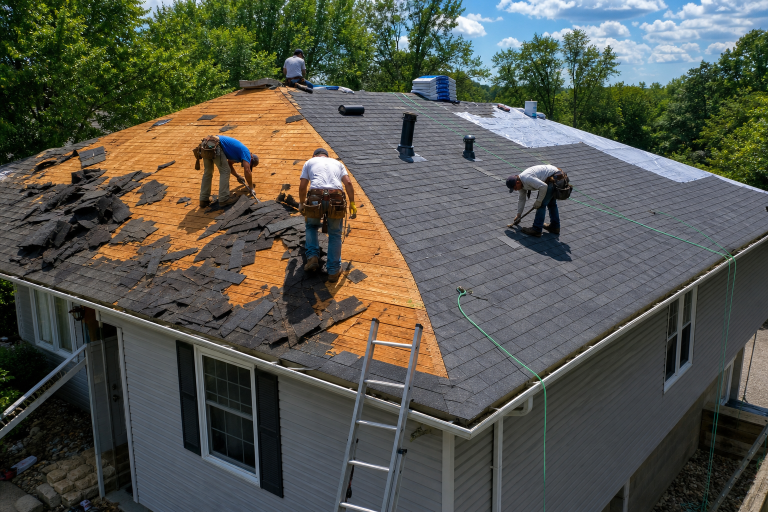
Replacement becomes more relevant when the roof already has loose materials, wind damage, repeated leaks, or age-related wear that makes isolated repairs impractical. Roofs are frequent hurricane-damage points and wind can remove shingles, drive branches into the roof, or cause more extensive failure.
Metal roofing is not a universal upgrade simply because hurricane season is approaching. The decision should account for the condition of the current roof, the home’s structure, local approval requirements, the complete installation scope, and the warranty terms. A roof that needs a modest, well-defined repair should be assessed on that basis rather than folded into a larger project without a clear reason.
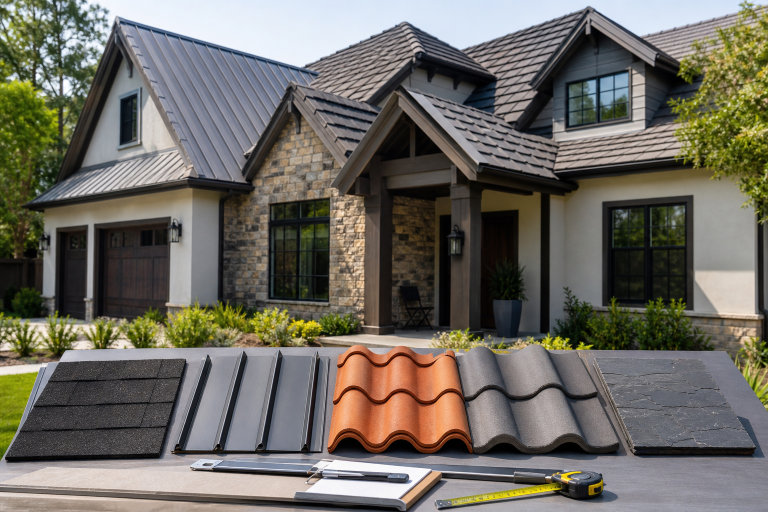
Compare written proposals by scope, not by the headline material alone. A useful proposal states what happens to the existing roofing, what roof components will be repaired or replaced, whether soffits or trusses are included, how openings and penetrations are handled, and what warranty documents apply. For a closer look at the material choices and warranty questions, see roofing materials compared.
What should you check about drainage and indoor systems?
Keep roof runoff moving through clean gutters and functional downspouts, then inspect the ground-level drainage path before heavy rain exposes a blockage. If your property relies on a sump pump, verify that it is operating before conditions deteriorate, as the report includes nonworking sump pumps among the factors that can contribute to significant water damage during heavy rain.
Move valuables, paper records, and small electronics away from floor-level areas that have previously taken on water. Standard homeowners policies may exclude flood damage and some forms of water damage, so review the actual policy language instead of assuming that all storm-related water damage is treated alike.
Do not restart equipment that has been flooded until it has been evaluated by an appropriate professional. Water exposure can create concerns beyond visible dirt or dampness, particularly for electrical and mechanical equipment.
Call for a free estimate:
What records and evacuation preparations belong on your checklist?
Document the home before a storm so you have a record of its condition and belongings if you later need to make an insurance claim. Take dated photos or video of every room, valuable items, and the exterior. Store copies where they remain accessible if the house or a phone is damaged, and keep receipts, serial numbers, and policy information with the inventory when available.
Read the declarations page and endorsements, then contact the insurer with specific questions about deductibles, wind damage, flood coverage, and exclusions. Make sure your policy is active and know that coverage is a policy-specific issue, so a neighbor’s experience or a general online summary cannot answer what your policy covers.
Have an evacuation plan. It’s a household strategy that should be written down and clear before traffic, fuel demand, and weather conditions narrow the options. Identify your county evacuation zone, routes, and shelter locations. Discuss where household members and pets would go, keep the vehicle fueled, and assemble basics such as water, flashlights, and nonperishable food.
What should you ask before hiring for hurricane-hardening work?
A complete written scope is the best defense against vague promises about a project that may involve roofing, openings, framing, and permits. It also makes it easier to compare different proposals without treating the lowest number as the only meaningful difference.
- Which specific problem is the work designed to address: roof covering condition, framing connection, soffit condition, window protection, garage-door resistance, or drainage?
- What parts of the house are included, and what areas are excluded?
- Will the work require permits, inspections, product approvals, or engineering review in this location?
- What existing damage or concealed conditions could lead to added work, and how will approval be handled before that work starts?
- Which materials and components are specified, and what warranty documents will be provided?
Be cautious with scopes that use broad terms such as “storm proof” without defining the assembly, product, or work included. No single project makes a home immune to hurricane damage. A useful contractor conversation identifies the particular vulnerability being addressed and leaves you with documents that can be checked later.
FAQ
Should I put tape on my windows before a hurricane?
Tape does little to protect window glass from wind or flying debris, according to the USA Today report. Use permanent storm shutters, impact-rated openings, or properly fitted marine plywood when temporary coverage is appropriate for your home.
Are hurricane straps the same as replacing a roof?
No, they address the roof framing connection rather than the roof covering itself. A professional evaluation can determine whether your home needs connection reinforcement, repair of the existing roof assembly, a replacement roof, or separate work on more than one condition.
Should I replace my roof with metal before hurricane season?
Metal roofing is one durable material option identified in the report, but replacement should be based on the existing roof’s condition and a complete written scope. If the current roof only needs a defined repair, that smaller project may be the more appropriate choice.
What should I photograph for hurricane insurance documentation?
Photograph or record each room, valuable belongings, and the exterior before a storm. Keep the files with receipts, serial numbers when available, and insurance policy information so the documentation can support a later claim.
Who should assess roof straps or structural hurricane upgrades?
A qualified roofing or structural professional should assess the framing arrangement and describe the exact proposed work in writing. If you need help clarifying a roof-hardening scope or comparing proposals, request a house-specific assessment or written quote from an appropriately qualified local provider.
For additional information, please call a listed professional for a free, no-obligation discussion.