A Guide to Window Frame Materials: The Hard Truth About Vinyl, Wood, and Aluminum
Window frame materials shape how your windows look, how much upkeep they need, and how they handle weather over time. If you are choosing between vinyl, wood, and aluminum, the right answer usually comes down to climate, maintenance tolerance, appearance goals, and budget, not brand slogans.

Call for a free estimate:
For most homeowners, this decision is less about finding a universally “best” frame and more about avoiding the wrong one for the house. A frame that looks great in a showroom can become a frustration if it needs more upkeep than you want to give it, or if it performs poorly in the conditions your home actually faces.
According to the U.S. Department of Energy, heat gain and heat loss through windows are responsible for 25% to 30% of residential heating and cooling energy use, so frame choice matters alongside the glass package and installation quality. If you are also comparing overall window types, Abodence has a related guide on how to choose the right window style for your home’s architecture.
What is the real difference between vinyl, wood, and aluminum frames?
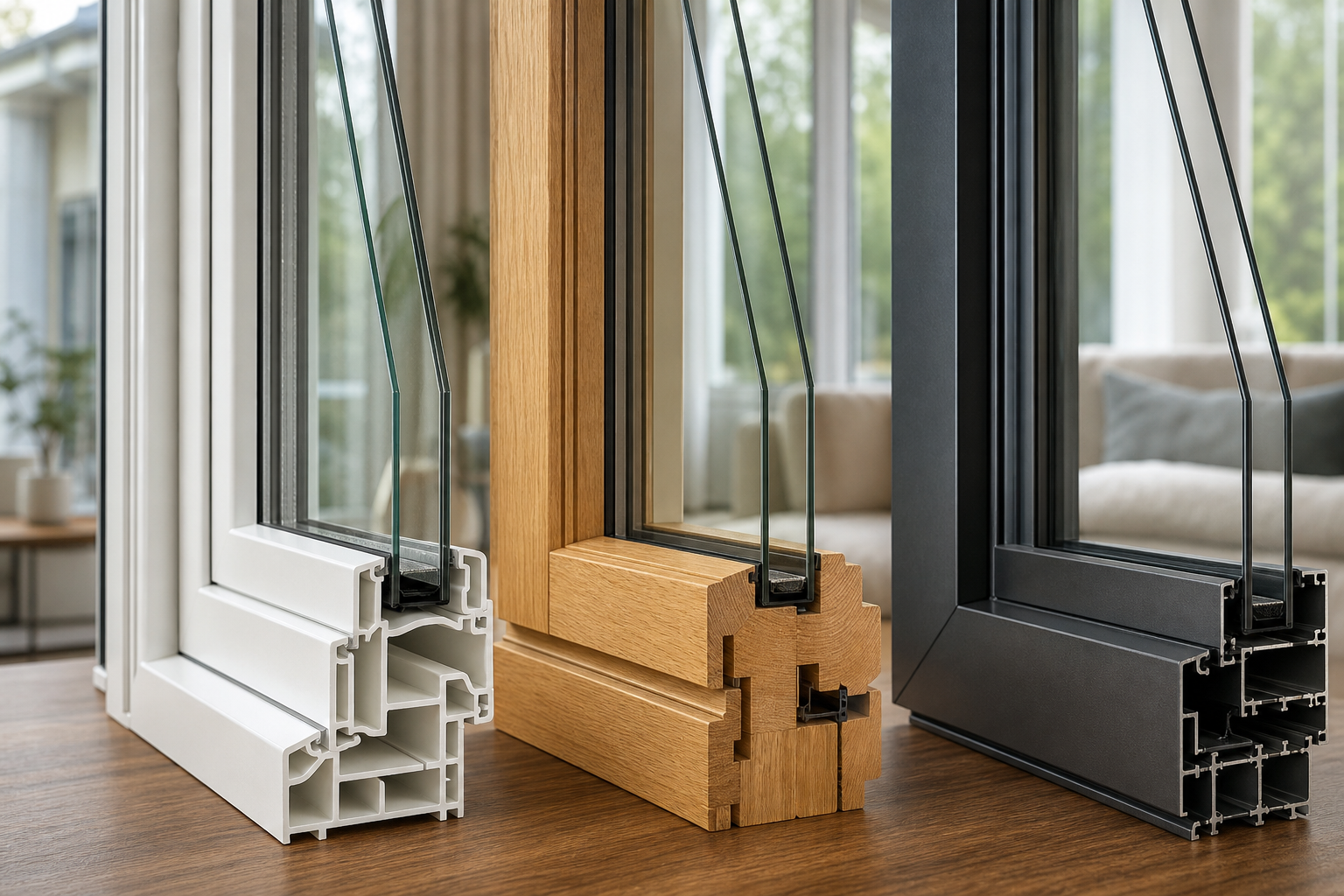
The main difference is how each material balances insulation, upkeep, strength, and appearance. Vinyl is usually the lowest-maintenance option, wood offers a traditional look with regular care requirements, and aluminum is valued for strength and slim sightlines but generally insulates less effectively than the other two.
The National Fenestration Rating Council, or NFRC, is the body that provides standardized window performance labels in the U.S., and those labels let you compare whole-window performance instead of relying on material claims alone. A frame material can influence performance, but the rating on the complete unit is what you should compare.
Wood frames are often chosen for appearance and paintability. Vinyl frames are often chosen because they do not need painting and generally resist moisture well. Aluminum frames are often selected for modern aesthetics, structural rigidity, and narrow profiles that allow for larger glass areas.
Which window frame material is usually most energy efficient?
Wood and vinyl frames are generally better insulators than aluminum frames, but the actual energy performance you buy is the performance shown on the NFRC label for the full window. According to the National Fenestration Rating Council, ratings cover U-factor, which measures how well a window prevents heat from escaping, and Solar Heat Gain Coefficient, which measures how much solar heat comes through.
Wood has natural insulating properties, and vinyl is also widely used in energy-efficient window designs. Aluminum conducts heat more readily, which is why thermally improved aluminum products matter. The Aluminum Association explains that modern aluminum windows may use a thermal break, which is a less conductive material placed between interior and exterior portions of the frame to reduce heat transfer.
How do vinyl, wood, and aluminum compare on maintenance?
Vinyl usually requires the least routine upkeep, wood requires the most, and aluminum falls in the middle. That pattern shows up consistently in manufacturer care guidance and trade association material.
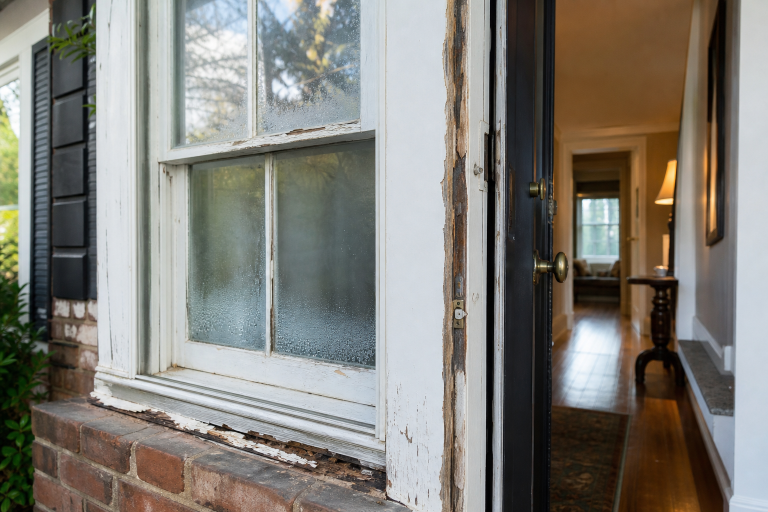
Wood frames need regular attention because finishes can wear and exposed wood can deteriorate if moisture gets into the frame. The Window & Door Manufacturers Association, has long treated finish maintenance and moisture management as core parts of wood window care. In plain terms, wood can last a long time, but only if the finish remains intact and water is managed.
Vinyl frames are typically cleaned with mild soap and water and do not need repainting. Many manufacturers also note that darker colors can absorb more heat, which is one reason some product lines have color limitations or specific care instructions.
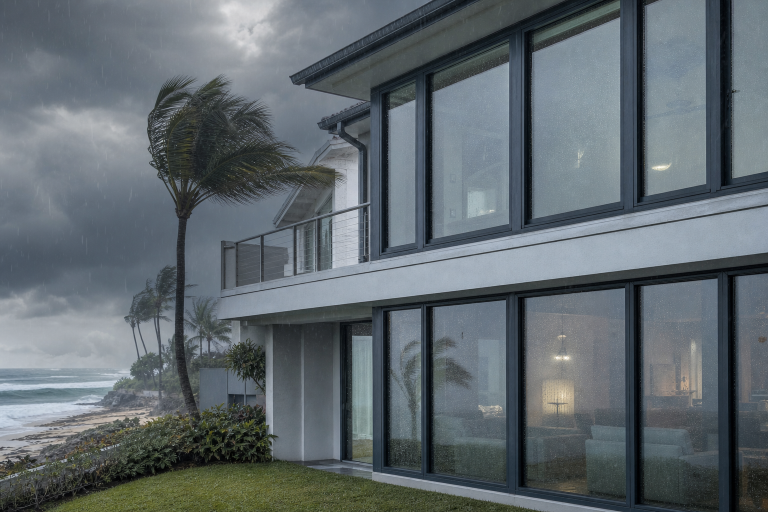
Aluminum frames do not face the same rot risk as wood, but factory finishes can still wear over time, especially in harsh sun or coastal conditions. In coastal areas, salt exposure can make finish quality and maintenance more important than homeowners expect.
What does “low maintenance” actually mean?
Routine cleaning and less finish work are what most sellers mean by low maintenance. It does not mean maintenance-free, and it does not mean every part of the window will age the same way.
Weatherstripping, sealants, hardware, and insulated glass seals can still need attention regardless of frame material. If a sales pitch makes frame material sound like the only thing that matters, the quote is leaving out part of the real ownership picture.
Which frame material tends to last the longest?
Service life depends heavily on climate, installation quality, finish condition, and maintenance, so a simple universal ranking is not reliable. The more accurate answer is that all three materials can deliver long service when the product is well made and installed correctly for the exposure it will face.
That is why warranty terms matter more than generic lifespan claims. Manufacturer warranties spell out what is actually covered for frame defects, finish issues, insulated glass failure, and hardware. Those documents often reveal important limits, especially for coastal exposure, dark finishes, and field-applied paint or stain.
A wood frame that is protected by roof overhangs and maintained on schedule may outlast a neglected vinyl or aluminum unit. An aluminum frame in a suitable design may be the right fit for large openings where rigidity matters. A vinyl frame may be the practical choice where low upkeep matters more than custom appearance. Long life is possible with any of the three. Neglect shortens the life of all of them, just in different ways.
How much do vinyl, wood, and aluminum window frames cost?
Vinyl windows are usually the lowest-cost option, aluminum often lands in the middle, and wood is commonly the most expensive, though exact pricing varies by size, glass package, finish, and region. For project-level budgeting, the Remodeling 2024 Cost vs. Value Report lists national average replacement window project costs by project type rather than frame material alone, which is more useful than pretending frame cost exists in isolation from the full unit and installation.
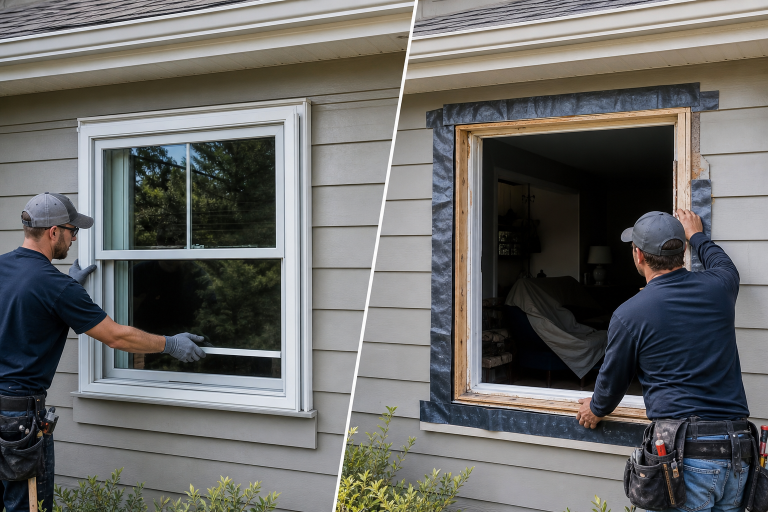
That distinction matters because the quote you receive is for the complete window and the labor to install it, not for raw frame stock. A cheap frame paired with better glass, custom sizing, exterior trim work, or difficult access may still produce a higher total quote than a simpler wood replacement in an easier opening.
- Choose vinyl when keeping upfront cost down is the main goal and you want minimal upkeep.
- Choose wood when the house needs a traditional painted or stained interior look and you accept ongoing finish care.
- Choose aluminum when narrow profiles, larger expanses of glass, or a modern design are priorities.
Call for a free estimate:
Which material looks best in different home styles?
Wood usually fits traditional, historic, and high-detail homes most naturally, while aluminum often suits modern architecture and vinyl works well where a clean, simple look is enough. The visual fit depends on profile shape, finish options, and sightlines as much as the underlying material.
Wood can be milled into detailed interior profiles and can be painted or stained to coordinate with trim. That flexibility is a major reason it remains popular in older homes and custom projects. Aluminum often offers slimmer frames, which can complement contemporary designs that emphasize glass and clean lines. Vinyl has improved in appearance over the years, but some product lines still have bulkier profiles than comparable aluminum or wood units.
For a broader look at matching windows to the house, this Abodence article on energy-efficient window frame materials can help you narrow the field further.
When is wood the right choice, even if it costs more?
Historic appearance, paint or stain flexibility, and richer interior finish options are the strongest reasons to pay more for wood. If your home has original trim details, visible interior millwork, or design review requirements, wood may solve a real design problem that vinyl cannot.
This is also where the cheaper option is not always the practical one. If replacing wood windows in a character home with basic vinyl would noticeably change the look of the façade or interior trim relationship, the lower quote may create a result you do not actually want to live with.
Wood also makes sense when you are already committed to routine exterior maintenance. If the house has painted trim, siding, and architectural details that already require scheduled upkeep, adding wood windows may not change your maintenance habits very much.
When is vinyl the smarter option?
Lower upfront cost and easier ownership make vinyl the practical fit for many standard replacement projects. If you want solid performance, simple care, and no repainting cycle, vinyl is often the easiest answer.
This is especially true for homeowners who plan to stay focused on function over customization. Many households do not need premium interior wood aesthetics or ultra-slim modern frames. They need windows that seal well, operate properly, and do not create another maintenance chore.
Just check the details before assuming all vinyl products are equivalent. Frame construction, reinforcement, hardware quality, and certified performance ratings still vary by product line.
When does aluminum make the most sense?
Modern design goals, narrow sightlines, and structural strength are the clearest reasons to choose aluminum. It can be a strong fit for contemporary homes, larger openings, and projects where more glass and less frame is the visual priority.
In some cases, aluminum is also chosen for durability in commercial-style residential designs. The catch is that you should pay close attention to thermal performance and finish specifications, especially in demanding climates. Not every aluminum window is built to the same standard, and thermal-break design matters.
What mistakes do homeowners make when comparing frame materials?
A common mistake is comparing materials in the abstract instead of comparing complete window units with verified ratings, warranty terms, and installation scope. A second common mistake is paying for a premium material when the actual problem is elsewhere, such as failed installation, poor flashing, or air leaks around the opening.
If your current complaint is drafts rather than appearance, replacement may not be the first fix to consider. Abodence covers that in this guide to drafty window repair.
- Do not compare by frame material alone. Compare NFRC labels, warranty documents, and installation details.
- Do not assume wood always means premium performance, or vinyl always means builder grade.
- Do not ignore climate exposure, especially coastal conditions, strong sun, and freeze-thaw cycles.
- Do not accept vague quote language such as “energy-efficient window” without the actual performance numbers.
- Do not pay for replacement before confirming whether repair, air sealing, or selective replacement would solve the problem.
How should you choose between vinyl, wood, and aluminum for your house?
The right choice comes from matching the frame material to your priorities in a clear order: performance, maintenance, appearance, and budget. Once you know which of those matters most, the decision gets much easier.
If you want the shortest path to a practical answer, use this framework:
- Start with your climate and compare NFRC whole-window ratings.
- Decide how much maintenance you are realistically willing to do.
- Look at the home’s style and whether slim profiles or painted wood interiors matter.
- Review the warranty for finish limits, coastal exclusions, and glass coverage.
- Compare written installation scope, not just the window line name.
For many homes, vinyl is the sensible default. For design-sensitive homes, wood may justify the higher cost. For contemporary projects, aluminum may be the right visual and structural choice if the thermal specs are there.
If you are sorting through quotes and need help understanding which frame material fits your home, Abodence can help you evaluate the options and connect you with a contractor for a straightforward assessment. Please call a listed specialist for a free, no-obligation discussion.
FAQ
Are vinyl window frames better than wood?
Vinyl is better for lower maintenance and usually lower upfront cost, while wood is better for traditional appearance and finish flexibility. The stronger choice depends on whether you value easier upkeep or a more customizable look.
Call for a free estimate:
Do aluminum window frames make a home less energy efficient?
Aluminum frames can perform less efficiently than vinyl or wood if the design does not include strong thermal separation. Checking the NFRC whole-window rating is the reliable way to compare actual performance.
Can wood windows last as long as vinyl windows?
Wood windows can last a long time when finish maintenance and moisture control are handled properly. Neglected wood usually deteriorates faster, which is why upkeep expectations should be part of the buying decision.
Are vinyl windows always the cheapest option?
Vinyl is often the lowest-cost category, but the final installed price depends on the complete window package and labor scope. Glass upgrades, custom sizes, and trim work can change the total quickly.
Which frame material is best for modern homes?
Aluminum is often the best visual match for modern homes because slimmer profiles can support a cleaner, more glass-forward look. Some contemporary fiberglass or vinyl lines can also work, but among these three materials, aluminum is the usual design fit.
Sources: National Fenestration Rating Council, Window & Door Manufacturers Association, Aluminum Association, JELD-WEN, Pella, Milgard